Korean food beyond barbecue: fermentation, rice, banchan and the logic of a shared table
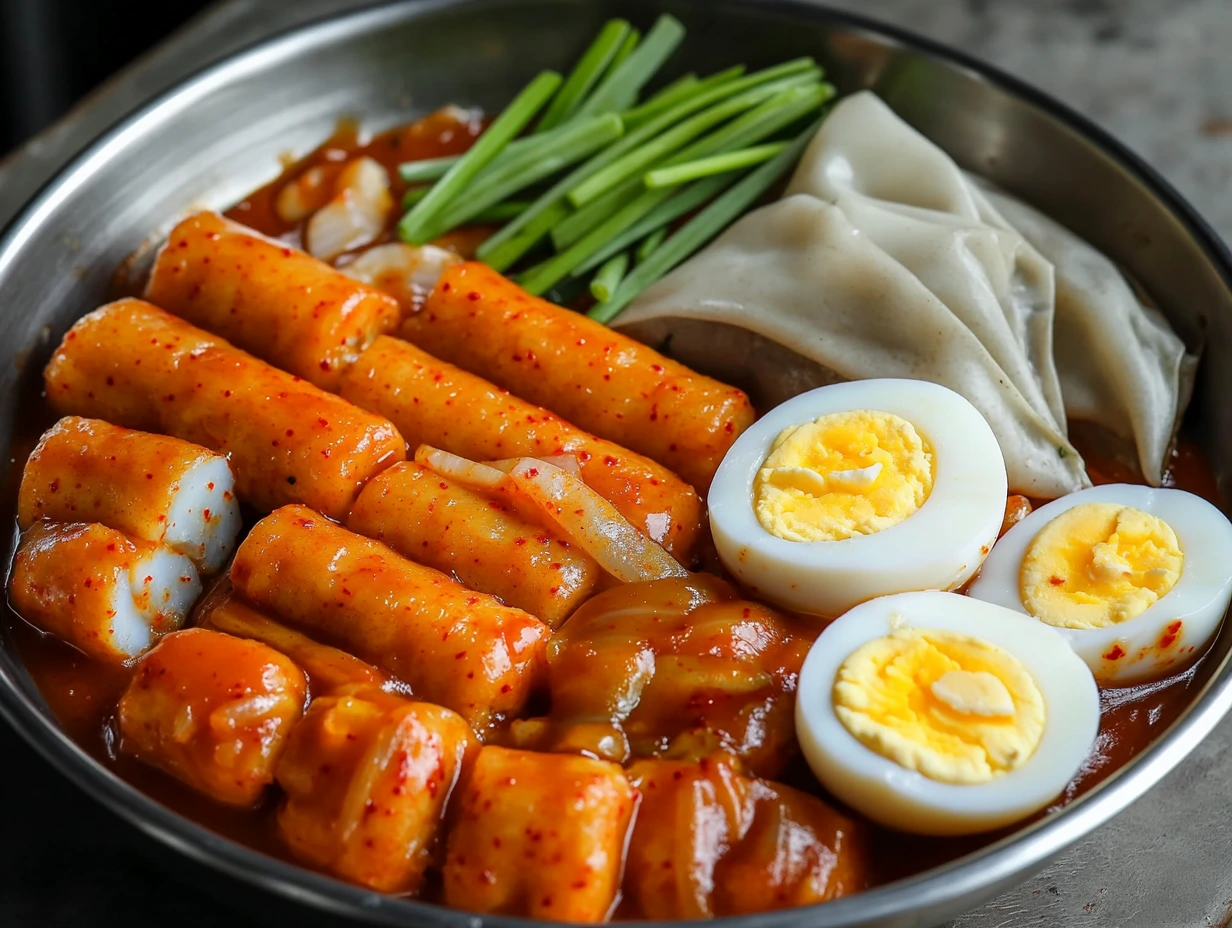
Korean food developed through grain agriculture, seasonal preservation and a table culture in which rice is accompanied by soups, stews and multiple side dishes. Fermentation became a practical and culinary technology: kimchi preserved vegetables, while soy-based jang such as doenjang and ganjang supplied savoury depth. Kimjang, the seasonal making and sharing of kimchi, became a collective household practice tied to winter preparation, family cooperation and regional knowledge. Court cooking, Buddhist temple traditions, coastal seafood, mountain foods and local harvests added distinct regional vocabularies. Twentieth-century war, displacement, urbanisation and industrial food production changed ingredients and eating patterns, while dishes such as tteokbokki and modern fried foods became part of an urban street-food culture. The result is not one fixed national menu but a cuisine that continually balances preservation, seasonality, communal eating and adaptation.
Why it is famous
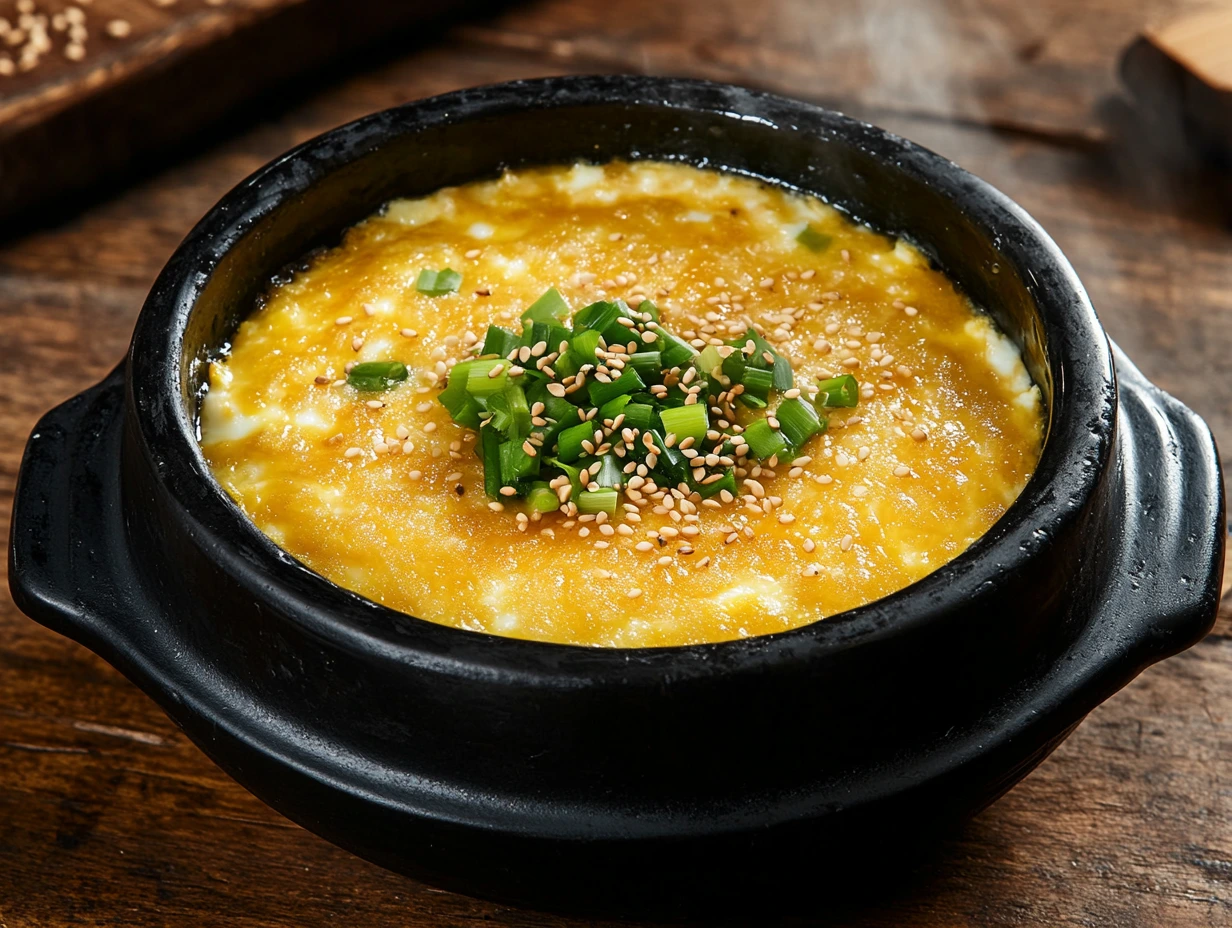
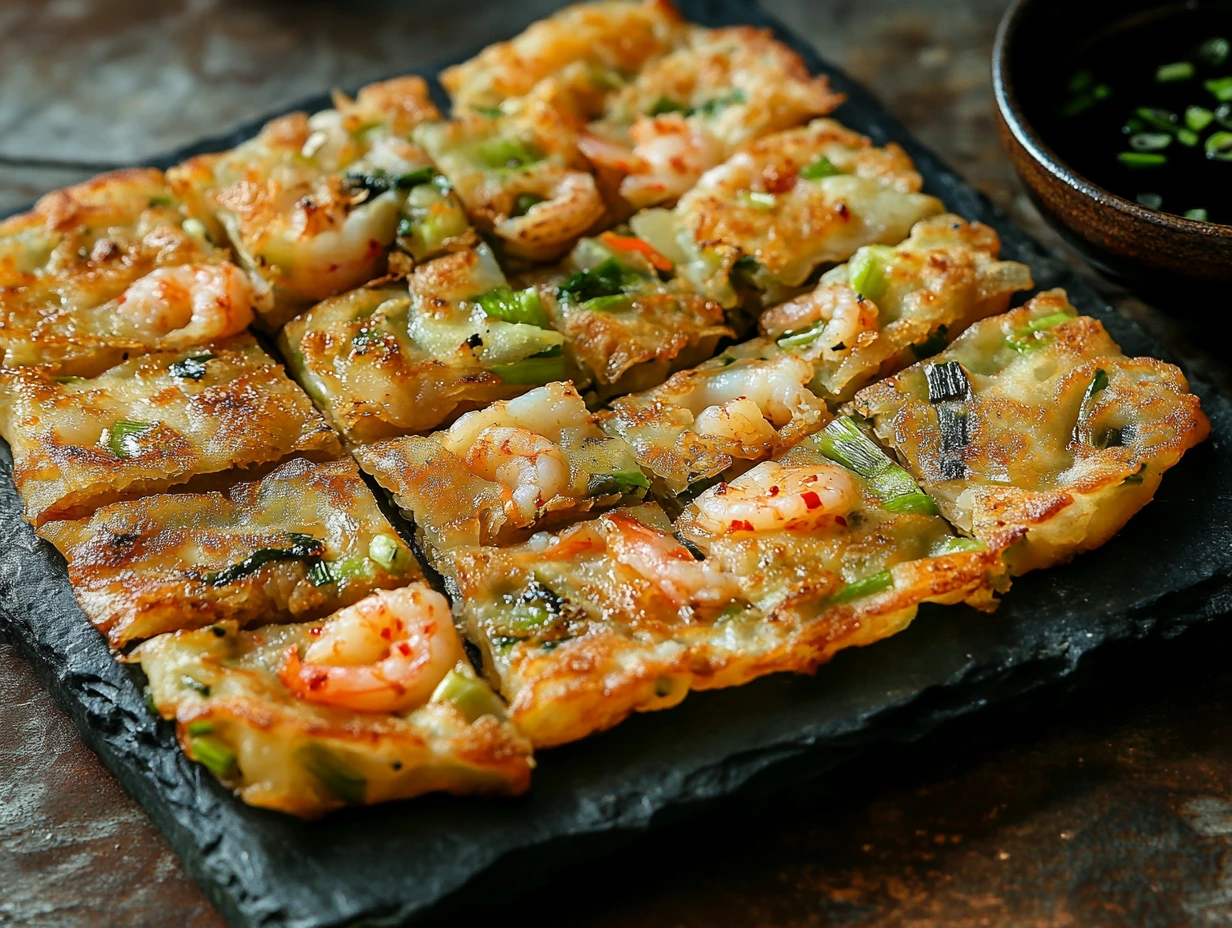
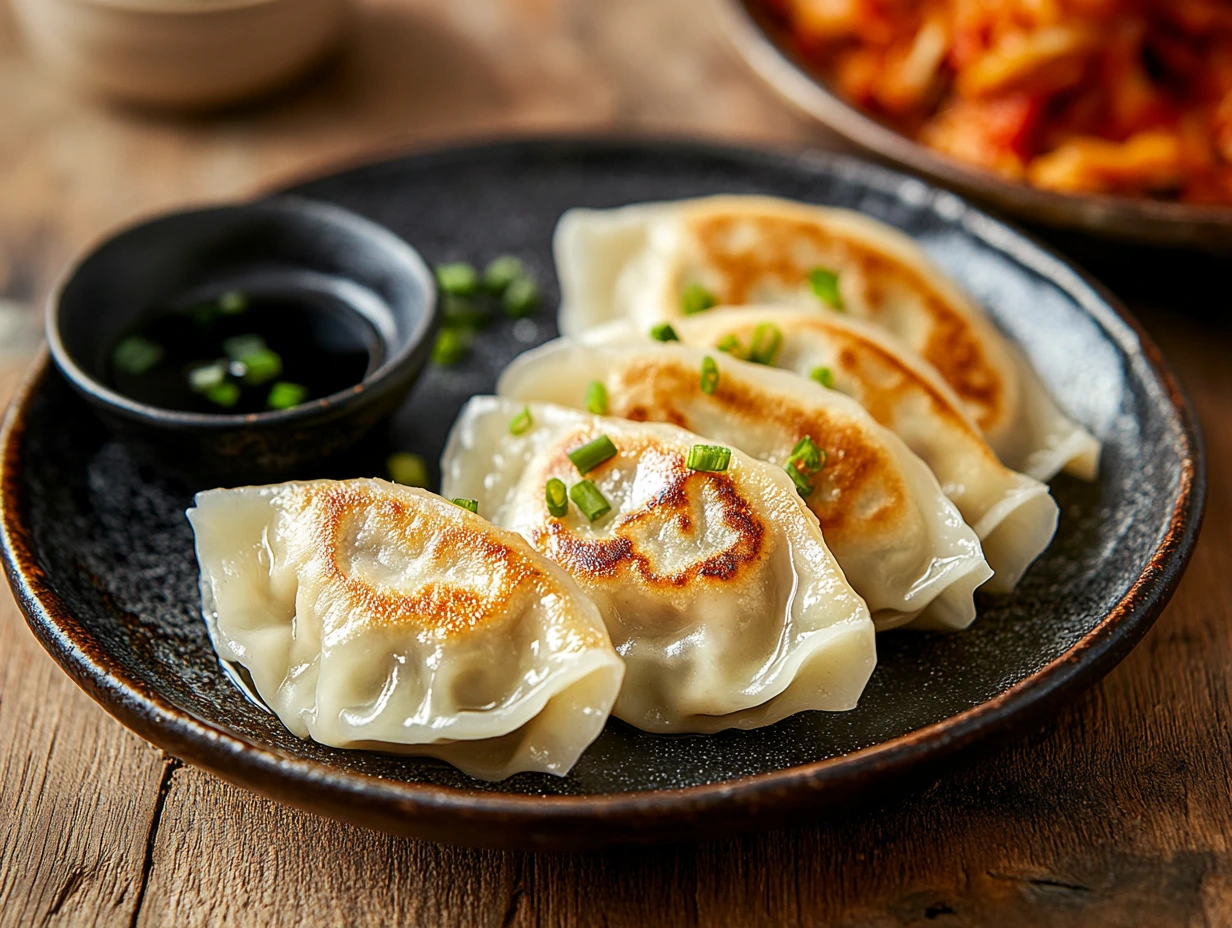
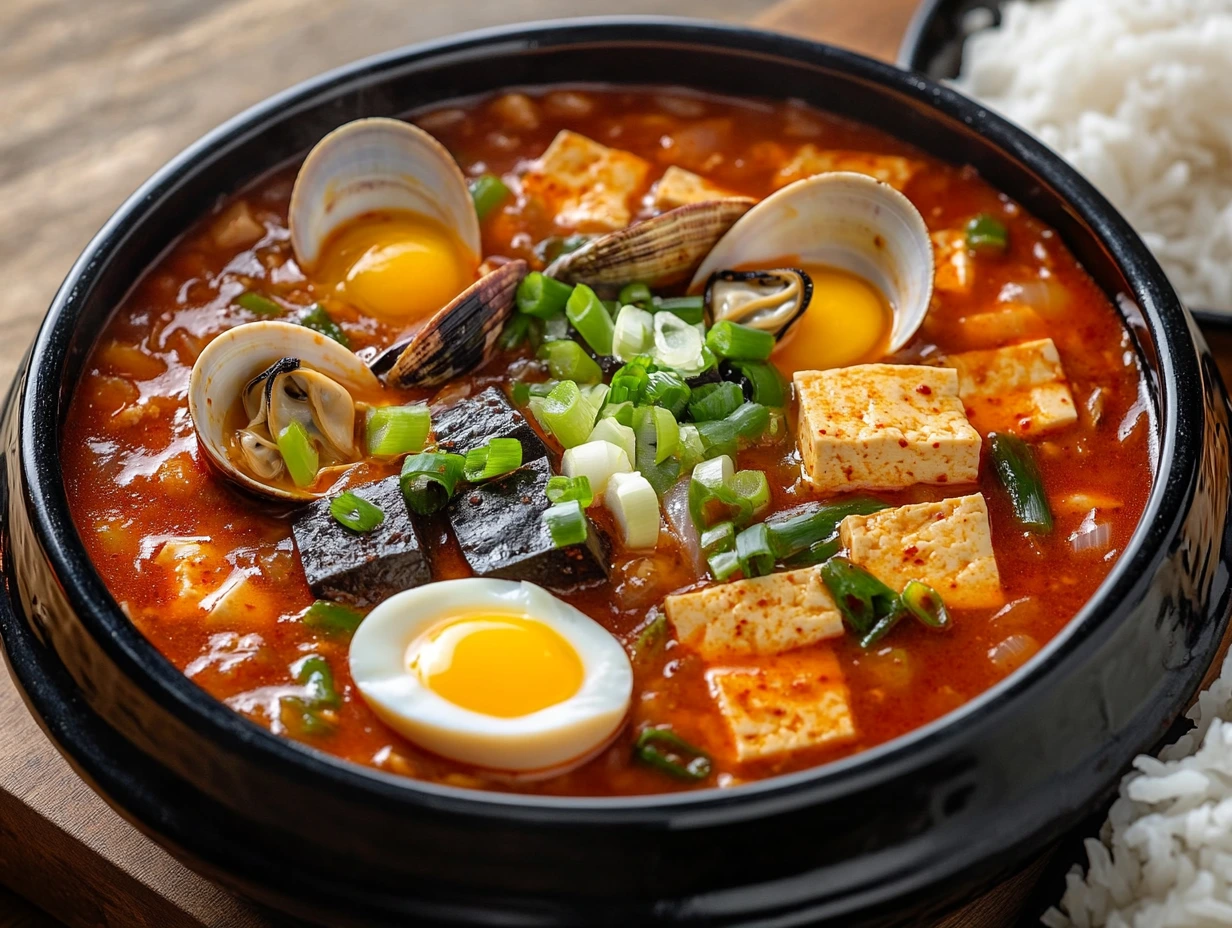
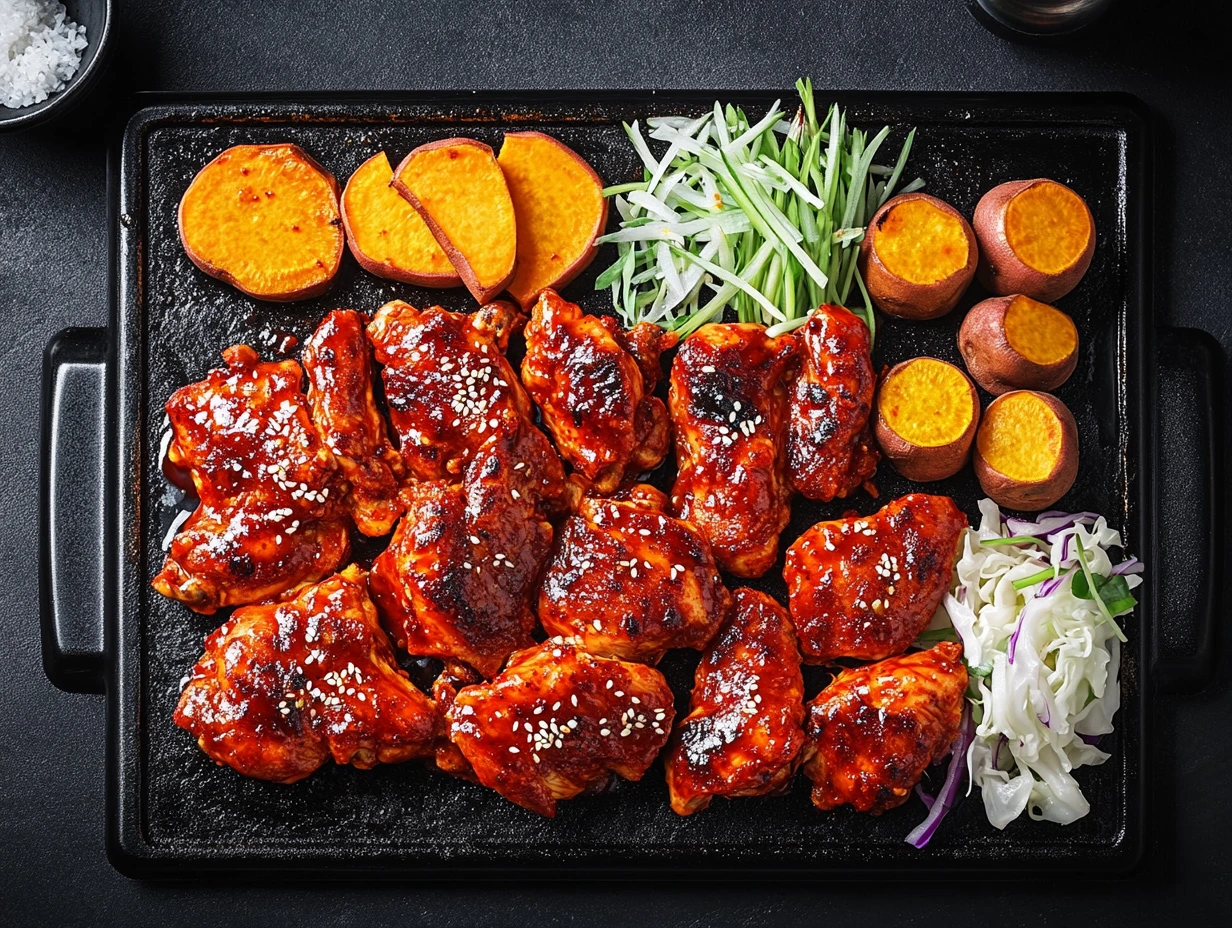
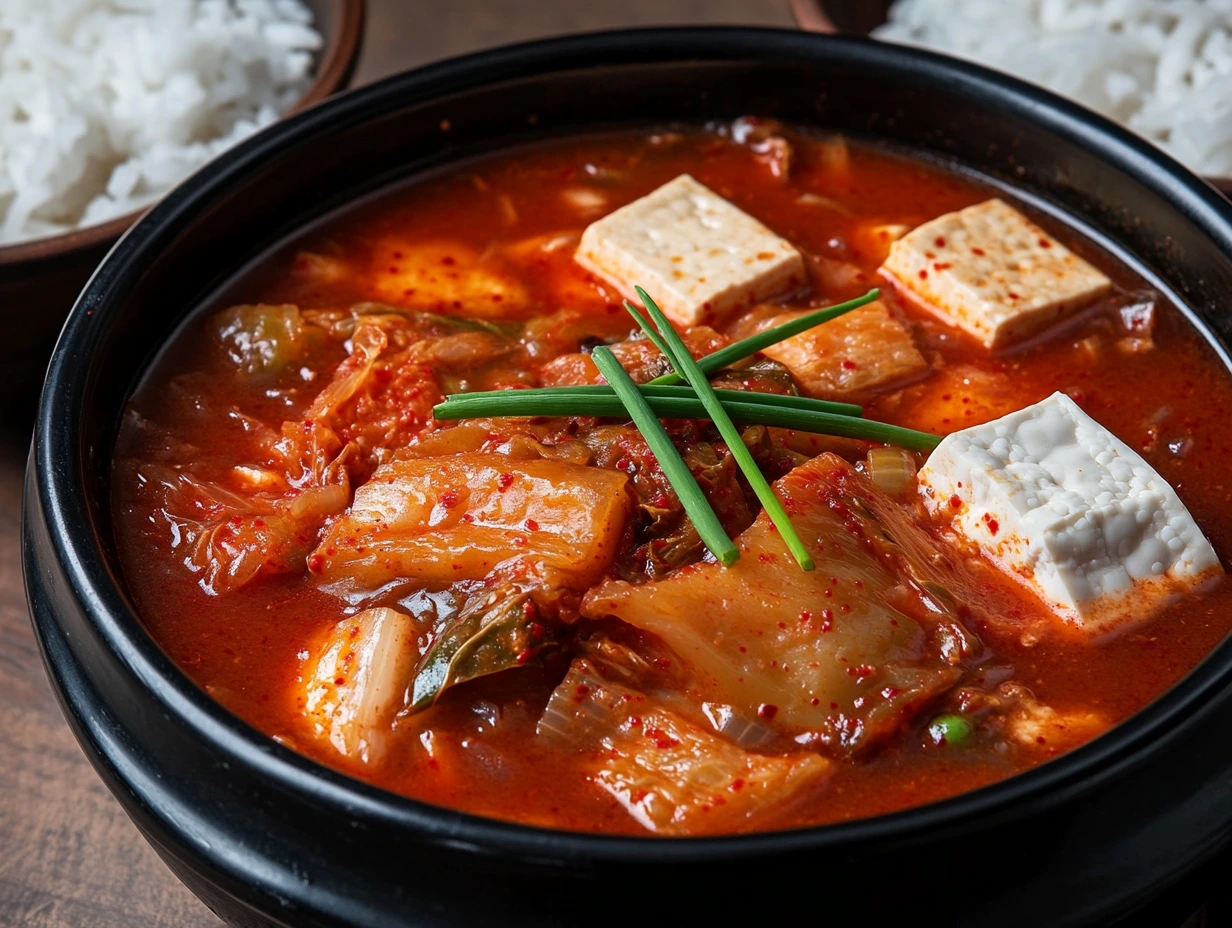
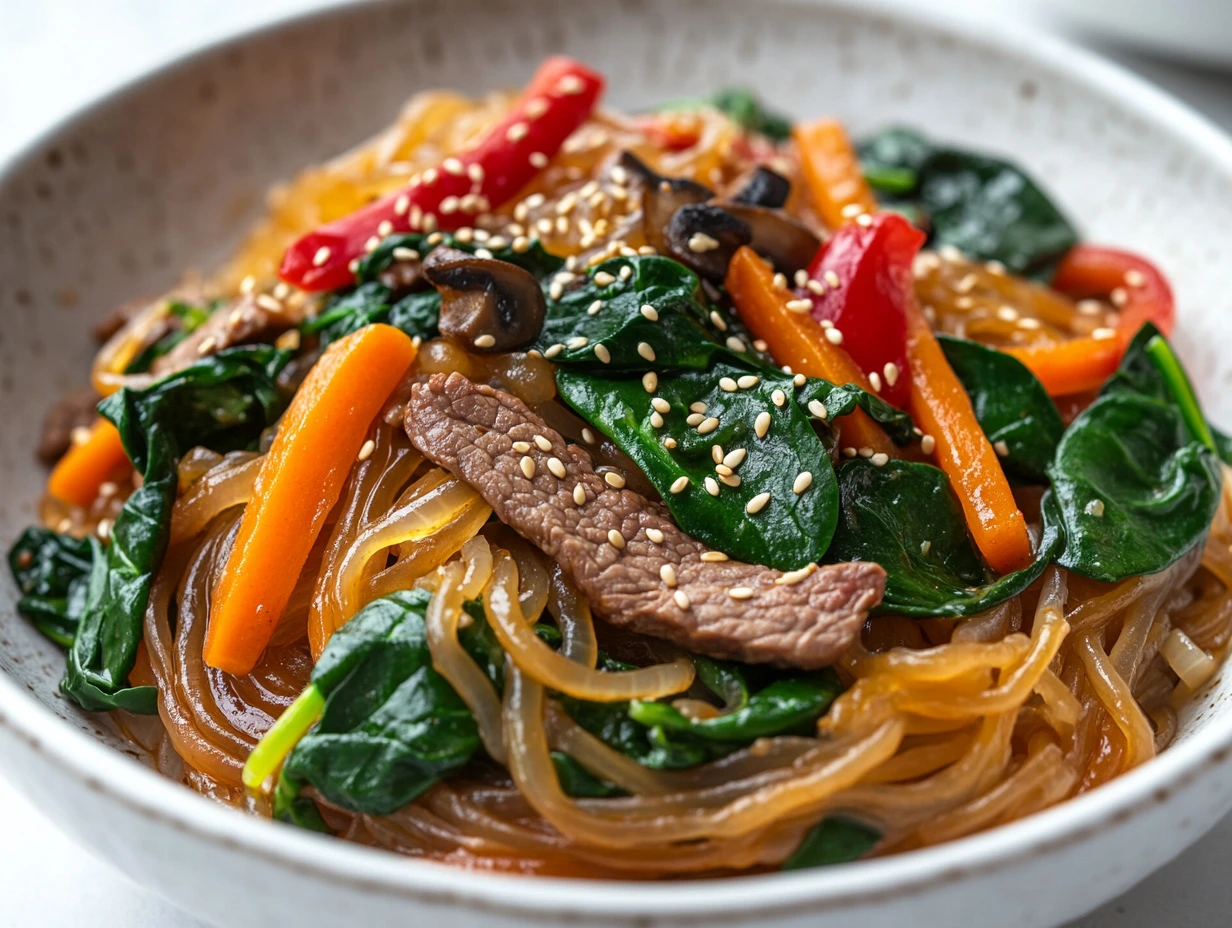
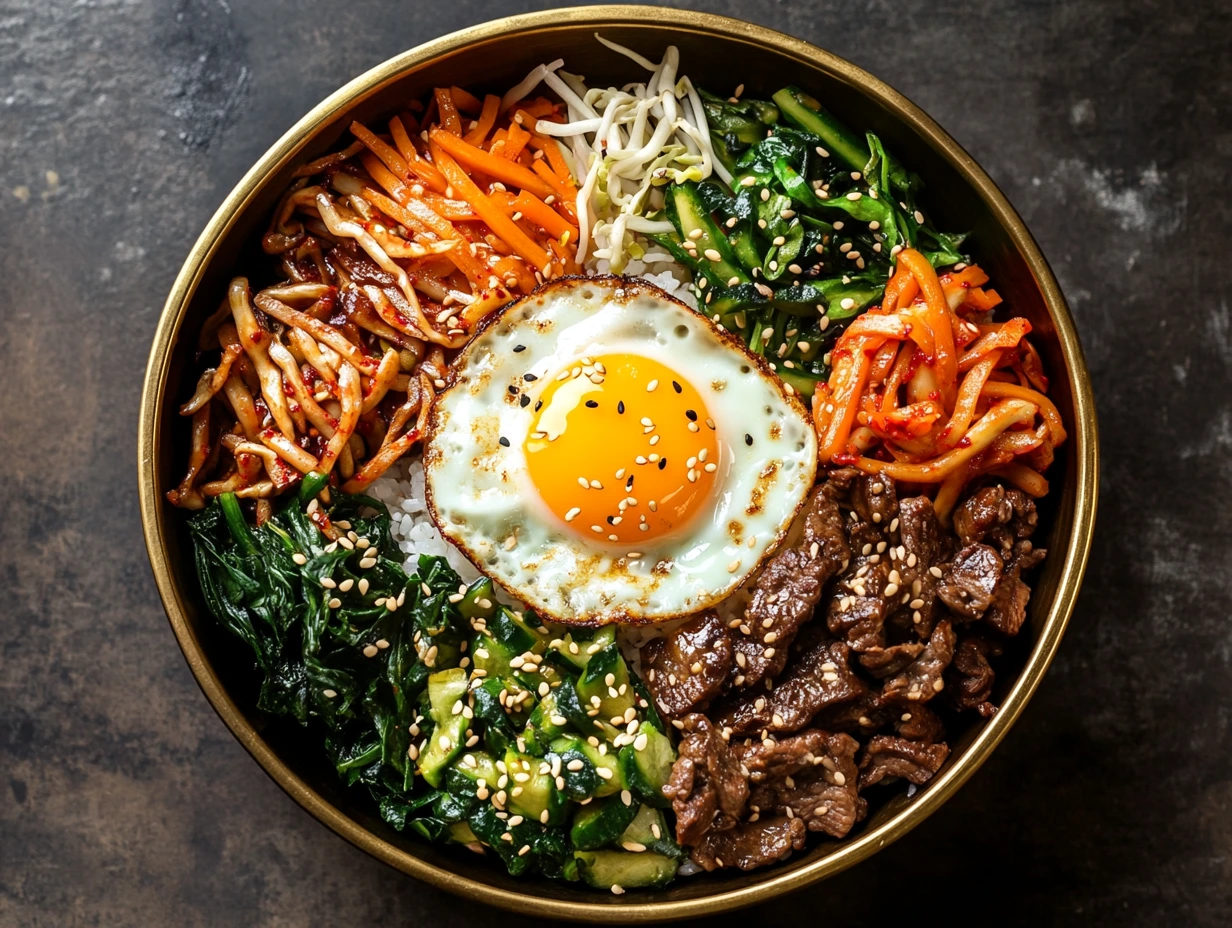
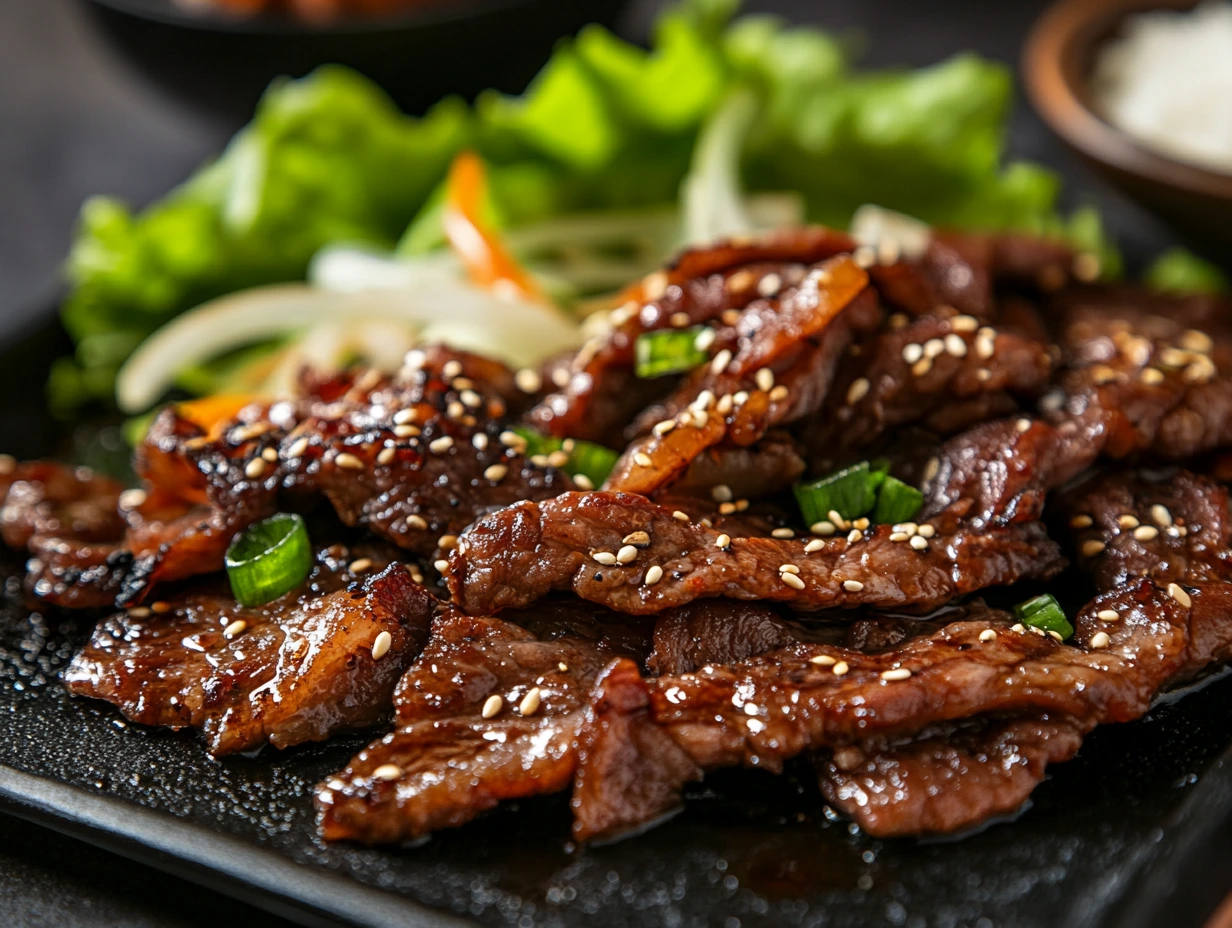
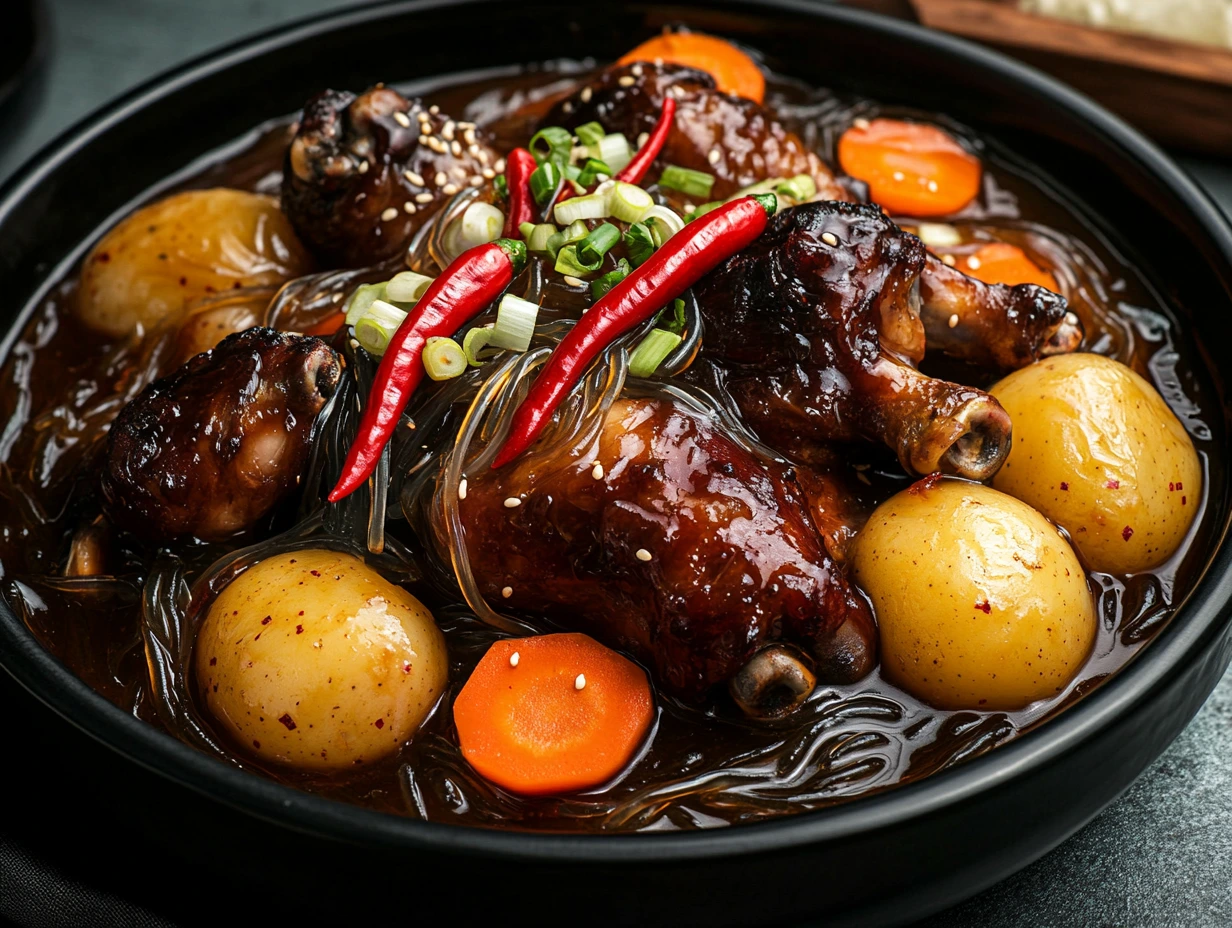
Korean food is famous for kimchi, barbecue, bibimbap, bulgogi, jjigae, fried chicken, tteokbokki, japchae, mandu and the banchan system that makes the table feel abundant without relying on one centrepiece. International attention often focuses on chilli and grilled meat, but the deeper signature is fermentation and balance: strong condiments are repeatedly moderated by rice, broth, vegetables and fresh or lightly seasoned side dishes.
Regional food story
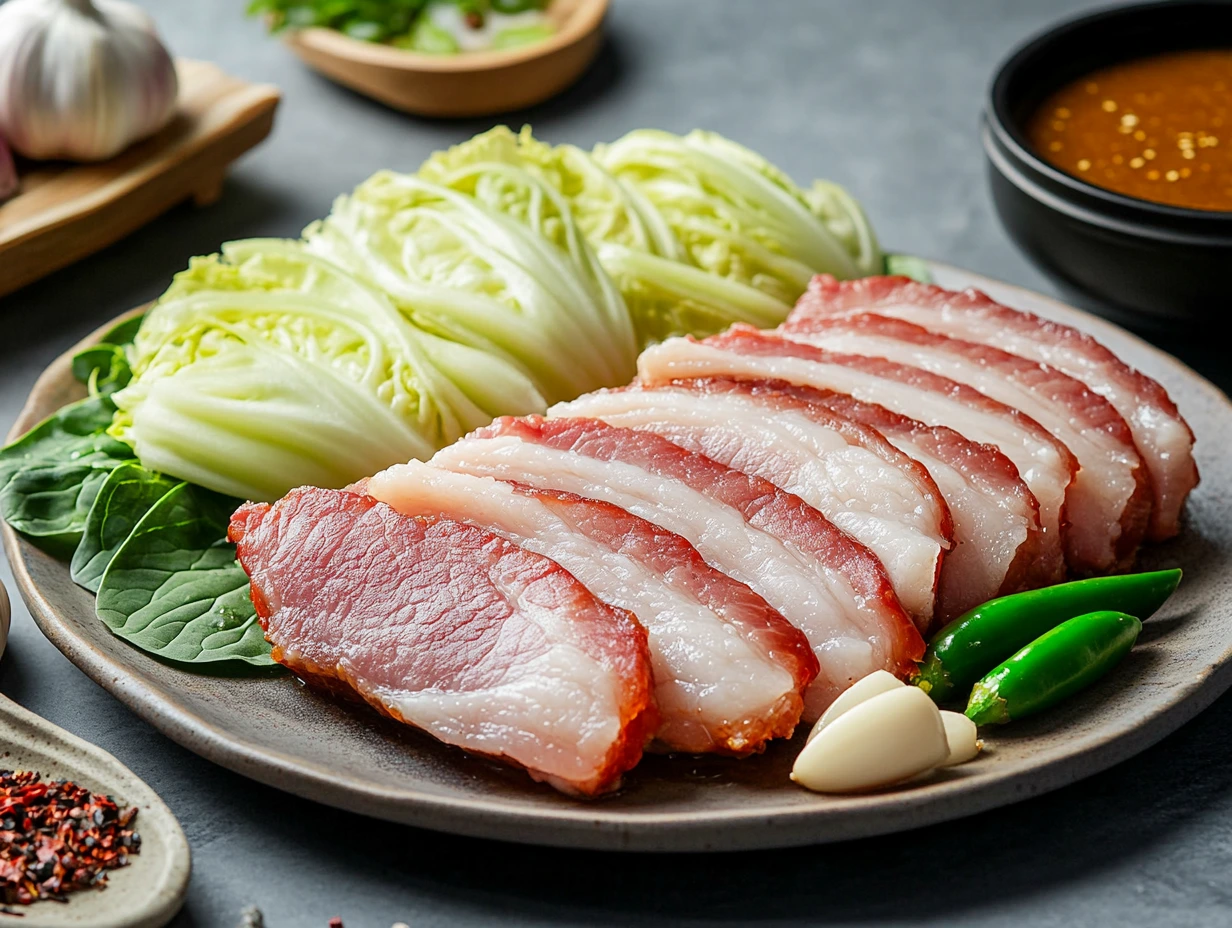
Seoul and Gyeonggi cooking is often associated with balanced seasoning and court-influenced refinement; Jeolla is celebrated for generous banchan and fertile agricultural produce; Gangwon has strong buckwheat, potato and mountain-food traditions; coastal areas use abundant fish and shellfish; Jeju is known for black pork, seafood and island produce. Northern Korean traditions, including Pyongyang-style naengmyeon, tend to be milder and can foreground buckwheat, broth and clean flavours.