Korean Main

Bulgogi

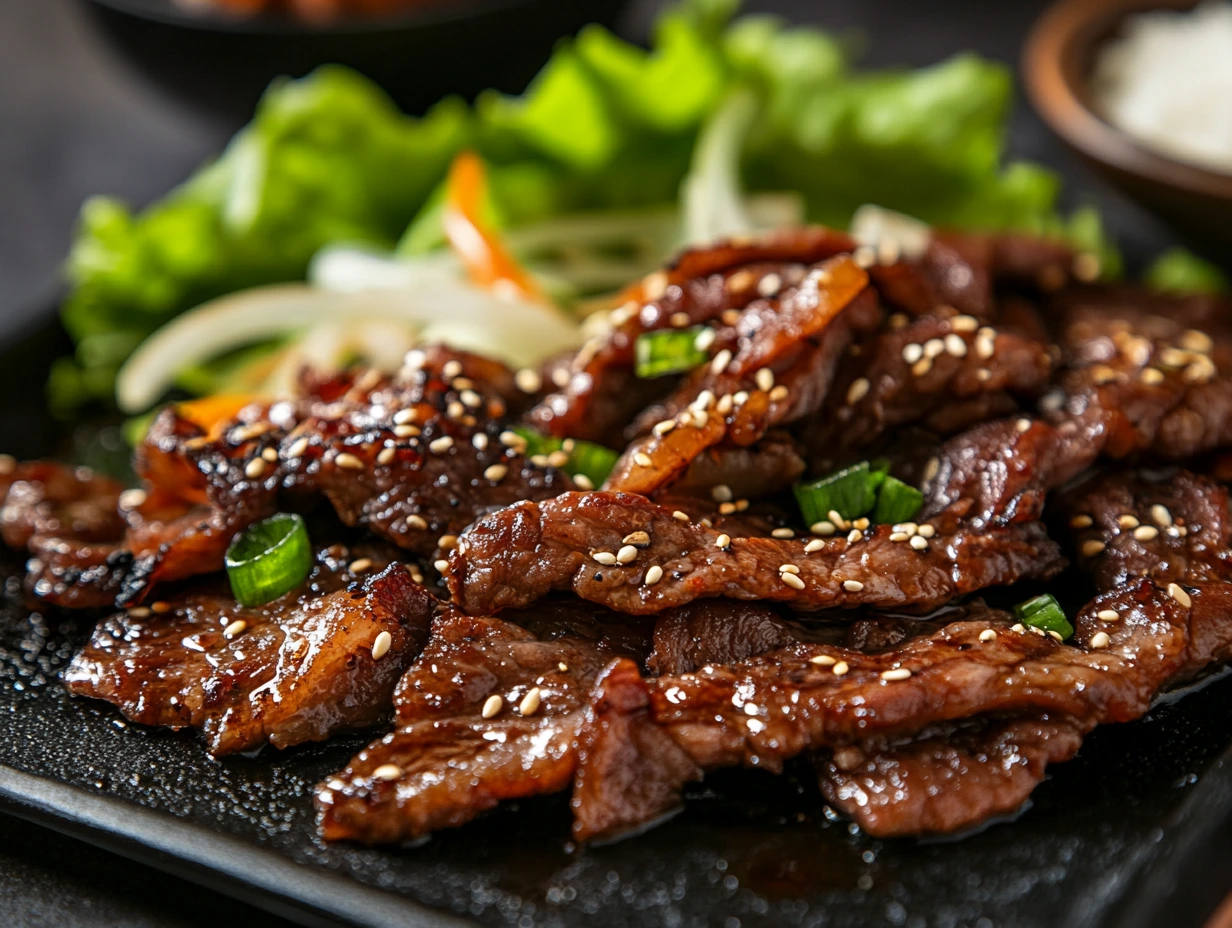
Bulgogi is thinly sliced beef marinated with soy, pear, garlic and sesame, then cooked quickly until caramelised at the edges. This version uses measured ingredients, clear visual cues and the traditional flavour balance that makes the dish distinctive.

25 minsPrep time
12 minsCook time
Serves 4Servings
EasyDifficulty
Bulgogi
About this dish

Bulgogi: the story on the plate

Bulgogi is a Korean main with a clear sense of place. Bulgogi, meaning fire meat, has roots in older Korean grilled beef dishes and became one of the best-known expressions of Korean barbecue. Modern versions commonly use tender sliced beef in a sweet-savoury soy marinade. The recipe below keeps the defining ingredients and technique intact while giving practical metric quantities and enough detail for a home cook to judge texture, seasoning and doneness rather than simply follow a timer.

Historical background

Bulgogi, meaning fire meat, has roots in older Korean grilled beef dishes and became one of the best-known expressions of Korean barbecue. Modern versions commonly use tender sliced beef in a sweet-savoury soy marinade.

Why it is famous

Bulgogi is both home food and celebration food, often placed in the middle of the table so diners can build lettuce wraps or eat it with rice and banchan.
Cultural significance

Bulgogi is both home food and celebration food, often placed in the middle of the table so diners can build lettuce wraps or eat it with rice and banchan.
Nutrition

Estimated nutrition per serving

These figures are estimates per serving. Actual nutrition can vary with the brands and exact amounts you use, how much oil, dressing or sauce is absorbed, any substitutions or added extras, and the portion size served.

A practical guide for comparing recipes and planning meals.

510Calories
38gProtein
25gCarbs
29gFat
Ingredients

What you need

  • 600 beef ribeye or sirloin, very thinly sliced
  • 120 Asian pear, peeled and grated
  • 70 soy sauce
  • 25 brown sugar
  • 20 toasted sesame oil
  • 18 Garlic, grated
  • 8 ginger, grated
  • 80 Spring onions, sliced
  • 150 onion, thinly sliced
  • 2 toasted sesame seeds
  • 10 neutral cooking oil
Method

Step-by-step method

Follow the recipe in order, tasting and adjusting seasoning where needed.

  1. If the beef is not pre-sliced, chill it in the freezer for 25–30 minutes until firm but not frozen, then cut across the grain into very thin sheets.
  2. Combine grated pear, soy sauce, sugar, sesame oil, garlic and ginger. Fold in the beef, spring onions and onion until every piece is coated. Marinate for 30 minutes; very thin beef does not need hours.
  3. Heat a cast-iron pan or griddle over high heat until it is genuinely hot. Add a light film of oil and cook the beef in small batches so the pan continues to sear rather than steam.
  4. Spread each batch into a single layer, leave it for 30–45 seconds to colour, then toss and cook for another 1–2 minutes. Allow some marinade to caramelise on the beef without letting the sugar burn black.
  5. Return all the beef to the pan for 30 seconds with any remaining sliced spring onion. Taste; the meat should be savoury-sweet with a clear sesame aroma, not wet with sauce.
  6. Transfer immediately to a platter, scatter with sesame seeds and serve with rice, lettuce leaves and ssamjang if desired.
Cook smarter

Tips, storage and serving advice

Shopping tips

Buy Korean gochujang, gochugaru and doenjang from a Korean grocer where possible. Use short-grain rice rather than long-grain rice, and choose well-fermented kimchi for cooked dishes. Check labels on compound ingredients such as sauces, spice blends, stocks, kimchi, fermented pastes and prepared breads when cooking for allergies.

Ingredient quality

For Bulgogi, prioritise fresh or properly stored versions of beef ribeye or sirloin, Asian pear, soy sauce, brown sugar; speciality seasonings should smell vivid rather than stale.

Common mistakes

A crowded pan steams the meat, while long marination can make pear-tenderised beef too soft. Thick slices also prevent the quick caramelisation that defines bulgogi.

Chef’s tips

Cook in batches at the highest heat your pan can sustain. A little char is welcome; a puddle of boiling marinade is not.

How to know it is cooked

The beef is browned at the edges yet still supple, and most free liquid has evaporated into a glossy coating.

Plating advice

Pile loosely rather than compactly so the curled slices and caramelised edges remain visible.