Korean Main

Kimchi Jjigae

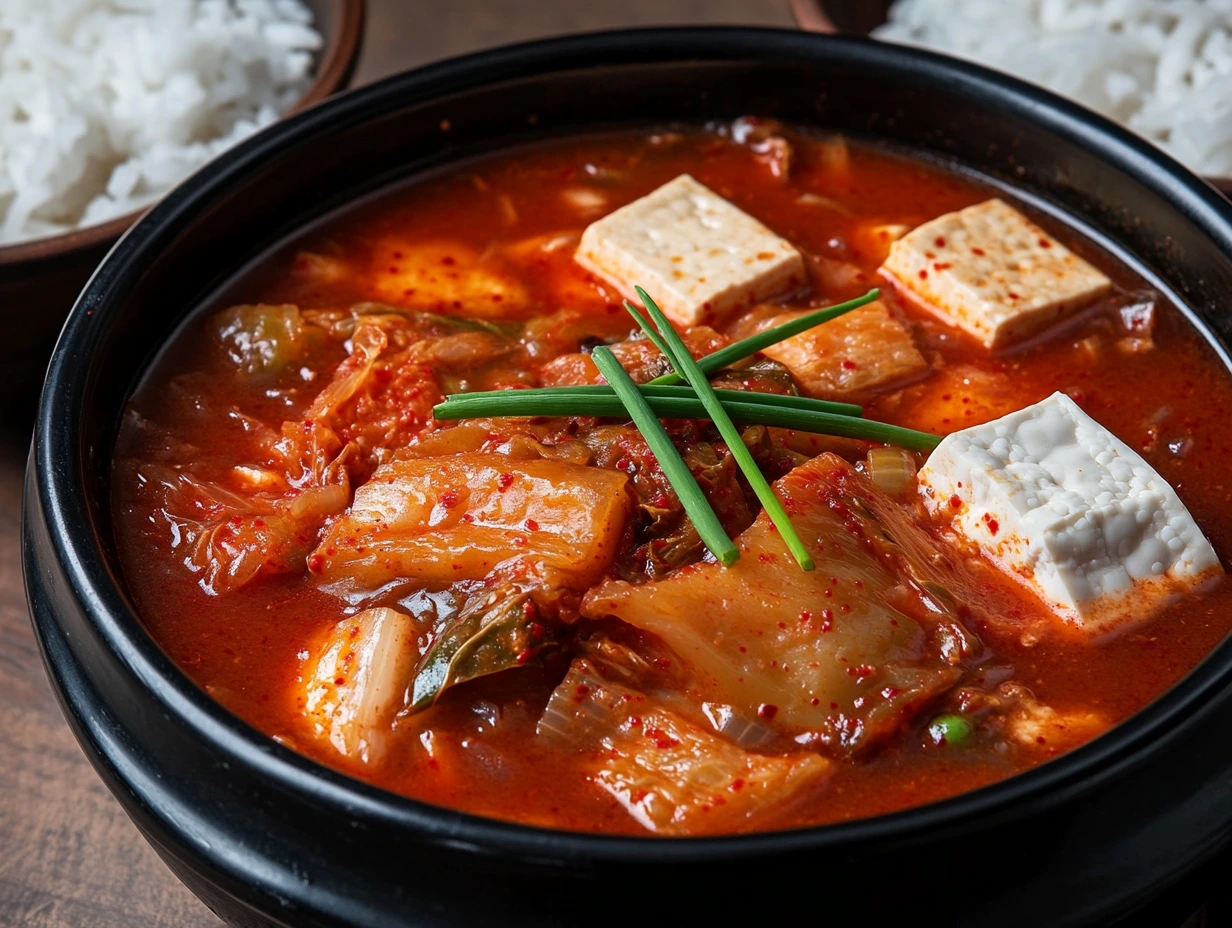
Kimchi Jjigae is a bubbling Korean stew of well-fermented kimchi, pork, tofu and chilli, designed to be eaten with plain rice. This version uses measured ingredients, clear visual cues and the traditional flavour balance that makes the dish distinctive.

15 minsPrep time
35 minsCook time
Serves 4Servings
EasyDifficulty
Kimchi Jjigae
About this dish

Kimchi Jjigae: the story on the plate

Kimchi Jjigae is a Korean main with a clear sense of place. Jjigae is a central category of Korean home cooking, and kimchi jjigae is particularly tied to the practical use of older, sour kimchi that has fermented beyond the ideal point for eating raw. The recipe below keeps the defining ingredients and technique intact while giving practical metric quantities and enough detail for a home cook to judge texture, seasoning and doneness rather than simply follow a timer.

Historical background

Jjigae is a central category of Korean home cooking, and kimchi jjigae is particularly tied to the practical use of older, sour kimchi that has fermented beyond the ideal point for eating raw.

Why it is famous

It represents Korean thrift and fermentation culture: an ingredient changes over time rather than becoming waste, and its stronger acidity becomes an advantage in a cooked dish.
Cultural significance

It represents Korean thrift and fermentation culture: an ingredient changes over time rather than becoming waste, and its stronger acidity becomes an advantage in a cooked dish.
Nutrition

Estimated nutrition per serving

These figures are estimates per serving. Actual nutrition can vary with the brands and exact amounts you use, how much oil, dressing or sauce is absorbed, any substitutions or added extras, and the portion size served.

A practical guide for comparing recipes and planning meals.

455Calories
27gProtein
20gCarbs
30gFat
Ingredients

What you need

  • 450 well-fermented napa cabbage kimchi, cut into bite-sized pieces, juice reserved
  • 300 pork belly, cut into 2 cm pieces
  • 300 firm tofu, sliced
  • 120 onion, sliced
  • 60 Spring onions, sliced
  • 2 gochugaru
  • 20 gochujang
  • 15 soy sauce
  • 10 Garlic, grated
  • 800 anchovy-kelp stock
  • 120 kimchi juice
Method

Step-by-step method

Follow the recipe in order, tasting and adjusting seasoning where needed.

  1. Put the pork belly in a heavy saucepan over medium heat and cook for 4–5 minutes until some fat renders and the edges begin to colour.
  2. Add the kimchi and onion. Fry in the pork fat for another 5 minutes; cooking the kimchi before adding stock rounds out its acidity and deepens the stew.
  3. Stir in gochugaru, gochujang, soy sauce and garlic, then immediately add the stock and reserved kimchi juice so the chilli does not scorch.
  4. Bring to a boil, then lower to a steady simmer and cook uncovered for 20 minutes. The broth should turn orange-red and the kimchi stems should become tender.
  5. Lay the tofu slices over the top and simmer for another 7–8 minutes without aggressive stirring, which can break the tofu into the broth.
  6. Taste before adding salt; mature kimchi varies greatly in salinity. Add the spring onions, simmer for 1 minute and serve bubbling hot with plain rice.
Cook smarter

Tips, storage and serving advice

Shopping tips

Buy Korean gochujang, gochugaru and doenjang from a Korean grocer where possible. Use short-grain rice rather than long-grain rice, and choose well-fermented kimchi for cooked dishes. Check labels on compound ingredients such as sauces, spice blends, stocks, kimchi, fermented pastes and prepared breads when cooking for allergies.

Ingredient quality

For Kimchi Jjigae, prioritise fresh or properly stored versions of well-fermented napa cabbage kimchi, pork belly, firm tofu, onion; speciality seasonings should smell vivid rather than stale.

Common mistakes

Using fresh mild kimchi makes a weak stew; adding too much gochujang can make it sweet and pasty; seasoning before tasting the kimchi can oversalt the pot.

Chef’s tips

If your kimchi is not sour enough, add a teaspoon of rice vinegar at the end rather than increasing chilli paste.

How to know it is cooked

The kimchi is tender, pork easily bites through and the broth tastes integrated rather than like separate chilli paste and water.

Plating advice

Serve in a black earthenware pot with tofu visible on top and rice in a separate bowl.