Korean Dessert

Yakgwa

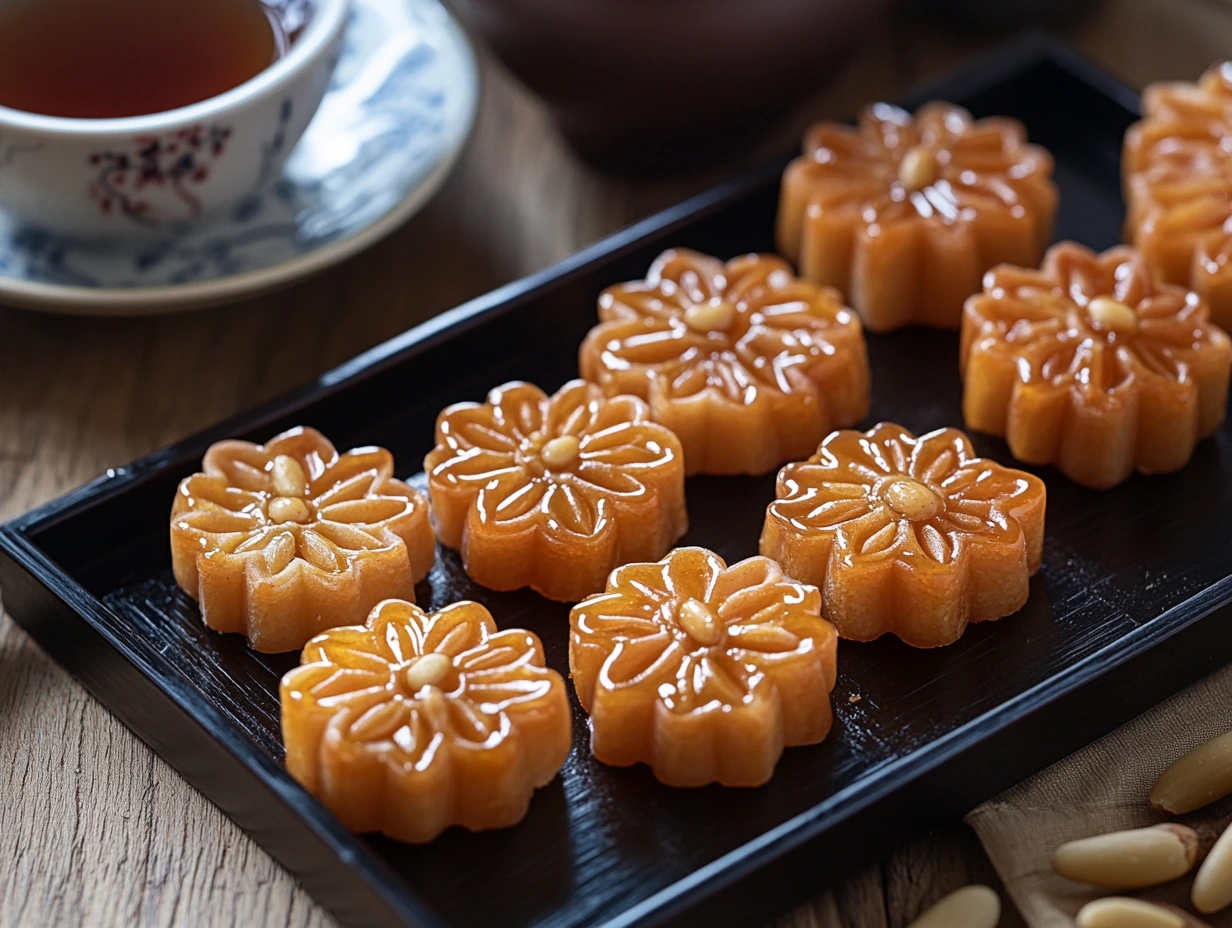
Yakgwa is traditional Korean honey-and-ginger pastries, fried slowly and soaked in an aromatic honey syrup. This version uses measured ingredients, clear visual cues and the traditional flavour balance that makes the dish distinctive.

35 minsPrep time
35 minsCook time
Serves 16Servings
HardDifficulty
Yakgwa
About this dish

Yakgwa: the story on the plate

Yakgwa is a Korean dessert with a clear sense of place. Yakgwa is a historic Korean confection associated with royal, ceremonial and festive tables. Its name references medicinal confectionery, reflecting the older status of honey and sesame oil as valued ingredients. The recipe below keeps the defining ingredients and technique intact while giving practical metric quantities and enough detail for a home cook to judge texture, seasoning and doneness rather than simply follow a timer.

Historical background

Yakgwa is a historic Korean confection associated with royal, ceremonial and festive tables. Its name references medicinal confectionery, reflecting the older status of honey and sesame oil as valued ingredients.

Why it is famous

It is served for holidays, weddings, ancestral rites and formal tea settings, and remains one of Korea’s most recognisable traditional sweets.
Cultural significance

It is served for holidays, weddings, ancestral rites and formal tea settings, and remains one of Korea’s most recognisable traditional sweets.
Nutrition

Estimated nutrition per serving

These figures are estimates per serving. Actual nutrition can vary with the brands and exact amounts you use, how much oil, dressing or sauce is absorbed, any substitutions or added extras, and the portion size served.

A practical guide for comparing recipes and planning meals.

215Calories
3gProtein
29gCarbs
10gFat
Ingredients

What you need

  • 250 plain flour
  • 25 toasted sesame oil
  • 1 Cinnamon
  • 15 ginger juice
  • 45 rice wine or soju
  • 60 honey, for dough
  • 900 neutral frying oil
  • 180 honey, for syrup
  • 120 water, for syrup
  • 20 fresh ginger, sliced for syrup
  • 1 cinnamon stick
  • 20 pine nuts, for garnish
Method

Step-by-step method

Follow the recipe in order, tasting and adjusting seasoning where needed.

  1. Rub the flour with sesame oil between your fingertips until evenly sandy. This coating shortens gluten strands and helps create yakgwa’s distinctive layered, slightly flaky interior.
  2. Mix cinnamon, ginger juice, rice wine and 60 g honey, then add just enough to bring the flour into a firm dough. Press together rather than kneading. Rest covered for 20 minutes.
  3. Roll to about 8 mm thick and cut into small flower shapes or rectangles. Pierce each piece several times with a skewer so syrup can later penetrate the centre.
  4. Heat frying oil to only 120–130°C. Add the pastries and fry slowly until they float and begin to expand, then gradually raise the oil to about 150°C and continue until they are an even deep amber.
  5. Meanwhile simmer 180 g honey with water, ginger and cinnamon for 5 minutes, then cool until warm. Drain the fried pastries thoroughly and transfer them into the syrup.
  6. Soak for at least 2 hours, preferably overnight, turning once. Drain on a rack, garnish with pine nuts and allow the surface to become glossy but not dripping before serving.
Cook smarter

Tips, storage and serving advice

Shopping tips

Buy Korean gochujang, gochugaru and doenjang from a Korean grocer where possible. Use short-grain rice rather than long-grain rice, and choose well-fermented kimchi for cooked dishes. Check labels on compound ingredients such as sauces, spice blends, stocks, kimchi, fermented pastes and prepared breads when cooking for allergies.

Ingredient quality

For Yakgwa, prioritise fresh or properly stored versions of plain flour, toasted sesame oil, cinnamon, ginger juice; speciality seasonings should smell vivid rather than stale.

Common mistakes

Hot oil browns the outside before the centre expands; kneading makes the pastry tough; soaking in boiling syrup can collapse the texture.

Chef’s tips

The two-stage low-temperature fry is crucial: start cool enough for the interior to open before deepening the colour.

How to know it is cooked

Pastries are evenly amber, feel surprisingly light when lifted from the oil, and absorb syrup into the centre without disintegrating.

Plating advice

Arrange three or four pieces on a small lacquer or ceramic plate with plenty of negative space.