Korean Dessert

Songpyeon

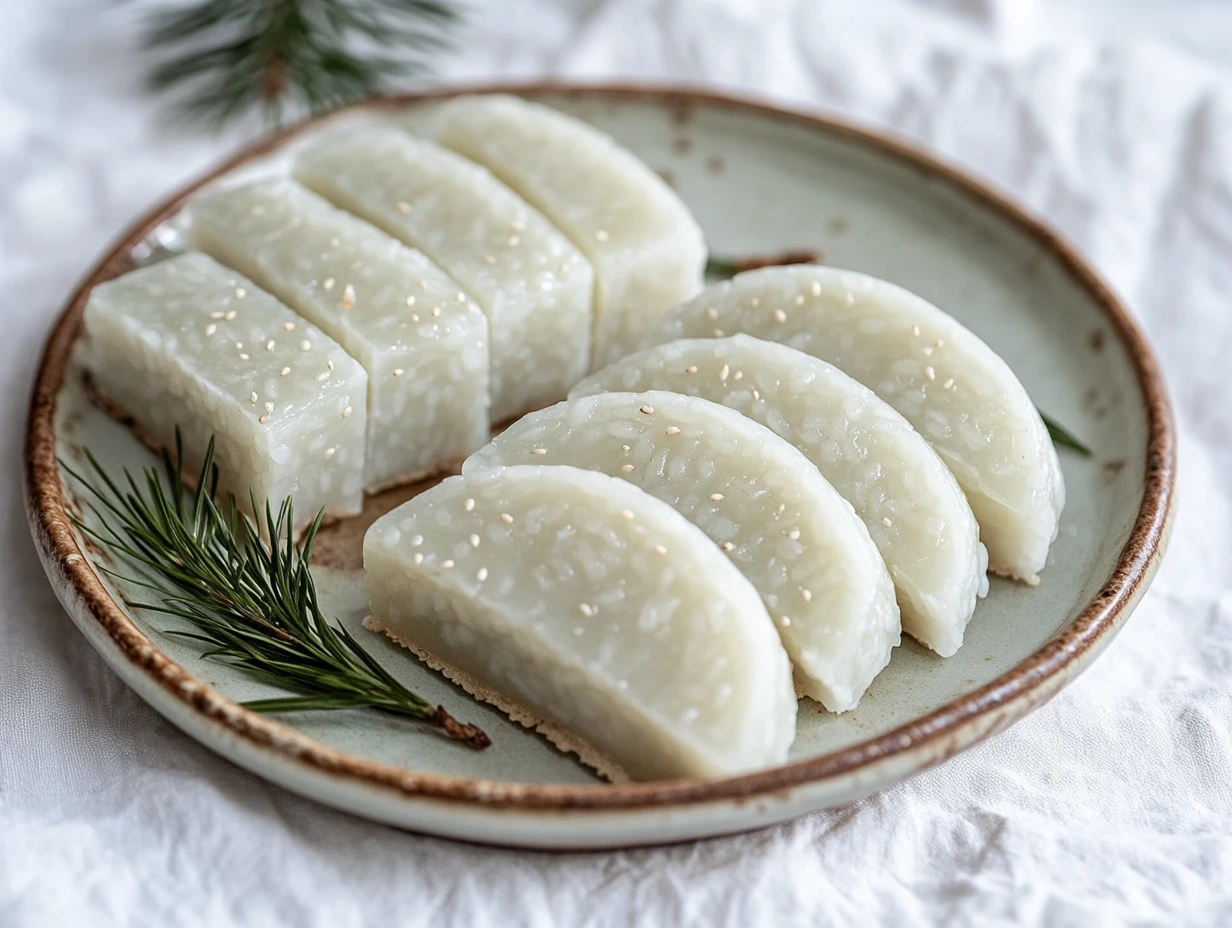
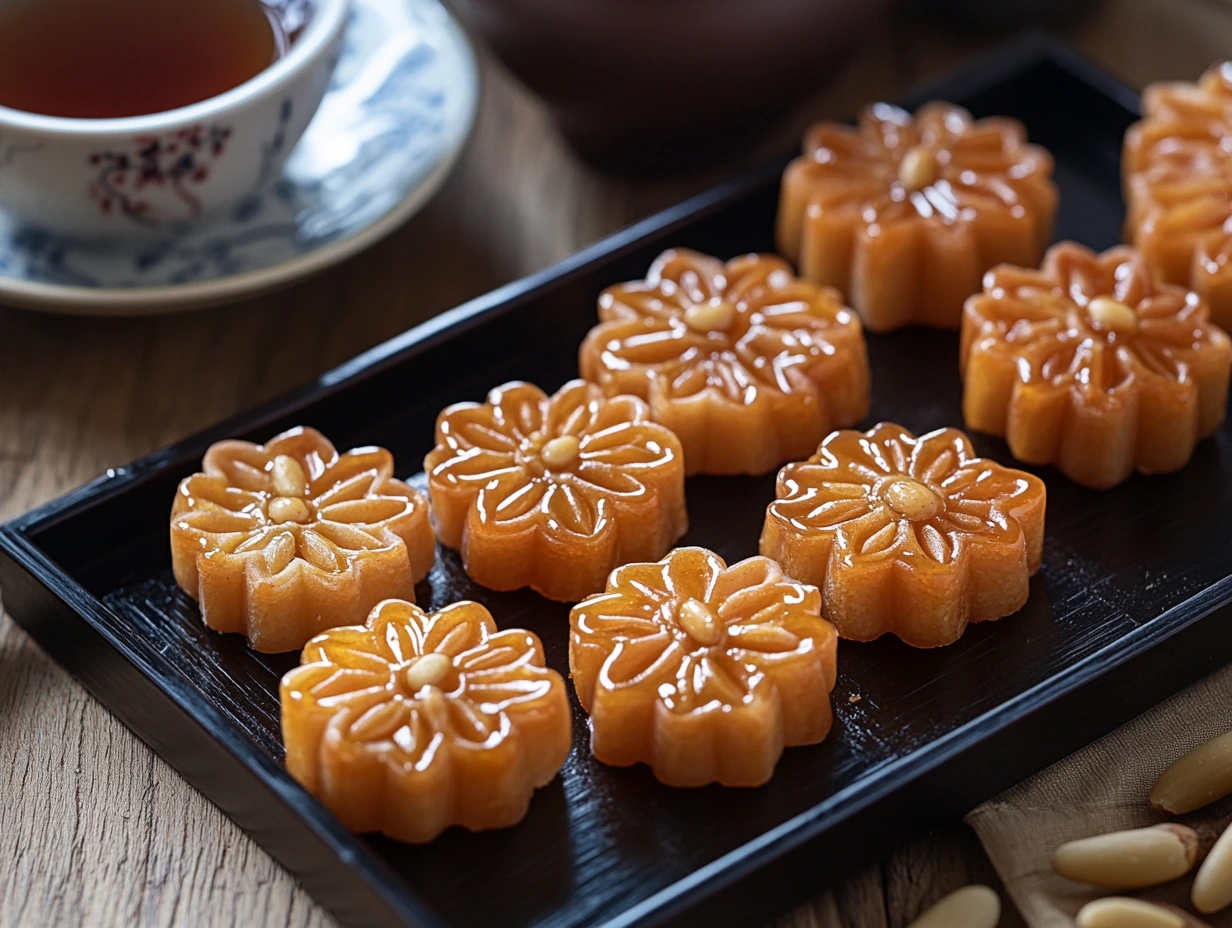
Songpyeon is half-moon Korean rice cakes steamed over pine needles with sesame, sugar and honey filling. This version uses measured ingredients, clear visual cues and the traditional flavour balance that makes the dish distinctive.

55 minsPrep time
20 minsCook time
Serves 16Servings
HardDifficulty
Songpyeon
About this dish

Songpyeon: the story on the plate

Songpyeon is a Korean dessert with a clear sense of place. Songpyeon is closely connected with Chuseok, Korea’s major harvest festival. Families traditionally gather to shape the half-moon rice cakes, and pine needles perfume the cakes while preventing them from sticking in the steamer. The recipe below keeps the defining ingredients and technique intact while giving practical metric quantities and enough detail for a home cook to judge texture, seasoning and doneness rather than simply follow a timer.

Historical background

Songpyeon is closely connected with Chuseok, Korea’s major harvest festival. Families traditionally gather to shape the half-moon rice cakes, and pine needles perfume the cakes while preventing them from sticking in the steamer.

Why it is famous

Making songpyeon is a communal holiday activity tied to harvest, ancestors and family. Shapes, colours and fillings vary, but the act of making them together is central.
Cultural significance

Making songpyeon is a communal holiday activity tied to harvest, ancestors and family. Shapes, colours and fillings vary, but the act of making them together is central.
Nutrition

Estimated nutrition per serving

These figures are estimates per serving. Actual nutrition can vary with the brands and exact amounts you use, how much oil, dressing or sauce is absorbed, any substitutions or added extras, and the portion size served.

A practical guide for comparing recipes and planning meals.

145Calories
3gProtein
25gCarbs
4gFat
Ingredients

What you need

  • 400 wet-milled rice flour
  • 220 boiling water, approximately
  • 3 fine salt
  • 80 toasted sesame seeds, ground
  • 45 dark brown sugar
  • 30 honey
  • 80 pine needles, food-safe, washed
  • 10 toasted sesame oil, for finishing
Method

Step-by-step method

Follow the recipe in order, tasting and adjusting seasoning where needed.

  1. Mix rice flour and salt. Add boiling water a little at a time, stirring with chopsticks, until the flour gathers into damp clumps; the exact amount varies with rice flour moisture.
  2. When cool enough to handle, knead firmly for 5–7 minutes until the dough becomes smooth, pliable and no longer cracks when pressed. Keep it covered at all times because rice dough dries quickly.
  3. Mix ground sesame seeds, brown sugar and honey into a damp, sandy filling. Pinch off walnut-sized dough pieces, roll smooth and press a deep well into each.
  4. Add about 1 teaspoon filling, close the dough carefully and shape into a plump half-moon. Avoid trapping air, which can split the rice cake during steaming.
  5. Line a steamer with clean pine needles, arrange songpyeon without touching and cover with another light layer of needles. Steam over vigorously boiling water for 18–20 minutes.
  6. Transfer immediately into cold water for a few seconds, drain well and rub very lightly with sesame oil to prevent sticking. Serve at room temperature.
Cook smarter

Tips, storage and serving advice

Shopping tips

Buy Korean gochujang, gochugaru and doenjang from a Korean grocer where possible. Use short-grain rice rather than long-grain rice, and choose well-fermented kimchi for cooked dishes. Check labels on compound ingredients such as sauces, spice blends, stocks, kimchi, fermented pastes and prepared breads when cooking for allergies.

Ingredient quality

For Songpyeon, prioritise fresh or properly stored versions of wet-milled rice flour, boiling water, fine salt, toasted sesame seeds; speciality seasonings should smell vivid rather than stale.

Common mistakes

Using ordinary dry rice flour without adjustment can crack; a dry dough splits when shaped; too much filling bursts through during steaming.

Chef’s tips

Knead while the dough is still warm and test one half-moon before shaping the rest: if its edges crack, work in a teaspoon more hot water.

How to know it is cooked

The cakes are glossy, flexible and chewy all the way through with no dry white floury core.

Plating advice

Arrange in a low mound with a few clean pine needles as visual context, not as edible garnish.