
Korean Starter
Tteokbokki
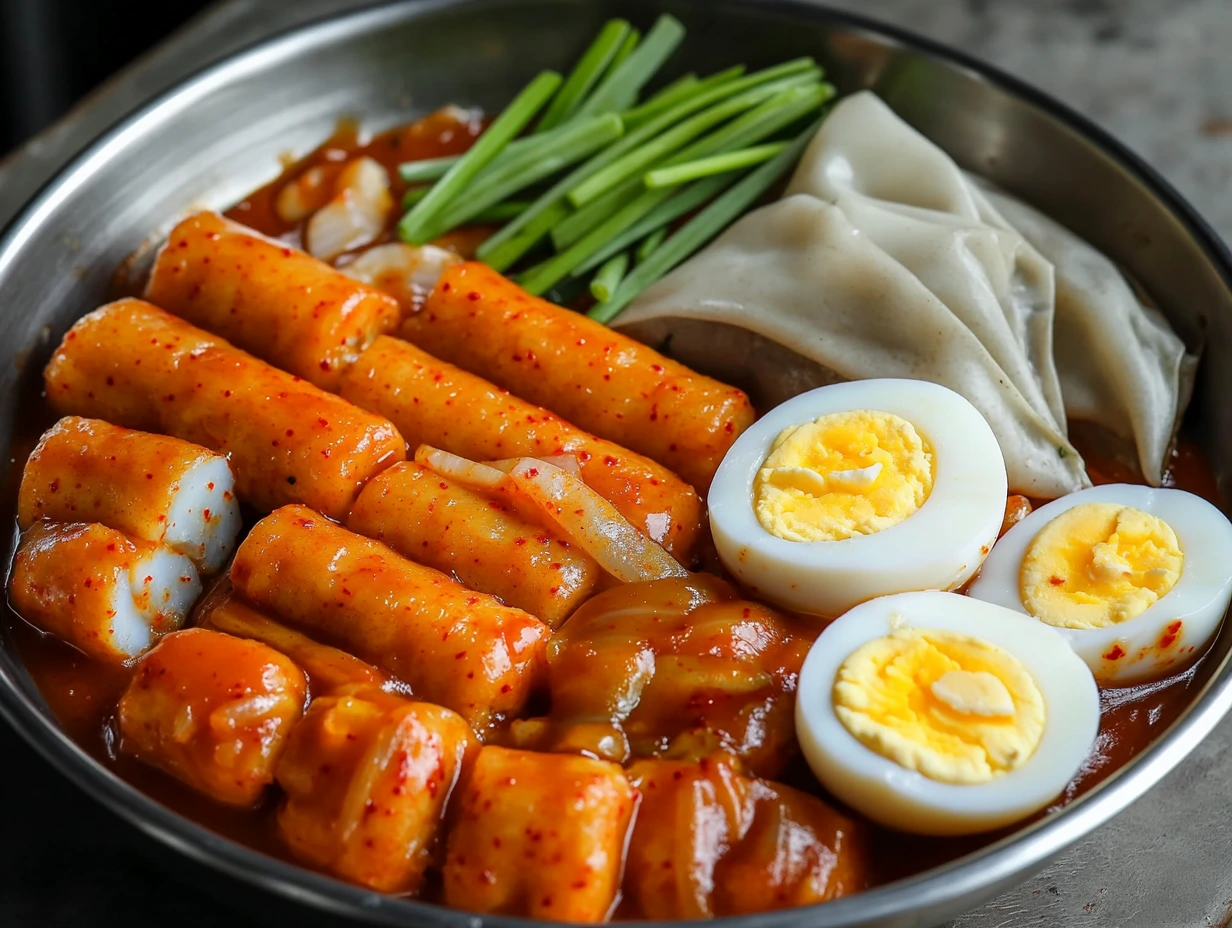
Tteokbokki is chewy Korean rice cakes simmered in a glossy gochujang sauce with fish cake, spring onion and boiled egg. This version uses measured ingredients, clear visual cues and the traditional flavour balance that makes the dish distinctive.
10 minsPrep time
18 minsCook time
Serves 4Servings
EasyDifficulty
Nutrition
Estimated nutrition per serving
These figures are estimates per serving. Actual nutrition can vary with the brands and exact amounts you use, how much oil, dressing or sauce is absorbed, any substitutions or added extras, and the portion size served.A practical guide for comparing recipes and planning meals.
505Calories
18gProtein
84gCarbs
11gFat
Ingredients
What you need
- 500 cylindrical Korean rice cakes
- 180 Korean fish cake sheets, cut into strips
- 700 anchovy-kelp stock
- 55 gochujang
- 2 gochugaru
- 15 soy sauce
- 20 sugar
- 8 Garlic, finely grated
- 80 Spring onions, cut into 5 cm lengths
- 2 boiled eggs, peeled
- 1 toasted sesame seeds
Method
Step-by-step method
Follow the recipe in order, tasting and adjusting seasoning where needed.
- If the rice cakes are refrigerated and firm, soak them in warm water for 10 minutes, then drain. Fresh soft rice cakes can go straight into the pan.
- Bring the anchovy-kelp stock to a simmer in a wide saucepan. Whisk in gochujang, gochugaru, soy sauce, sugar and garlic until the paste is fully dispersed.
- Add the rice cakes and simmer briskly for 6–8 minutes, stirring often with a wooden spoon. The starch released from the rice cakes should start thickening the sauce.
- Add the fish cake strips and spring onions. Continue simmering for another 4–5 minutes, turning the rice cakes so they cook evenly and do not stick to the pan.
- Add the boiled eggs for the final 2 minutes to warm them and coat them in sauce. If the sauce becomes too tight before the rice cakes are tender, loosen it with a splash of hot water.
- Serve as soon as the sauce is thick, glossy and clings to each rice cake. Scatter with sesame seeds and spoon plenty of sauce around the eggs.
Cook smarter
Tips, storage and serving advice
Shopping tips
Ingredient quality
Common mistakes
Chef’s tips
How to know it is cooked
Plating advice
Cook next
View cuisine More Korean recipes
Keep exploring the country’s food story through related starters, mains and desserts.
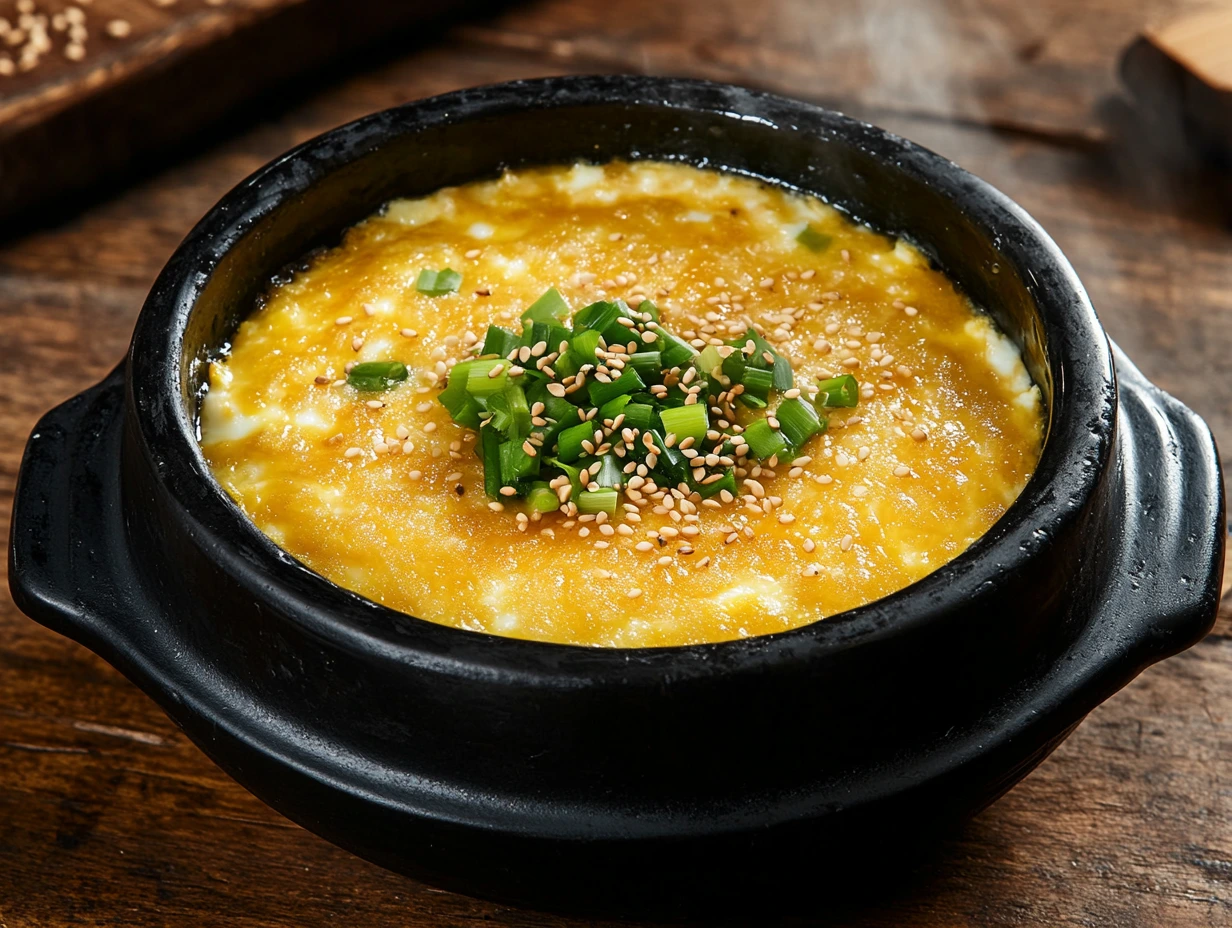
Gyeran-jjim
Gyeran-jjim is a softly steamed Korean egg custard that rises into a delicate, savoury cloud in a h…
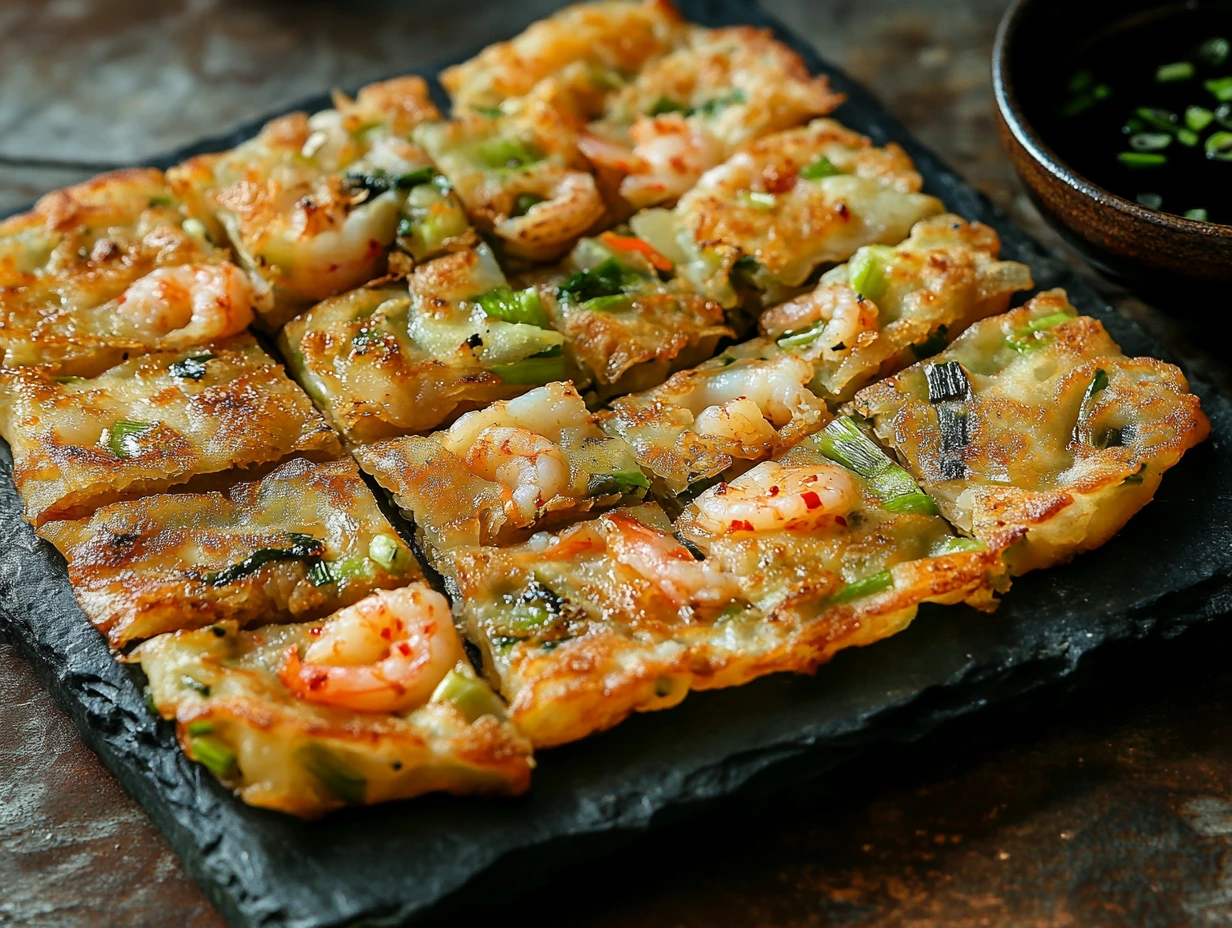
Haemul Pajeon
Haemul Pajeon is a crisp-edged Korean spring-onion pancake filled with seafood and served with a sh…
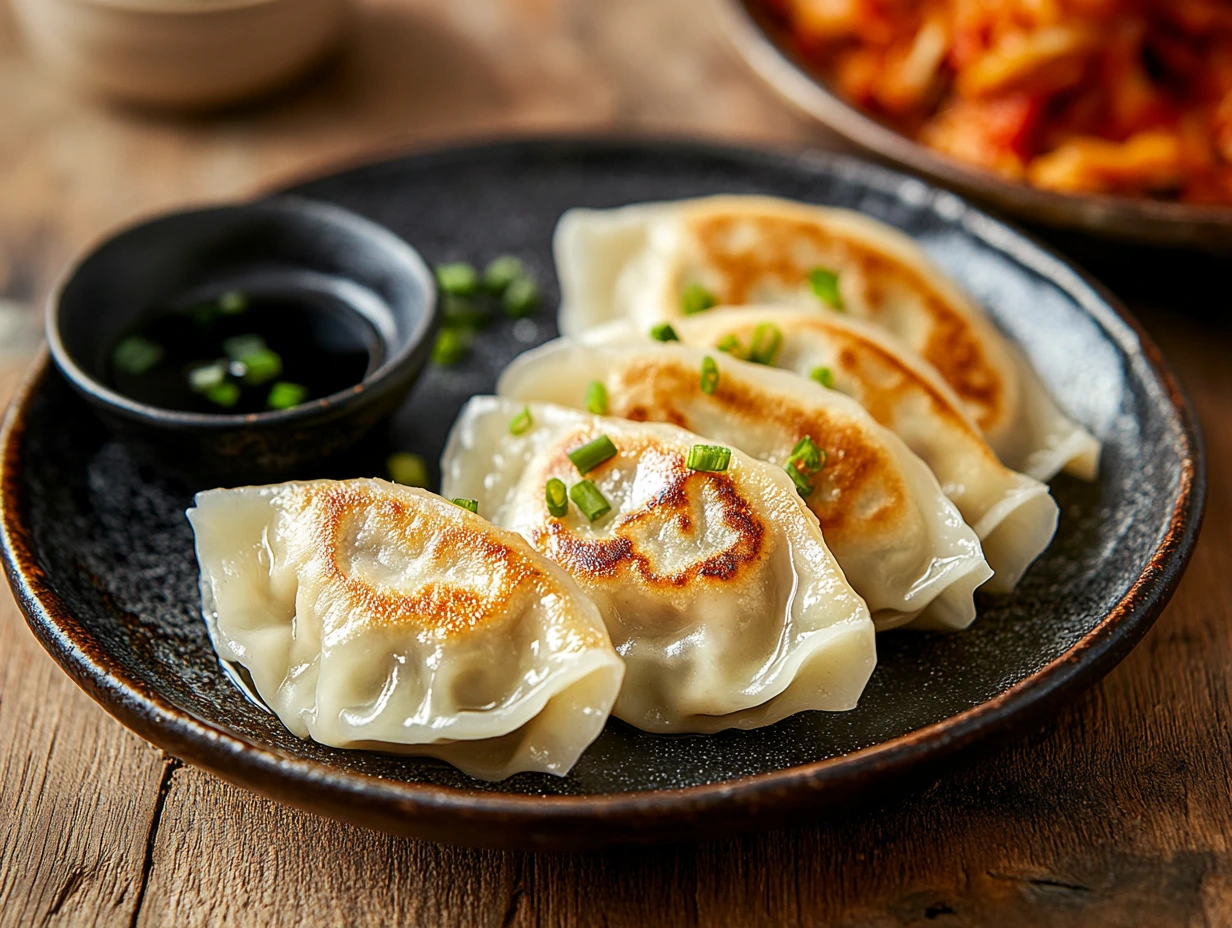
Mandu
Mandu is Korean dumplings with a juicy pork, tofu, kimchi and chive filling, pan-fried so the bases…
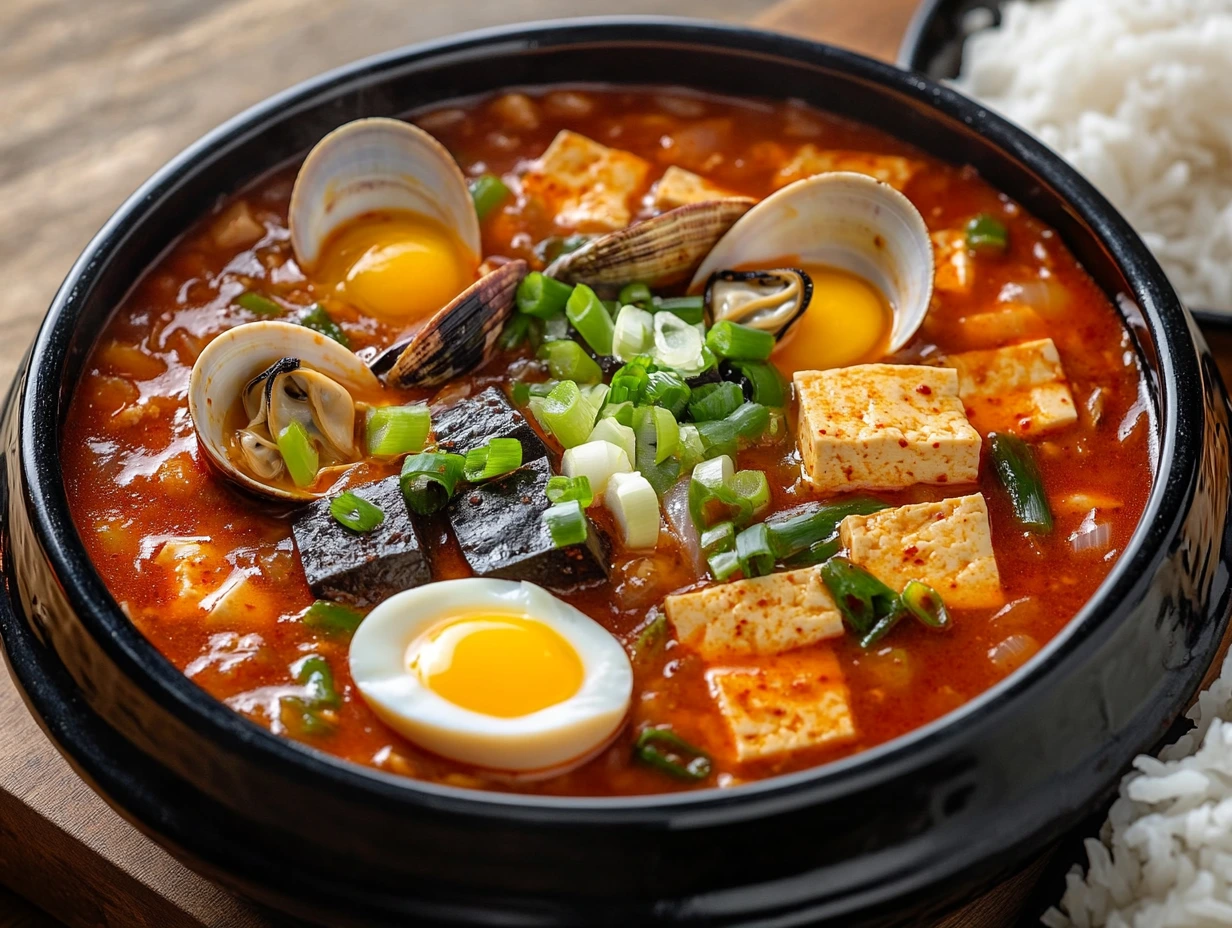
Sundubu-jjigae
Sundubu-jjigae is a fiery Korean soft-tofu stew with pork, clams and egg in a red chilli broth. Thi…