Korean Dessert

Hotteok

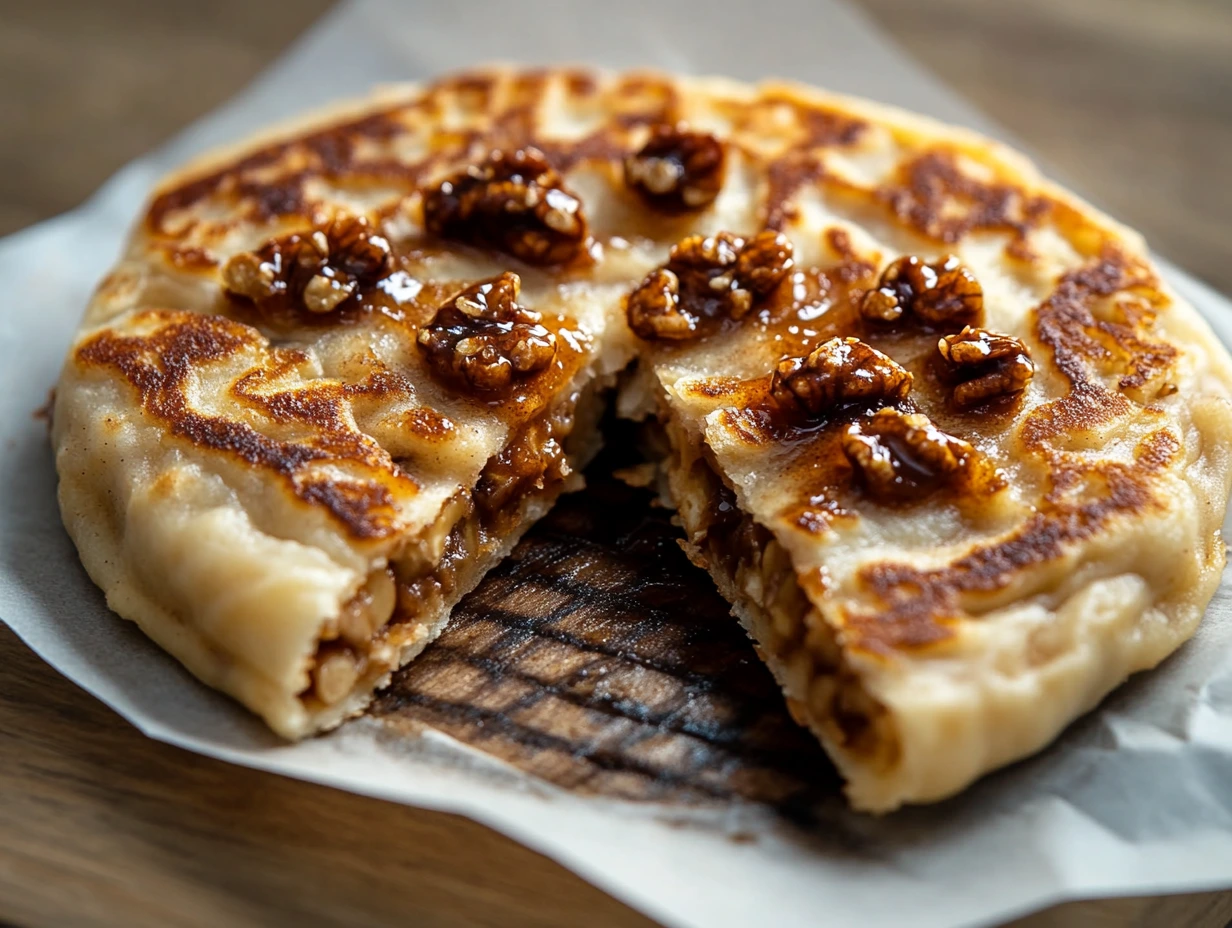
Hotteok is Korean griddle pancakes with a crisp, chewy yeast dough and a molten brown-sugar, cinnamon and nut filling. This version uses measured ingredients, clear visual cues and the traditional flavour balance that makes the dish distinctive.

35 minsPrep time
18 minsCook time
Serves 8Servings
MediumDifficulty
Hotteok
About this dish

Hotteok: the story on the plate

Hotteok is a Korean dessert with a clear sense of place. Hotteok is a beloved Korean street snack, particularly in cold weather. Its history is often linked to Chinese merchant communities in Korea, after which the filled griddle bread evolved into distinctly Korean sweet versions. The recipe below keeps the defining ingredients and technique intact while giving practical metric quantities and enough detail for a home cook to judge texture, seasoning and doneness rather than simply follow a timer.

Historical background

Hotteok is a beloved Korean street snack, particularly in cold weather. Its history is often linked to Chinese merchant communities in Korea, after which the filled griddle bread evolved into distinctly Korean sweet versions.

Why it is famous

It is winter street food: the aroma of caramelising sugar and cinnamon from hot griddles is part of the experience as much as the pancake itself.
Cultural significance

It is winter street food: the aroma of caramelising sugar and cinnamon from hot griddles is part of the experience as much as the pancake itself.
Nutrition

Estimated nutrition per serving

These figures are estimates per serving. Actual nutrition can vary with the brands and exact amounts you use, how much oil, dressing or sauce is absorbed, any substitutions or added extras, and the portion size served.

A practical guide for comparing recipes and planning meals.

310Calories
6gProtein
50gCarbs
10gFat
Ingredients

What you need

  • 300 strong white flour
  • 5 instant yeast
  • 20 caster sugar
  • 4 fine salt
  • 180 warm milk
  • 15 neutral cooking oil, plus extra for frying
  • 100 dark brown sugar
  • 1 ground cinnamon
  • 45 Walnuts, finely chopped
  • 15 toasted sesame seeds
Method

Step-by-step method

Follow the recipe in order, tasting and adjusting seasoning where needed.

  1. Mix flour, yeast, caster sugar and salt. Add warm milk and 15 ml oil and stir into a sticky, soft dough; it should be much looser than bread dough.
  2. Cover and leave for 60–75 minutes until visibly puffy and roughly doubled. Oil your hands rather than adding lots of flour, which would make the cooked pancakes tough.
  3. Mix brown sugar, cinnamon, walnuts and sesame seeds. Divide the risen dough into eight portions with oiled hands.
  4. Flatten one portion in your palm, add a generous tablespoon of filling and pinch the dough firmly over it. Keep the seam centred so melted sugar is less likely to escape.
  5. Place seam-side down in a lightly oiled frying pan over medium heat. Cook for 1 minute, then press firmly with a spatula or hotteok press to flatten to about 1 cm thick.
  6. Cook 2–3 minutes per side until deep golden. Rest for 2 minutes before eating because the sugar filling becomes extremely hot and fluid.
Cook smarter

Tips, storage and serving advice

Shopping tips

Buy Korean gochujang, gochugaru and doenjang from a Korean grocer where possible. Use short-grain rice rather than long-grain rice, and choose well-fermented kimchi for cooked dishes. Check labels on compound ingredients such as sauces, spice blends, stocks, kimchi, fermented pastes and prepared breads when cooking for allergies.

Ingredient quality

For Hotteok, prioritise fresh or properly stored versions of strong white flour, instant yeast, caster sugar, fine salt; speciality seasonings should smell vivid rather than stale.

Common mistakes

Dry dough prevents a chewy texture; poor sealing leaks sugar into the pan; high heat burns the outside before the dough cooks through.

Chef’s tips

Keep hands and work surface lightly oiled. Medium heat gives the sugar time to melt while the dough cooks all the way through.

How to know it is cooked

Both sides are deep golden, the centre feels springy rather than doughy, and the filling is melted when cut after a short rest.

Plating advice

Serve whole in paper sleeves or halve to reveal the glossy filling.