Korean Main

Japchae

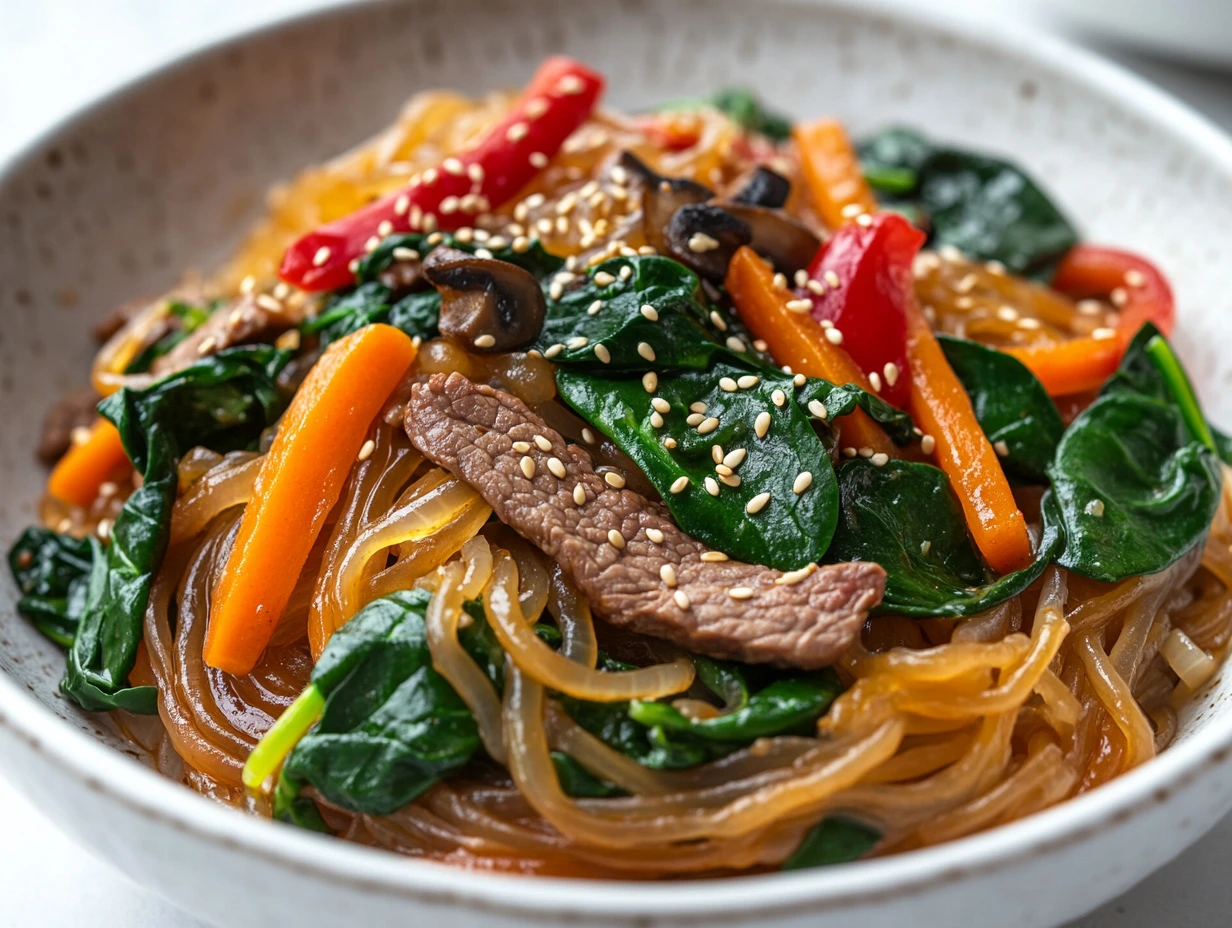
Japchae is chewy sweet-potato glass noodles tossed with beef, mushrooms and colourful vegetables in a sesame-soy dressing. This version uses measured ingredients, clear visual cues and the traditional flavour balance that makes the dish distinctive.

35 minsPrep time
20 minsCook time
Serves 4Servings
MediumDifficulty
Japchae
About this dish

Japchae: the story on the plate

Japchae is a Korean main with a clear sense of place. Japchae developed as a court dish in the Joseon period, though the now-essential sweet-potato starch noodles were a later addition. It has become a standard celebration and party dish across Korea. The recipe below keeps the defining ingredients and technique intact while giving practical metric quantities and enough detail for a home cook to judge texture, seasoning and doneness rather than simply follow a timer.

Historical background

Japchae developed as a court dish in the Joseon period, though the now-essential sweet-potato starch noodles were a later addition. It has become a standard celebration and party dish across Korea.

Why it is famous

Because it can be prepared ahead and served warm or room temperature, japchae is closely associated with birthdays, holidays and large shared tables.
Cultural significance

Because it can be prepared ahead and served warm or room temperature, japchae is closely associated with birthdays, holidays and large shared tables.
Nutrition

Estimated nutrition per serving

These figures are estimates per serving. Actual nutrition can vary with the brands and exact amounts you use, how much oil, dressing or sauce is absorbed, any substitutions or added extras, and the portion size served.

A practical guide for comparing recipes and planning meals.

555Calories
24gProtein
86gCarbs
14gFat
Ingredients

What you need

  • 300 Korean sweet potato noodles
  • 220 beef sirloin, thinly sliced
  • 120 shiitake mushrooms, sliced
  • 180 spinach
  • 120 carrot, julienned
  • 120 red pepper, thinly sliced
  • 150 onion, thinly sliced
  • 65 soy sauce
  • 25 brown sugar
  • 30 toasted sesame oil
  • 12 Garlic, grated
  • 20 neutral cooking oil
  • 2 toasted sesame seeds
Method

Step-by-step method

Follow the recipe in order, tasting and adjusting seasoning where needed.

  1. Mix 20 ml soy sauce, 5 ml sesame oil, a teaspoon of sugar and half the garlic with the beef. Leave it while you prepare the vegetables.
  2. Blanch the spinach for 30 seconds, cool, squeeze very dry and season with a teaspoon each of soy and sesame oil. Stir-fry the onion, carrot, pepper and mushrooms separately so each keeps its own texture and colour.
  3. Boil the sweet-potato noodles according to the packet, usually 6–7 minutes, until flexible but still pleasantly chewy. Drain well and cut them once or twice with kitchen scissors so they are easier to eat.
  4. While the noodles are hot, toss them with the remaining soy sauce, sugar and sesame oil. This seasons the noodles themselves rather than relying on sauce added at the end.
  5. Sear the marinated beef over high heat for 2–3 minutes. Add the dressed noodles and all vegetables, then toss over medium heat for another 2 minutes until everything is evenly distributed and hot.
  6. Taste for soy and sesame rather than simply adding salt. Finish with sesame seeds and serve warm or at room temperature.
Cook smarter

Tips, storage and serving advice

Shopping tips

Buy Korean gochujang, gochugaru and doenjang from a Korean grocer where possible. Use short-grain rice rather than long-grain rice, and choose well-fermented kimchi for cooked dishes. Check labels on compound ingredients such as sauces, spice blends, stocks, kimchi, fermented pastes and prepared breads when cooking for allergies.

Ingredient quality

For Japchae, prioritise fresh or properly stored versions of Korean sweet potato noodles, beef sirloin, shiitake mushrooms, spinach; speciality seasonings should smell vivid rather than stale.

Common mistakes

Overcooking the noodles makes them sticky; leaving blanched spinach wet dilutes the sauce; frying all vegetables together can turn them soft and grey.

Chef’s tips

Season the hot noodles immediately after draining. Their surface absorbs the soy-sesame dressing much more evenly while warm.

How to know it is cooked

Noodles are glossy and elastic without clumping, vegetables remain bright, and no watery sauce sits at the bottom of the bowl.

Plating advice

Twirl into a shallow mound with the coloured vegetables visible throughout.