Korean Starter

Mandu

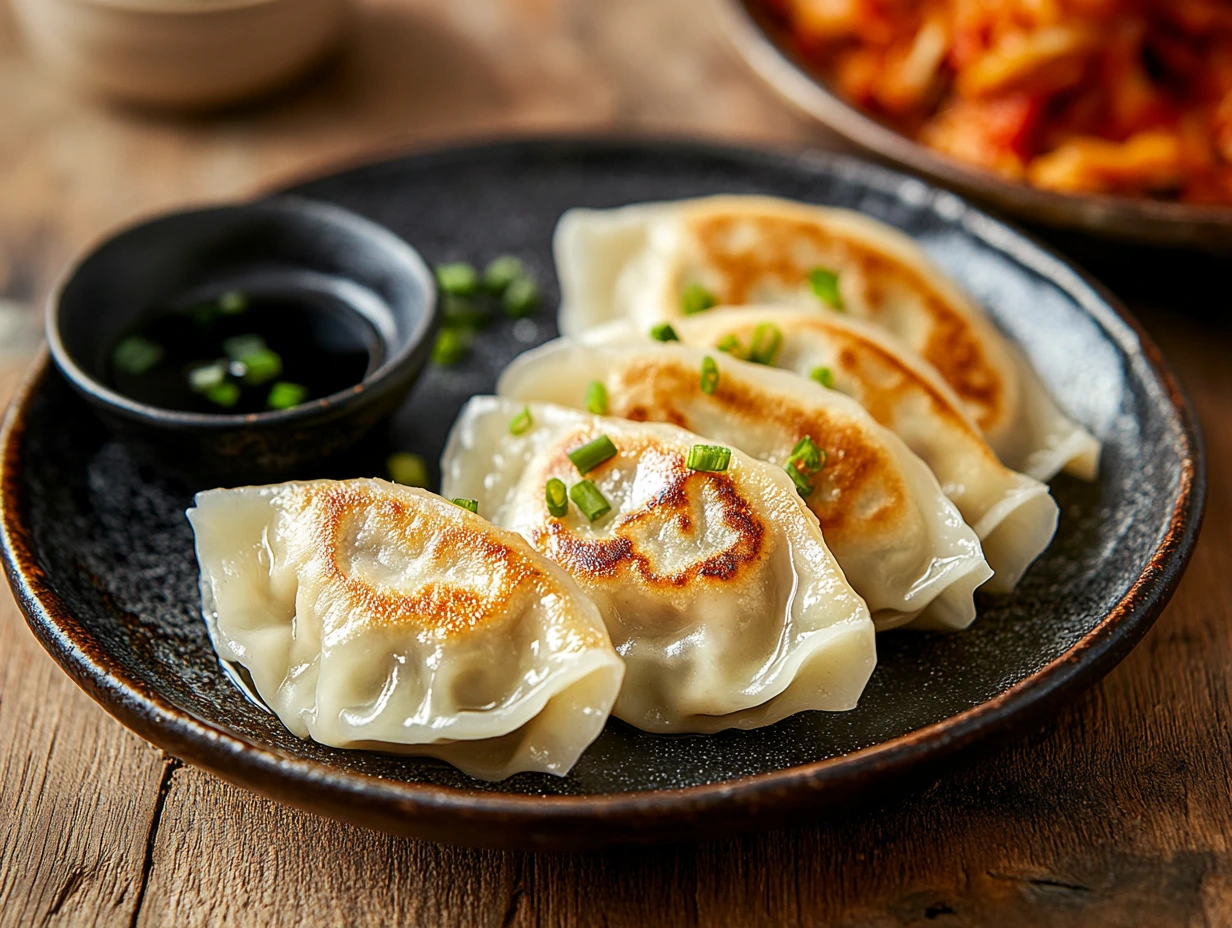
Mandu is Korean dumplings with a juicy pork, tofu, kimchi and chive filling, pan-fried so the bases become crisp while the wrappers stay tender. This version uses measured ingredients, clear visual cues and the traditional flavour balance that makes the dish distinctive.

45 minsPrep time
18 minsCook time
Serves 4Servings
MediumDifficulty
Mandu
About this dish

Mandu: the story on the plate

Mandu is a Korean starter with a clear sense of place. Mandu has been part of Korean food culture for centuries, with historical connections to northern regions and Central/East Asian dumpling traditions. Fillings vary widely and kimchi mandu became an especially recognisable modern style. The recipe below keeps the defining ingredients and technique intact while giving practical metric quantities and enough detail for a home cook to judge texture, seasoning and doneness rather than simply follow a timer.

Historical background

Mandu has been part of Korean food culture for centuries, with historical connections to northern regions and Central/East Asian dumpling traditions. Fillings vary widely and kimchi mandu became an especially recognisable modern style.

Why it is famous

Mandu appears at family tables, restaurants and on holiday menus, including Lunar New Year soups where dumplings can be served in broth.
Cultural significance

Mandu appears at family tables, restaurants and on holiday menus, including Lunar New Year soups where dumplings can be served in broth.
Nutrition

Estimated nutrition per serving

These figures are estimates per serving. Actual nutrition can vary with the brands and exact amounts you use, how much oil, dressing or sauce is absorbed, any substitutions or added extras, and the portion size served.

A practical guide for comparing recipes and planning meals.

390Calories
23gProtein
39gCarbs
17gFat
Ingredients

What you need

  • 24 round dumpling wrappers
  • 250 pork mince
  • 150 firm tofu, pressed dry
  • 120 kimchi, finely chopped and squeezed
  • 60 garlic chives, finely chopped
  • 40 Spring onions, finely sliced
  • 10 Garlic, finely grated
  • 20 soy sauce
  • 10 toasted sesame oil
  • black pepper
  • 20 neutral cooking oil
  • 80 water, for steaming
Method

Step-by-step method

Follow the recipe in order, tasting and adjusting seasoning where needed.

  1. Crumble the pressed tofu into a bowl and squeeze it firmly in a clean cloth so it is dry; excess water is the most common reason mandu fillings become loose and split the wrappers.
  2. Combine pork, tofu, kimchi, chives, spring onion, garlic, soy sauce, sesame oil and pepper. Mix in one direction for 1–2 minutes until the filling becomes tacky and holds together.
  3. Place a wrapper in your palm, add about 1 heaped teaspoon of filling and moisten the rim lightly with water. Fold into a half-moon and pinch firmly, pleating one side if you like; keep finished dumplings covered so the wrappers do not dry out.
  4. Heat a lidded frying pan with the oil. Arrange 10–12 mandu flat-side down and fry for 2–3 minutes until the bottoms are golden.
  5. Pour in about 40 ml water, immediately cover and steam for 5 minutes. Remove the lid and let the remaining water evaporate; continue frying until the bases are crisp again.
  6. Repeat with the remaining dumplings and serve hot with soy-vinegar dipping sauce or a little kimchi alongside.
Cook smarter

Tips, storage and serving advice

Shopping tips

Buy Korean gochujang, gochugaru and doenjang from a Korean grocer where possible. Use short-grain rice rather than long-grain rice, and choose well-fermented kimchi for cooked dishes. Check labels on compound ingredients such as sauces, spice blends, stocks, kimchi, fermented pastes and prepared breads when cooking for allergies.

Ingredient quality

For Mandu, prioritise fresh or properly stored versions of round dumpling wrappers, pork mince, firm tofu, kimchi; speciality seasonings should smell vivid rather than stale.

Common mistakes

Wet tofu, overfilled wrappers and trapped air cause bursting; under-seasoned filling tastes flat because the wrapper mutes flavour.

Chef’s tips

Cook a teaspoon of filling in a pan before shaping the whole batch so you can correct the seasoning without guessing.

How to know it is cooked

The wrappers look slightly translucent and supple, the pork is cooked through, and the fried bases are evenly golden rather than scorched.

Plating advice

Arrange in a fan with the crisp bases facing upwards.