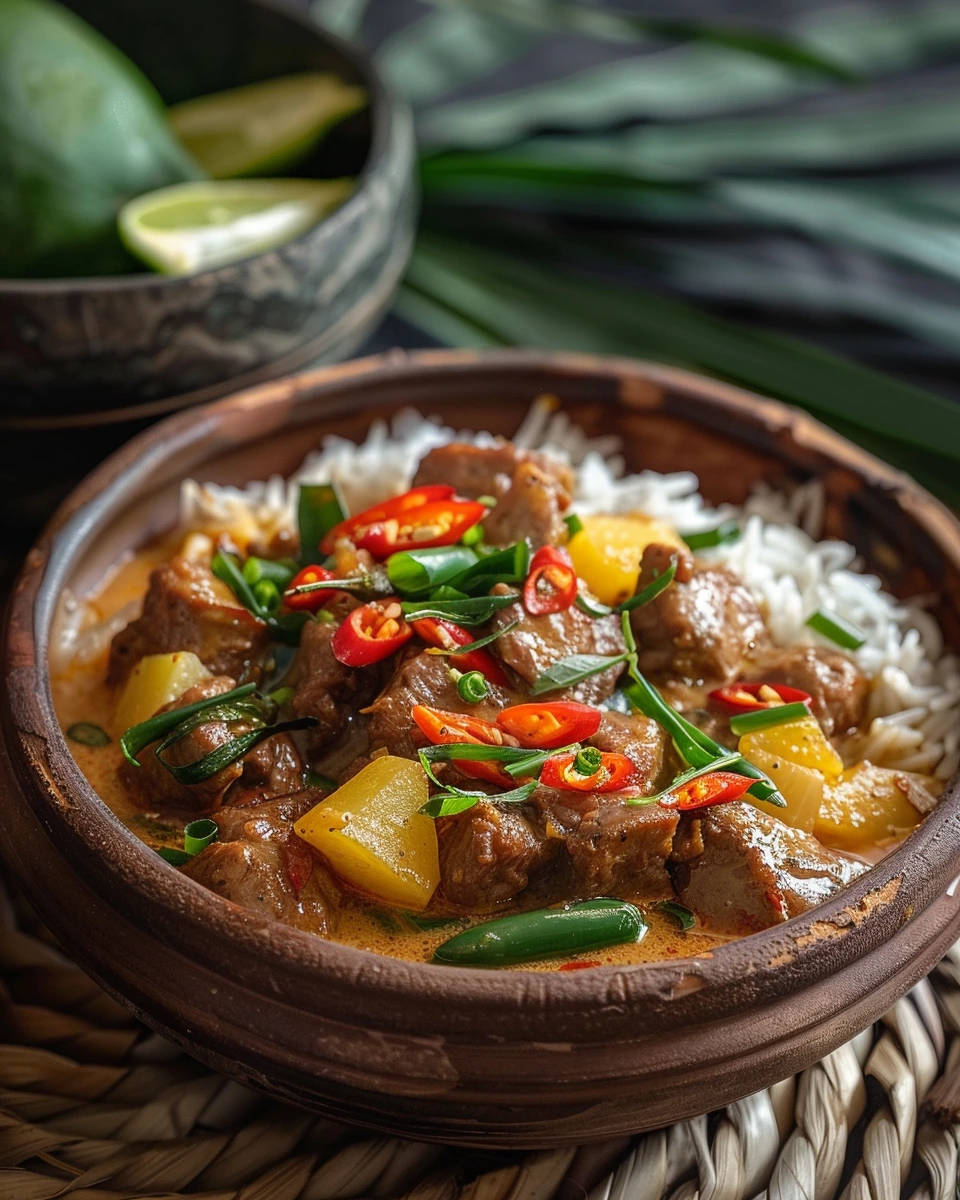
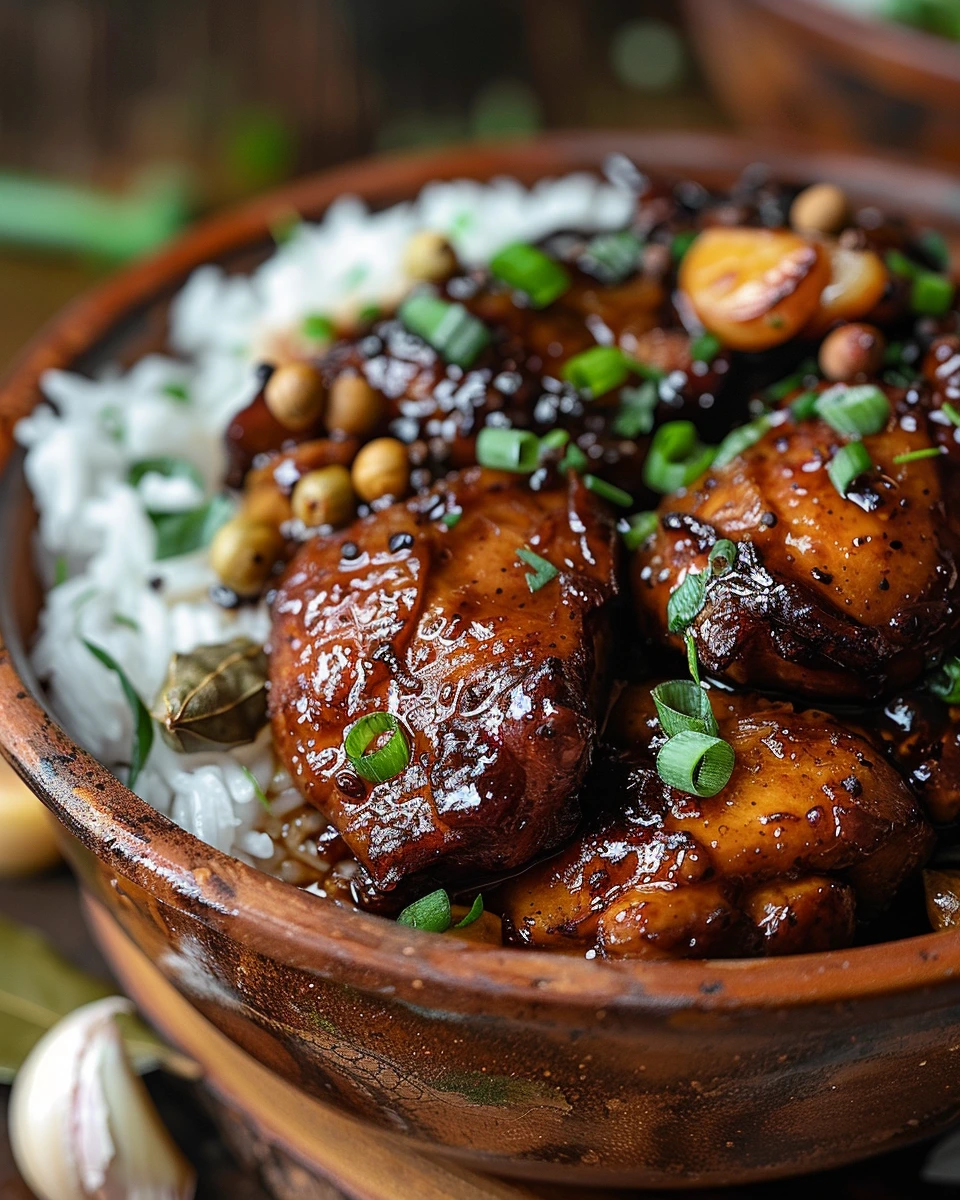
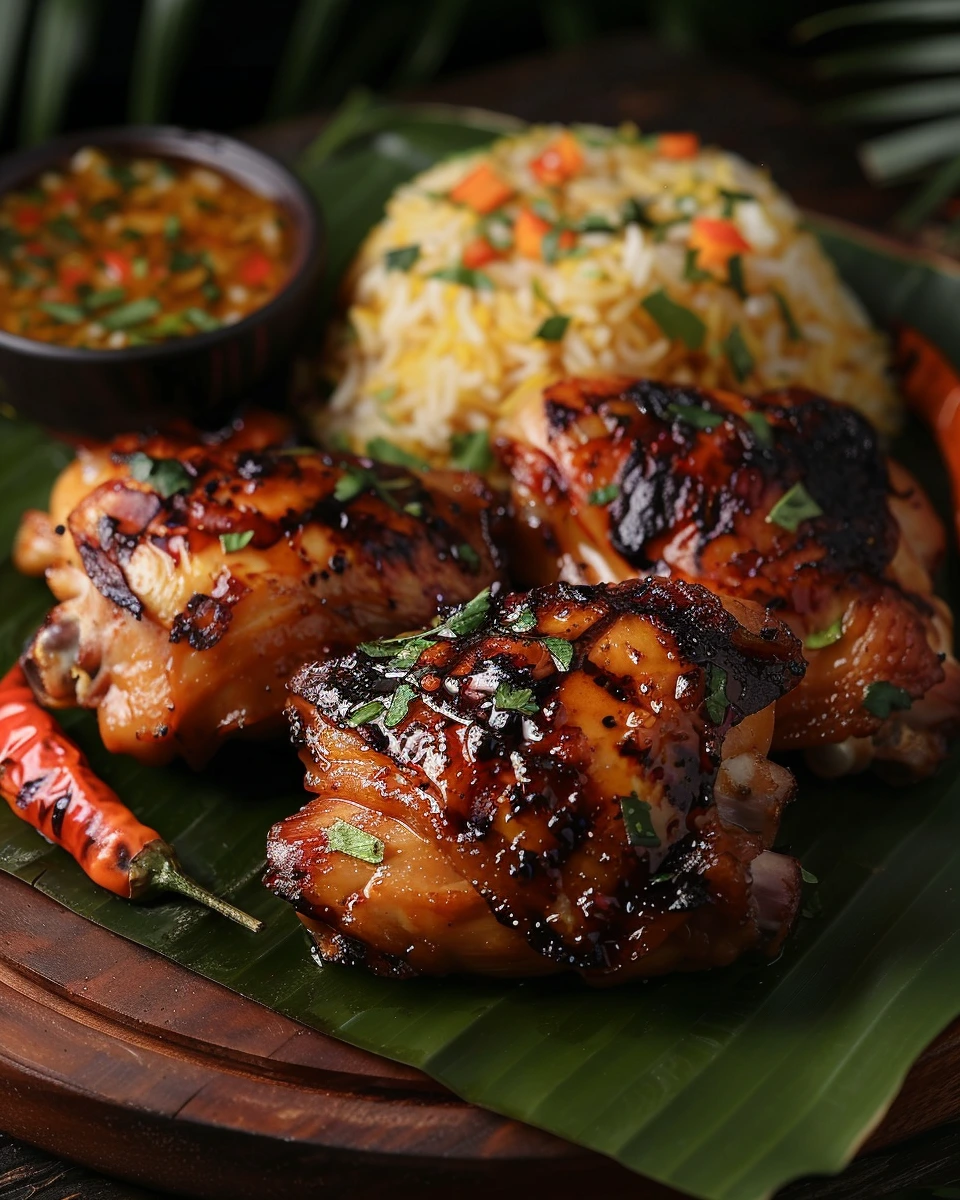
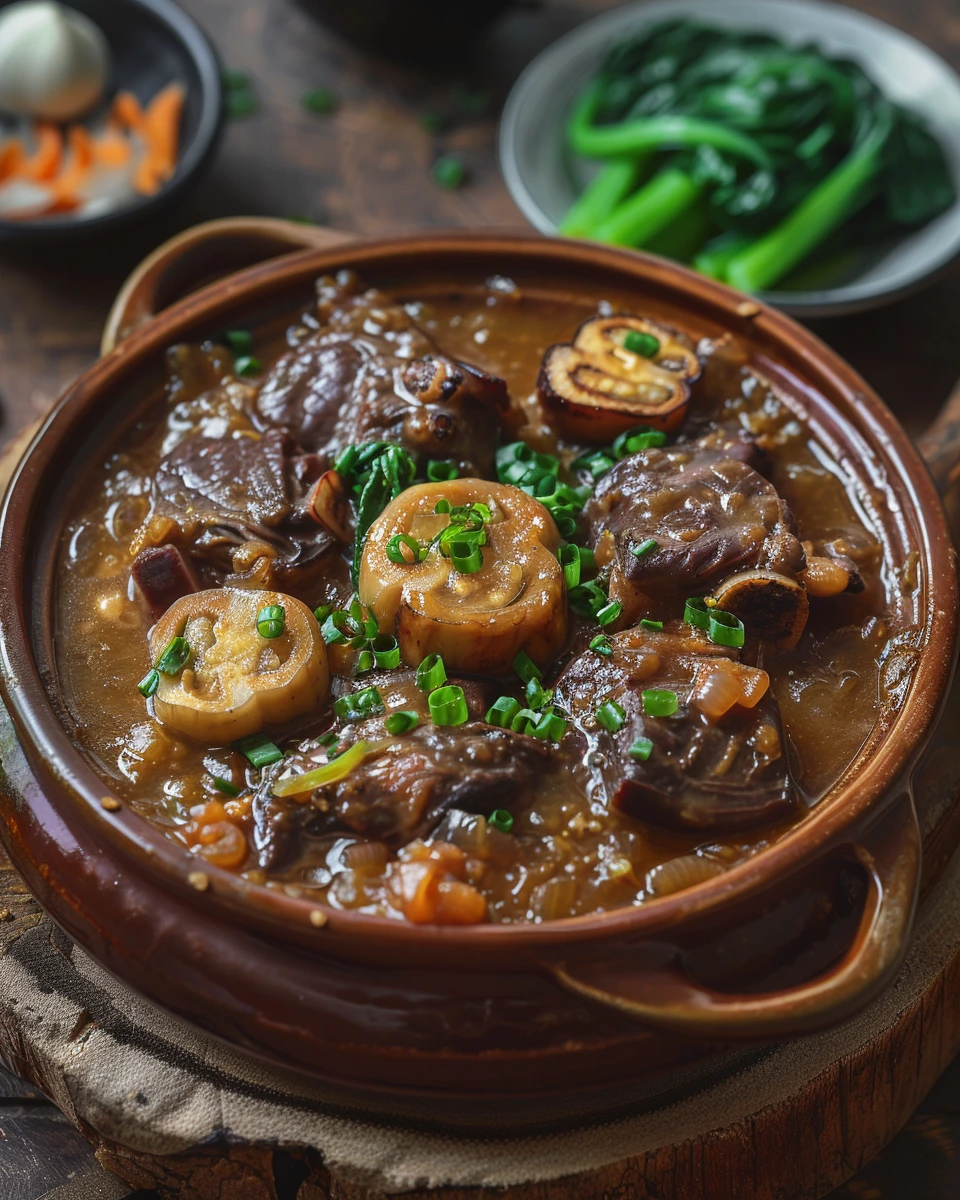
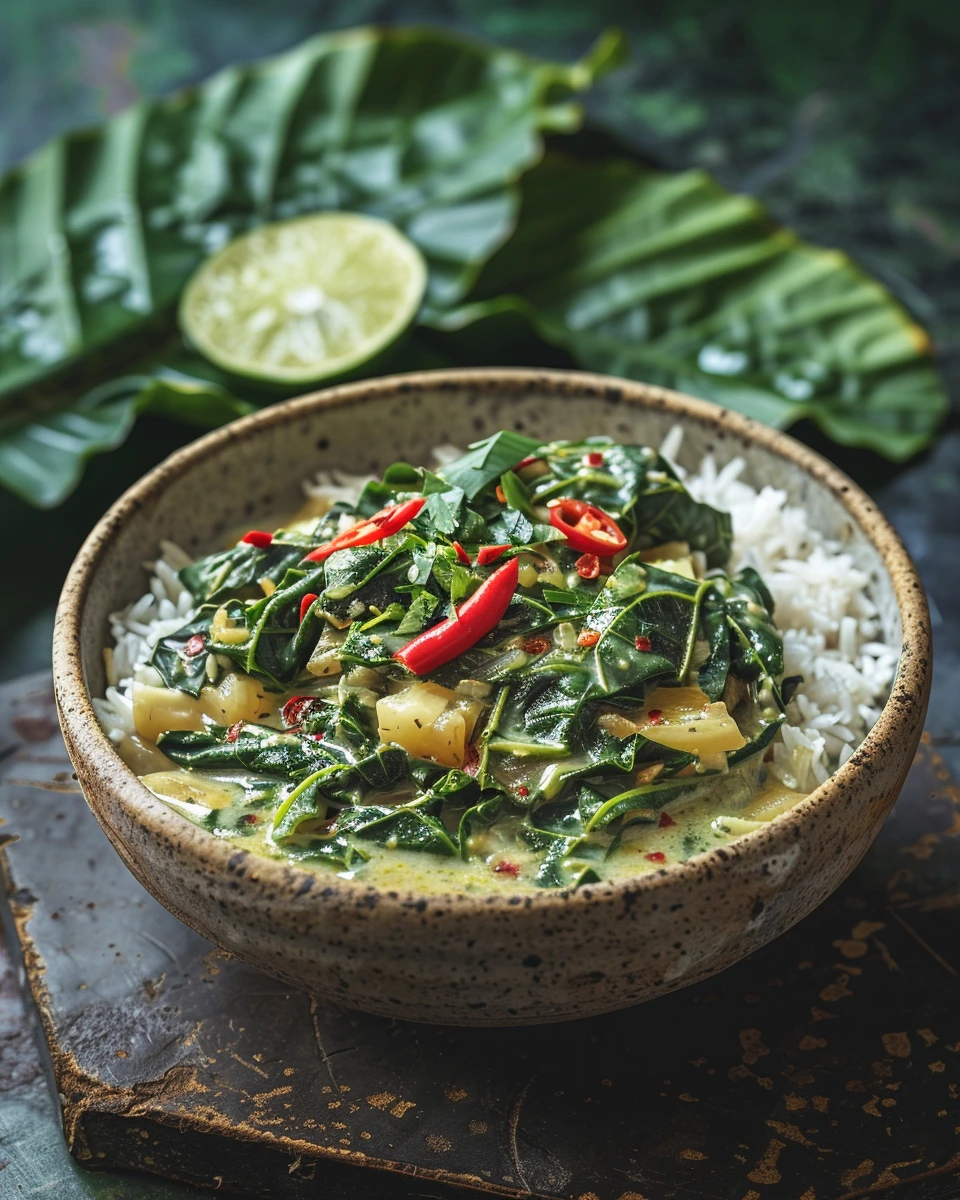
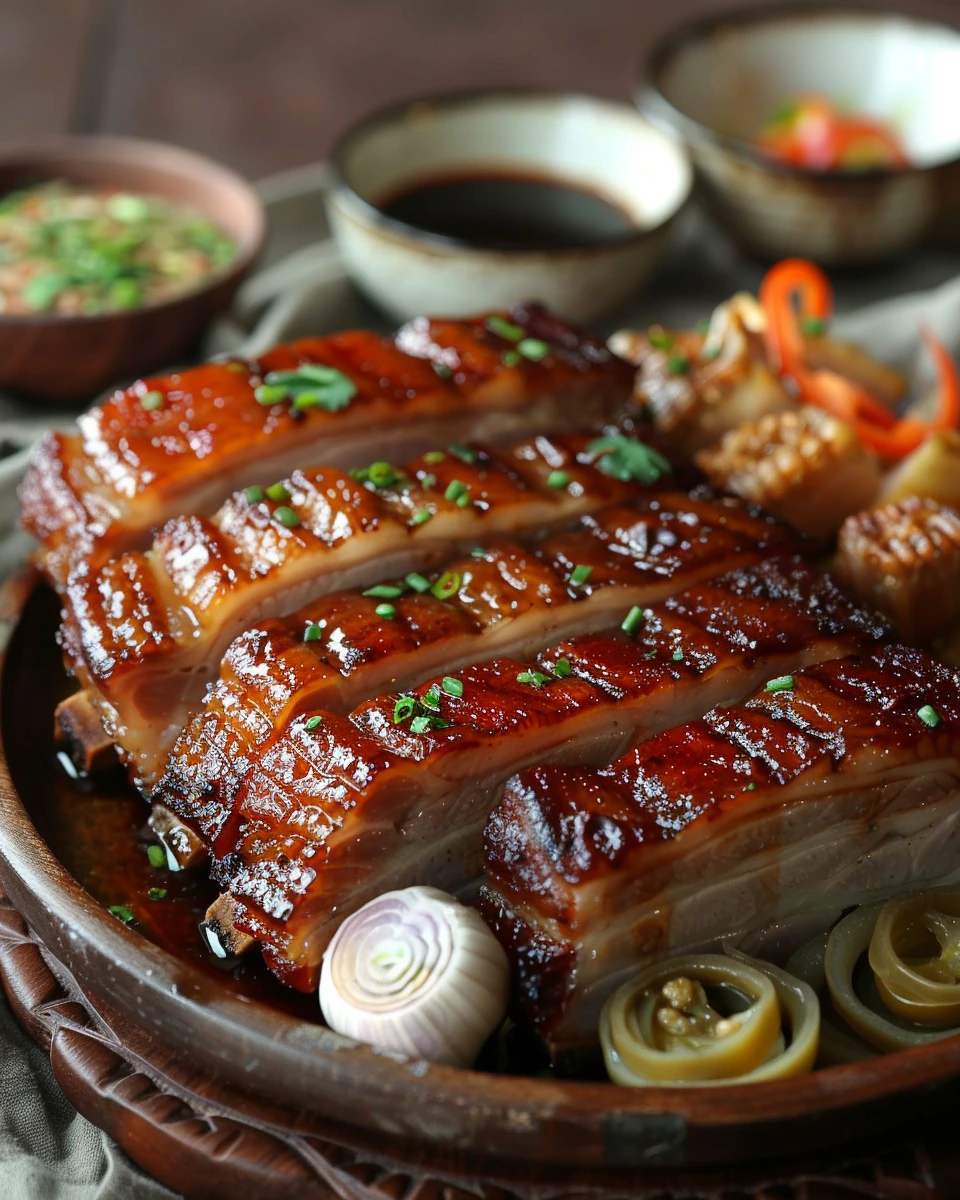
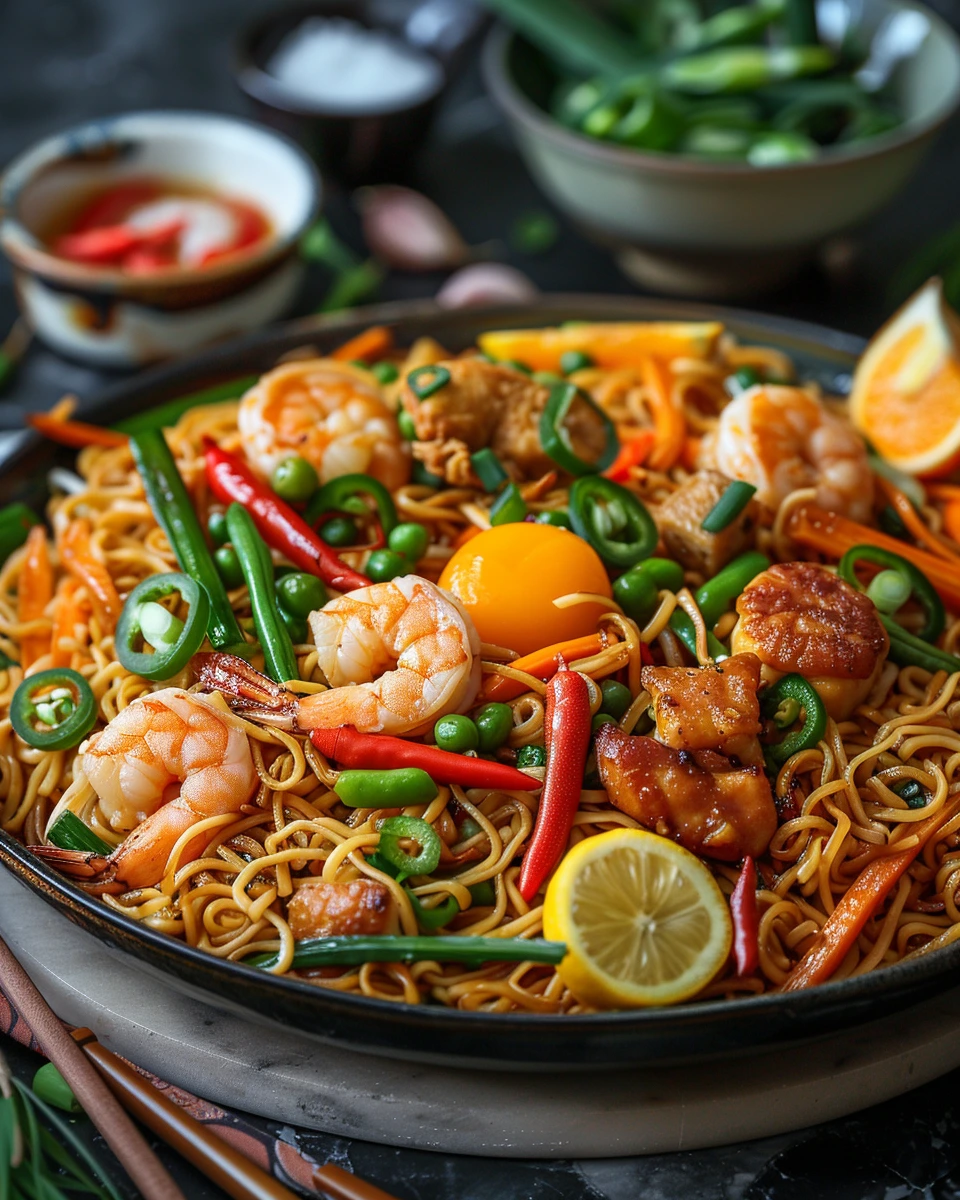
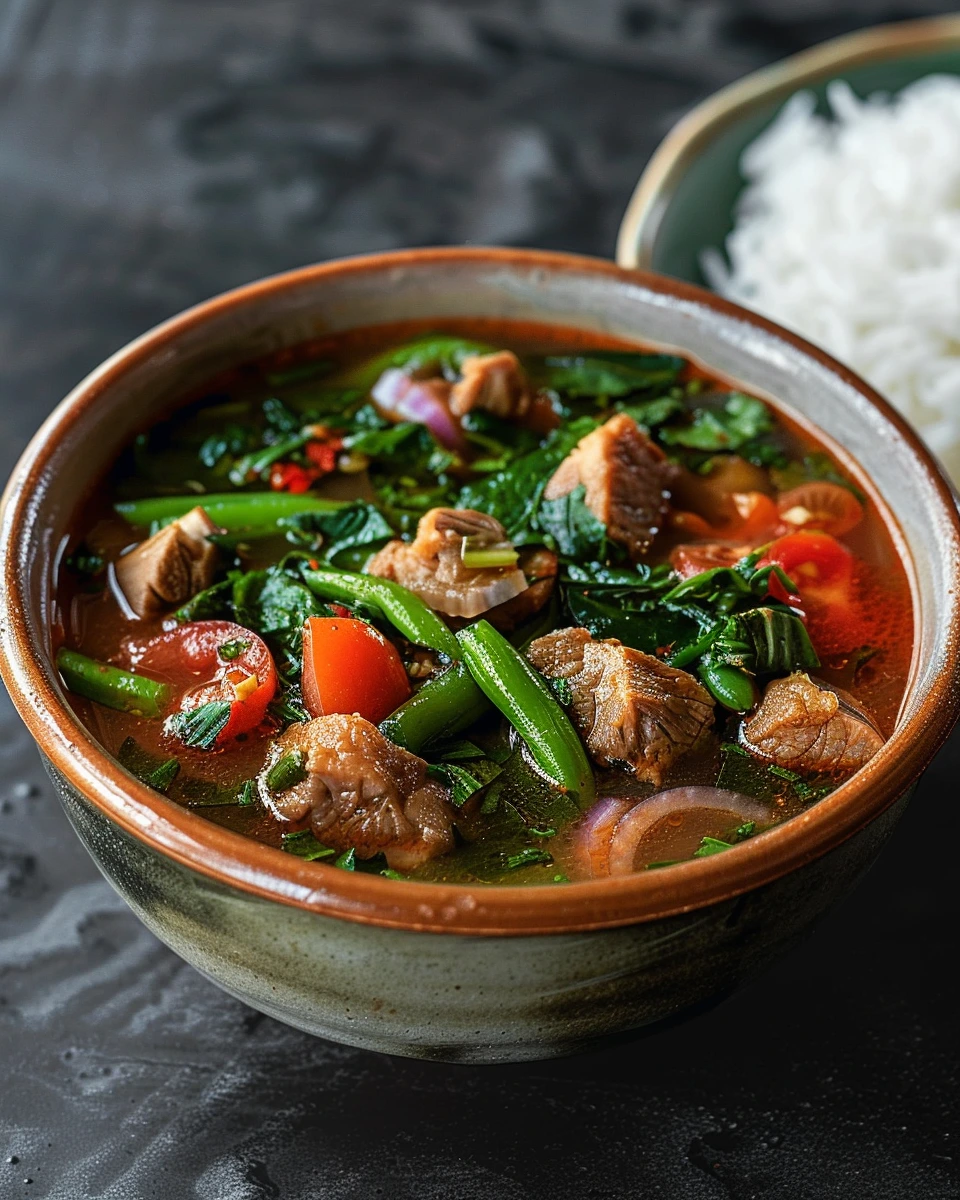
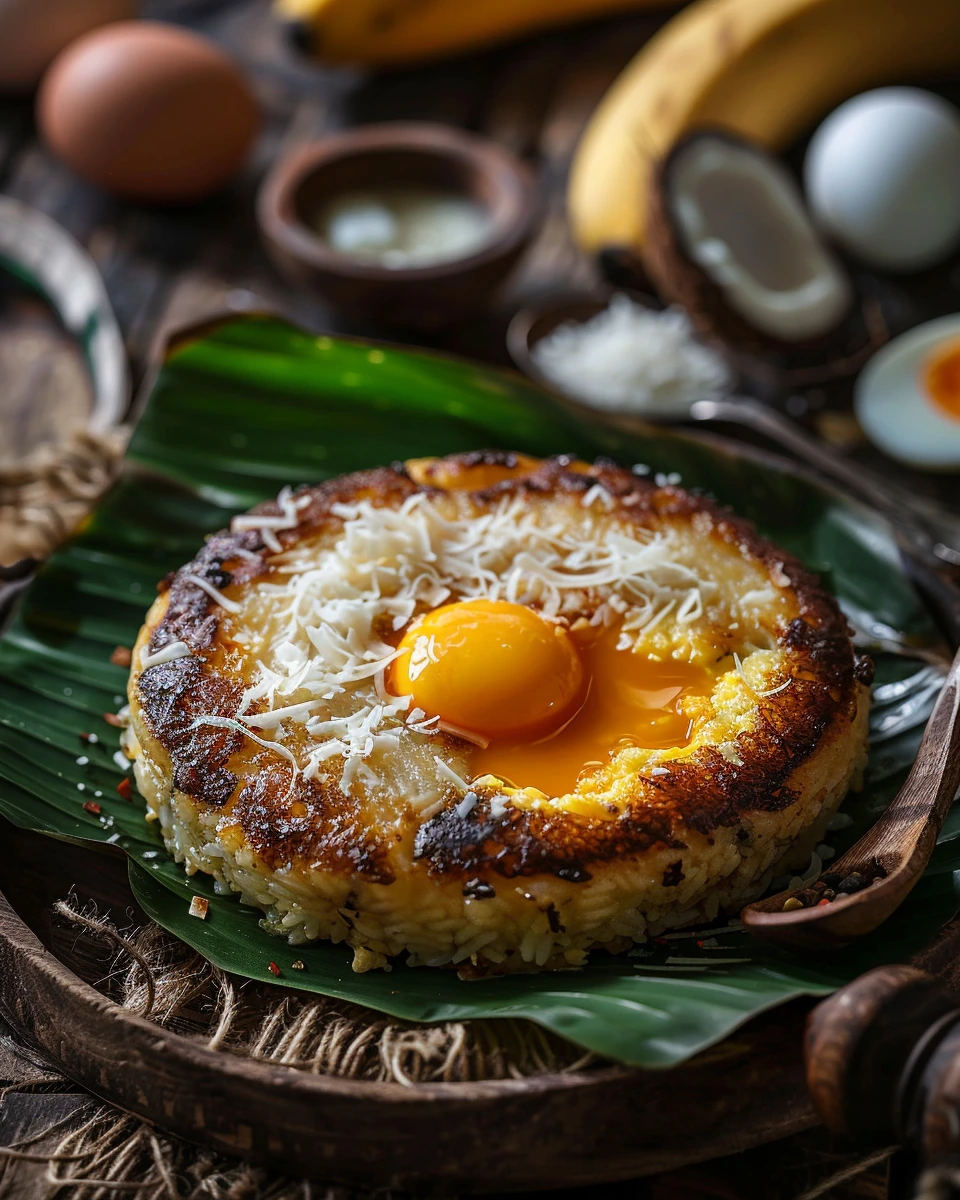
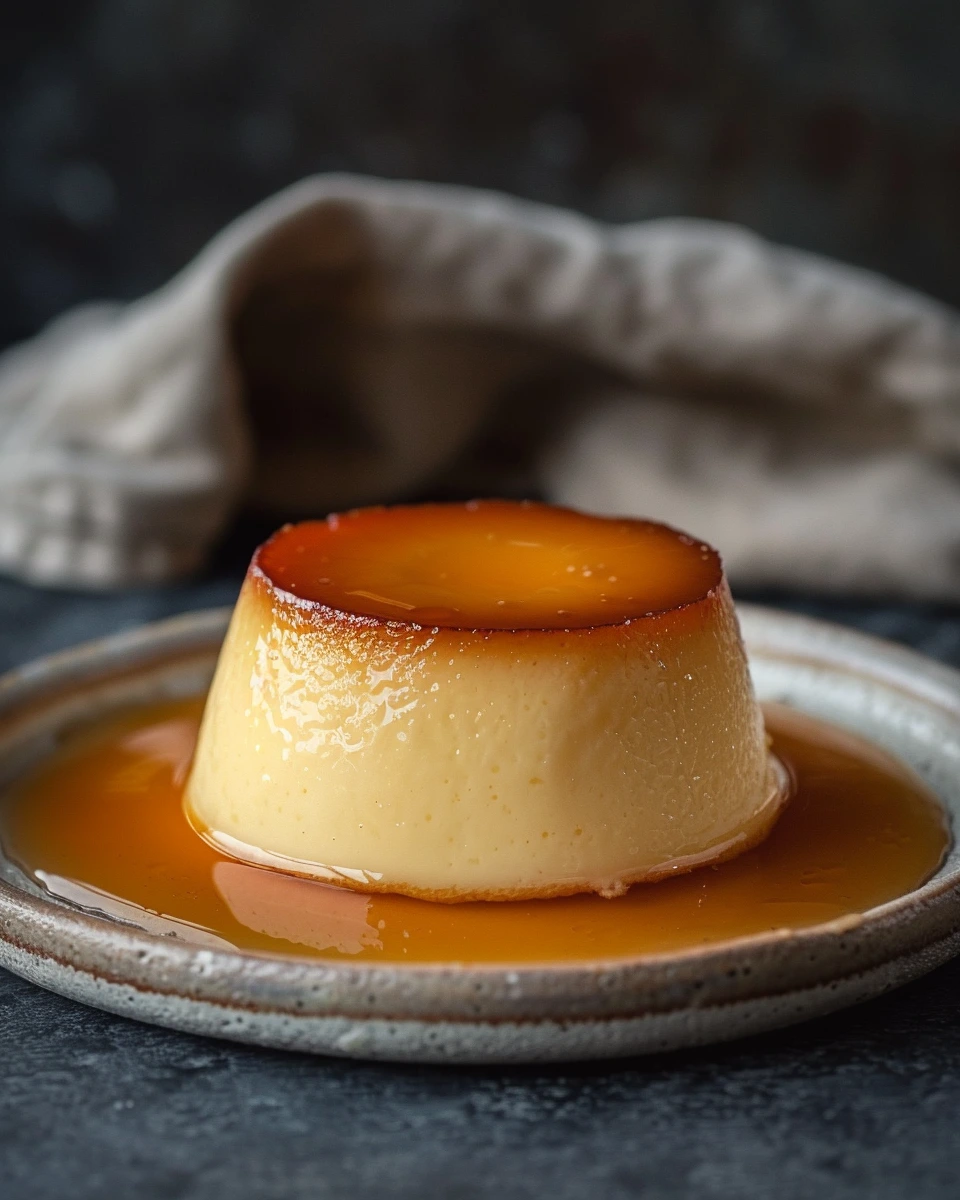
Filipino cuisine combines Austronesian foodways, regional agriculture, Chinese trade, Spanish colonial influence and American-era change. Rice, vinegar, seafood, pork, coconut and fermented seasonings create food that can be sour, savoury, smoky, sweet or deeply comforting depending on the region.
Filipino cuisine reflects Austronesian roots, centuries of regional trade, Spanish colonial rule, Chinese migration and later American influence. Vinegar, salt and fermentation were practical tools in a tropical climate, and remain central to the cuisine's character.
Why it is famous
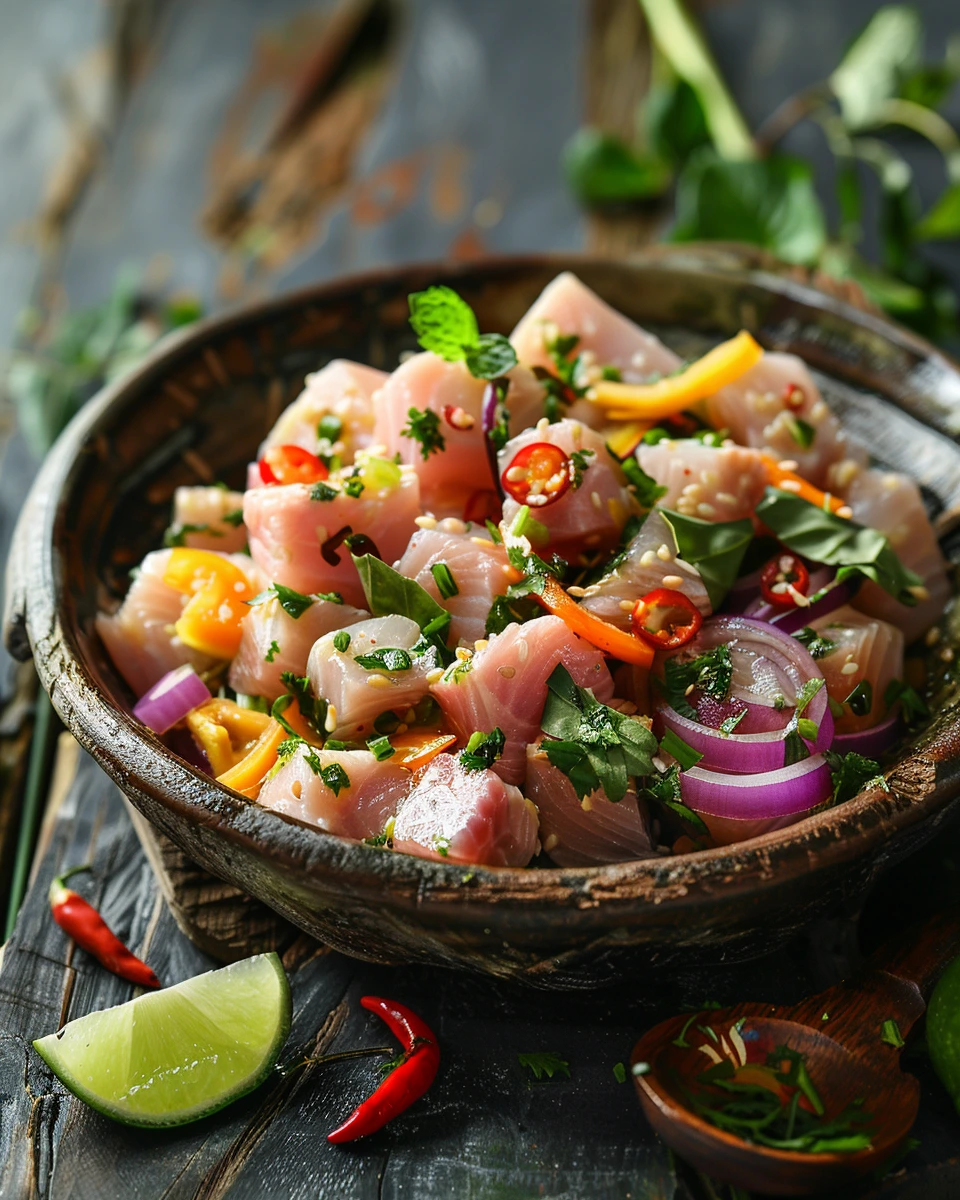
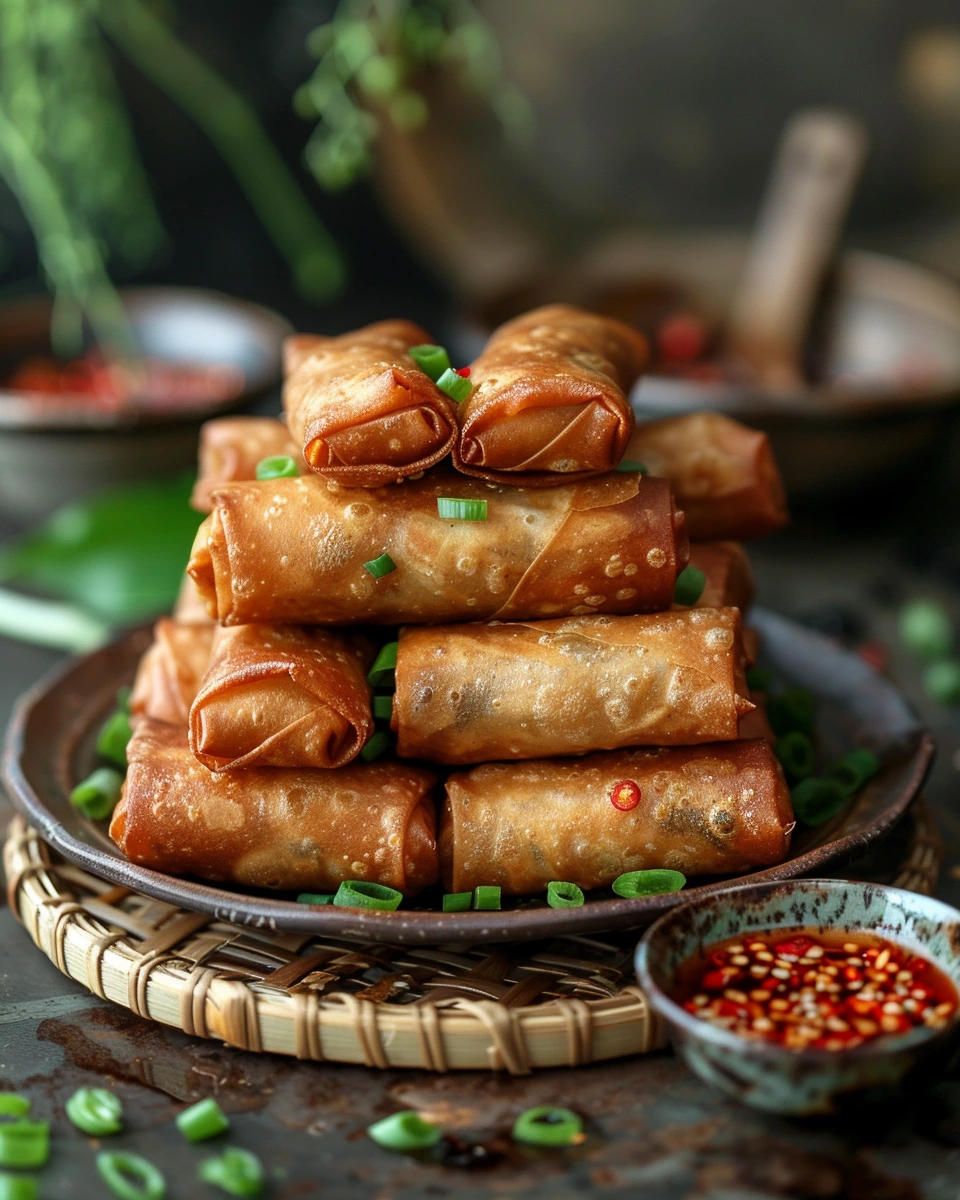
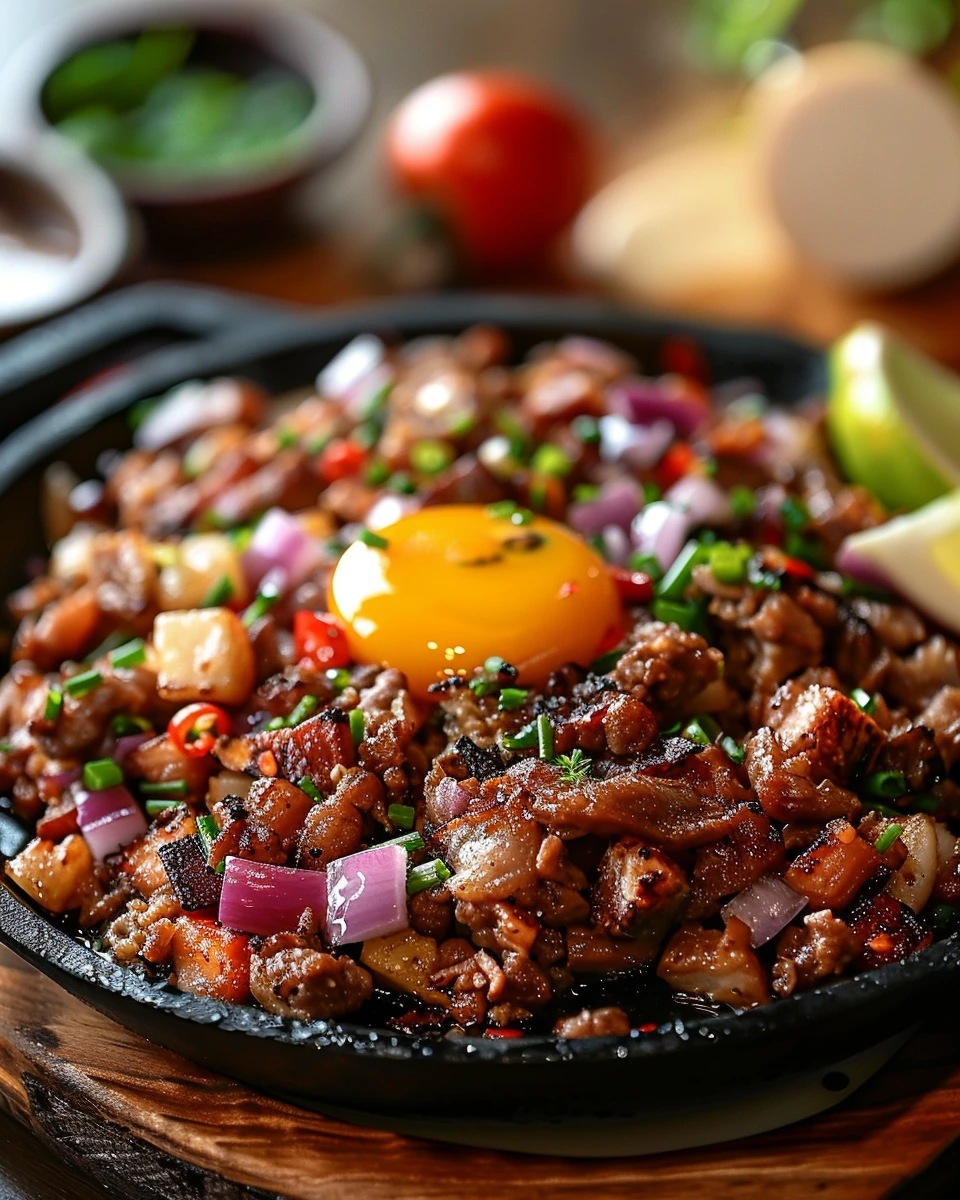
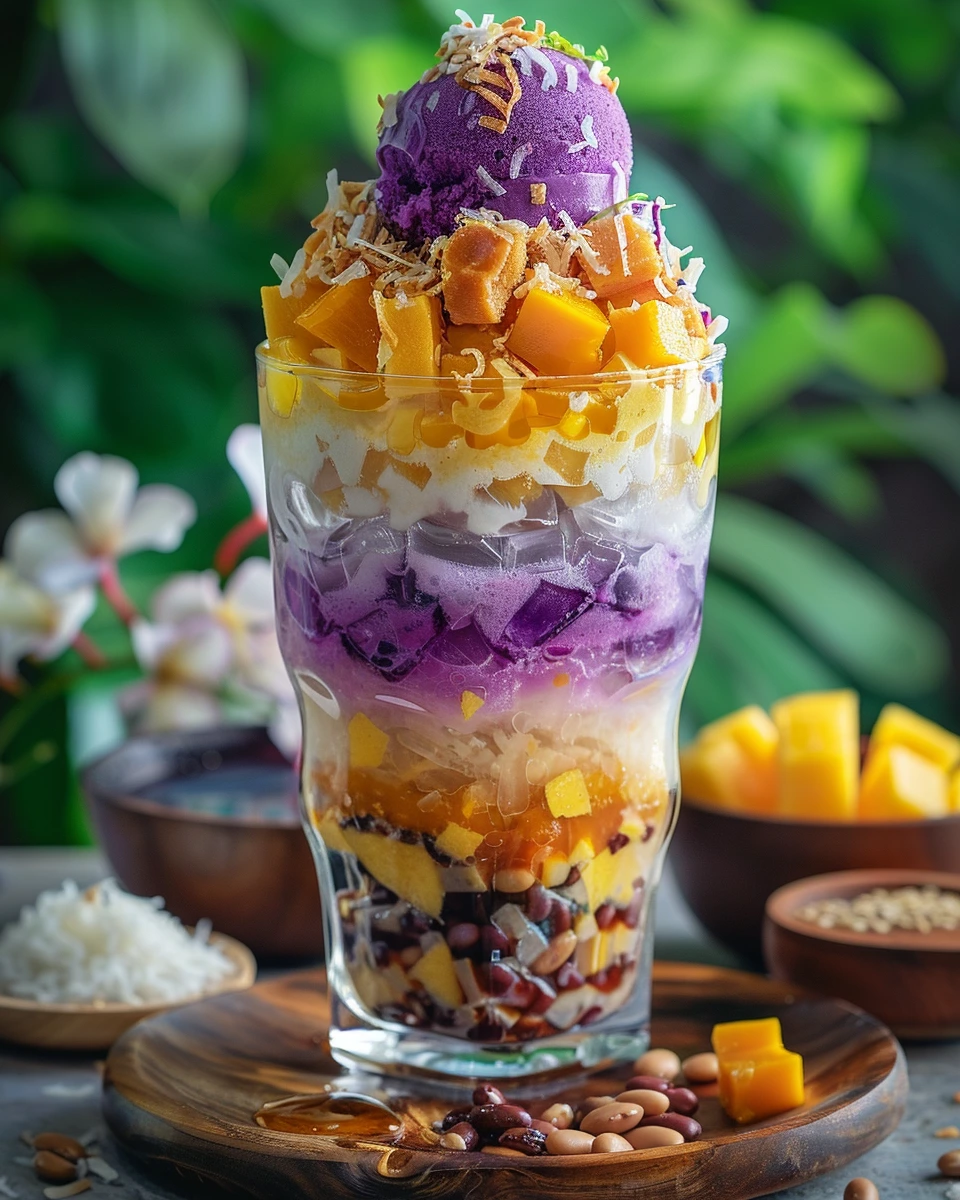
The best-known parts of Filipino cuisine include adobo, sinigang, lechon, pancit, lumpia, kare-kare, sisig, kinilaw and halo-halo. Behind them is a much broader everyday food culture, where family recipes and regional habits often reveal more about the country than the internationally famous dishes alone.
Regional food story
Luzon includes Ilocano, Kapampangan and Tagalog traditions; Bicol is known for coconut and chilli; the Visayas have strong seafood and lechon cultures; Mindanao reflects Muslim Filipino and broader Southeast Asian influences.
Cook by course
Filipino recipes
Start with a starter, choose a main, then finish with a dessert to build a complete country-inspired menu.
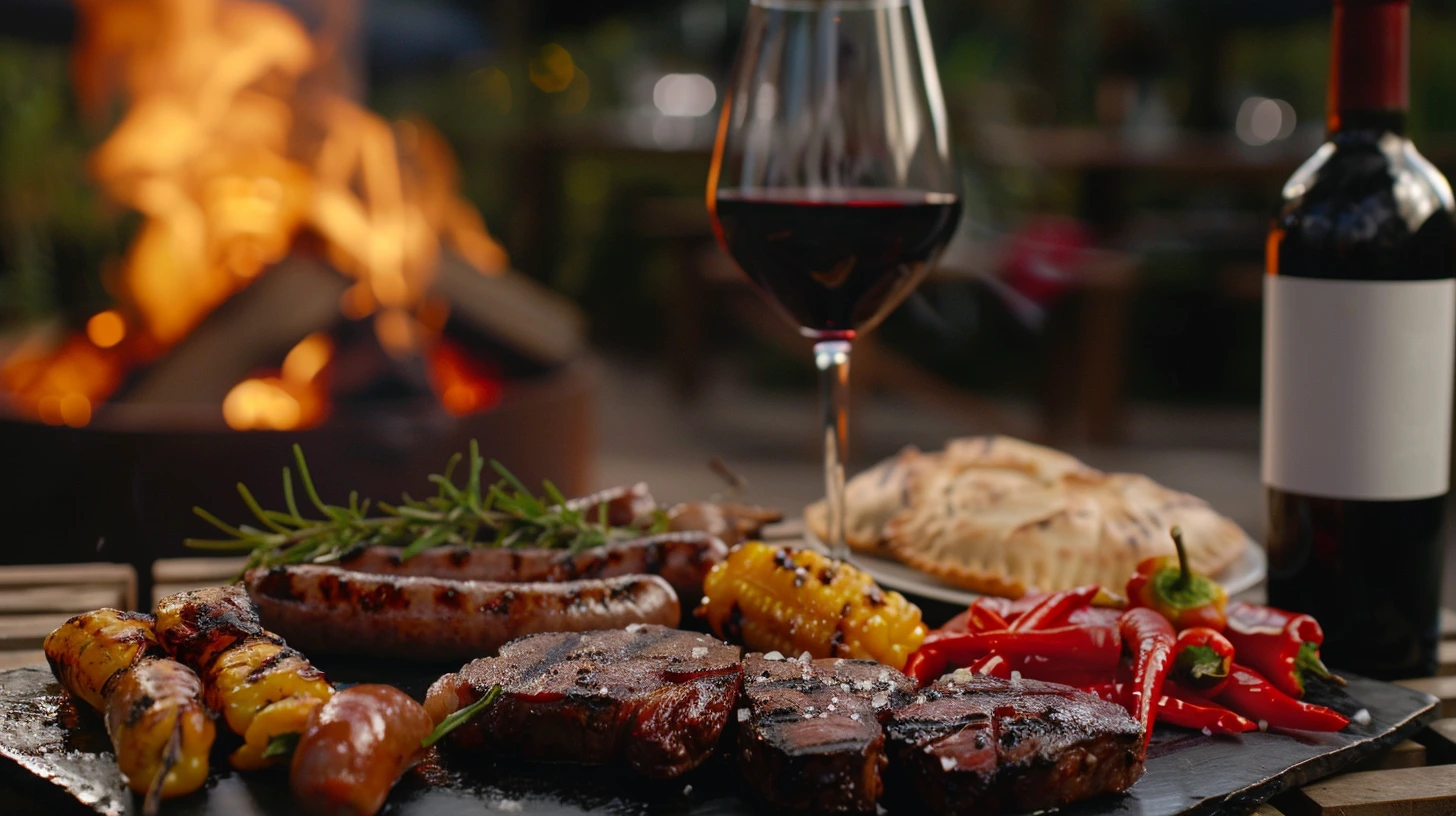
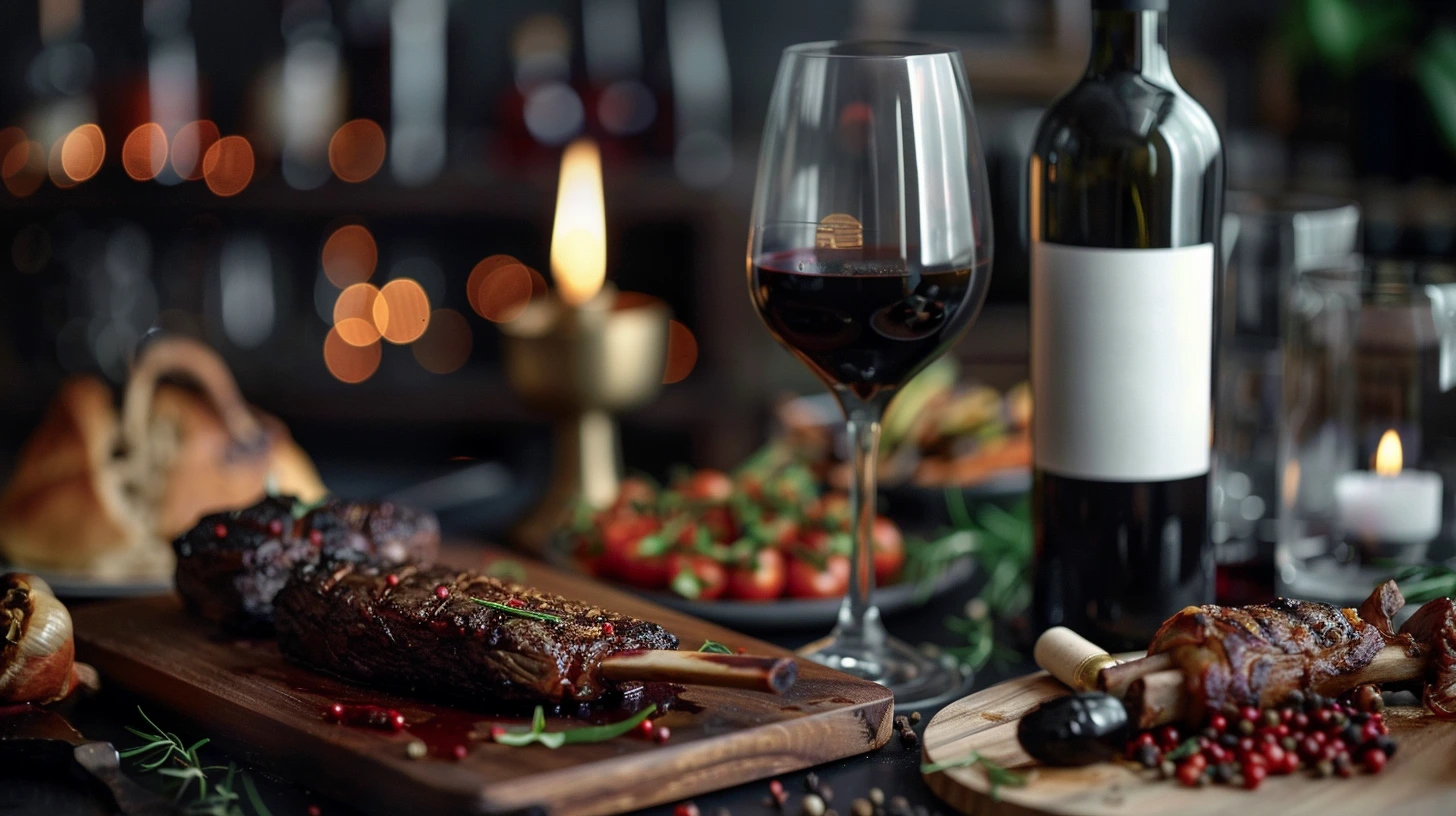
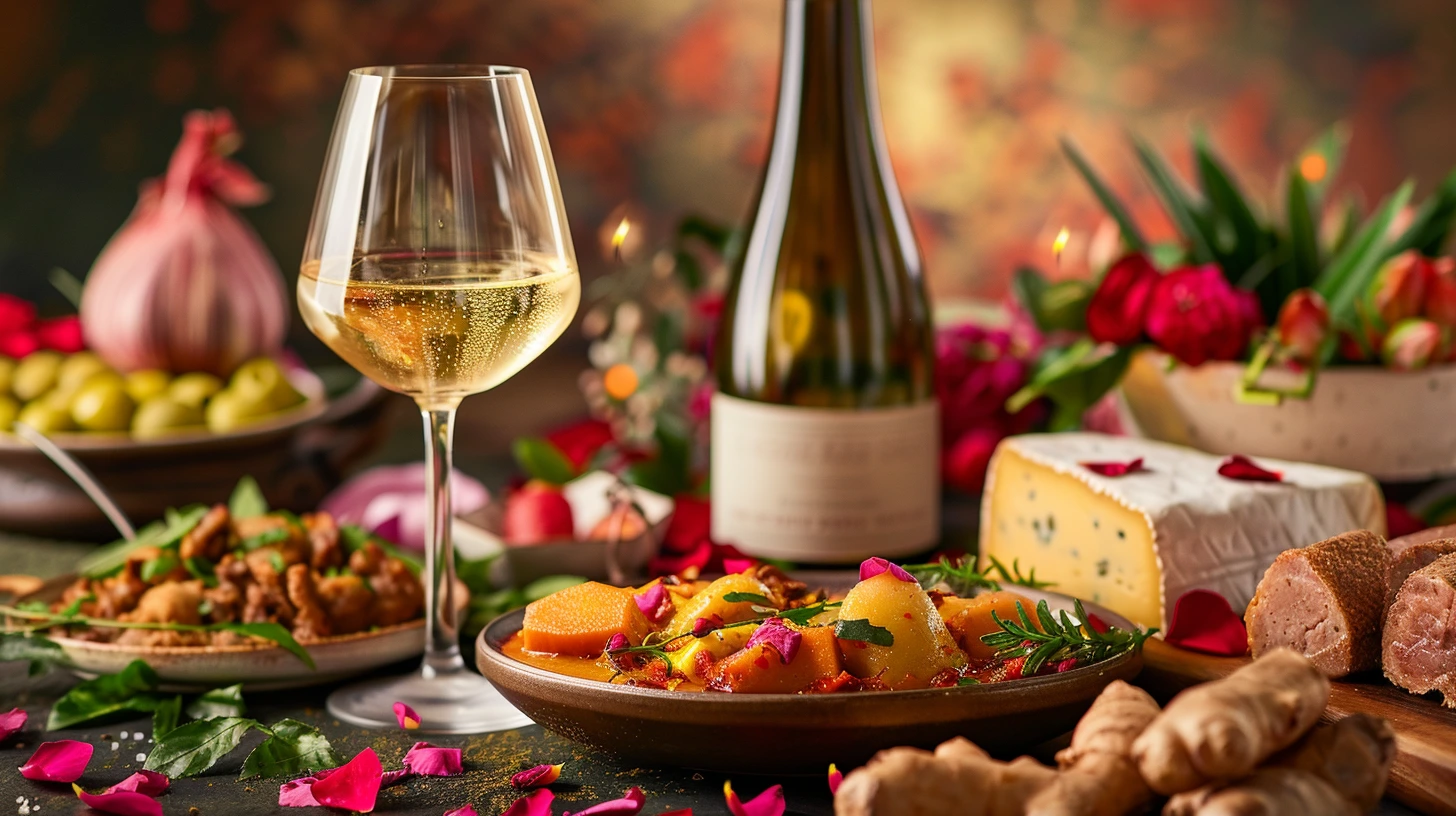
When pairing wine with Filipino food, match the structure of the dish first: fresh whites for seafood and herbs, medium reds for tomato, spice or roast meat, sparkling wines for fried or salty starters, and sweet or fortified wines for desserts.
Red
Cabernet Sauvignon / Bordeaux
Structured red with blackcurrant, cedar, graphite and firm tannins. Best with roast beef, lamb, steak, rich gravies and…
Slightly sweet, high-acid Riesling that balances spice, salt, smoked pork and sweet-sour sauces without tasting heavy.
Grape: RieslingRegion: Mosel, Pfalz, Alsace, Austria
Dessert
Sauternes / Botrytised Sweet Wine
Luscious sweet wine with apricot, honey, marmalade and balancing acidity. Good with custards, fruit tarts, blue cheese…
Grape: Sémillon, Sauvignon Blanc, MuscadelleRegion: Sauternes, Barsac, Monbazillac, Tokaj-inspired regions
Dessert
Sweet Muscat
Fragrant sweet wine with orange blossom, grape, peach and honey. Best with pastries, custards, fruit desserts and light…
Grape: Muscat Blanc, Moscatel, Muscat of AlexandriaRegion: Rutherglen, Beaumes-de-Venise, Setúbal, Asti
Plan the full table
Build a Filipino menu
Keep good rice, cane or coconut vinegar, soy sauce, fish sauce, dried noodles and coconut products. Buy calamansi, garlic, ginger, chillies and seafood fresh when available. Vinegar styles are not interchangeable, and adobo should be balanced to the household or regional style rather than forced into one fixed recipe.