Leche Flan: the story on the plate
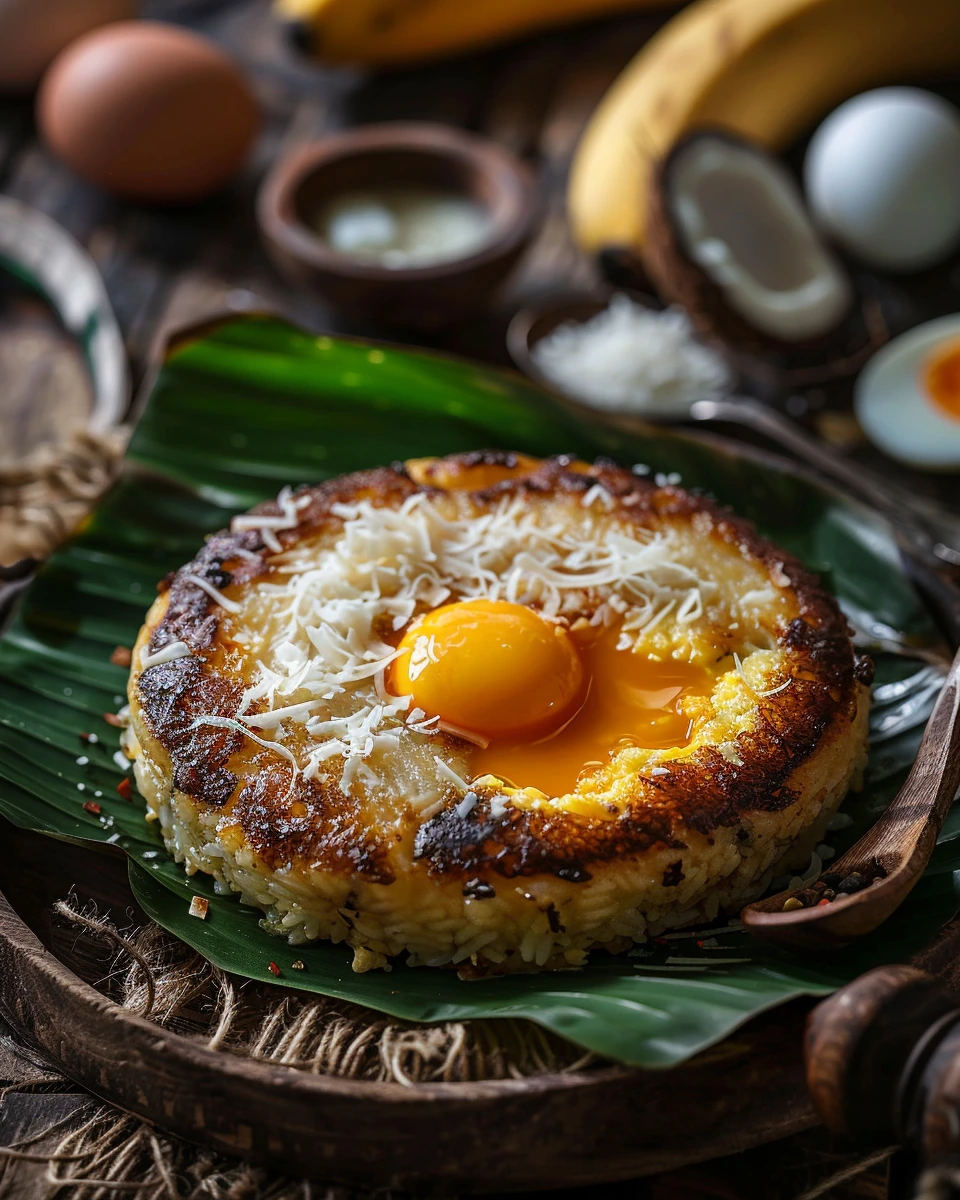
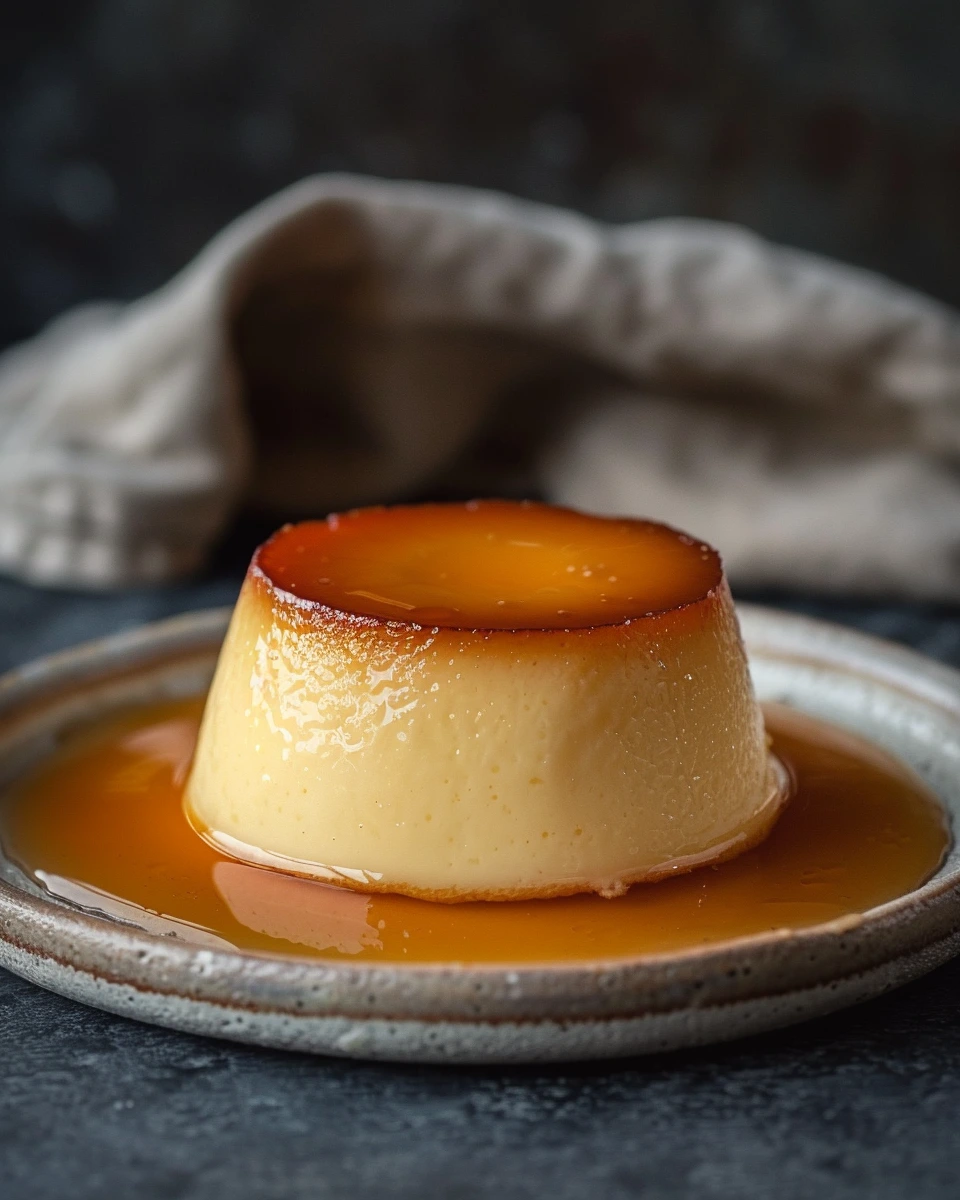
Spanish flan was adapted in the Philippines with abundant egg yolks and canned milk. The yolk-heavy style may also reflect baking traditions in which egg whites were used for church construction and pastries, leaving yolks for rich sweets. Compared with many flans, leche flan is dense, smooth and intensely creamy. Gentle steaming or water-bath baking prevents bubbles, while dark caramel adds necessary bitterness. It is a standard fiesta and holiday dessert and often tops halo-halo. Families prepare it in oval metal llaneras and turn it out just before serving.
Historical background
Spanish flan was adapted in the Philippines with abundant egg yolks and canned milk. The yolk-heavy style may also reflect baking traditions in which egg whites were used for church construction and pastries, leaving yolks for rich sweets.
Why it is famous
Compared with many flans, leche flan is dense, smooth and intensely creamy. Gentle steaming or water-bath baking prevents bubbles, while dark caramel adds necessary bitterness.
Cultural significance
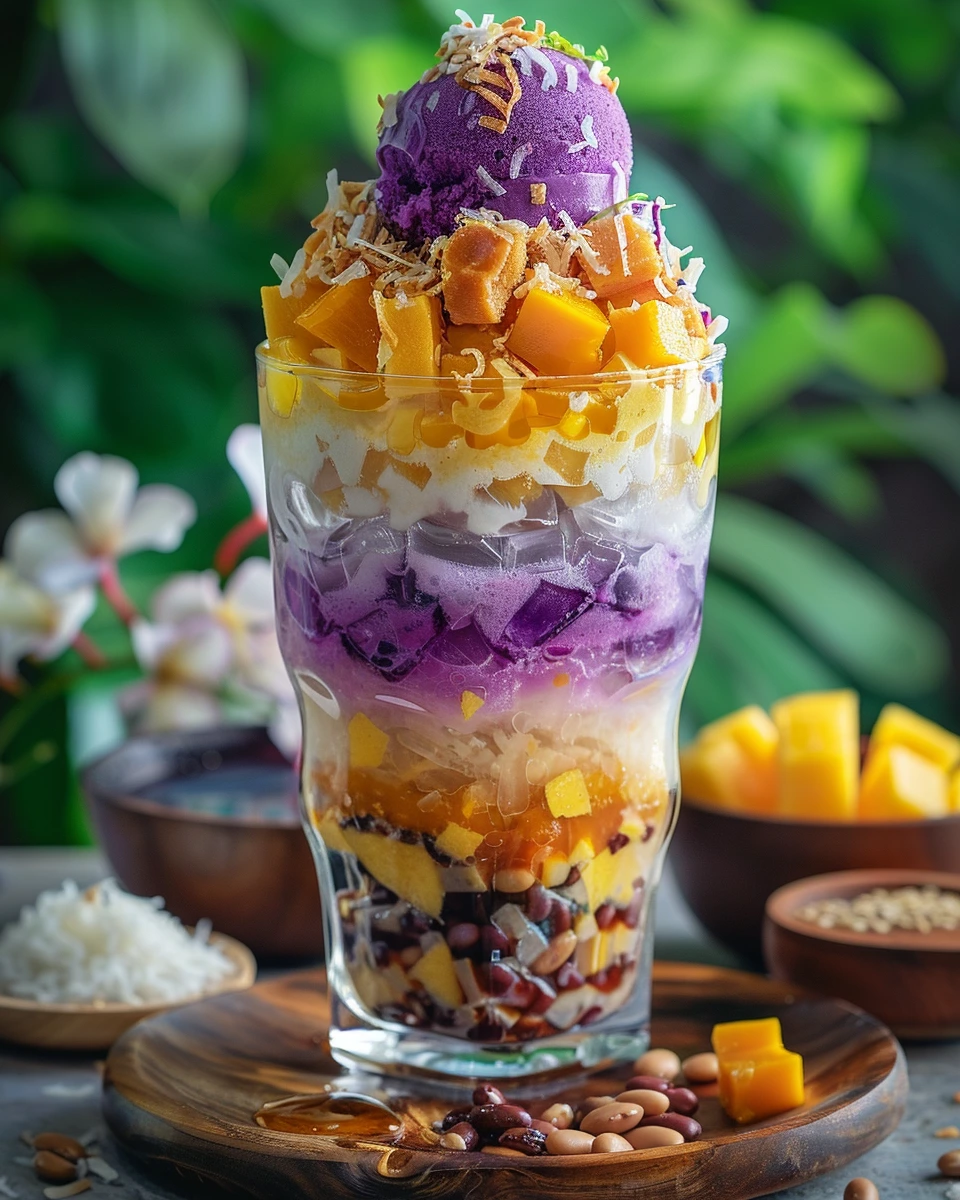
It is a standard fiesta and holiday dessert and often tops halo-halo. Families prepare it in oval metal llaneras and turn it out just before serving.