Bibingka: the story on the plate
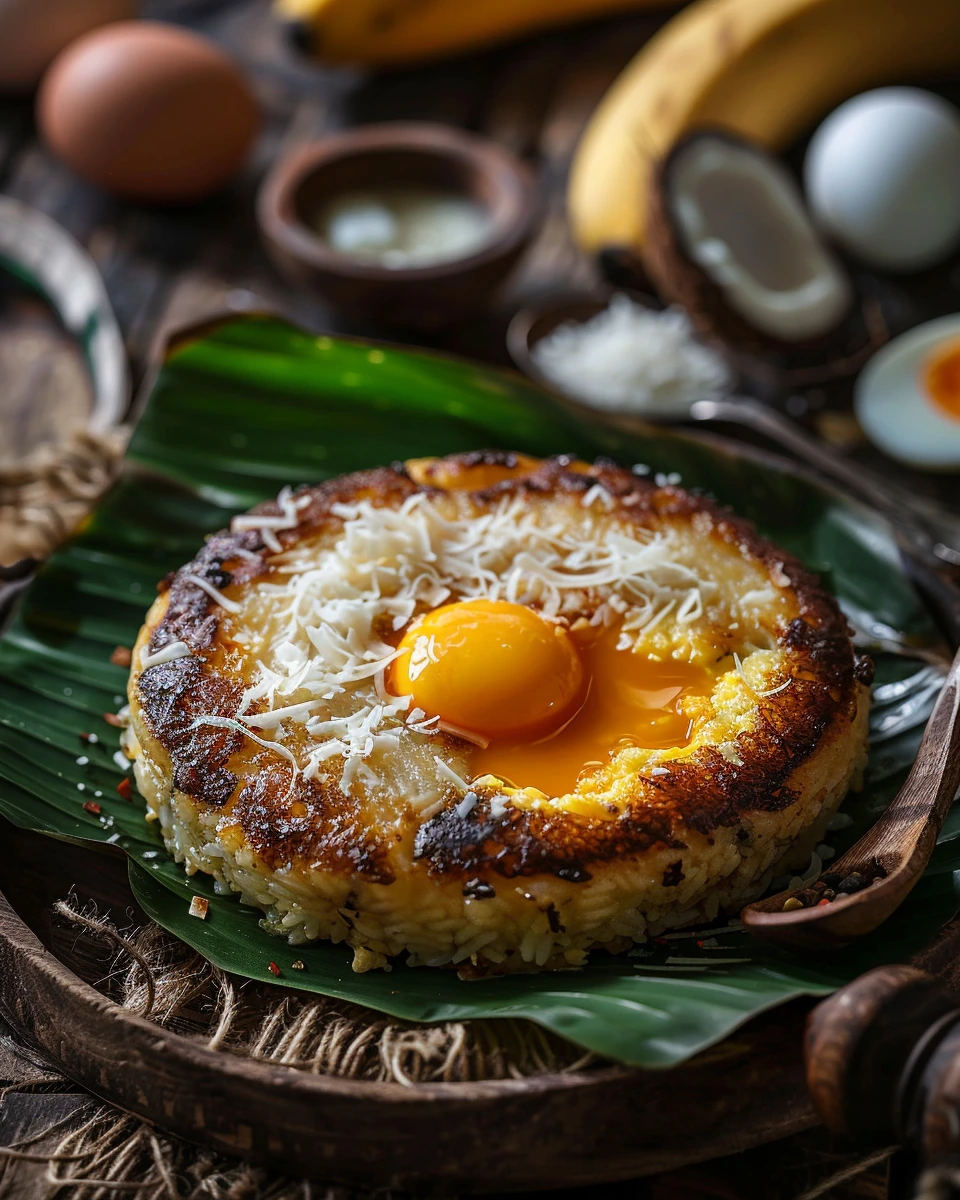
Bibingka belongs to the Philippines' broad family of rice cakes. Traditionally it is baked in clay pots with heat above and below, and it became closely tied to the dawn masses of the Christmas season. The cake is soft and gently chewy with a toasted banana-leaf aroma. Salted egg and cheese create a distinctly Filipino sweet-savoury contrast, while butter and coconut enrich the surface. Vendors sell bibingka outside churches during Simbang Gabi, making its smell and warmth inseparable from Filipino Christmas. It is also served at family breakfasts and festive gatherings.
Historical background
Bibingka belongs to the Philippines' broad family of rice cakes. Traditionally it is baked in clay pots with heat above and below, and it became closely tied to the dawn masses of the Christmas season.
Why it is famous
The cake is soft and gently chewy with a toasted banana-leaf aroma. Salted egg and cheese create a distinctly Filipino sweet-savoury contrast, while butter and coconut enrich the surface.
Cultural significance
Vendors sell bibingka outside churches during Simbang Gabi, making its smell and warmth inseparable from Filipino Christmas. It is also served at family breakfasts and festive gatherings.