Bangus Sisig: the story on the plate
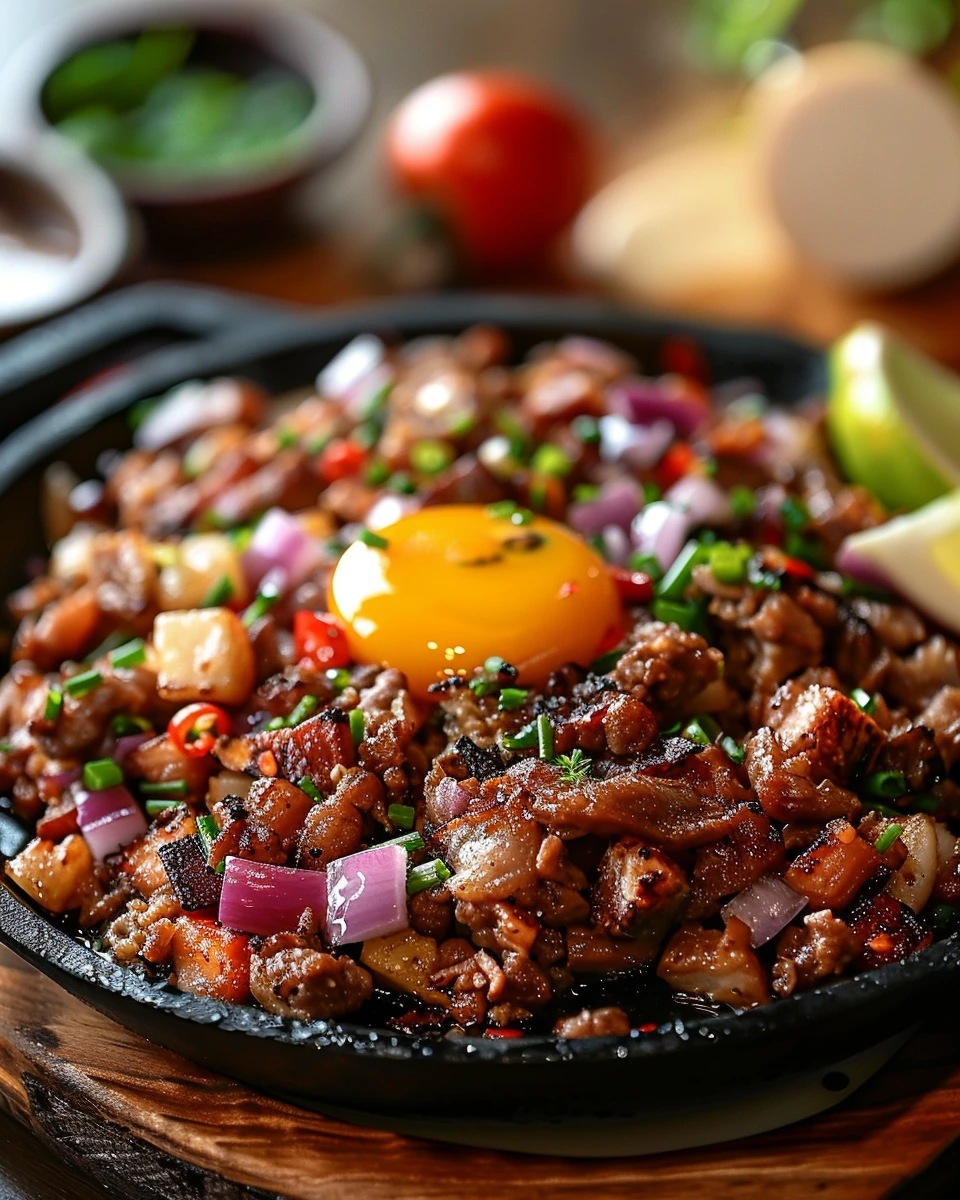
Sisig originated in Pampanga as a sharp chopped-meat dish and later evolved into the sizzling pork version known nationally. Bangus sisig applies the same chopped, tangy, spicy treatment to the Philippines' national fish. Flaked fish develops crisp edges while remaining moist, and the mixture balances onion bite, chilli and calamansi. A hot plate keeps the aromas active and can create further browning. It is popular as pulutan and as a lighter alternative to pork sisig in restaurants and homes. The dish also gives milkfish, often served whole, a modern shareable format.
Historical background
Sisig originated in Pampanga as a sharp chopped-meat dish and later evolved into the sizzling pork version known nationally. Bangus sisig applies the same chopped, tangy, spicy treatment to the Philippines' national fish.
Why it is famous
Flaked fish develops crisp edges while remaining moist, and the mixture balances onion bite, chilli and calamansi. A hot plate keeps the aromas active and can create further browning.
Cultural significance
It is popular as pulutan and as a lighter alternative to pork sisig in restaurants and homes. The dish also gives milkfish, often served whole, a modern shareable format.