Chicken Adobo: the story on the plate
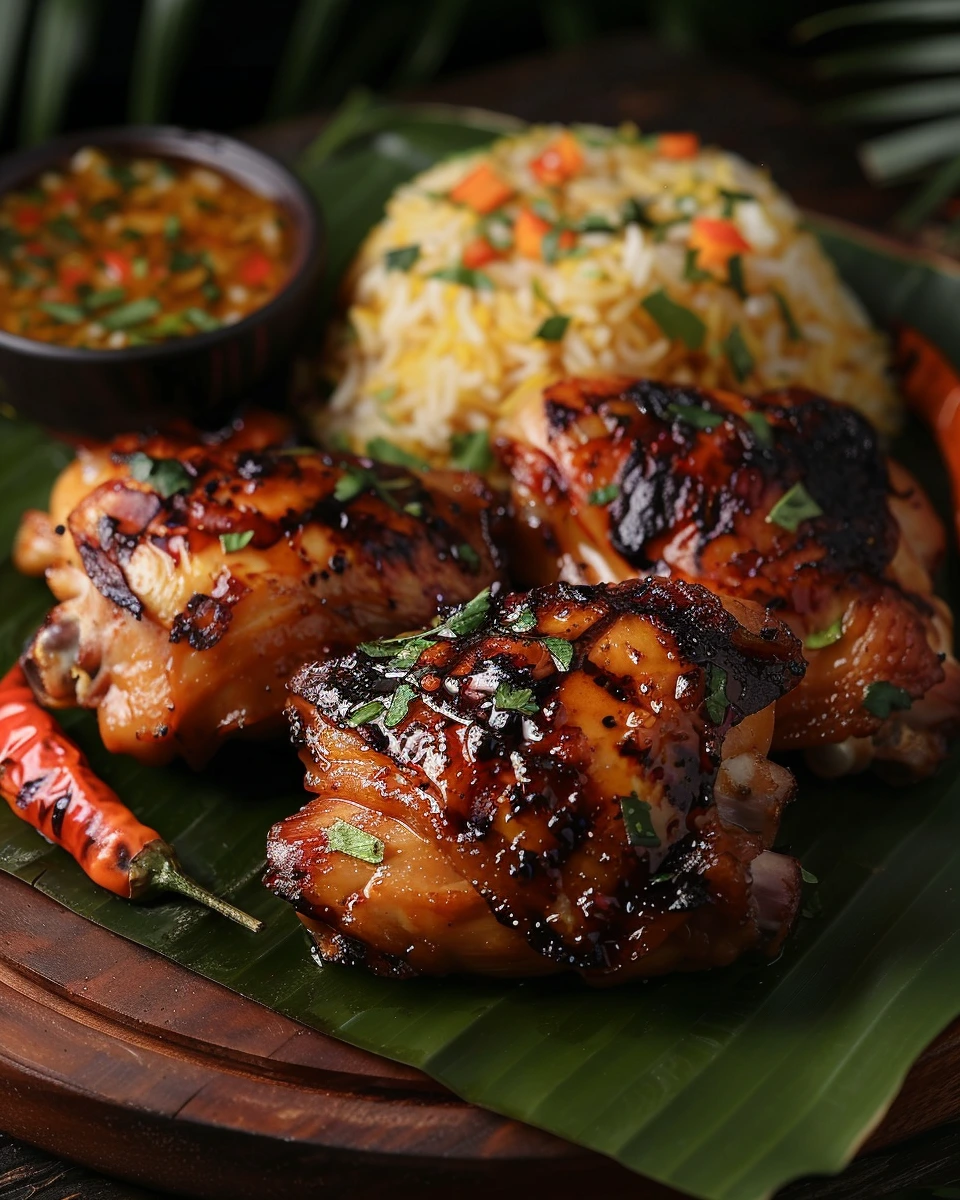
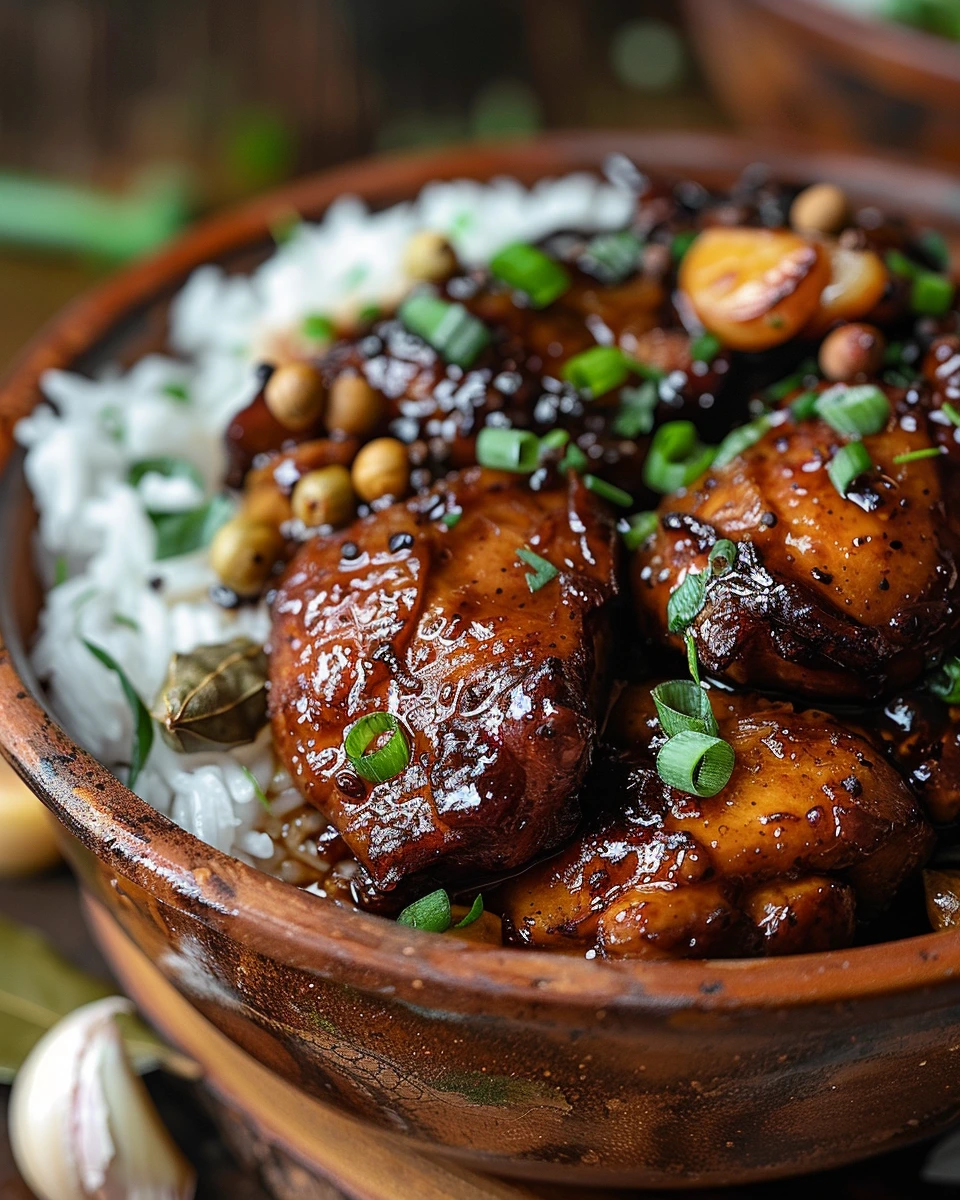
The name adobo was applied by Spanish colonisers to an Indigenous Philippine method of cooking food in vinegar and salt. Soy sauce later became common, but the essential technique remains a preservation-minded braise built around acidity. Adobo is famous for balance and adaptability: vinegar, salt, garlic and fat concentrate into a sauce that is sharp, savoury and slightly sweet. Browning the chicken after or before braising adds another layer. It is often described as the Philippines' unofficial national dish because nearly every household has a version. It is everyday food, packed lunch, celebration dish and one of the flavours most strongly associated with home.
Historical background
The name adobo was applied by Spanish colonisers to an Indigenous Philippine method of cooking food in vinegar and salt. Soy sauce later became common, but the essential technique remains a preservation-minded braise built around acidity.
Why it is famous
Adobo is famous for balance and adaptability: vinegar, salt, garlic and fat concentrate into a sauce that is sharp, savoury and slightly sweet. Browning the chicken after or before braising adds another layer.
Cultural significance
It is often described as the Philippines' unofficial national dish because nearly every household has a version. It is everyday food, packed lunch, celebration dish and one of the flavours most strongly associated with home.