Ethiopian food through injera, berbere, fasting dishes, slow onions and communal eating
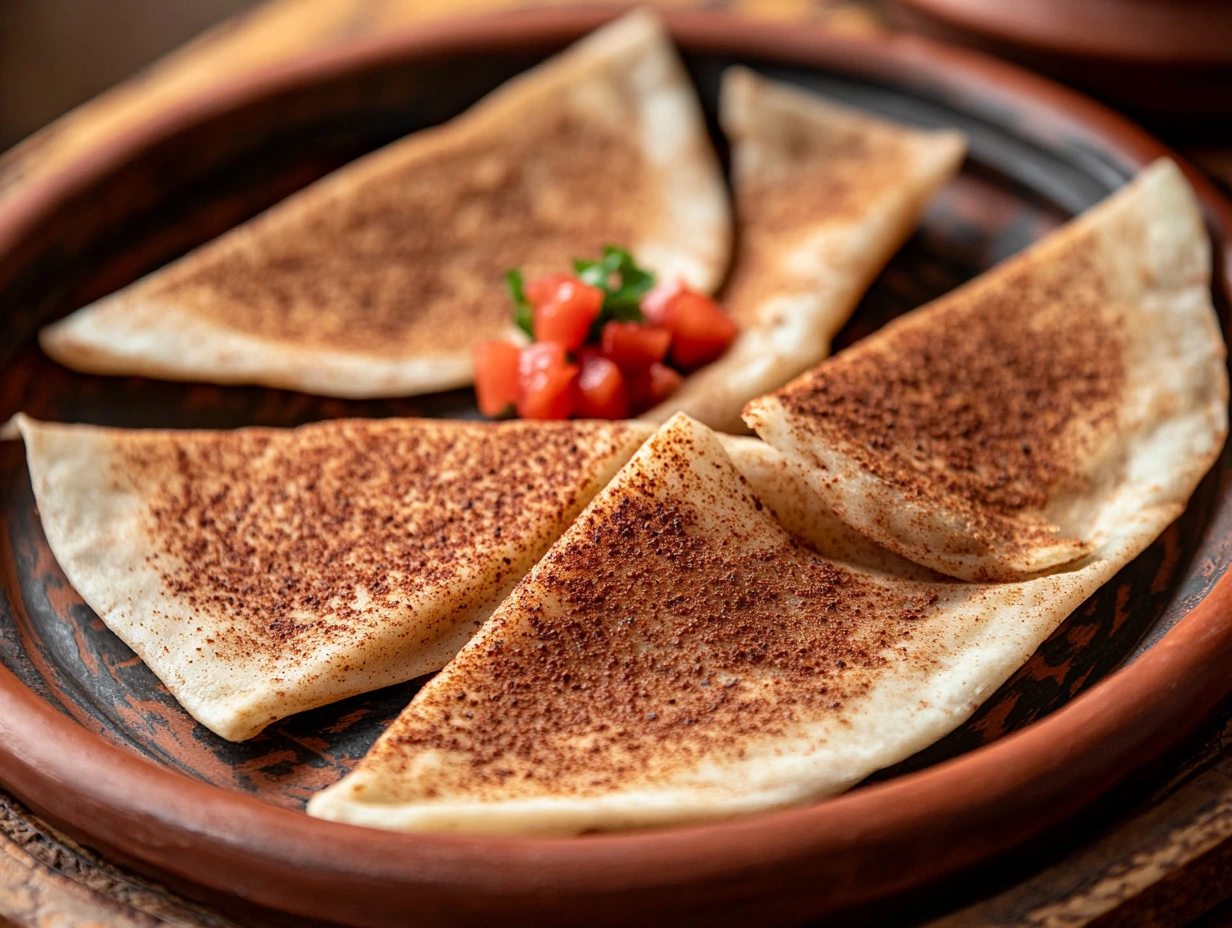
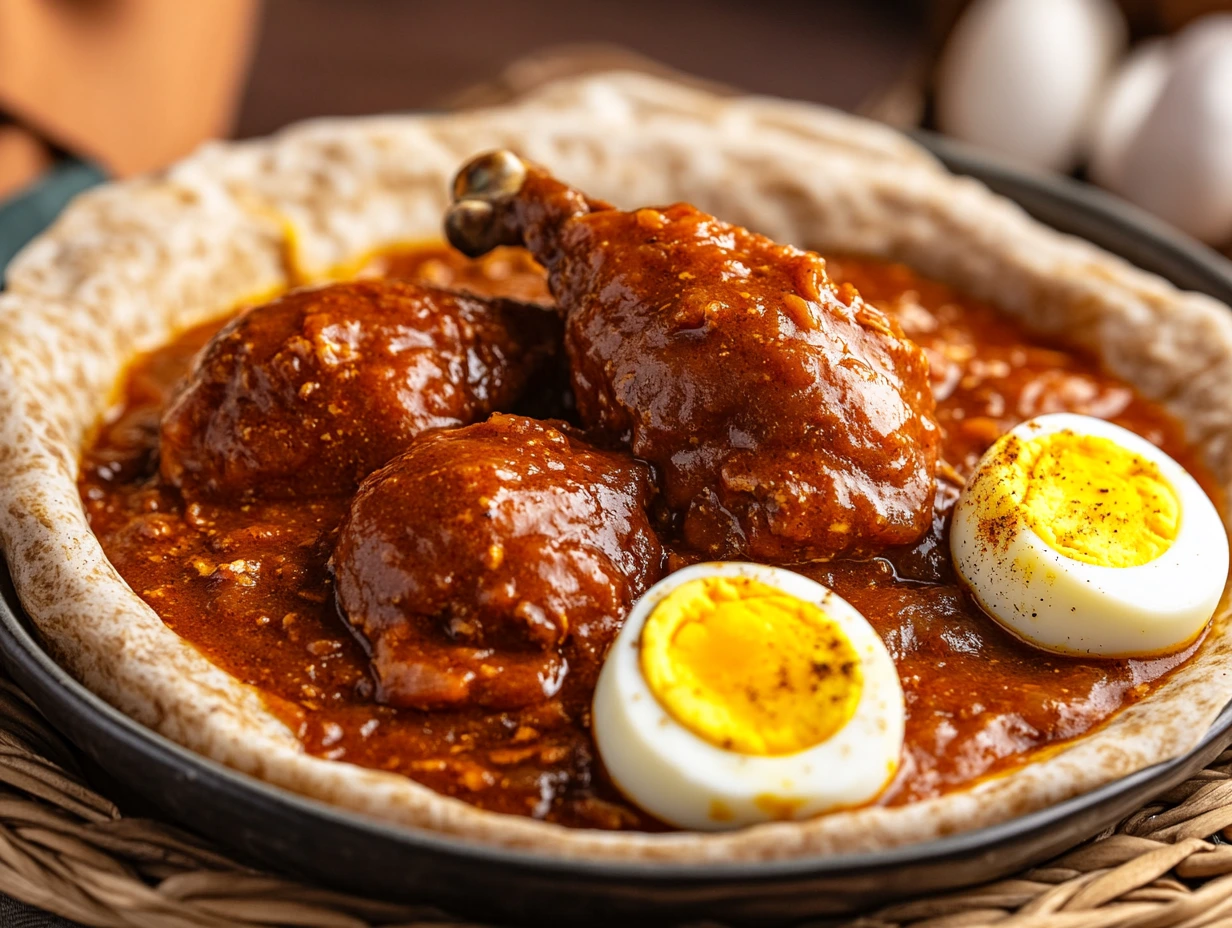
Ethiopian food reflects highland grain agriculture, pastoral traditions, regional crops, Red Sea trade, religious practice and a long history of independent culinary development. Teff is closely associated with injera, although historical research suggests the rise of teff injera as a dominant northern staple was gradual rather than unchanged from antiquity. Fermented injera became both food and eating surface, carrying stews, pulses and vegetables and allowing diners to share from one platter. Ethiopian Orthodox Christian fasting calendars helped sustain a sophisticated repertoire of meat- and dairy-free dishes, while meat dishes such as doro wat, tibs and kitfo became strongly associated with hospitality and celebration. Coffee has a separate but equally important social life: roasting, grinding, brewing and serving coffee can turn drinking into a ceremony of welcome, conversation and community.
Why it is famous
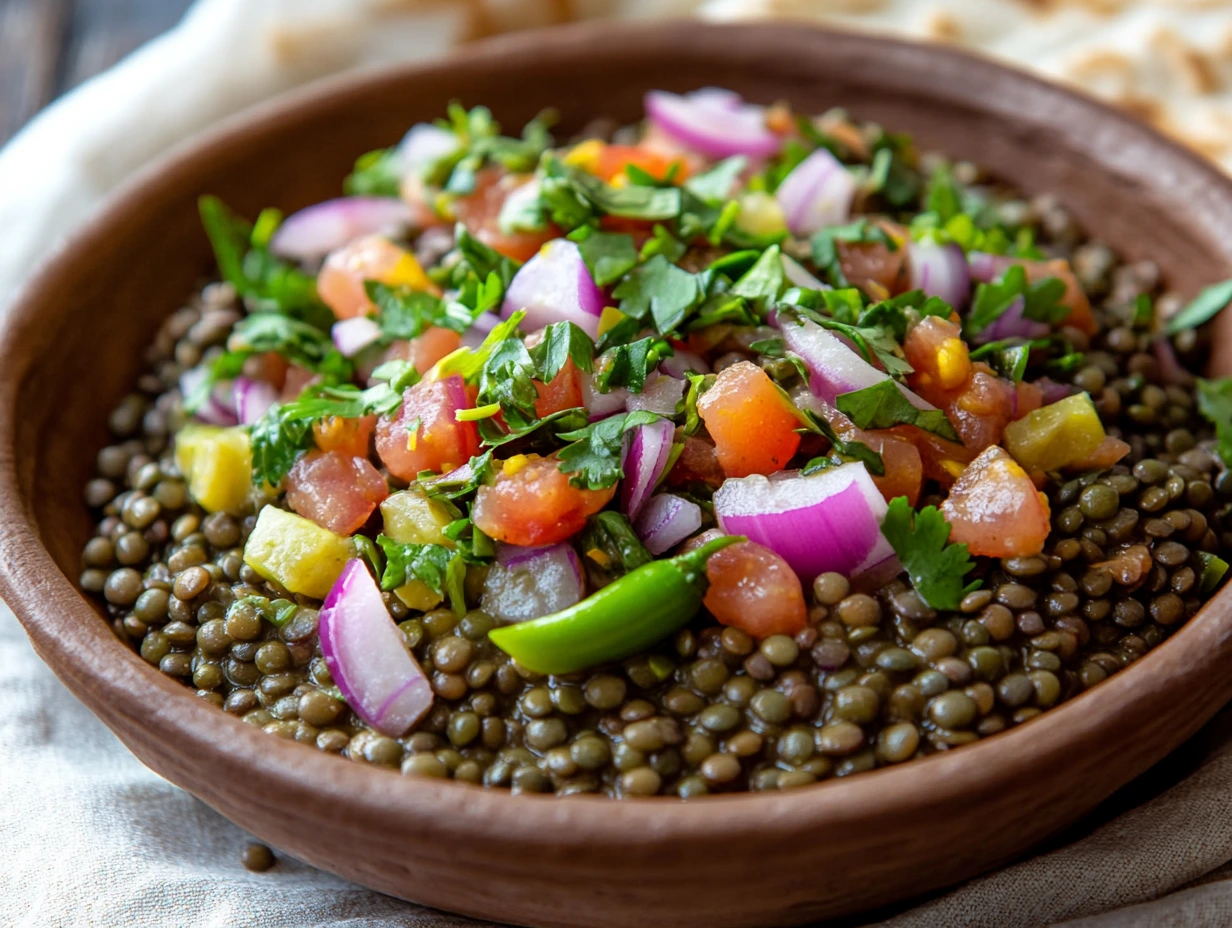
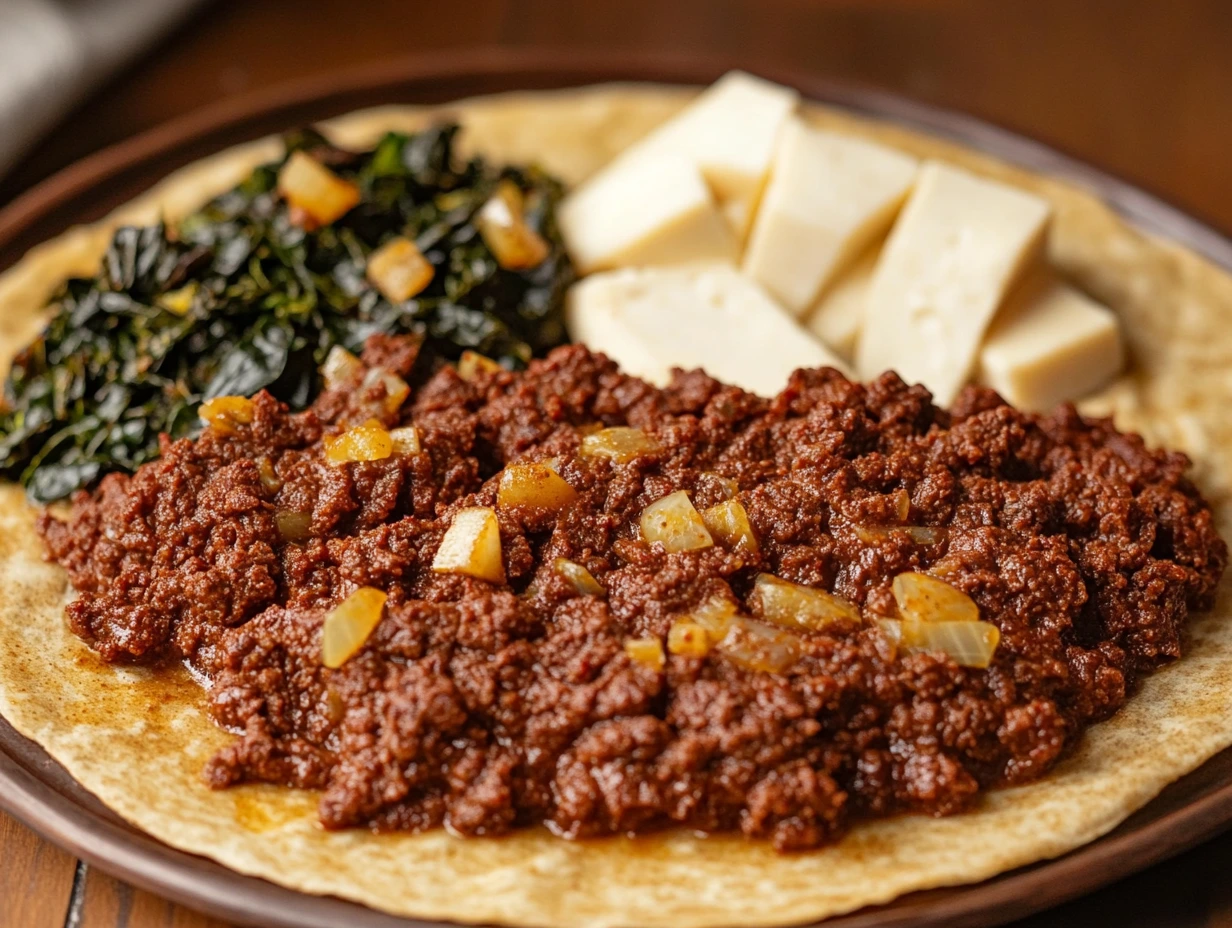
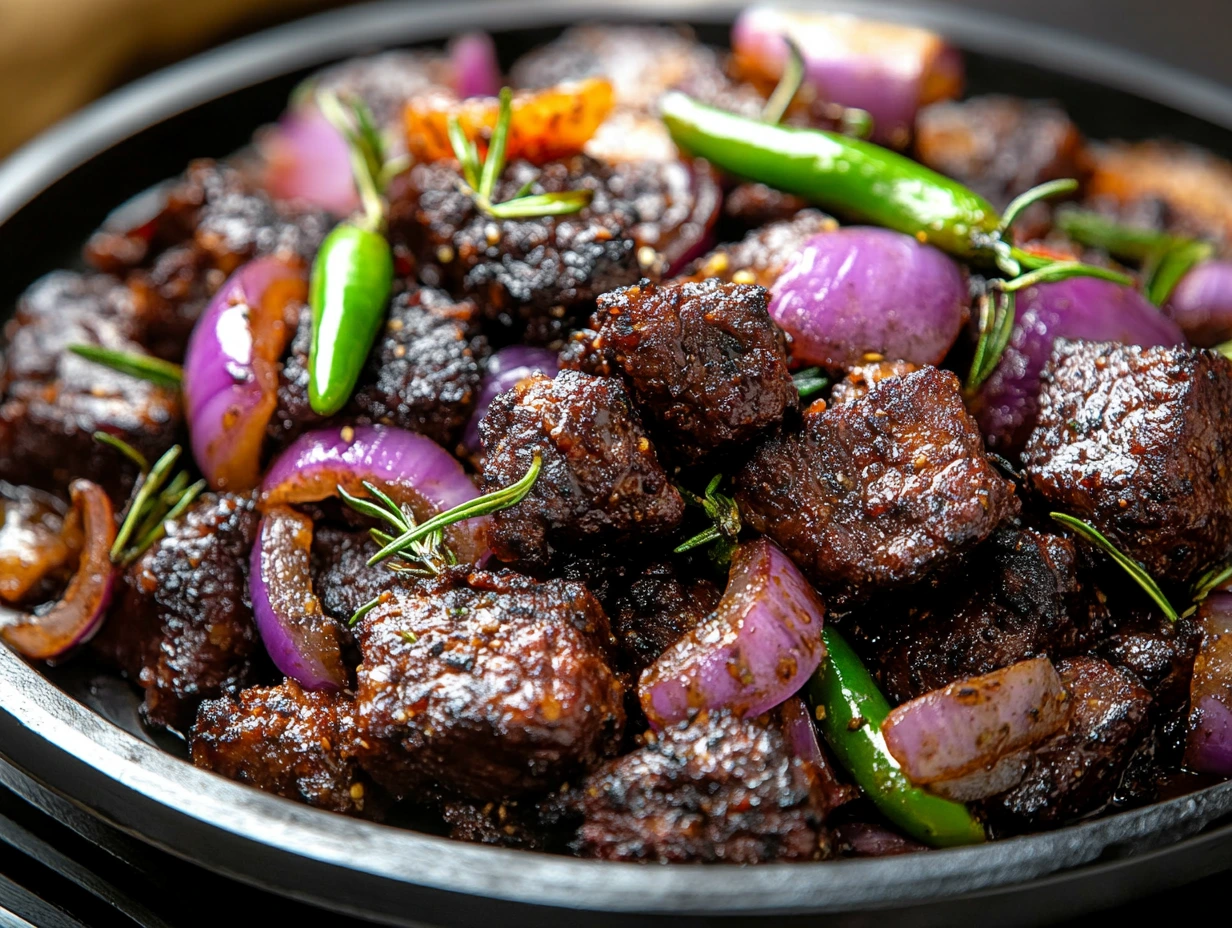
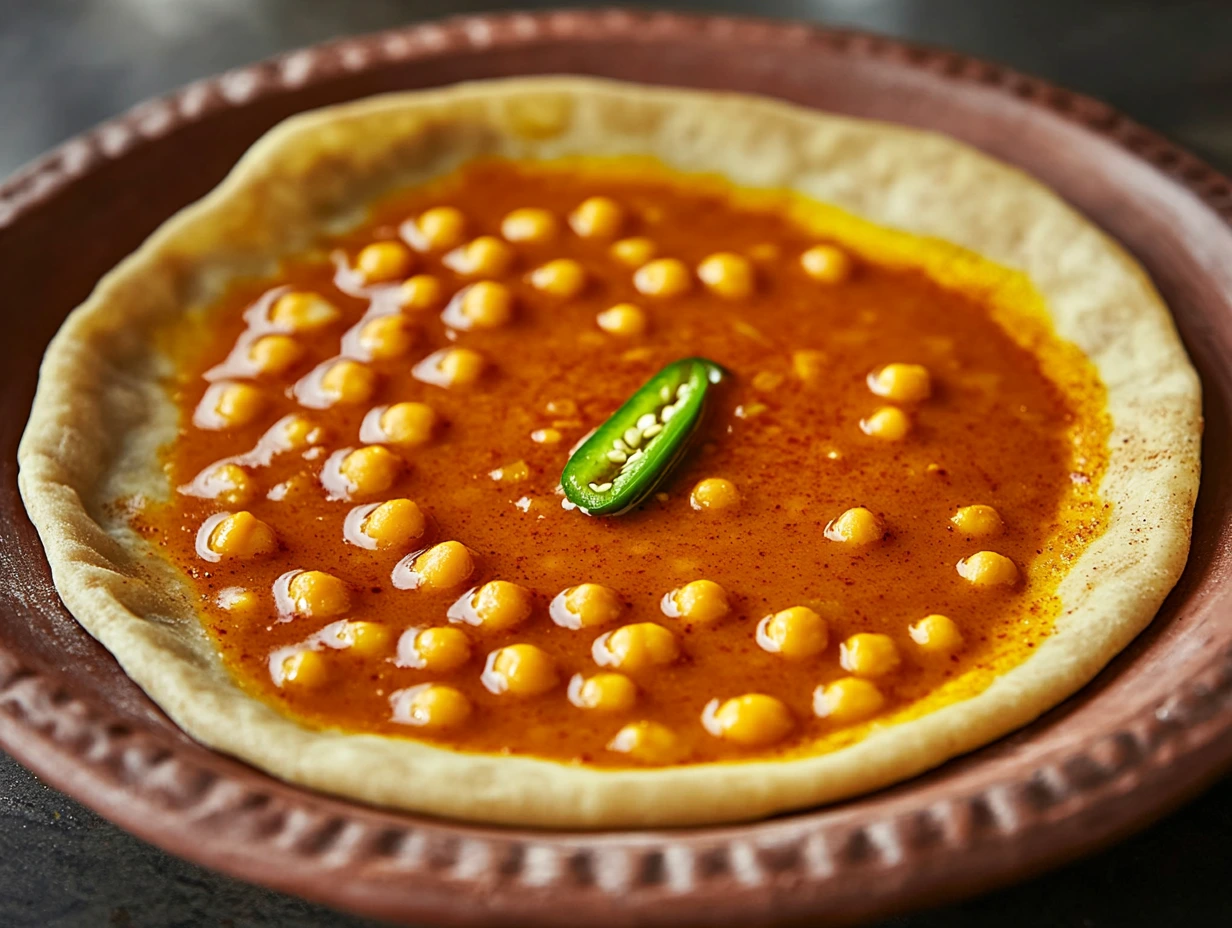
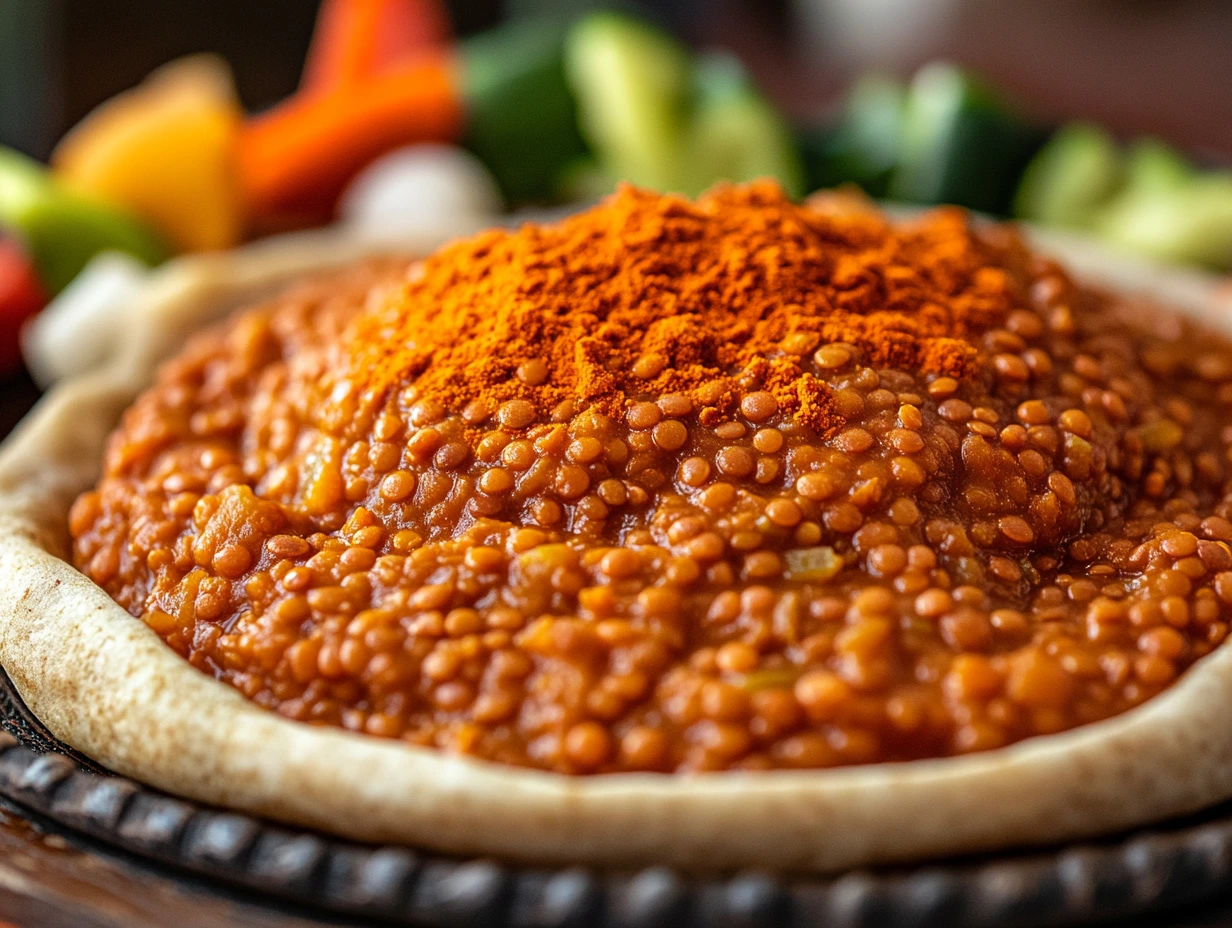
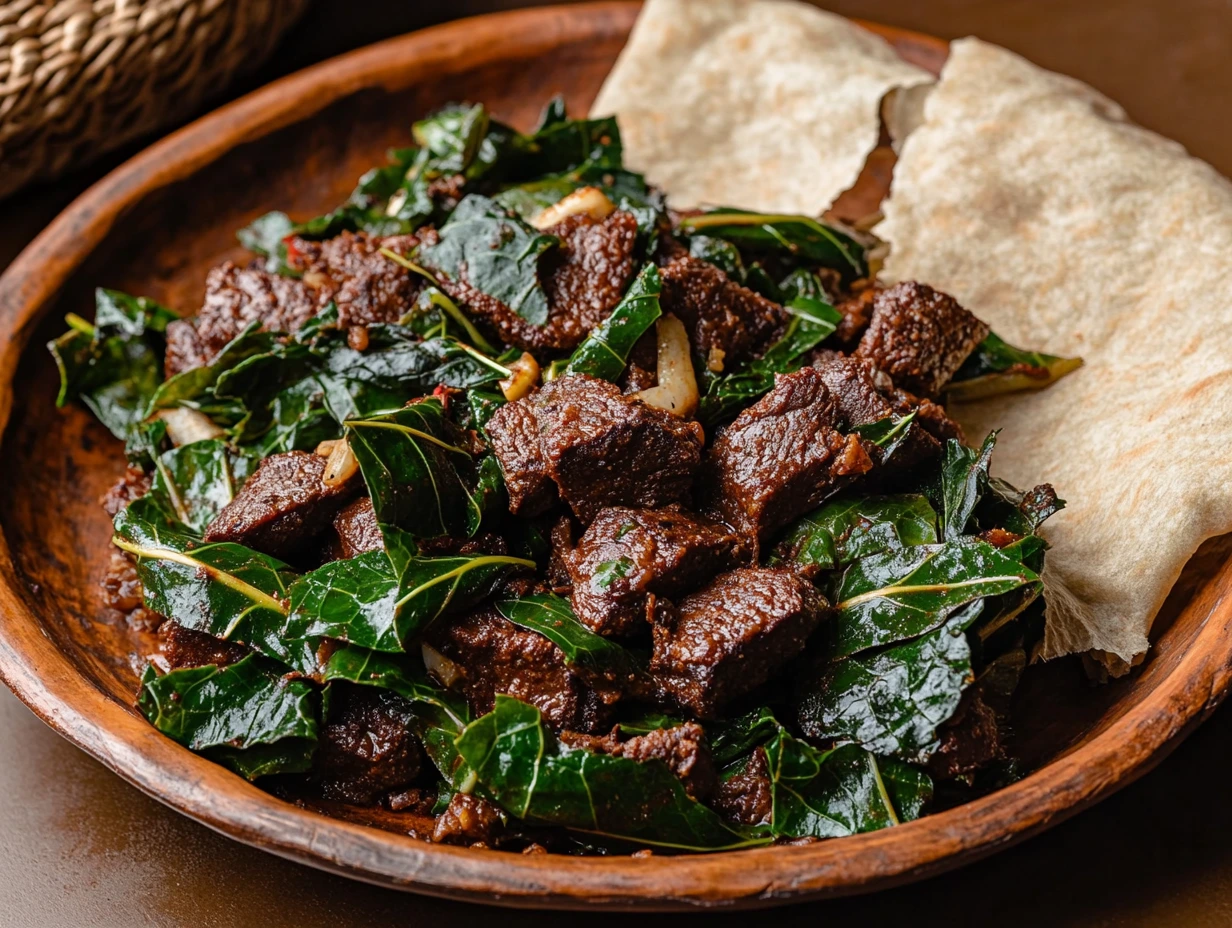
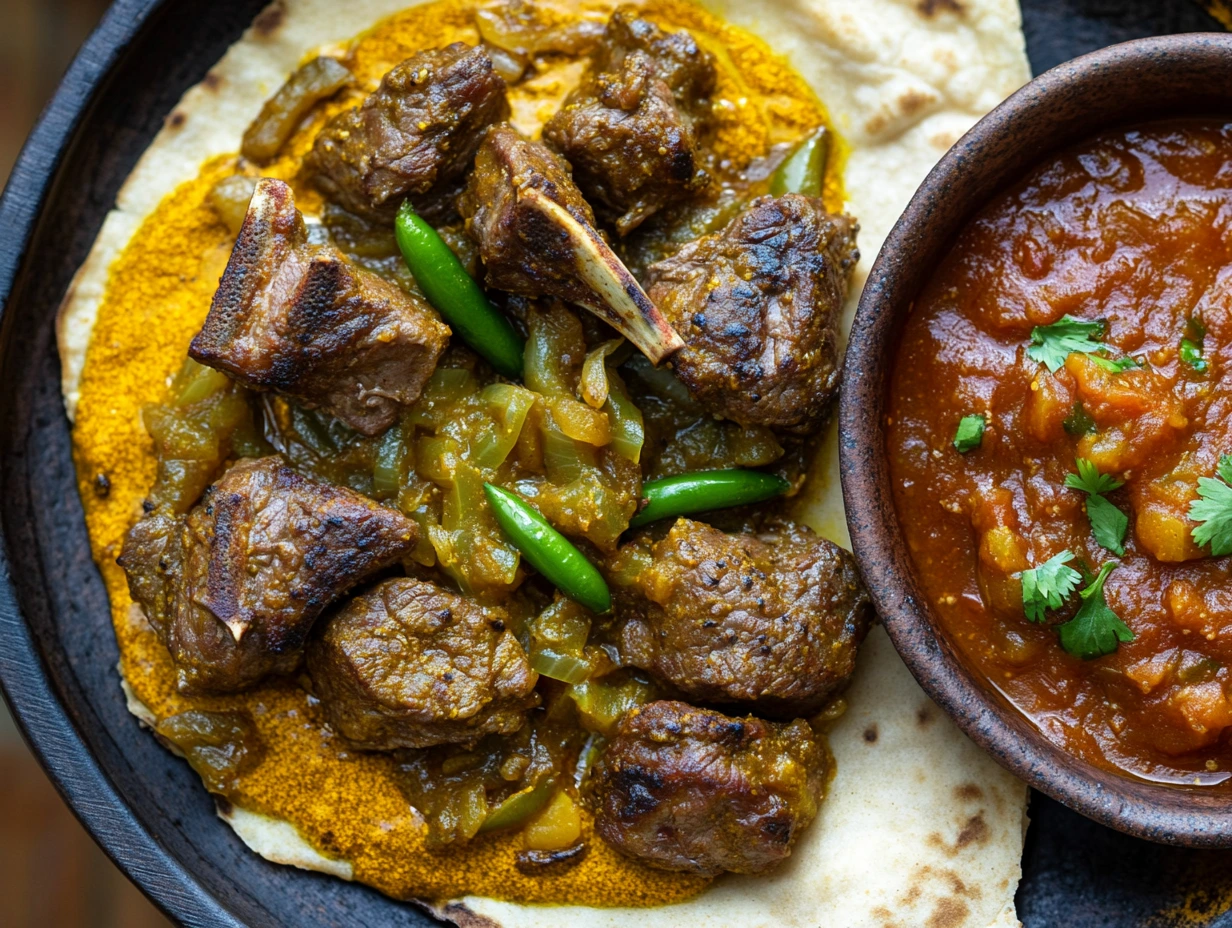
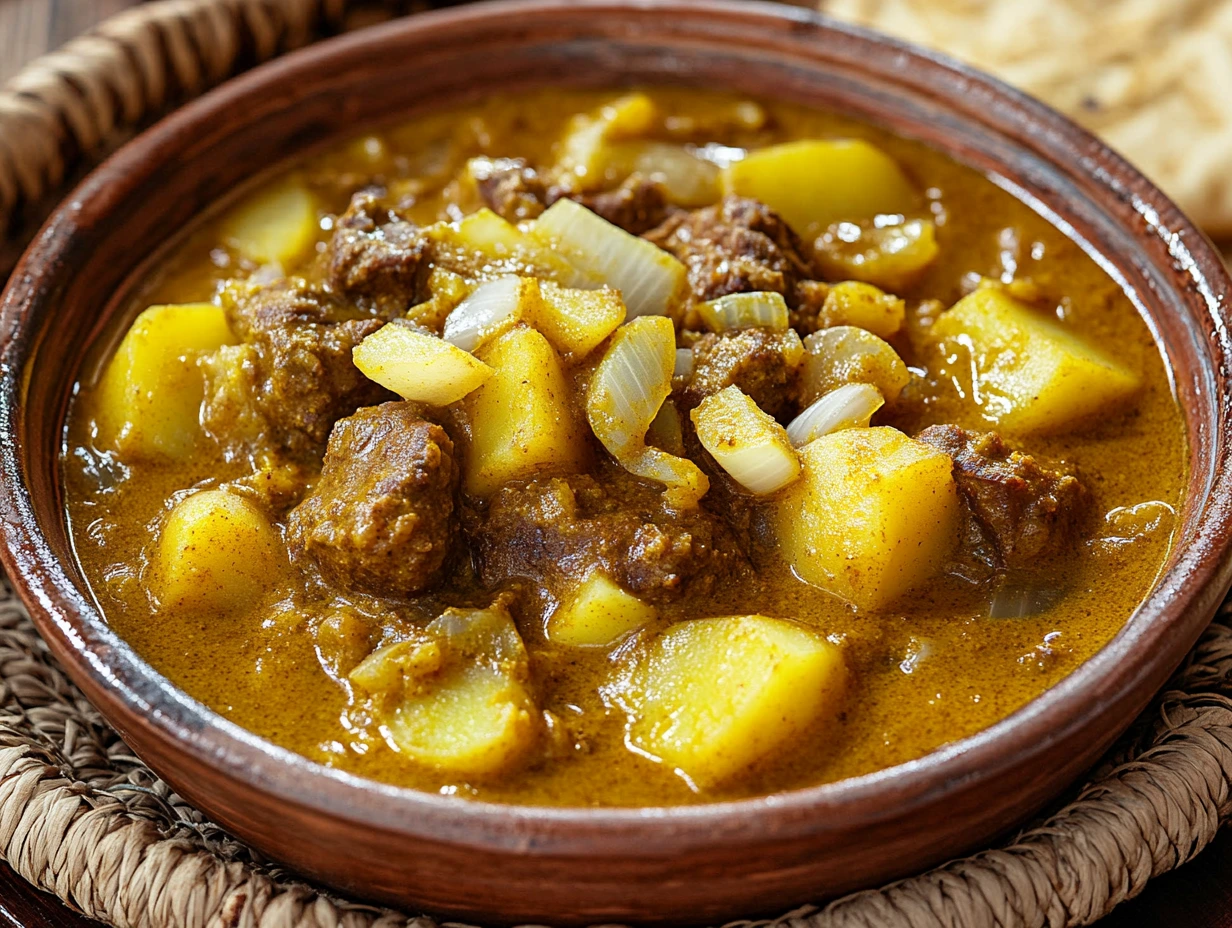
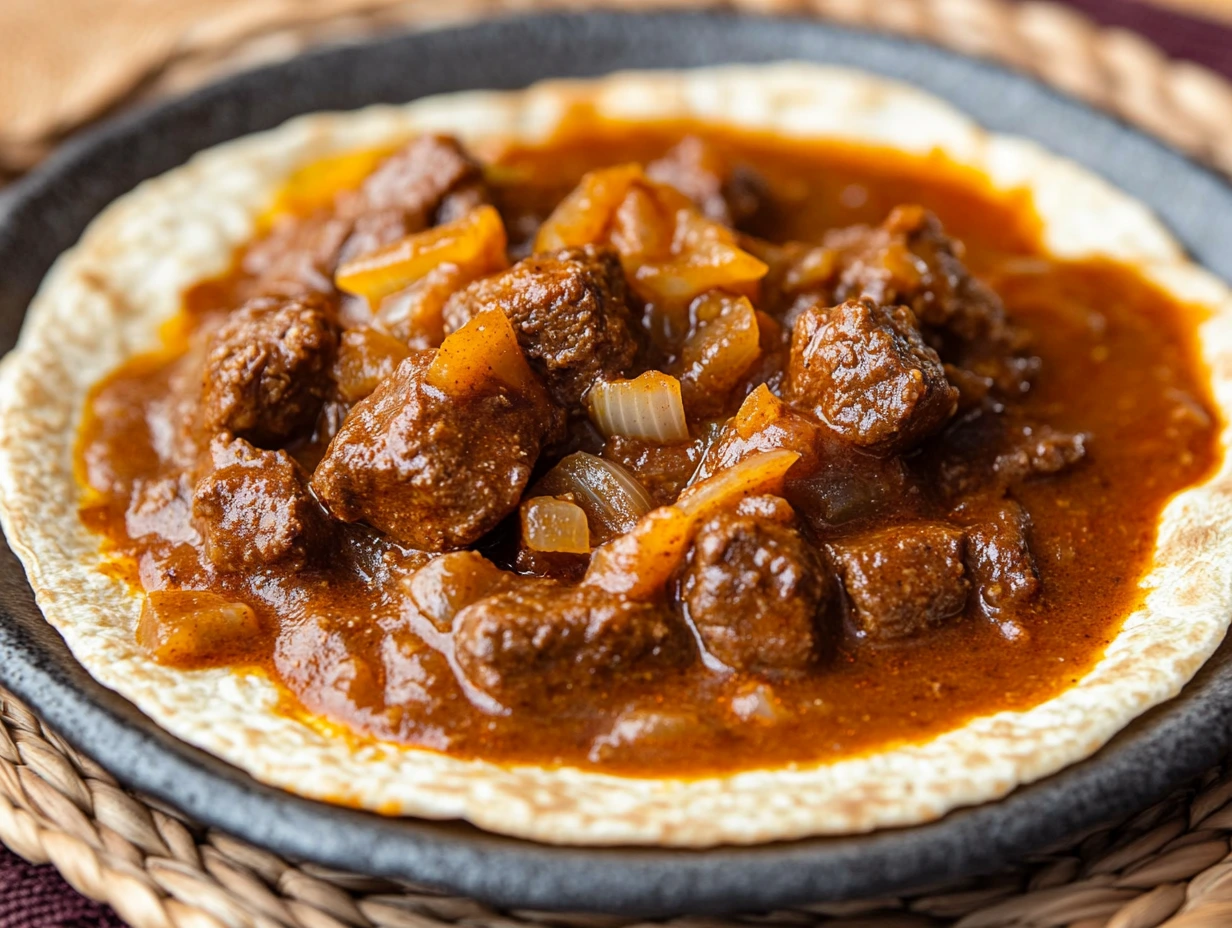
Ethiopian food is famous for injera, doro wat, misir wat, shiro, tibs, kitfo, greens, lentil salads, spiced butter, berbere and the visual drama of a shared platter. The cuisine is also notable for the quality of its fasting food: pulses and vegetables are not afterthoughts but central dishes with their own spice, texture and identity. Coffee ceremony adds another layer of hospitality beyond the meal itself.
Regional food story
There is no single Ethiopian flavour profile. Amhara and Tigrayan highland traditions are strongly associated with injera and wats; Gurage food is famous for kitfo, kocho and enset-linked traditions; Oromo, Sidama and other southern foodways add different grains, dairy, meat and coffee practices; pastoral regions have their own livestock-centred foods. Spice levels, injera grains, fats and serving customs vary by place, faith, household and access to ingredients.