
Ethiopian Main
Sega Wat
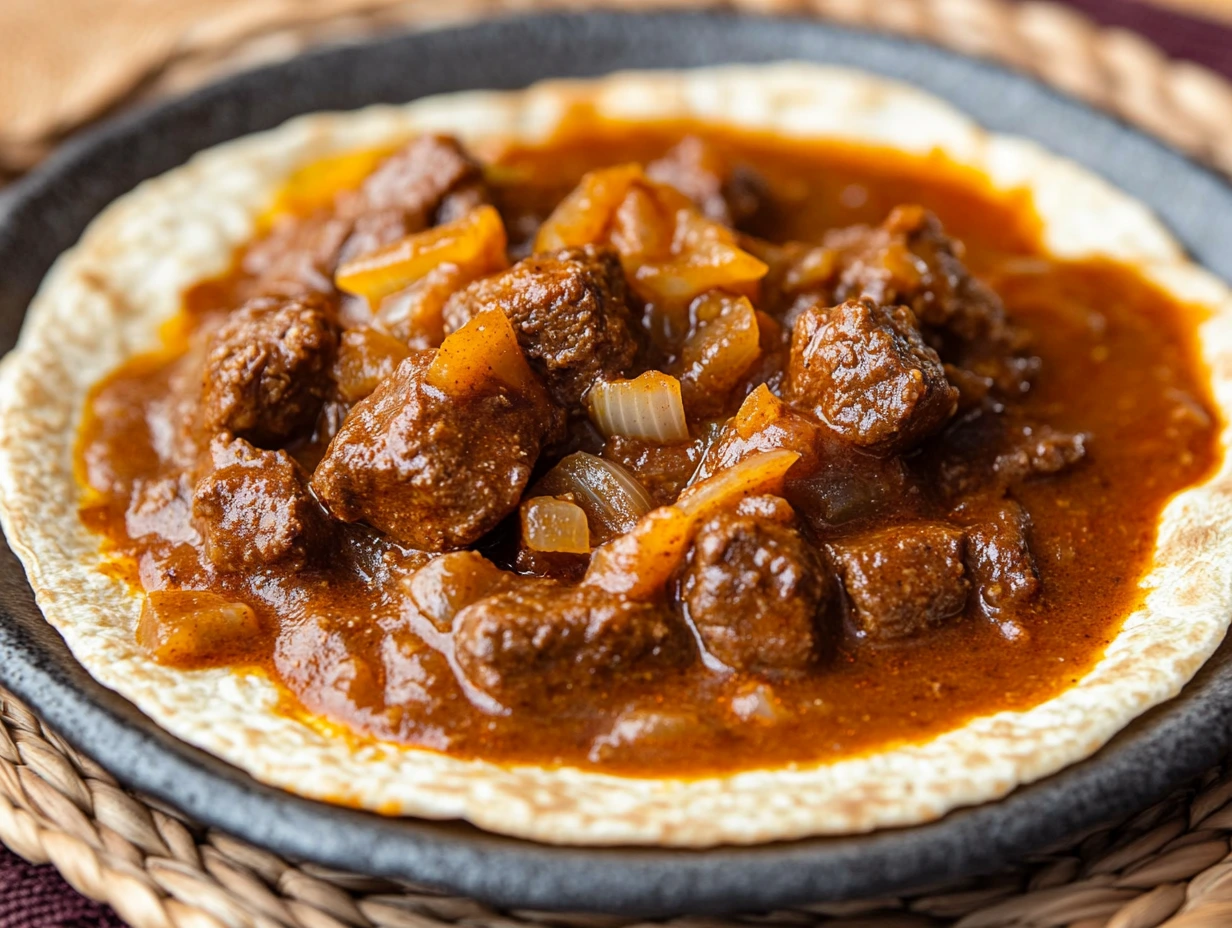
Sega Wat is a slow Ethiopian beef stew with an onion-rich berbere sauce, deeper and denser than a quick tibs preparation. This version uses measured ingredients, clear visual cues and the traditional flavour balance that makes the dish distinctive.
25 minsPrep time
1 hr 45 minsCook time
Serves 6Servings
MediumDifficulty
Nutrition
Estimated nutrition per serving
These figures are estimates per serving. Actual nutrition can vary with the brands and exact amounts you use, how much oil, dressing or sauce is absorbed, any substitutions or added extras, and the portion size served.A practical guide for comparing recipes and planning meals.
560Calories
47gProtein
18gCarbs
34gFat
Ingredients
What you need
- 1000 beef chuck, cut into 4 cm cubes
- 700 red onions, finely chopped
- 90 niter kibbeh
- 55 berbere
- 20 Garlic, grated
- 15 ginger, grated
- 35 tomato paste
- 900 beef stock or water
- 2 fine salt
Method
Step-by-step method
Follow the recipe in order, tasting and adjusting seasoning where needed.
- Cook the finely chopped onions in a heavy pot without fat over medium-low heat for 20–25 minutes, stirring and adding spoonfuls of water as needed until they collapse and begin to brown.
- Add niter kibbeh and cook 5 minutes. Stir in berbere, garlic, ginger and tomato paste and fry gently for another 4 minutes, loosening with stock if the spice mixture sticks.
- Add beef and turn until every cube is coated in the dark red onion paste. Cook 5 minutes before adding 650 ml stock.
- Bring to a simmer, cover partially and cook 70–80 minutes, stirring every 15 minutes. Add remaining stock only if the sauce becomes too tight before the beef is tender.
- Uncover for the final 10 minutes and reduce until the sauce is dense and glossy. Season with salt.
- Rest 10 minutes and spoon over injera, including enough sauce to soak into the bread without making the whole platter watery.
Cook smarter
Tips, storage and serving advice
Shopping tips
Ingredient quality
Common mistakes
Chef’s tips
How to know it is cooked
Plating advice
Cook next
View cuisine More Ethiopian recipes
Keep exploring the country’s food story through related starters, mains and desserts.
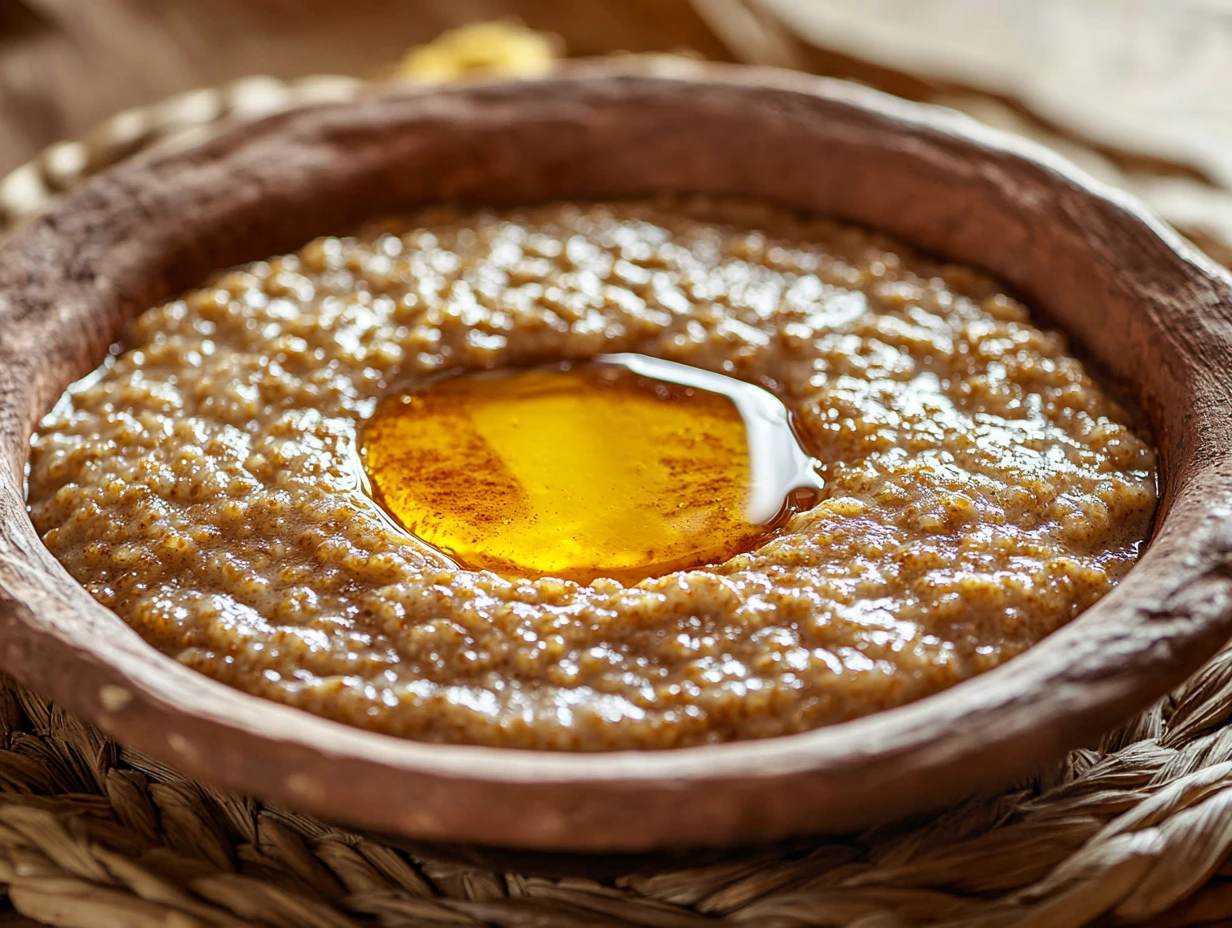
Genfo with Honey
Genfo is a thick Ethiopian barley porridge stirred vigorously until smooth, then served with a well…
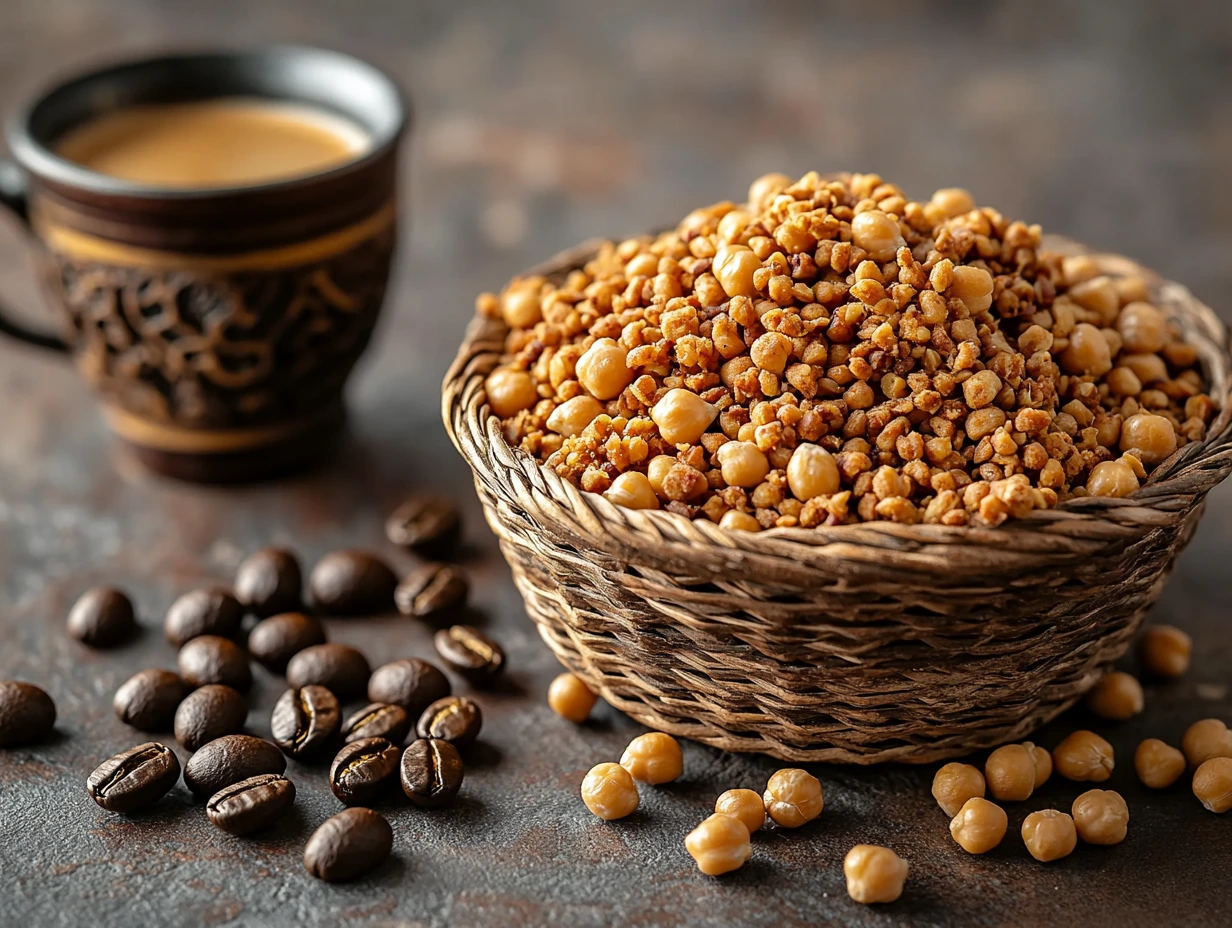
Kolo
Kolo is an Ethiopian roasted-grain snack of barley, chickpeas and peanuts, lightly salted and eaten…

Dabo Kolo
Dabo Kolo is tiny crunchy Ethiopian baked dough bites, lightly sweet and spiced, traditionally eate…
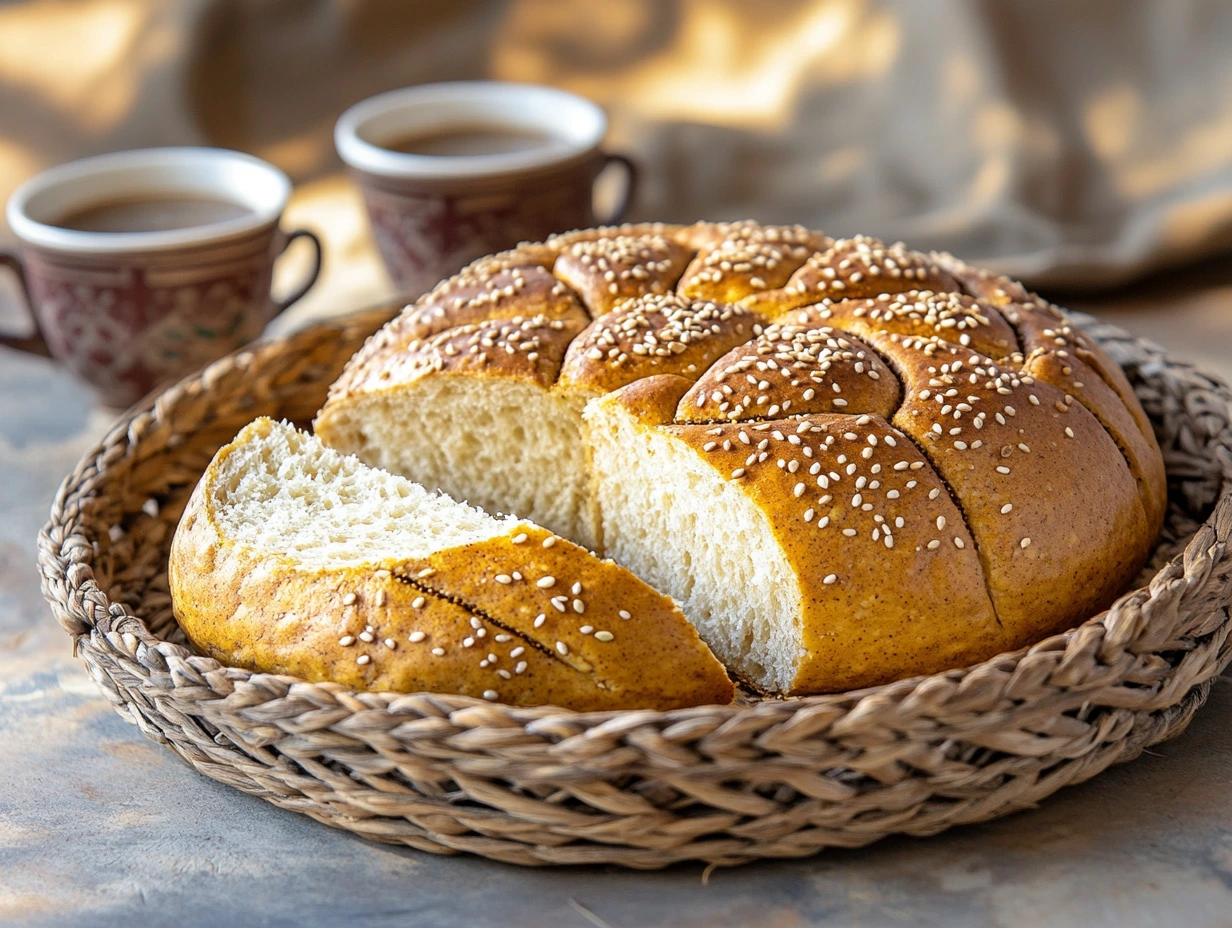
Himbasha
Himbasha is a lightly sweet Ethiopian celebration bread scented with cardamom and marked with a tra…