
Ethiopian Starter
Sambusa
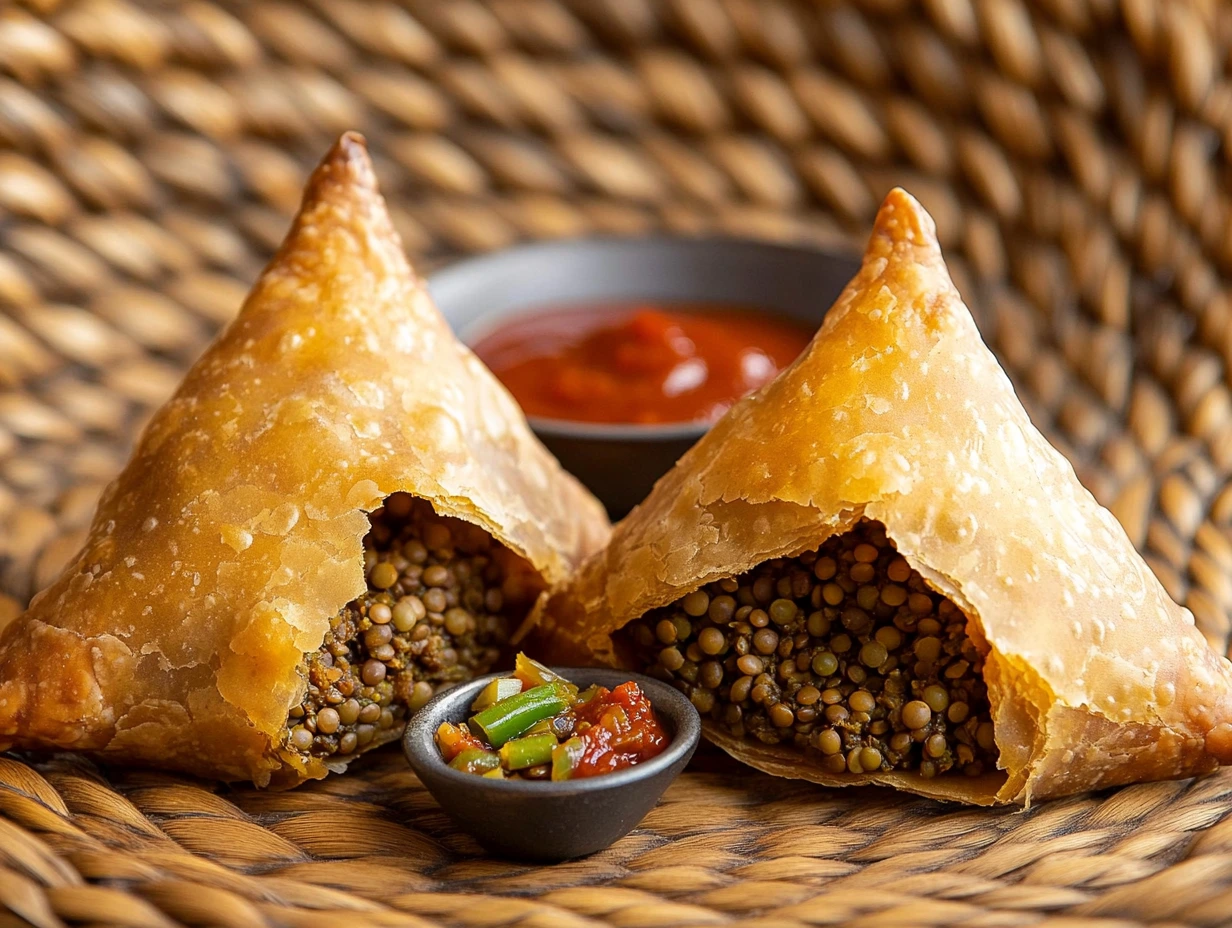
Sambusa is crisp Ethiopian triangular pastries filled with spiced lentils, onion and green chilli. This version uses measured ingredients, clear visual cues and the traditional flavour balance that makes the dish distinctive.
35 minsPrep time
30 minsCook time
Serves 6Servings
MediumDifficulty
Nutrition
Estimated nutrition per serving
These figures are estimates per serving. Actual nutrition can vary with the brands and exact amounts you use, how much oil, dressing or sauce is absorbed, any substitutions or added extras, and the portion size served.A practical guide for comparing recipes and planning meals.
310Calories
12gProtein
45gCarbs
10gFat
Ingredients
What you need
- 220 brown or green lentils
- 180 onion, finely diced
- 10 Garlic, minced
- 2 green chillies, finely chopped
- 1 ground cumin
- 1 ground coriander
- 0.25 ground cardamom
- 260 plain flour
- 140 water, for dough
- 20 neutral oil, for dough and filling
- 900 neutral frying oil
- 1.5 fine salt
Method
Step-by-step method
Follow the recipe in order, tasting and adjusting seasoning where needed.
- Rinse the lentils and simmer in unsalted water until just tender, about 18–22 minutes. Drain very thoroughly; wet filling softens the pastry and causes splitting during frying.
- Cook onion in 10 ml oil over medium heat until soft and lightly golden. Add garlic, chilli, cumin, coriander and cardamom and stir for 30 seconds, then fold in lentils and season. Cook another 2 minutes until dry and fragrant, then cool completely.
- Mix flour, salt, 10 ml oil and enough water to make a firm smooth dough. Knead 5 minutes, cover and rest 20 minutes.
- Divide the dough, roll very thin and cut into strips or circles. Form cones or triangles, add about 1 tablespoon filling and seal the edges with a flour-water paste, pressing out excess air.
- Heat frying oil to 175°C. Fry sambusas in small batches for 3–4 minutes, turning, until crisp and evenly golden.
- Drain on a rack and serve hot with a fresh chilli or tomato sauce, allowing the pastry to stay crisp rather than covering it.
Cook smarter
Tips, storage and serving advice
Shopping tips
Ingredient quality
Common mistakes
Chef’s tips
How to know it is cooked
Plating advice
Make ahead
Storage and reheating
Wine pairing
What to drink with Sambusa
These are wine-style pairings, so you can choose any bottle in that style rather than needing one exact producer. Look for the grape, region or style name on the label.Pairings are chosen around the dish’s flavour, texture, richness, acidity and cooking style, not just the country it comes from.

#1
Excellent match
Red
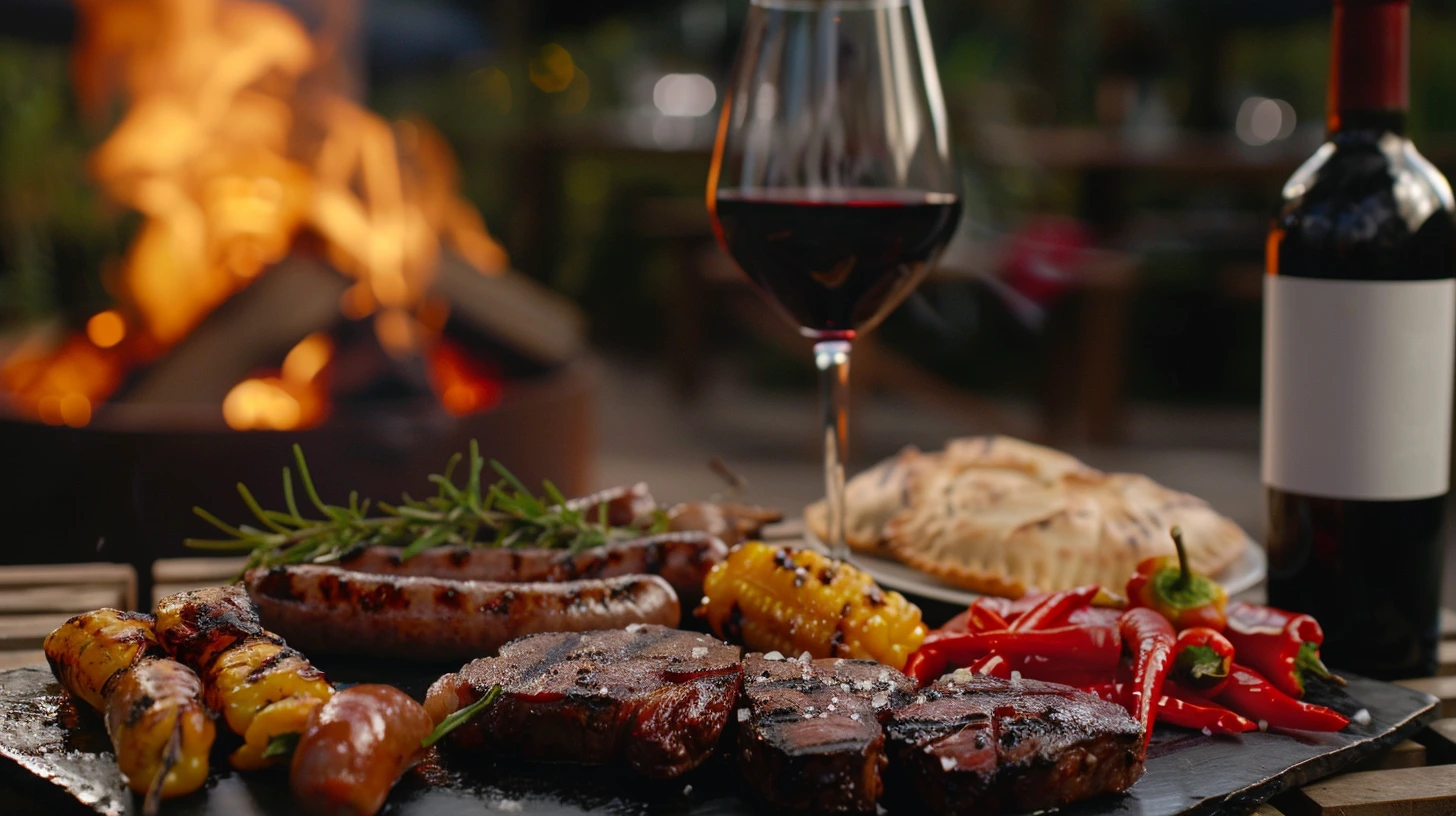
Cabernet Sauvignon / Bordeaux
Why it works:
- Flavour bridge: dark fruit, spice and savoury notes mirror browned meat and roasting flavours
- Acidity: Sufficient acidity keeps a rich meat dish energetic
- Body: Medium-full to full body matches the weight of the meat
- Tannin: Firm tannin is buffered by protein and fat
- Sweetness: Dry style maintains a savoury finish
- Best for: Dinner, entertaining or recipe pairing
#2
Great match
Red
Malbec
Why it works:
- Flavour bridge: dark fruit, spice and savoury notes mirror browned meat and roasting flavours
- Acidity: Sufficient acidity keeps a rich meat dish energetic
- Body: Medium-full to full body matches the weight of the meat
- Tannin: Firm tannin is buffered by protein and fat
- Sweetness: Dry style maintains a savoury finish
- Best for: Dinner, entertaining or recipe pairing
#3
Interesting match
Red
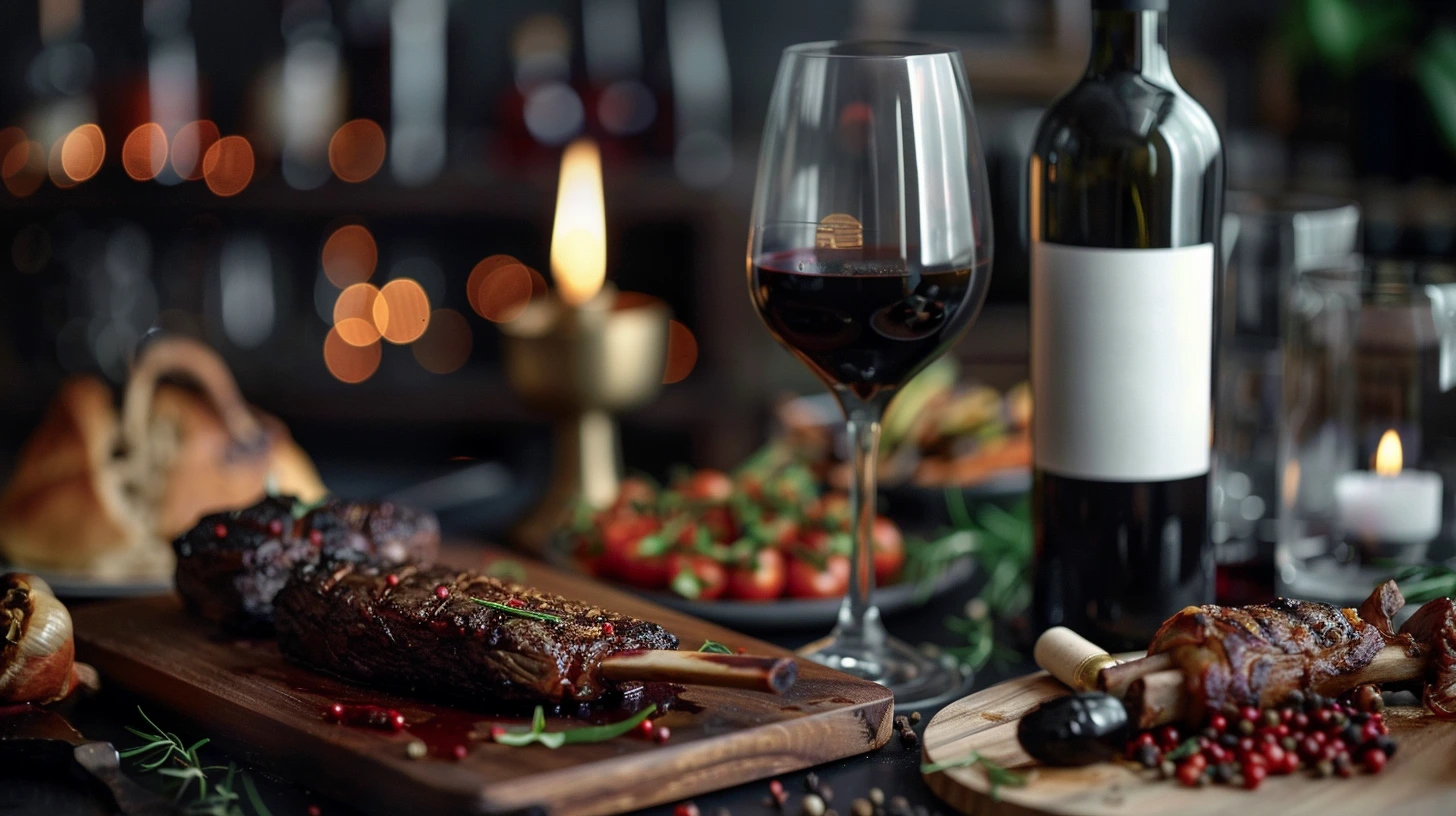
Syrah / Shiraz
Why it works:
- Flavour bridge: dark fruit, spice and savoury notes mirror browned meat and roasting flavours
- Acidity: Sufficient acidity keeps a rich meat dish energetic
- Body: Medium-full to full body matches the weight of the meat
- Tannin: Firm tannin is buffered by protein and fat
- Sweetness: Dry style maintains a savoury finish
- Best for: Dinner, entertaining or recipe pairing
Bottle suggestions
Specific wines to try
These are named bottles or regional wine examples already linked to this recipe. Each card opens the relevant wine-style guide because individual bottle pages are not currently published.Australian Semillon Sauvignon Blanc
Australian Semillon Sauvignon Blanc is credible here because it represents the matched Sauvignon Blanc style. Sauvignon Blan…
Explore this wine styleAustralian Shiraz
Australian Shiraz is credible here because it represents the matched Syrah / Shiraz style. Syrah offers pepper, dark fruit a…
Explore this wine styleAustralian Sparkling Brut
Australian Sparkling Brut is credible here because it represents the matched Champagne / Traditional Method Brut style. High…
Explore this wine styleCook next
View cuisine More Ethiopian recipes
Keep exploring the country’s food story through related starters, mains and desserts.
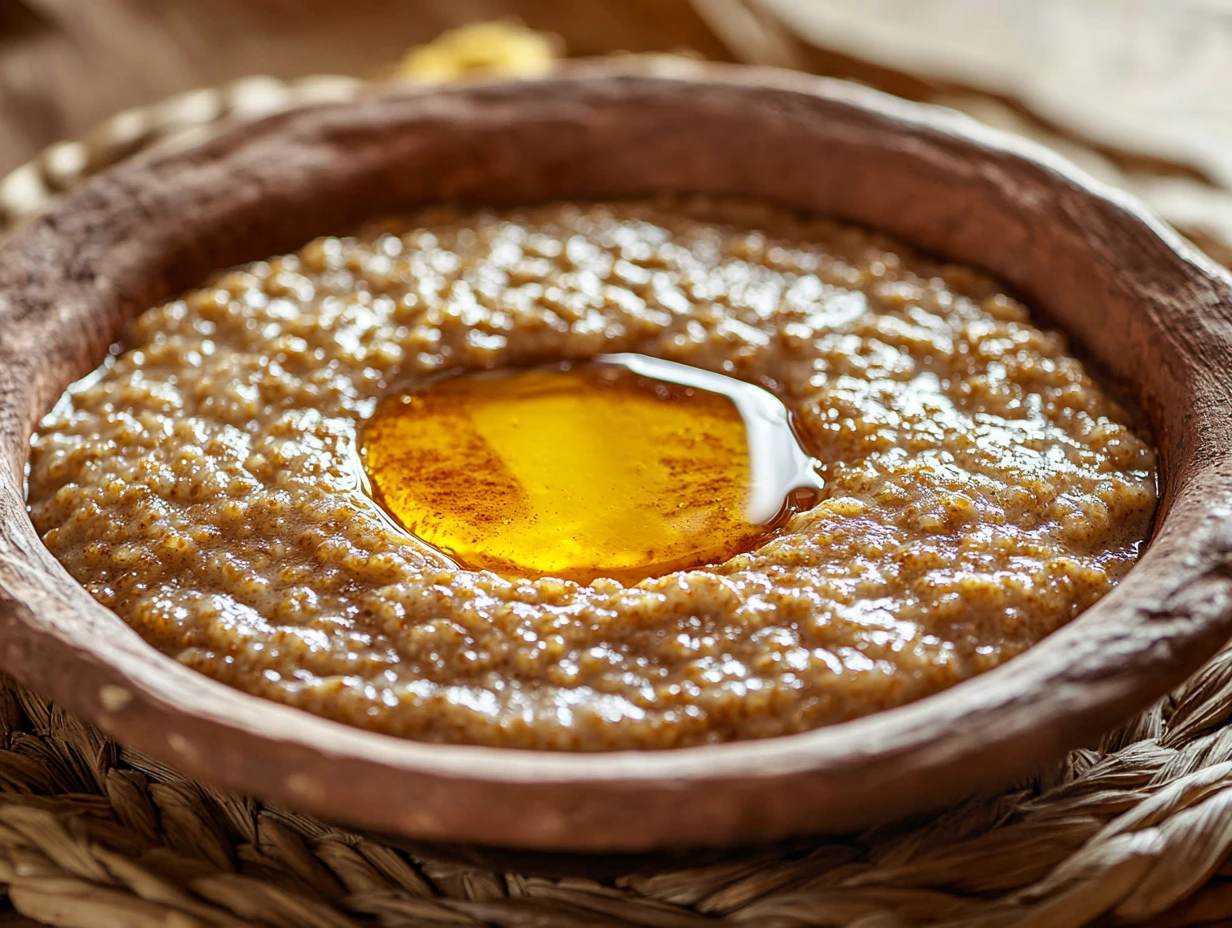
Genfo with Honey
Genfo is a thick Ethiopian barley porridge stirred vigorously until smooth, then served with a well…
Kolo
Kolo is an Ethiopian roasted-grain snack of barley, chickpeas and peanuts, lightly salted and eaten…

Dabo Kolo
Dabo Kolo is tiny crunchy Ethiopian baked dough bites, lightly sweet and spiced, traditionally eate…
Himbasha
Himbasha is a lightly sweet Ethiopian celebration bread scented with cardamom and marked with a tra…