Ethiopian Main

Alicha Wot

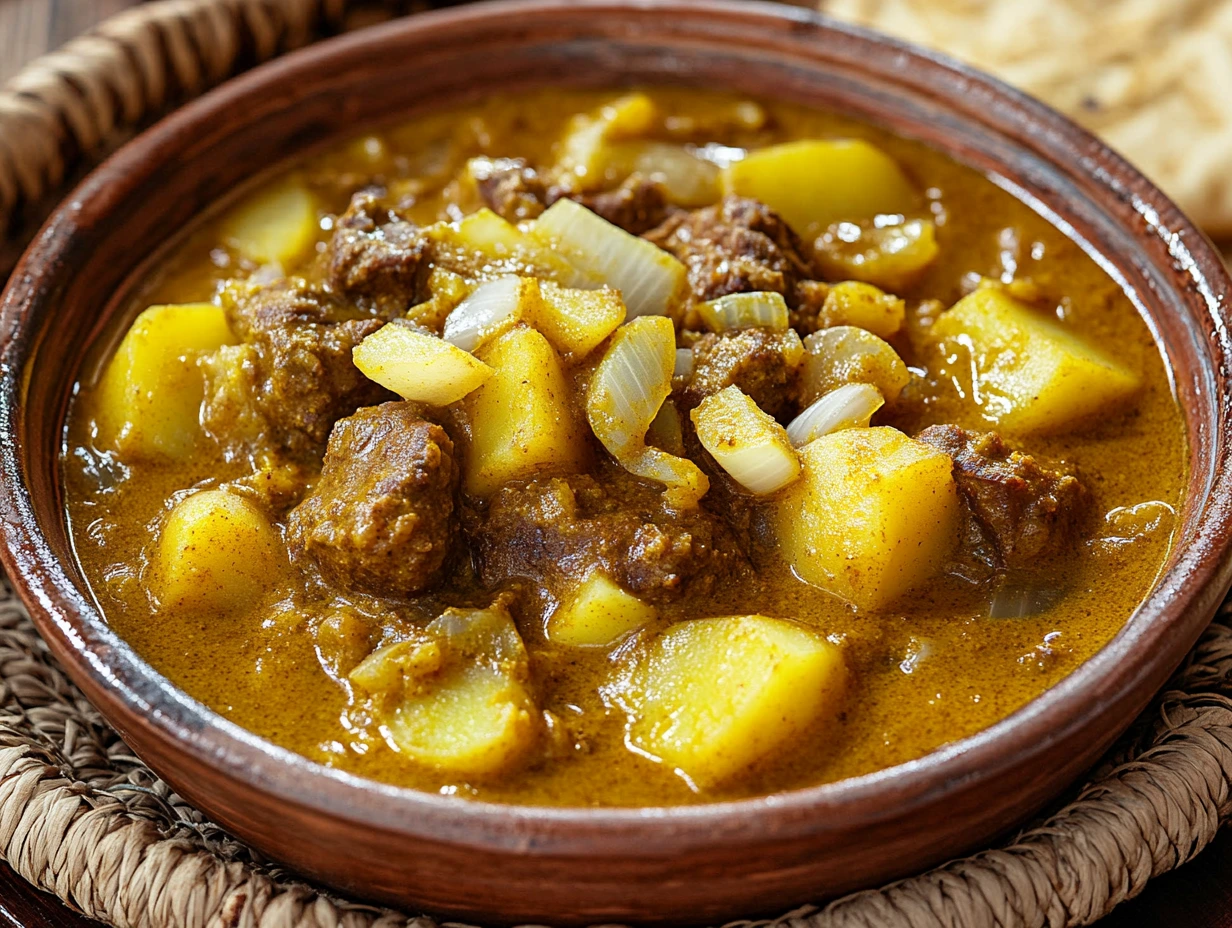
Alicha Wot is a mild Ethiopian beef stew with patiently cooked onion, ginger, garlic and turmeric, enriched with niter kibbeh and served with injera.

20 minsPrep time
1 hr 35 minsCook time
Serves 6Servings
MediumDifficulty
Alicha Wot
About this dish

Alicha Wot: the story on the plate

Alicha describes the milder, yellow side of Ethiopian stew cookery: turmeric and aromatic spice take the place of the large quantity of berbere used in a red wat. This beef version keeps that distinction clear. Onion is cooked patiently until sweet, then niter kibbeh, ginger, garlic, turmeric and korarima build a warm sauce around slowly tenderised beef. The result should be fragrant and savoury, not tomato-heavy or chilli-dominant, and it is particularly good beside a spicy lentil or red wat on injera.

Historical background

Alicha is a broad Ethiopian category for milder yellow stews, commonly distinguished from berbere-heavy red wats by turmeric and gentler aromatic seasoning. Meat, pulse and vegetable versions exist, so naming the main ingredient matters.

Why it is famous

Alicha shows that Ethiopian food is not uniformly hot. Its appeal lies in sweet cooked onion, warm turmeric, ginger and aromatic spice supporting meat without the dominant chilli of a red wat.

Cultural significance

On a shared platter, alicha provides colour and flavour contrast beside darker berbere stews, lentils, greens and fresh salads.

Nutrition

Estimated nutrition per serving

These figures are estimates per serving. Actual nutrition can vary with the brands and exact amounts you use, how much oil, dressing or sauce is absorbed, any substitutions or added extras, and the portion size served.

A practical guide for comparing recipes and planning meals.

435Calories
17gProtein
52gCarbs
19gFat
Ingredients

What you need

  • 900 beef shoulder, cut into 3 cm cubes
  • 450 red onions, very finely sliced
  • 45 use clarified butter plus cardamom and fenugreek only if niter kibbeh is unavailable
  • 20 Garlic, finely grated
  • 20 fresh ginger, grated
  • 6 ground turmeric
  • 2 ground korarima or cardamom
  • 2 green chillies, slit lengthways
  • 650 water, add a little more only if needed
  • 2 fine salt, adjust at the end
  • 0.5 black pepper
Method

Step-by-step method

Follow the recipe in order, tasting and adjusting seasoning where needed.

  1. Put the sliced onions in a wide heavy pot over medium-low heat with 60 ml of the water. Cook slowly for 15–20 minutes, stirring often, until collapsed, sweet and beginning to take on colour.
  2. Add niter kibbeh, garlic, ginger, turmeric, korarima and black pepper. Cook for 2–3 minutes until deeply fragrant.
  3. Add the beef and salt. Turn the pieces through the onion mixture for 6–8 minutes until the outside loses its raw colour and picks up the spice base.
  4. Pour in the remaining water, bring to a gentle simmer, cover partially and cook for 55–70 minutes, stirring occasionally, until the beef is tender.
  5. Add the slit green chillies for the final 8–10 minutes. Taste and correct salt; simmer uncovered if the sauce needs tightening.
  6. Spoon the alicha onto injera with some sauce around the beef. Pair with a spicy lentil dish, greens or salad for contrast.
Cook smarter

Tips, storage and serving advice

Shopping tips

Use fresh aromatics and Ethiopian speciality ingredients where they define the dish; substitutions are named in the recipe rather than hidden. Check labels on compound ingredients such as sauces, spice blends, stocks, kimchi, fermented pastes and prepared breads when cooking for allergies.

Ingredient quality

Prioritise fresh ginger and garlic, fragrant spices and correctly labelled Ethiopian pantry ingredients. Measure by weight for repeatable results.

Common mistakes

Adding tomatoes and generic curry powder until the dish tastes like a different stew, rushing the onion stage, or boiling the beef too hard.

Chef’s tips

Cook the onions until their rawness is completely gone before adding fat and spices. Keep the stew at a patient simmer and use hot water only in small additions.

How to know it is cooked

The beef yields easily to a fork and the sauce clings to it rather than pooling like broth.

Plating advice

Serve on injera with the beef pieces visible and enough sauce to soak into the bread without drowning neighbouring dishes.

Make ahead

Excellent made a day ahead; cool quickly, refrigerate and reheat slowly so the beef remains tender.

Storage and reheating

Refrigerate covered for up to 3 days. Reheat gently to piping hot with a splash of water if the sauce has become too thick.

Wine pairing

What to drink with Alicha Wot

These are wine-style pairings, so you can choose any bottle in that style rather than needing one exact producer. Look for the grape, region or style name on the label.

Pairings are chosen around the dish’s flavour, texture, richness, acidity and cooking style, not just the country it comes from.

Off-Dry Riesling wine pairing
#1 Excellent match White

Off-Dry Riesling

Why it works:

Off-Dry Riesling is an excellent partner for Alicha Wot: aromatic fruit and freshness soften the perception of chilli and spice, while restrained tannin avoids making heat feel harsher.

Slightly sweet, high-acid Riesling that balances spice, salt, smoked pork and sweet-sour sauces without tasting heavy.

GrapeRiesling
RegionMosel, Pfalz, Alsace, Austria
Wine flavourlime, peach, apricot, honey, slate
Serve at7-9°C
  • Flavour bridge: aromatic fruit connects with spice while a cool, fresh finish resets the palate
  • Acidity: High freshness cuts through oil and rich spice pastes
  • Body: Enough flavour intensity for spice without excessive weight
  • Tannin: Low tannin avoids exaggerating bitterness and heat
  • Sweetness: A dry-to-off-dry profile can cushion chilli heat
  • Best for: Dinner, entertaining or recipe pairing
View wine guide
Gewürztraminer wine pairing
#2 Great match White

Gewürztraminer

Why it works:

Gewürztraminer offers a compelling alternative for Alicha Wot: aromatic fruit and freshness soften the perception of chilli and spice, while restrained tannin avoids making heat feel harsher.

Highly aromatic white with lychee, rose, ginger and spice. Works with fragrant dishes, rich cheese and lightly sweet desserts.

GrapeGewürztraminer
RegionAlsace, Alto Adige, Germany
Wine flavourlychee, rose, ginger, peach, spice
Serve at8-10°C
  • Flavour bridge: aromatic fruit connects with spice while a cool, fresh finish resets the palate
  • Acidity: High freshness cuts through oil and rich spice pastes
  • Body: Enough flavour intensity for spice without excessive weight
  • Tannin: Low tannin avoids exaggerating bitterness and heat
  • Sweetness: A dry-to-off-dry profile can cushion chilli heat
  • Best for: Dinner, entertaining or recipe pairing
View wine guide
Dry Riesling wine pairing
#3 Interesting match White

Dry Riesling

Why it works:

For a more adventurous pairing, dry Riesling is an excellent partner for Alicha Wot: aromatic fruit and freshness soften the perception of chilli and spice, while restrained tannin avoids making heat feel harsher.

A precise, high-acid white with lime, green apple, blossom and mineral tension. It loves pork, fish, cabbage, spice and rich sauces.

GrapeRiesling
RegionMosel, Rheingau, Alsace, Clare Valley
Wine flavourlime, green apple, petrol, slate, blossom
Serve at8-10°C
  • Flavour bridge: aromatic fruit connects with spice while a cool, fresh finish resets the palate
  • Acidity: High freshness cuts through oil and rich spice pastes
  • Body: Enough flavour intensity for spice without excessive weight
  • Tannin: Low tannin avoids exaggerating bitterness and heat
  • Sweetness: A dry-to-off-dry profile can cushion chilli heat
  • Best for: Dinner, entertaining or recipe pairing
View wine guide
Bottle suggestions

Specific wines to try

These are named bottles or regional wine examples already linked to this recipe. Each card opens the relevant wine-style guide because individual bottle pages are not currently published.