
Ethiopian Main
Tibs
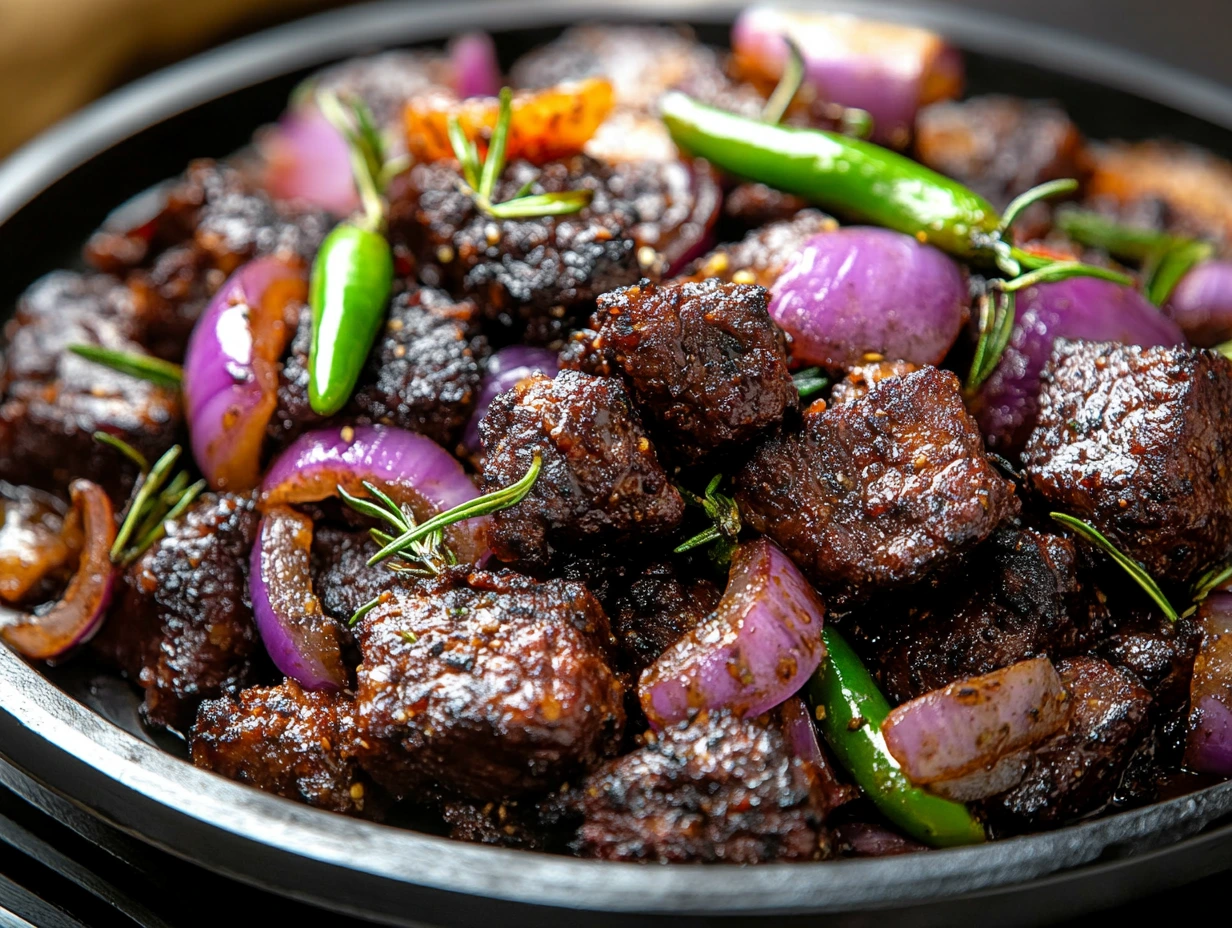
Tibs is Ethiopian beef quickly seared with onion, rosemary, green chilli and niter kibbeh so the meat stays juicy and the edges char. This version uses measured ingredients, clear visual cues and the traditional flavour balance that makes the dish distinctive.
20 minsPrep time
15 minsCook time
Serves 4Servings
EasyDifficulty
Nutrition
Estimated nutrition per serving
These figures are estimates per serving. Actual nutrition can vary with the brands and exact amounts you use, how much oil, dressing or sauce is absorbed, any substitutions or added extras, and the portion size served.A practical guide for comparing recipes and planning meals.
520Calories
44gProtein
9gCarbs
35gFat
Ingredients
What you need
- 700 beef sirloin, cut into 2.5 cm cubes
- 220 red onion, sliced
- 3 green chillies, split
- 3 fresh rosemary, sprigs
- 12 Garlic, sliced
- 50 niter kibbeh
- 15 neutral oil
- 1 mitmita, optional
- 1.5 fine salt
Method
Step-by-step method
Follow the recipe in order, tasting and adjusting seasoning where needed.
- Pat the beef dry and season with salt just before cooking. Heat a heavy skillet until very hot, then add neutral oil.
- Sear beef in two batches for 2–3 minutes each, turning only after a dark crust forms. Remove while the centres are still slightly under your preferred doneness.
- Lower the heat to medium, add onion and cook 4 minutes until softened at the edges but still retaining some bite.
- Add niter kibbeh, rosemary, garlic and green chillies and cook 45 seconds until intensely aromatic.
- Return the beef and its juices and toss for 1–2 minutes. Sprinkle with optional mitmita at the end rather than burning it in the pan.
- Serve sizzling, ideally on a hot plate or injera, with the beef browned outside and still juicy inside.
Cook smarter
Tips, storage and serving advice
Shopping tips
Ingredient quality
Common mistakes
Chef’s tips
How to know it is cooked
Plating advice
Make ahead
Storage and reheating
Wine pairing
What to drink with Tibs
These are wine-style pairings, so you can choose any bottle in that style rather than needing one exact producer. Look for the grape, region or style name on the label.Pairings are chosen around the dish’s flavour, texture, richness, acidity and cooking style, not just the country it comes from.

#1
Excellent match
White
Off-Dry Riesling
Why it works:
- Flavour bridge: aromatic fruit connects with spice while a cool, fresh finish resets the palate
- Acidity: High freshness cuts through oil and rich spice pastes
- Body: Enough flavour intensity for spice without excessive weight
- Tannin: Low tannin avoids exaggerating bitterness and heat
- Sweetness: A dry-to-off-dry profile can cushion chilli heat
- Best for: Dinner, entertaining or recipe pairing

#2
Great match
White
Gewürztraminer
Why it works:
- Flavour bridge: aromatic fruit connects with spice while a cool, fresh finish resets the palate
- Acidity: High freshness cuts through oil and rich spice pastes
- Body: Enough flavour intensity for spice without excessive weight
- Tannin: Low tannin avoids exaggerating bitterness and heat
- Sweetness: A dry-to-off-dry profile can cushion chilli heat
- Best for: Dinner, entertaining or recipe pairing
#3
Interesting match
White
Dry Riesling
Why it works:
- Flavour bridge: aromatic fruit connects with spice while a cool, fresh finish resets the palate
- Acidity: High freshness cuts through oil and rich spice pastes
- Body: Enough flavour intensity for spice without excessive weight
- Tannin: Low tannin avoids exaggerating bitterness and heat
- Sweetness: A dry-to-off-dry profile can cushion chilli heat
- Best for: Dinner, entertaining or recipe pairing
Bottle suggestions
Specific wines to try
These are named bottles or regional wine examples already linked to this recipe. Each card opens the relevant wine-style guide because individual bottle pages are not currently published.Australian Semillon Sauvignon Blanc
Australian Semillon Sauvignon Blanc is credible here because it represents the matched Sauvignon Blanc style. Sauvignon Blan…
Explore this wine styleAustralian Shiraz
Australian Shiraz is credible here because it represents the matched Syrah / Shiraz style. Syrah offers pepper, dark fruit a…
Explore this wine styleChianti Classico – Rocca delle Macìe
Chianti Classico – Rocca delle Macìe is credible here because it represents the matched Chianti / Sangiovese style. Sangiove…
Explore this wine styleIndian Food Gewürztraminer
Indian Food Gewürztraminer is credible here because it represents the matched Gewürztraminer style. Gewürztraminer has aroma…
Explore this wine styleCook next
View cuisine More Ethiopian recipes
Keep exploring the country’s food story through related starters, mains and desserts.
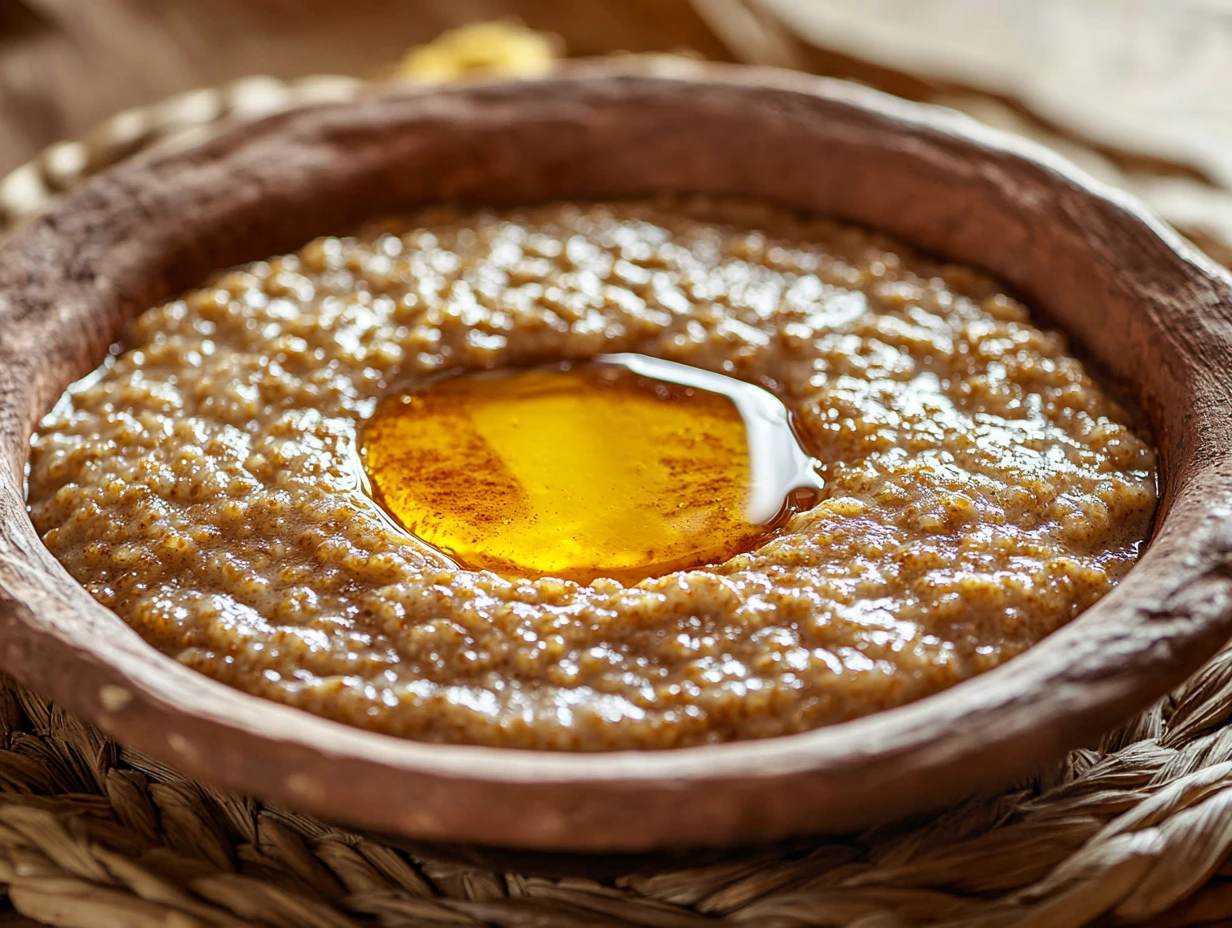
Genfo with Honey
Genfo is a thick Ethiopian barley porridge stirred vigorously until smooth, then served with a well…
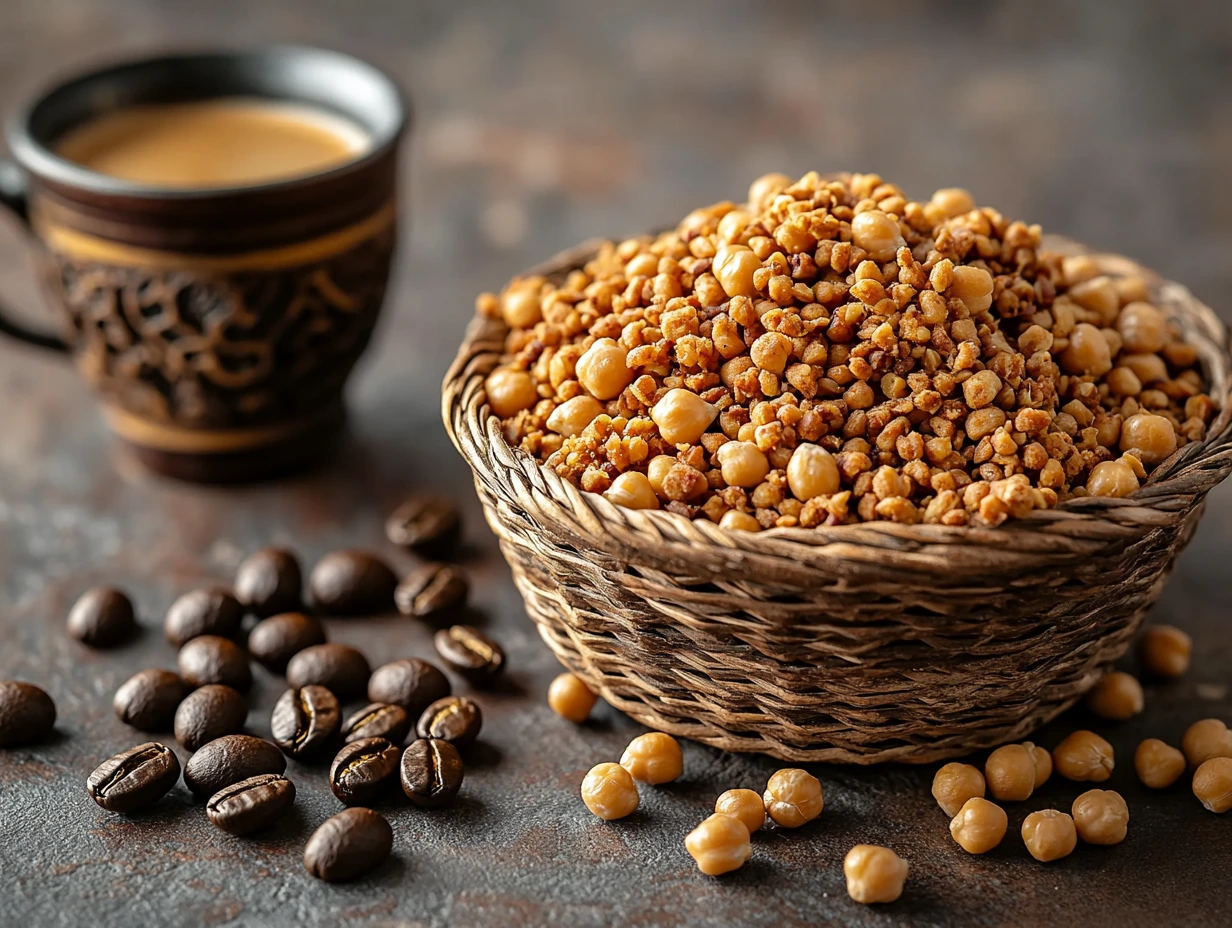
Kolo
Kolo is an Ethiopian roasted-grain snack of barley, chickpeas and peanuts, lightly salted and eaten…

Dabo Kolo
Dabo Kolo is tiny crunchy Ethiopian baked dough bites, lightly sweet and spiced, traditionally eate…
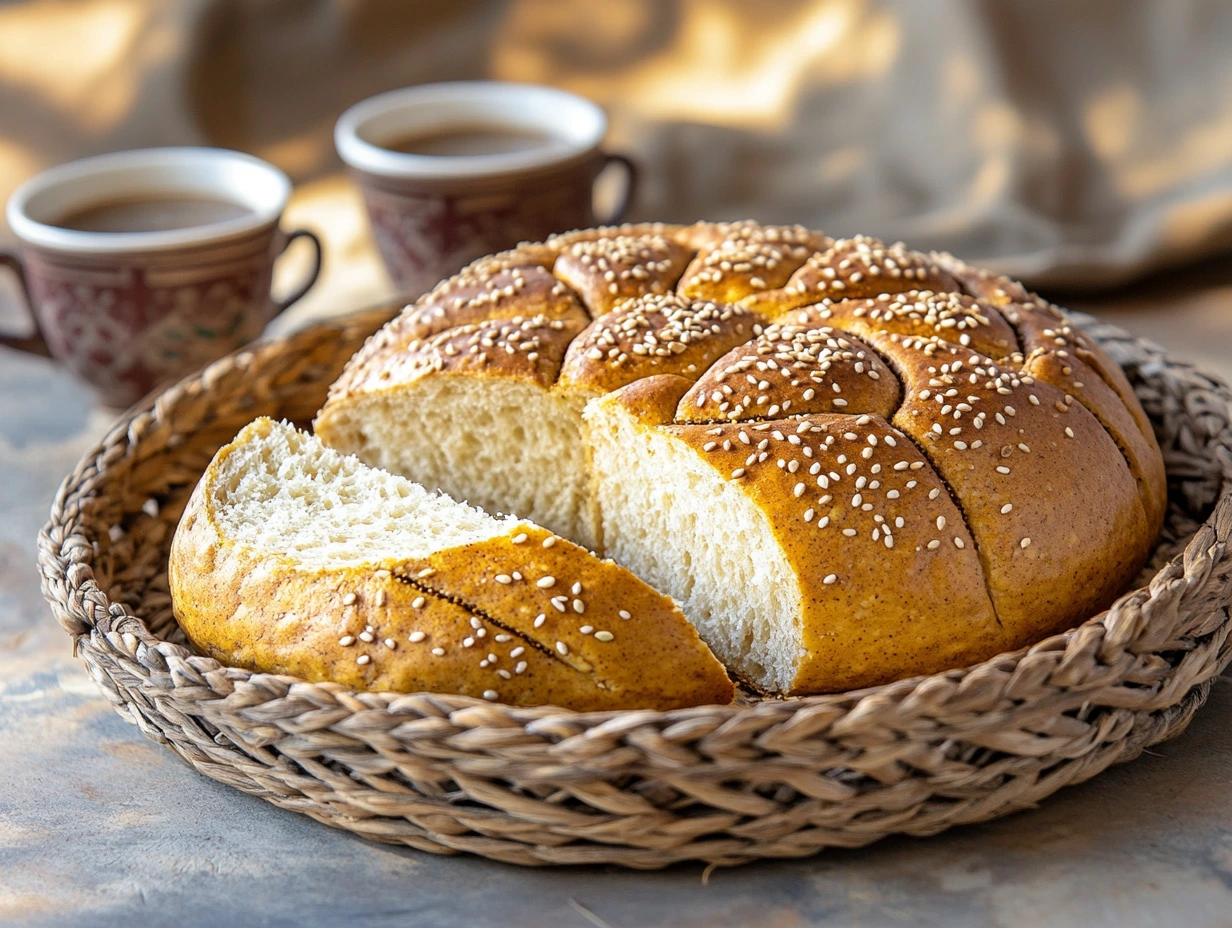
Himbasha
Himbasha is a lightly sweet Ethiopian celebration bread scented with cardamom and marked with a tra…