Georgian food through cheese bread, dumplings, walnuts, herbs, sour fruit and the supra feast
Georgia's food developed between the Black Sea and Caucasus mountains on routes that connected the eastern Mediterranean, Anatolia, Persia and the wider Caucasus. Local agriculture supplied grapes, walnuts, fruit, beans, grains, herbs and livestock, while trade and empire brought ingredients and techniques into constant contact. Wine is especially important: Georgia's qvevri method ferments and stores wine in large earthenware vessels and is recognised by UNESCO as intangible cultural heritage. Food and wine meet most visibly at the supra, a structured feast in which a tamada leads toasts and hospitality becomes a public art. Regional cooking remains highly distinct, so khachapuri, khinkali, herb-heavy stews and walnut sauces should be understood as families of dishes rather than one national formula.
Why it is famous
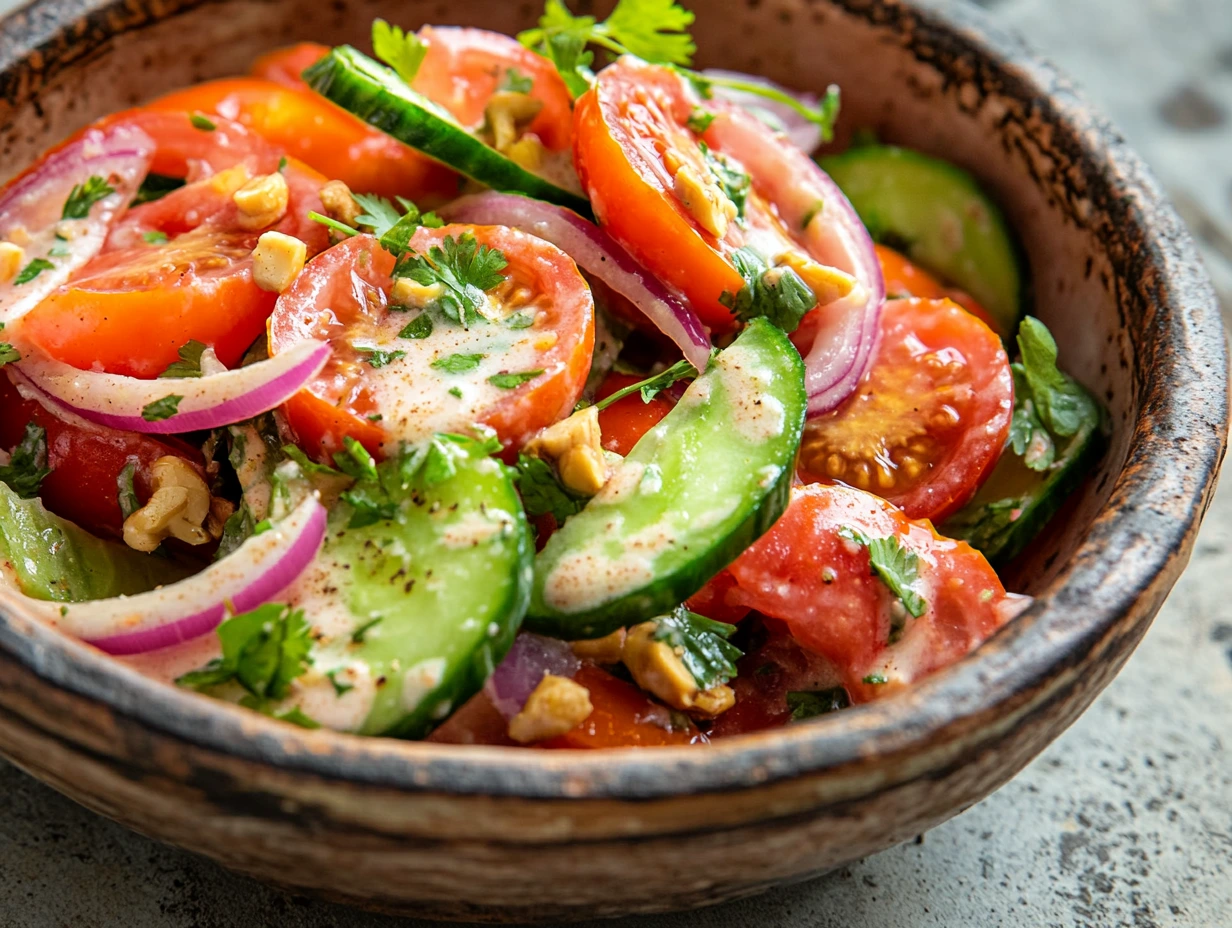
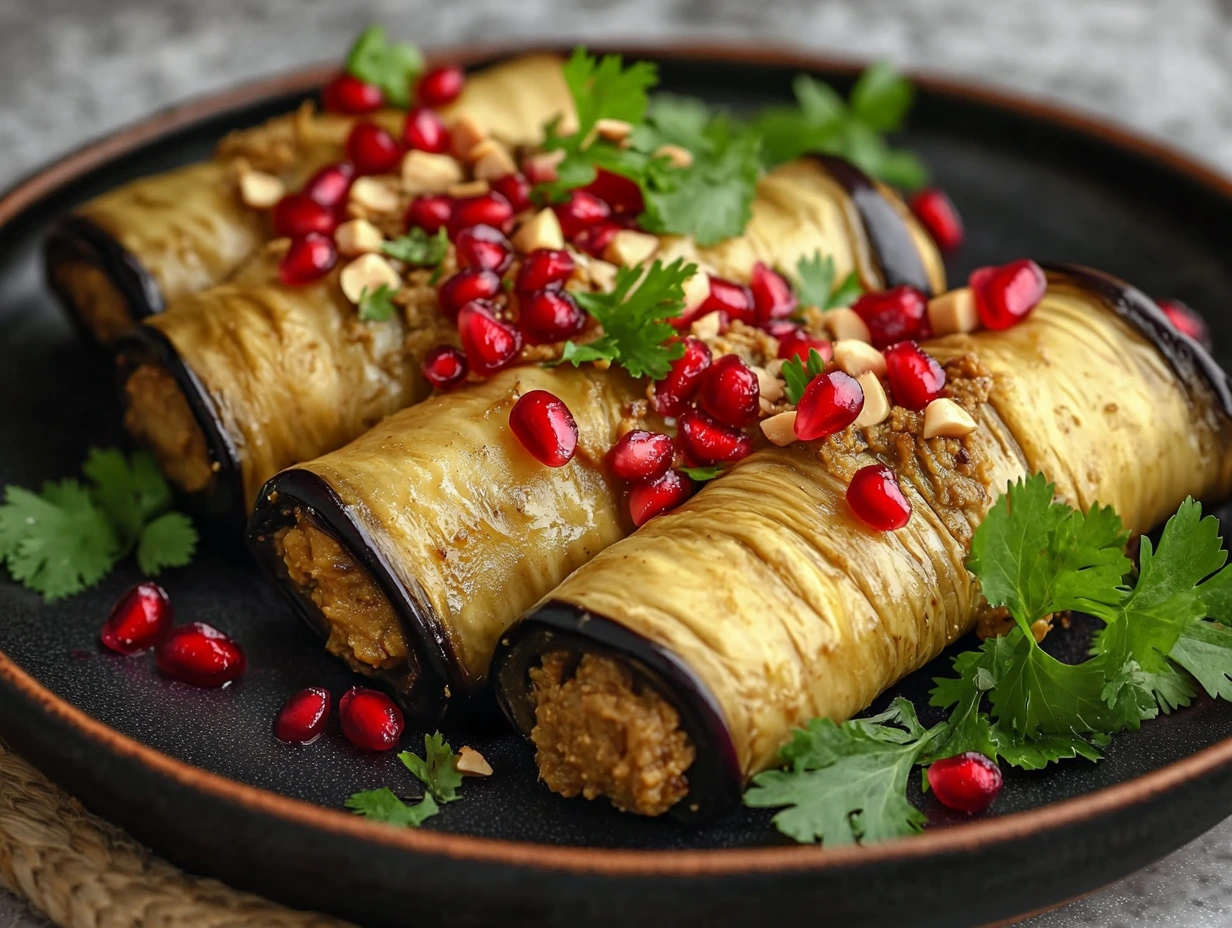
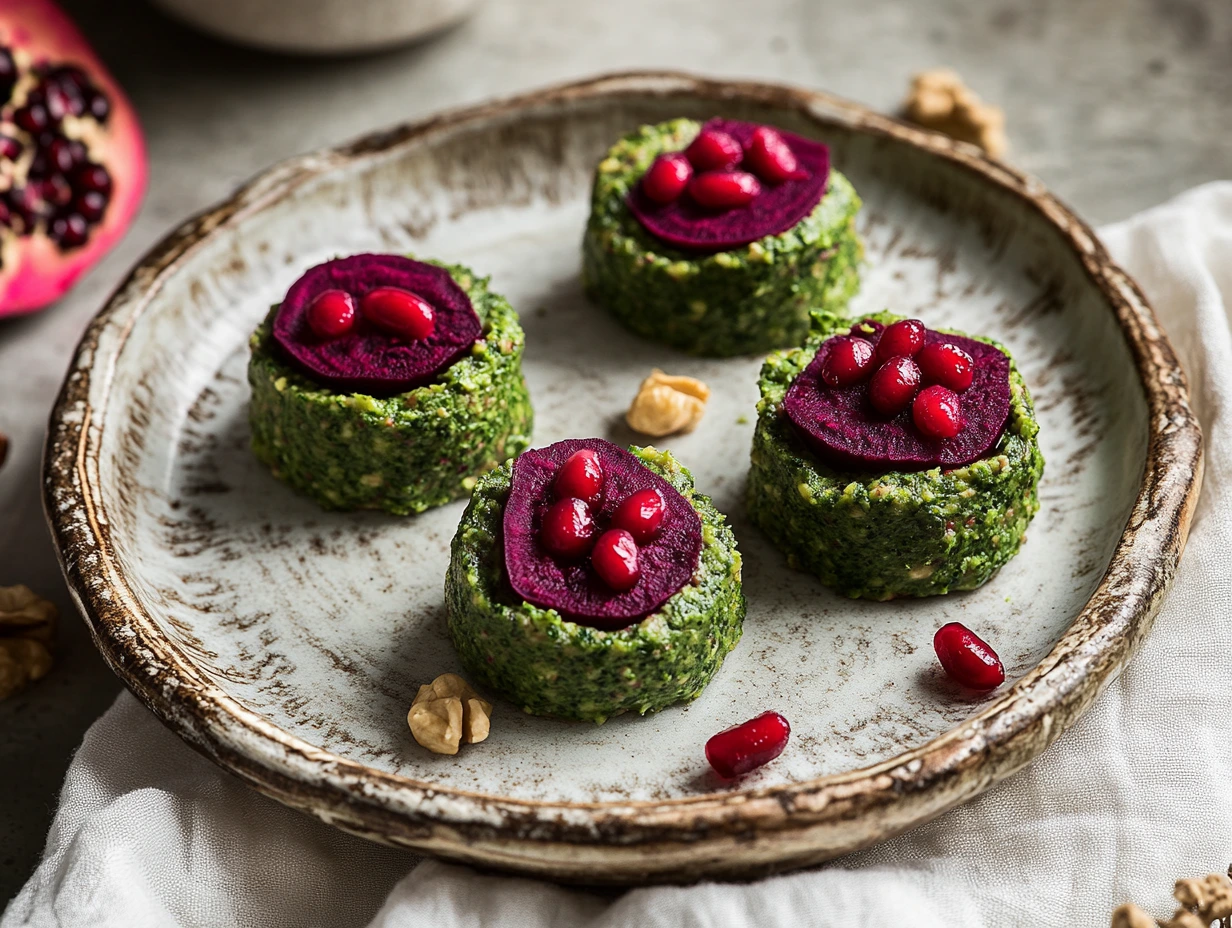
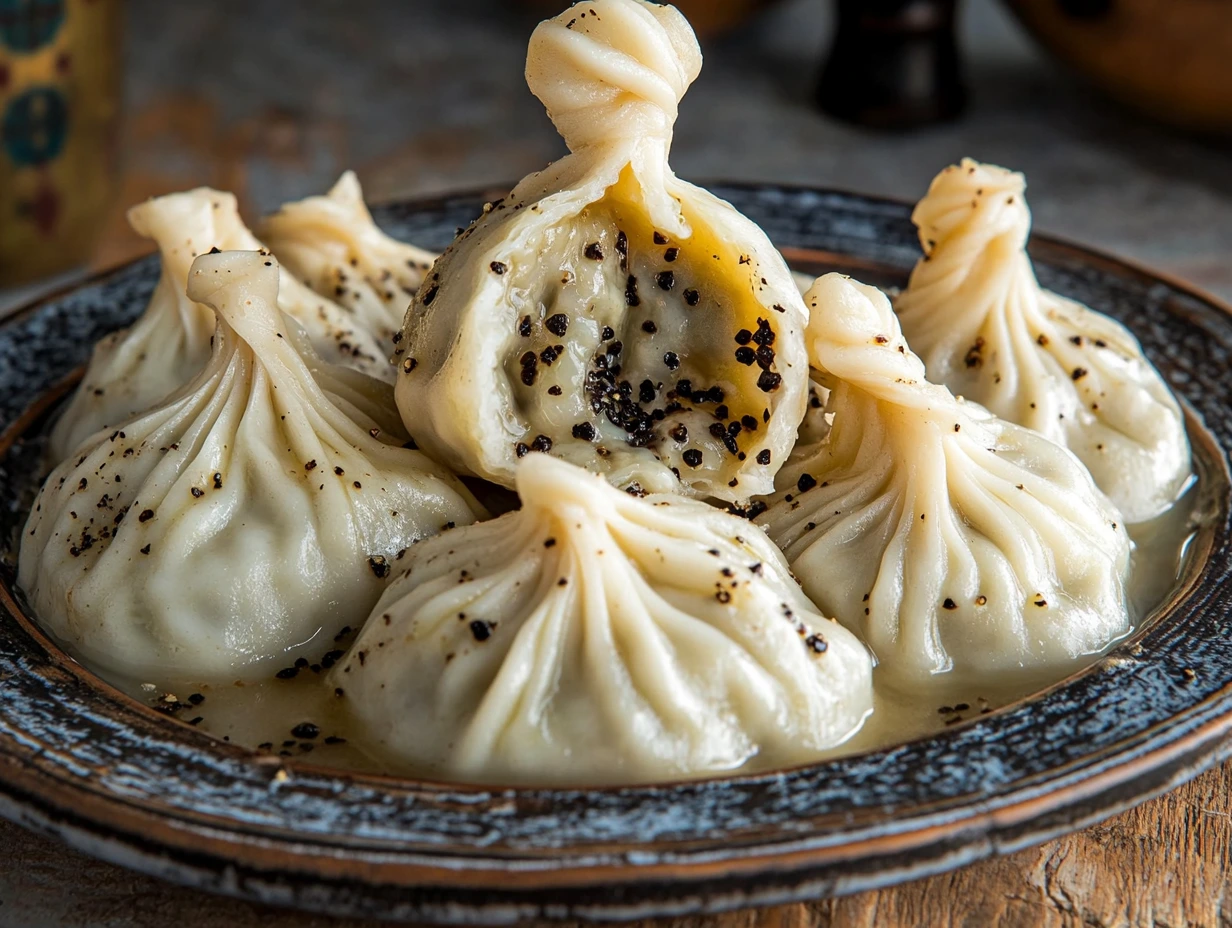
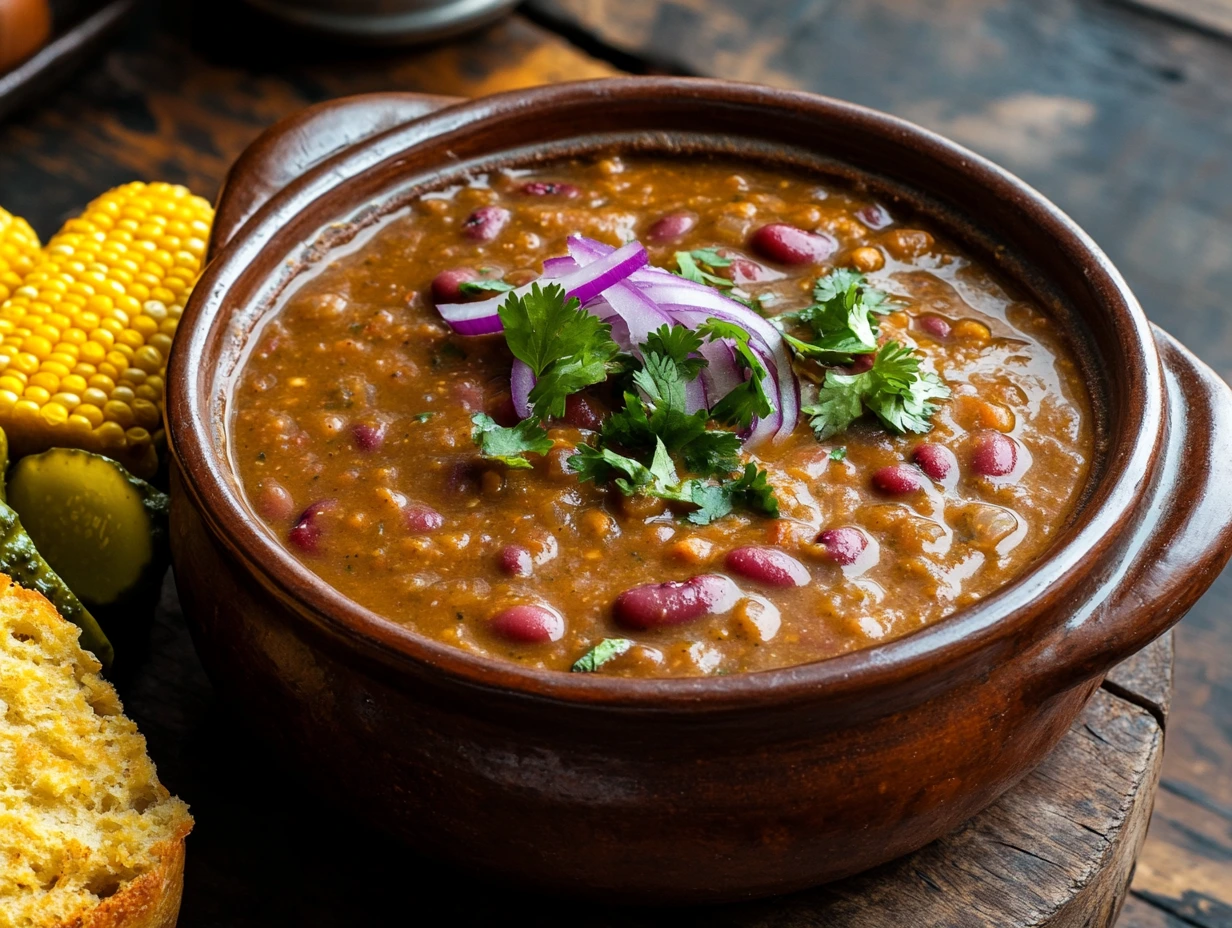
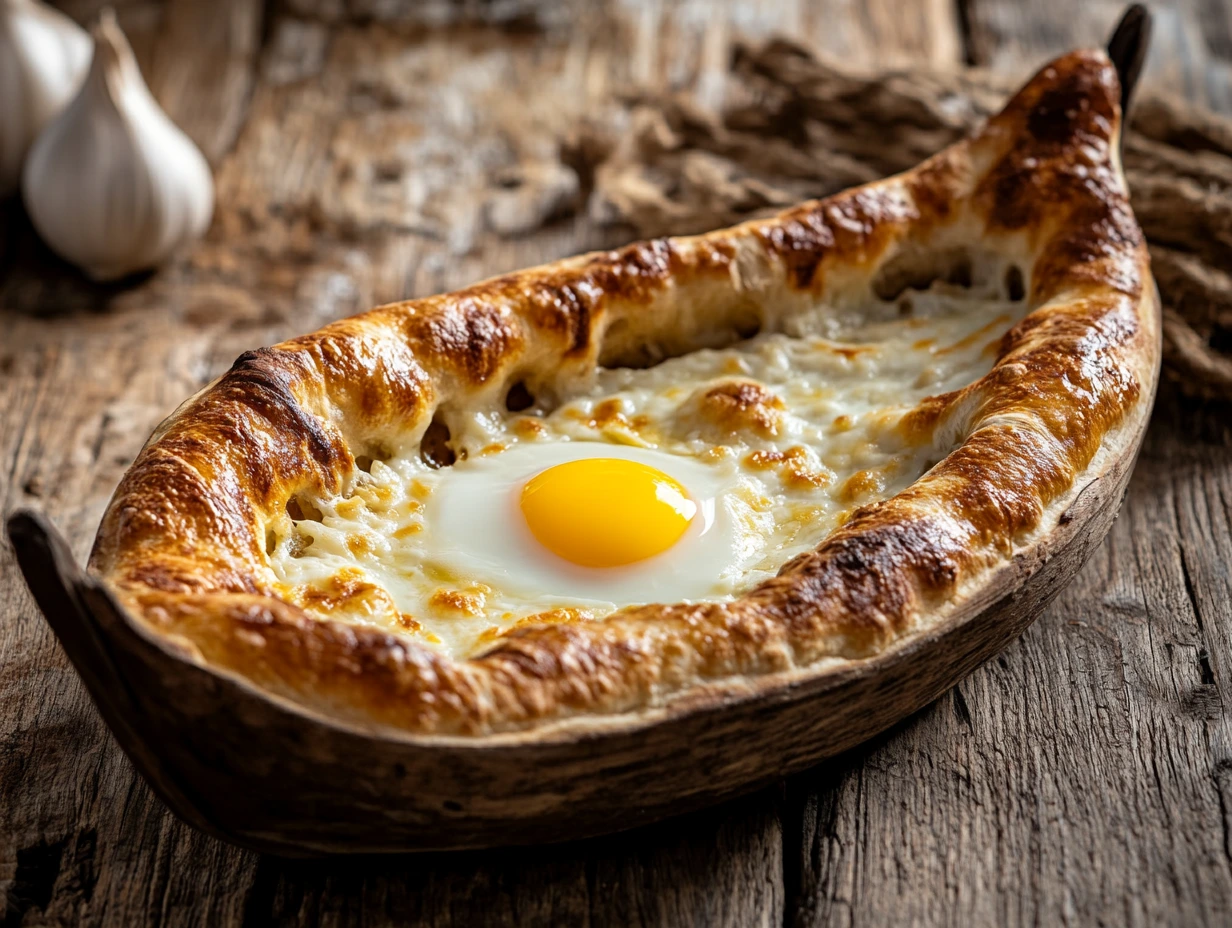
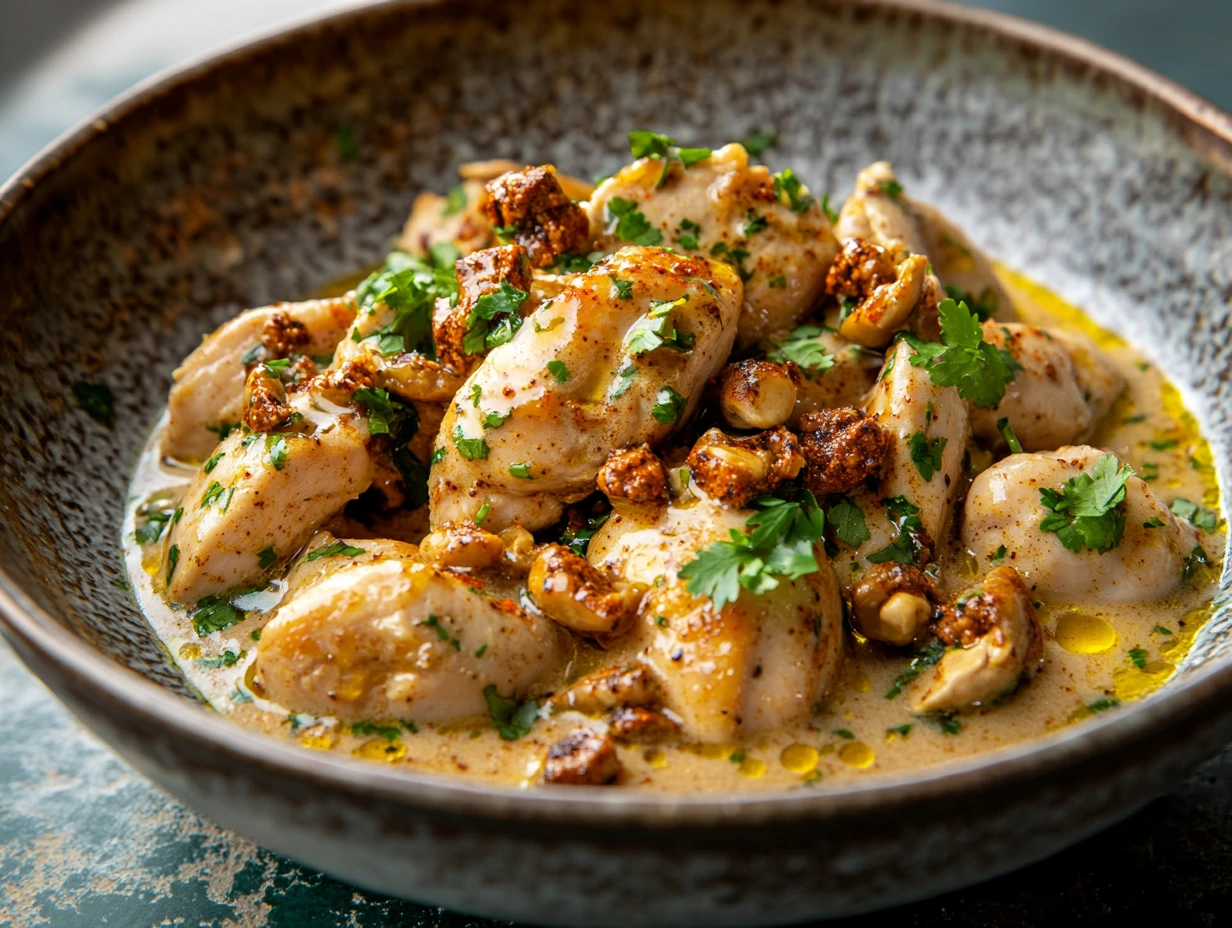
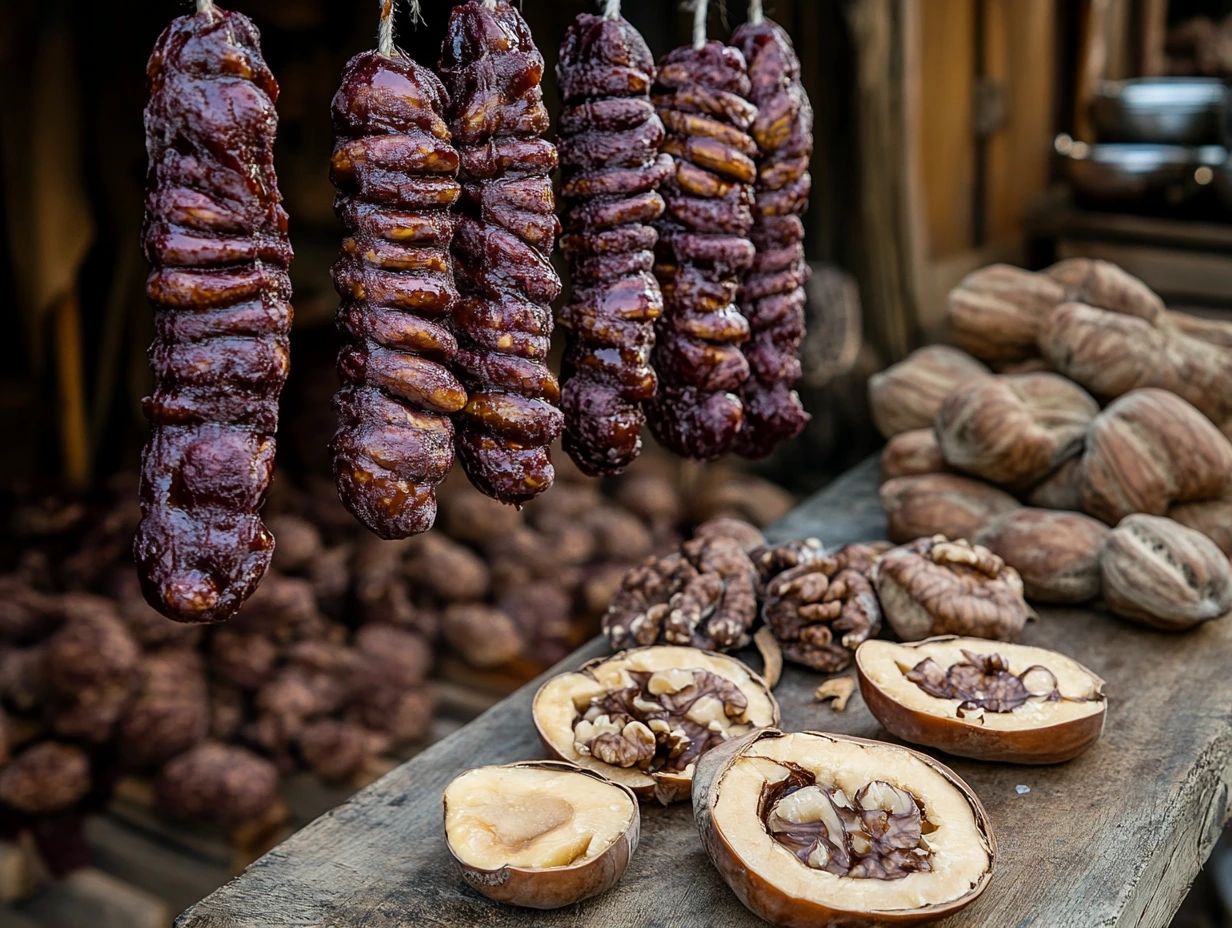
Georgia is famous for khachapuri, khinkali, pkhali, walnut-stuffed aubergine, lobio, satsivi, grilled meats, tkemali and churchkhela. What makes the cuisine distinctive is the repeated combination of nuts, herbs, sourness and warm spice. Cheese breads and dumplings may attract the most attention abroad, but cold vegetable dishes and sauces are just as important to the character of a Georgian table.
Regional food story
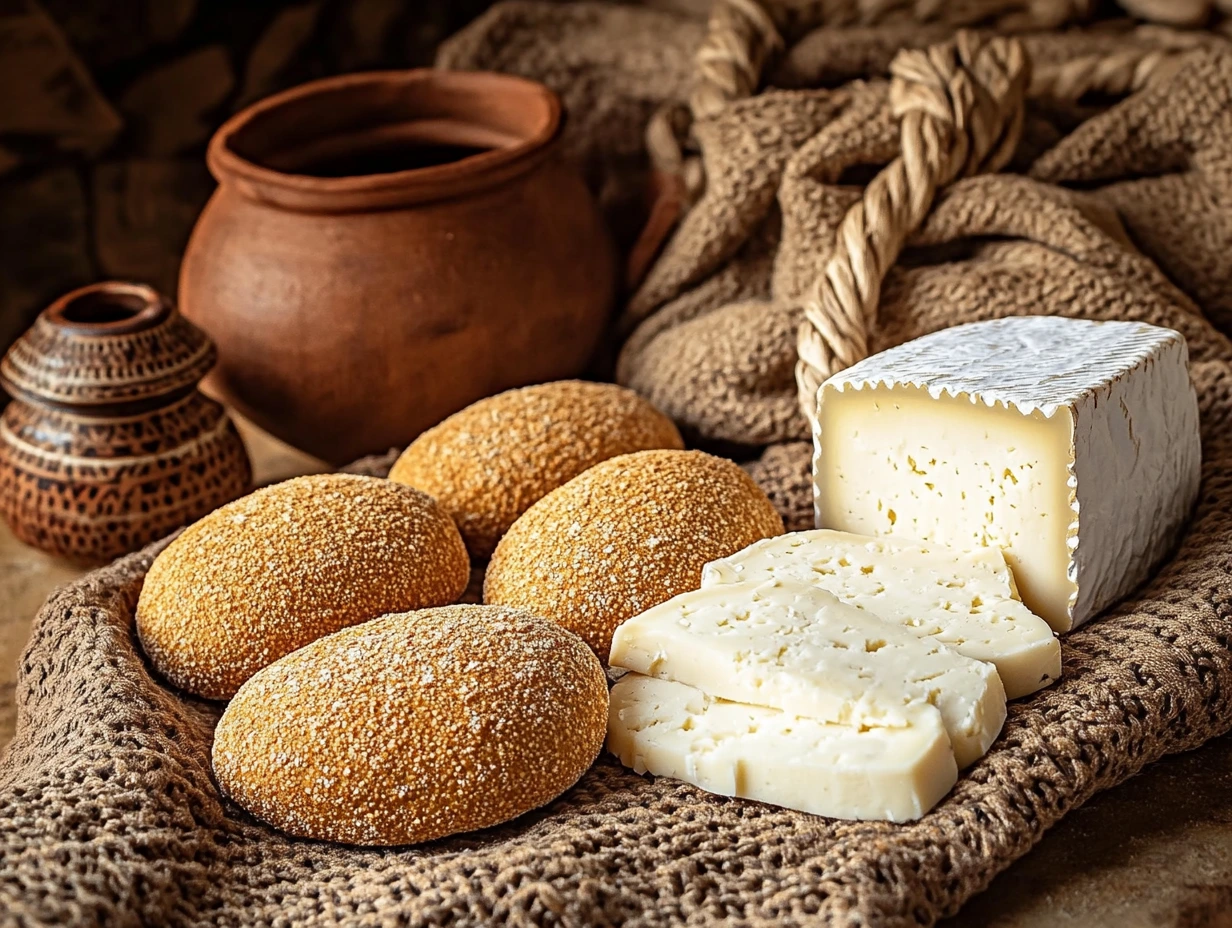
Adjara is identified with open boat-shaped Adjaruli khachapuri and Black Sea influences; Imereti with Imeruli khachapuri and local cheeses; Samegrelo with sulguni, cornmeal and hotter seasoning; Kakheti with wine, bread and meat; mountain regions such as Khevsureti and Mtiuleti are closely linked with khinkali and hearty food. Western Georgia tends to make especially visible use of walnuts, herbs and maize.