Georgian Dessert

Churchkhela

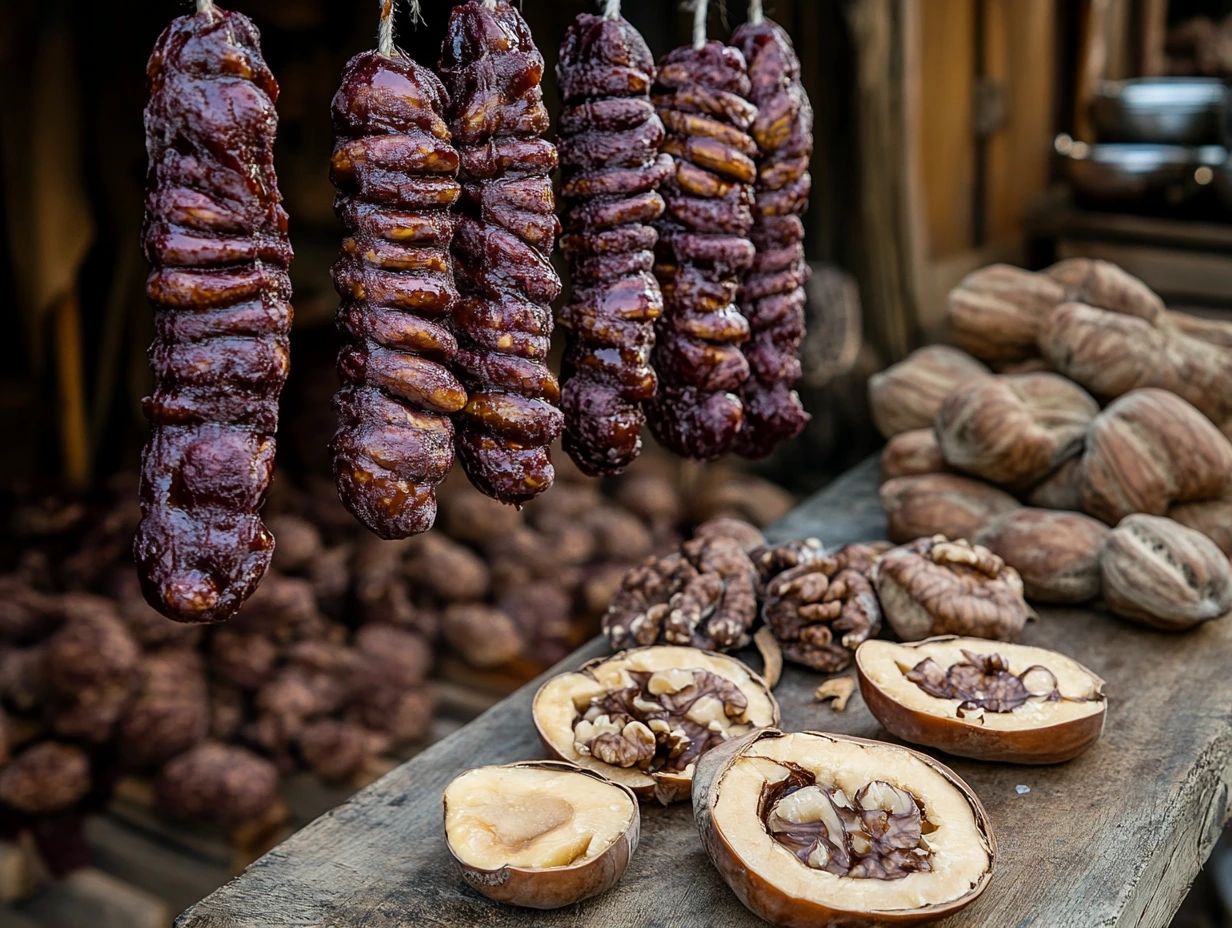
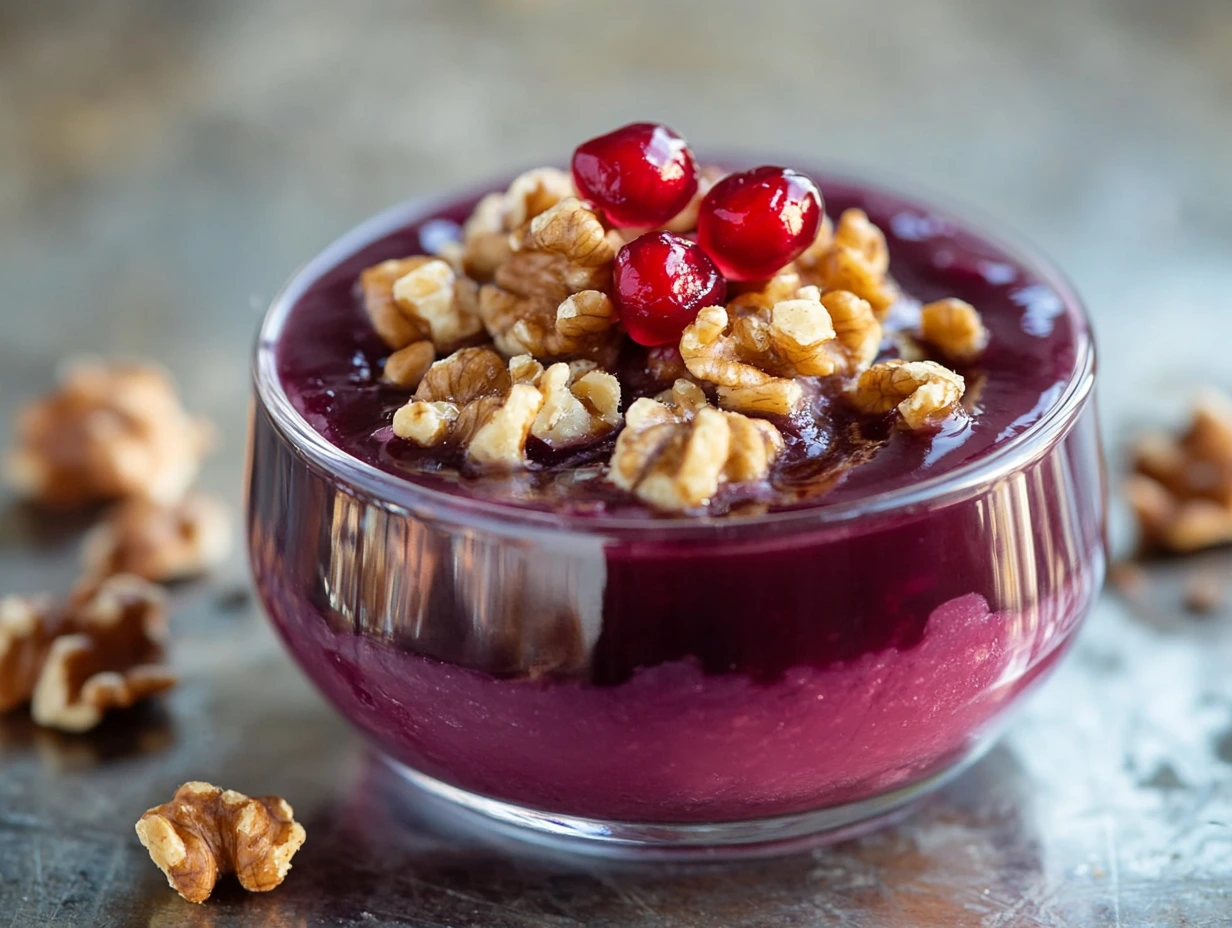
Churchkhela is Georgia’s iconic walnut strings repeatedly dipped in thickened grape must and dried into chewy, naturally sweet batons. This version uses measured ingredients, clear visual cues and the traditional flavour balance that makes the dish distinctive.

1 hrPrep time
45 minsCook time
Serves 10Servings
HardDifficulty
Churchkhela
About this dish

Churchkhela: the story on the plate

Churchkhela is a Georgian dessert with a clear sense of place. Churchkhela is one of Georgia’s most recognisable traditional sweets. Nuts are threaded and coated with tatara, a thickened grape-must mixture linked to the country’s ancient grape and wine culture. The recipe below keeps the defining ingredients and technique intact while giving practical metric quantities and enough detail for a home cook to judge texture, seasoning and doneness rather than simply follow a timer.

Historical background

Churchkhela is one of Georgia’s most recognisable traditional sweets. Nuts are threaded and coated with tatara, a thickened grape-must mixture linked to the country’s ancient grape and wine culture.

Why it is famous

Its durability historically made it practical energy-rich food as well as a celebration sweet, and rows of hanging churchkhela remain a familiar sight in Georgian markets.
Cultural significance

Its durability historically made it practical energy-rich food as well as a celebration sweet, and rows of hanging churchkhela remain a familiar sight in Georgian markets.
Nutrition

Estimated nutrition per serving

These figures are estimates per serving. Actual nutrition can vary with the brands and exact amounts you use, how much oil, dressing or sauce is absorbed, any substitutions or added extras, and the portion size served.

A practical guide for comparing recipes and planning meals.

250Calories
6gProtein
38gCarbs
9gFat
Ingredients

What you need

  • 350 walnut halves
  • 1500 red grape juice, unsweetened
  • 170 plain flour
  • 40 cornflour
  • 3 cotton kitchen string, food-safe lengths
Method

Step-by-step method

Follow the recipe in order, tasting and adjusting seasoning where needed.

  1. Thread walnut halves tightly onto food-safe string, leaving a loop at the top for hanging and about 5 cm free string at the bottom. Pat the nuts dry so the grape coating adheres.
  2. Pour 1.2 litres grape juice into a wide saucepan and reduce over medium heat to about 900 ml, skimming foam. The reduction concentrates sweetness and flavour.
  3. Whisk the remaining 300 ml cold juice with flour and cornflour until completely smooth. Slowly whisk this slurry into the simmering reduced juice.
  4. Cook 8–10 minutes, stirring continuously, until the mixture is glossy and thick enough to coat a spoon heavily. Lower each walnut string into the mixture and spoon coating over any exposed nuts.
  5. Hang the strings over a tray for 10–15 minutes until the first coat becomes tacky, then dip again. Repeat until a substantial grape layer forms, usually 3–4 coats.
  6. Hang in a cool, dry, well-ventilated place for several days until the surface is dry and the interior remains pliable. Slice crosswise to serve.
Cook smarter

Tips, storage and serving advice

Shopping tips

If sulguni is unavailable, blend low-moisture mozzarella with feta for stretch plus tang. Fresh coriander and tarragon matter; stale dried herbs will not recreate the brightness of Georgian food. Check labels on compound ingredients such as sauces, spice blends, stocks, kimchi, fermented pastes and prepared breads when cooking for allergies.

Ingredient quality

For Churchkhela, prioritise fresh or properly stored versions of walnut halves, red grape juice, plain flour, cornflour; speciality seasonings should smell vivid rather than stale.

Common mistakes

A thin grape mixture slides off; wet nuts prevent adhesion; humid drying conditions encourage spoilage; rushing with very high heat tastes cooked and floury.

Chef’s tips

Let each coat become tacky before dipping again. Several thin coats dry better than one enormous layer.

How to know it is cooked

The exterior is dry to the touch, the baton bends slightly rather than snapping and a slice shows an even grape layer around the nuts.

Plating advice

Slice into thick coins so the walnut pattern is visible, or serve a short whole baton on a board.