
Georgian Starter
Mchadi with Sulguni
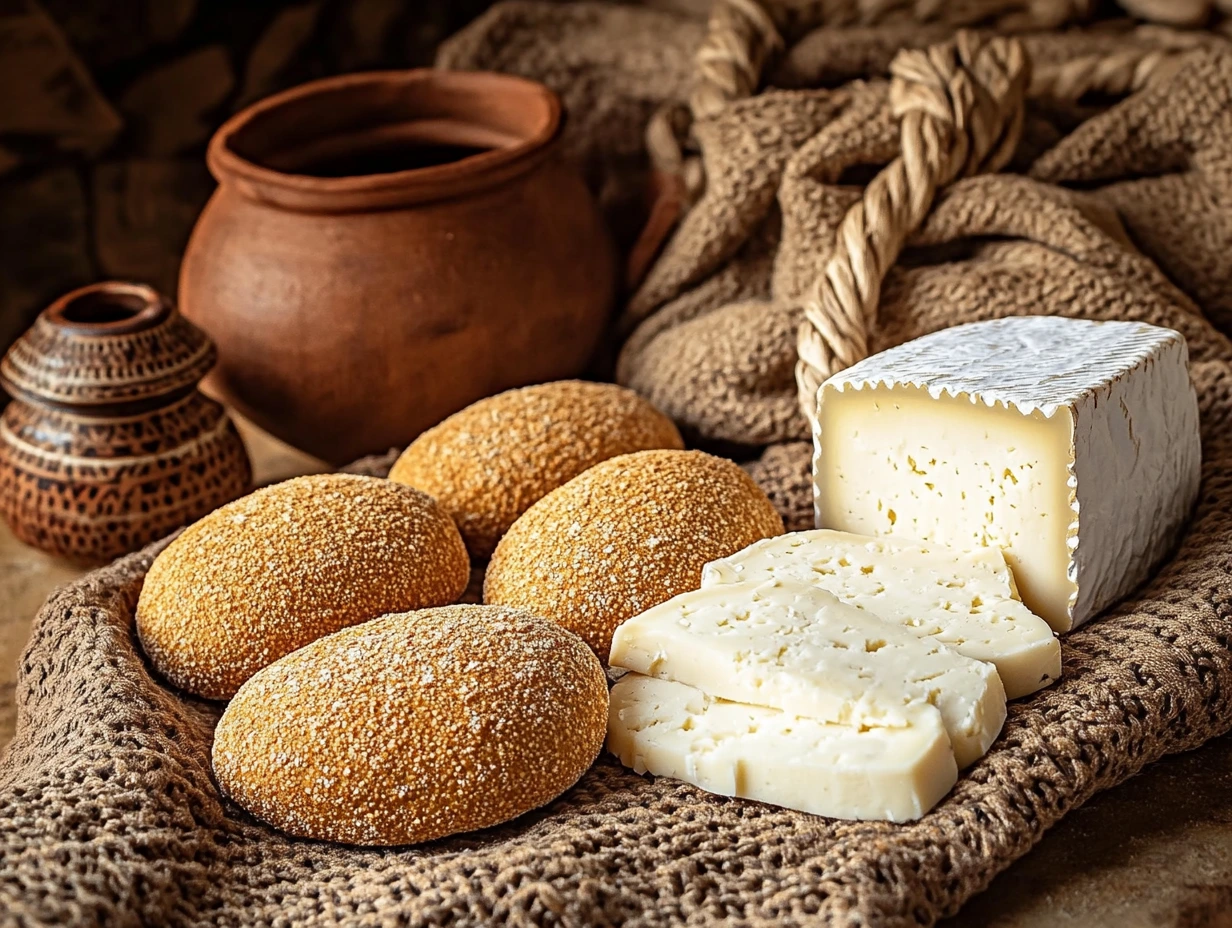
Mchadi with Sulguni is small Georgian cornmeal breads with crisp crusts, served warm beside salty, elastic sulguni-style cheese. This version uses measured ingredients, clear visual cues and the traditional flavour balance that makes the dish distinctive.
15 minsPrep time
20 minsCook time
Serves 6Servings
EasyDifficulty
Nutrition
Estimated nutrition per serving
These figures are estimates per serving. Actual nutrition can vary with the brands and exact amounts you use, how much oil, dressing or sauce is absorbed, any substitutions or added extras, and the portion size served.A practical guide for comparing recipes and planning meals.
285Calories
9gProtein
37gCarbs
12gFat
Ingredients
What you need
- 300 fine cornmeal
- 300 warm water, approximately
- 1 fine salt
- 30 neutral oil
- 250 sulguni or mozzarella-feta blend, sliced
Method
Step-by-step method
Follow the recipe in order, tasting and adjusting seasoning where needed.
- Mix the cornmeal and salt. Add warm water gradually, squeezing the mixture in your hand until it forms a soft mouldable dough that does not crumble at the edges.
- Divide into six pieces and shape into thick oval patties about 1.5 cm deep. Smooth cracks with wet fingers; large cracks widen during frying.
- Heat half the oil in a heavy frying pan over medium heat. Add three mchadi and fry for 4–5 minutes until the underside is deeply golden and a firm crust has formed.
- Turn carefully, add a little more oil around the edges and cook another 4–5 minutes. Repeat with the remaining patties.
- Stand the cooked breads on their edges for a minute so steam escapes and the crust does not soften against the plate.
- Serve hot with thick slices of sulguni or the mozzarella-feta alternative; diners can bite cheese and bread together or tuck cheese into split mchadi.
Cook smarter
Tips, storage and serving advice
Shopping tips
Ingredient quality
Common mistakes
Chef’s tips
How to know it is cooked
Plating advice
Cook next
View cuisine More Georgian recipes
Keep exploring the country’s food story through related starters, mains and desserts.
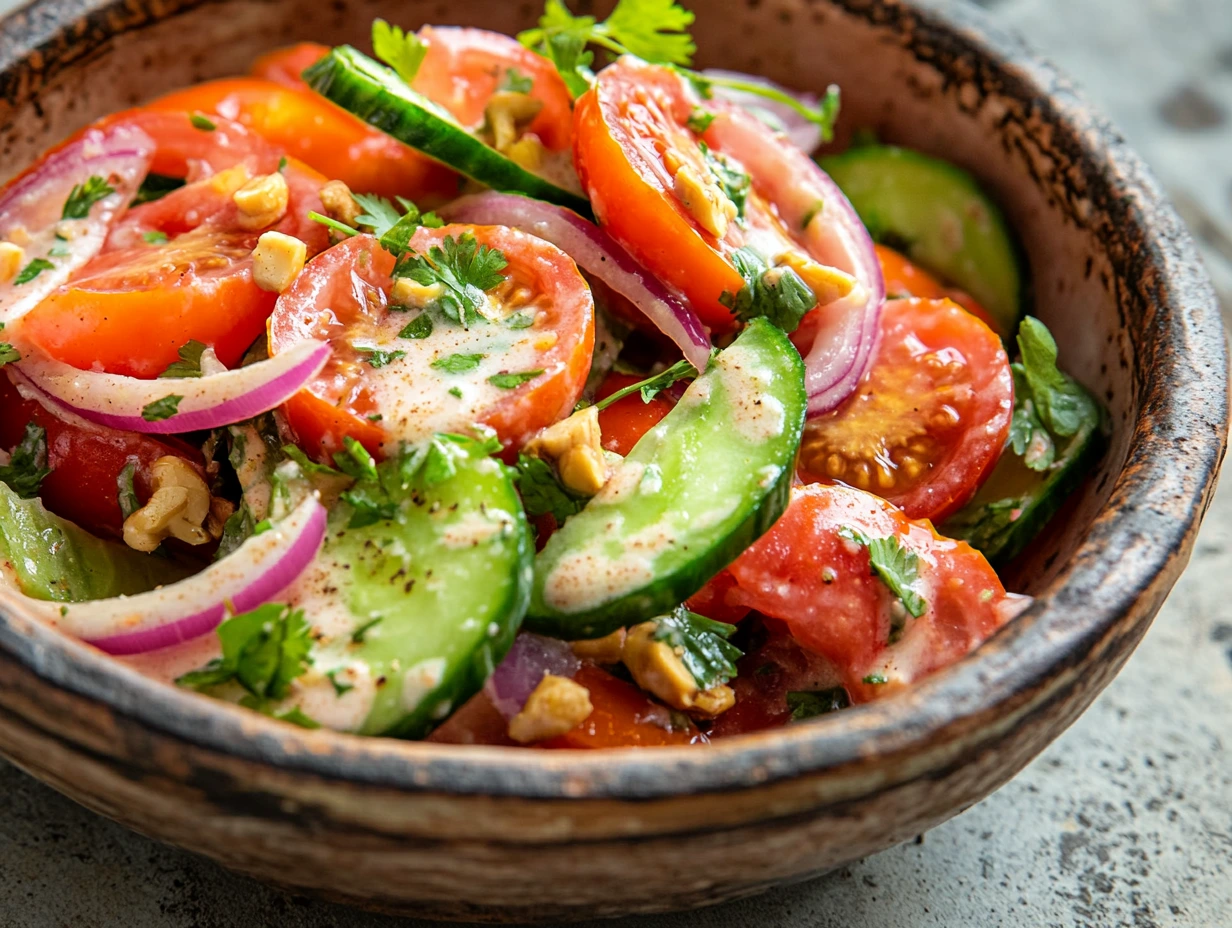
Georgian Salad with Walnut Dressing
Georgian Salad with Walnut Dressing is a crunchy tomato, cucumber and herb salad coated in a thin g…
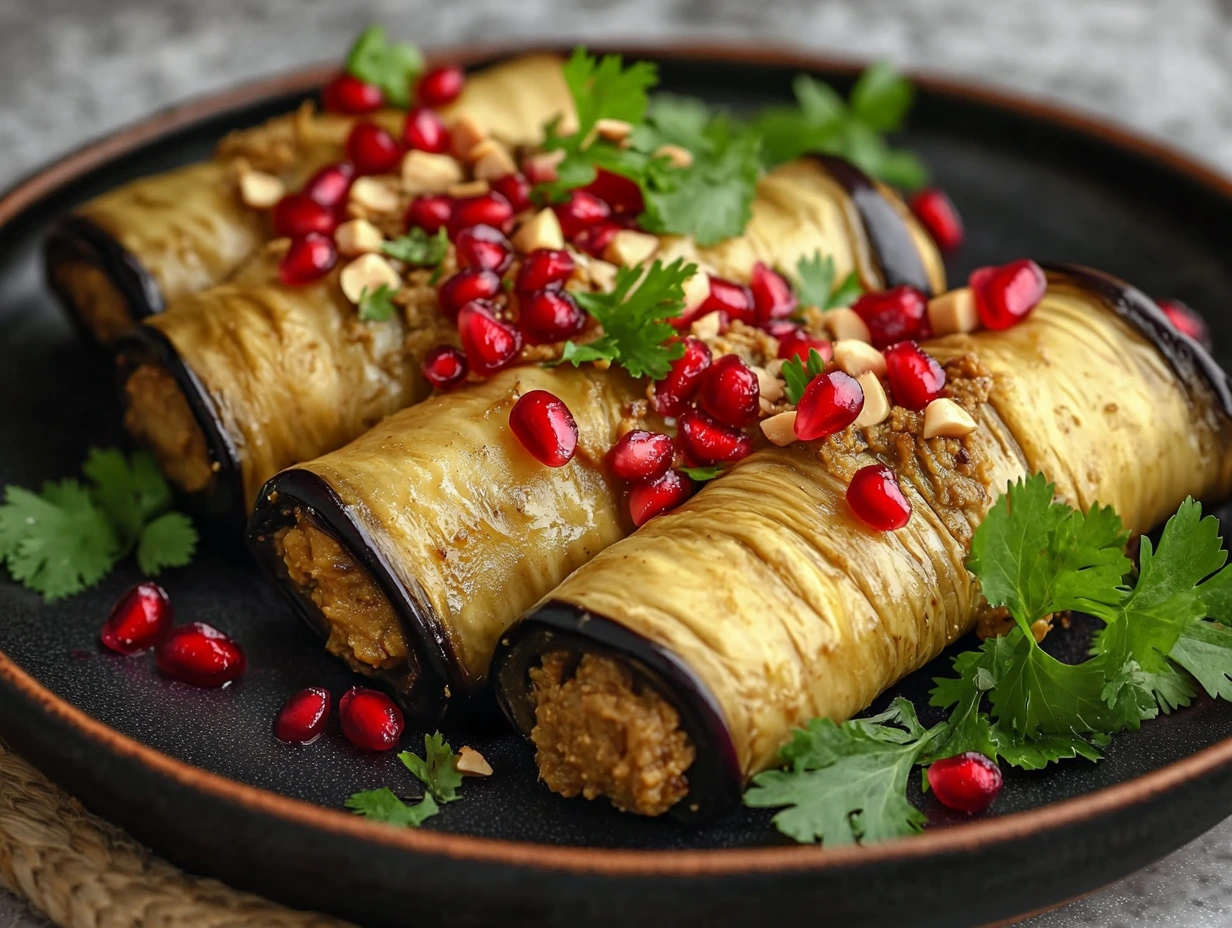
Badrijani Nigvzit
Badrijani Nigvzit is thin fried aubergine slices wrapped around a garlicky Georgian walnut filling…
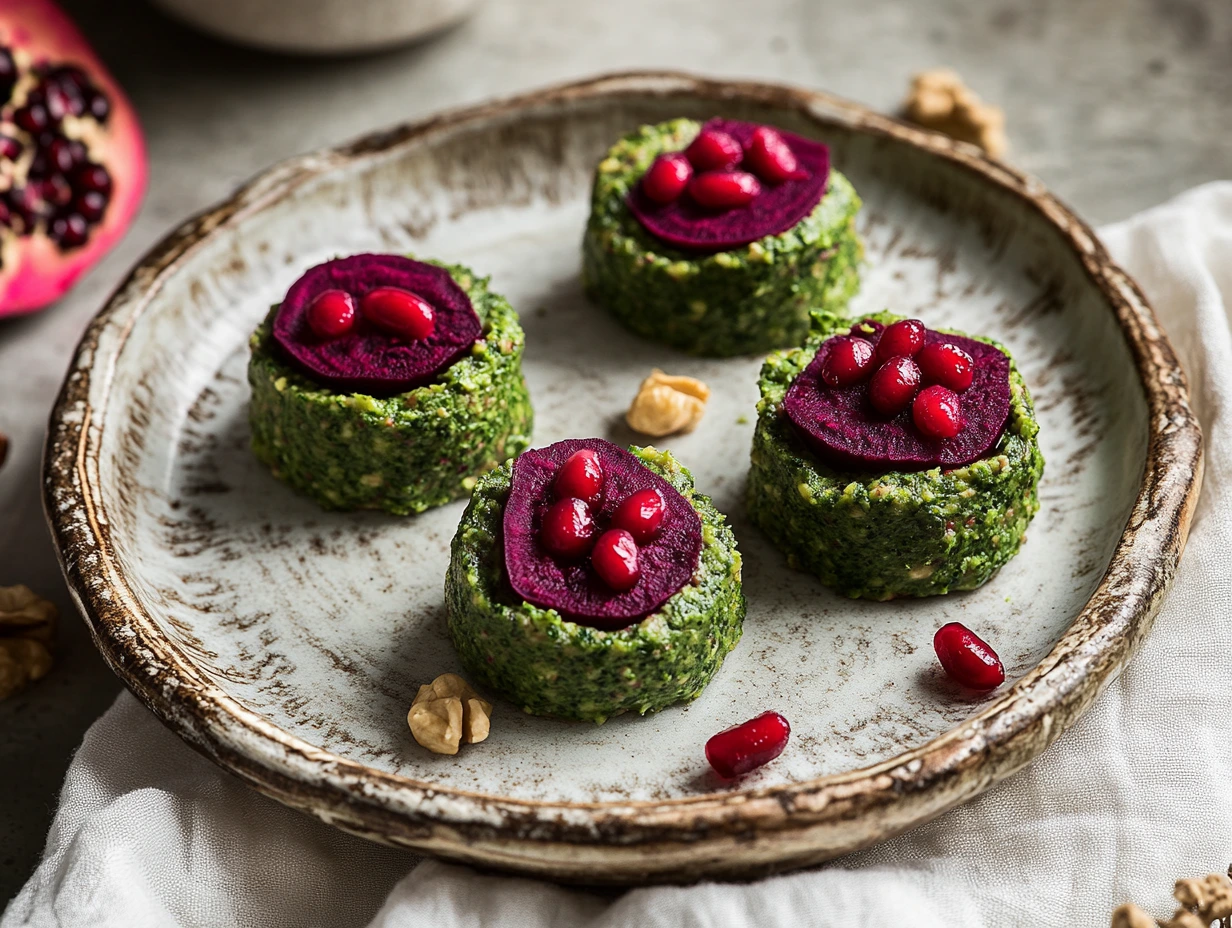
Pkhali Trio
Pkhali Trio is three Georgian vegetable-and-walnut pâtés built from spinach, beetroot and green bea…
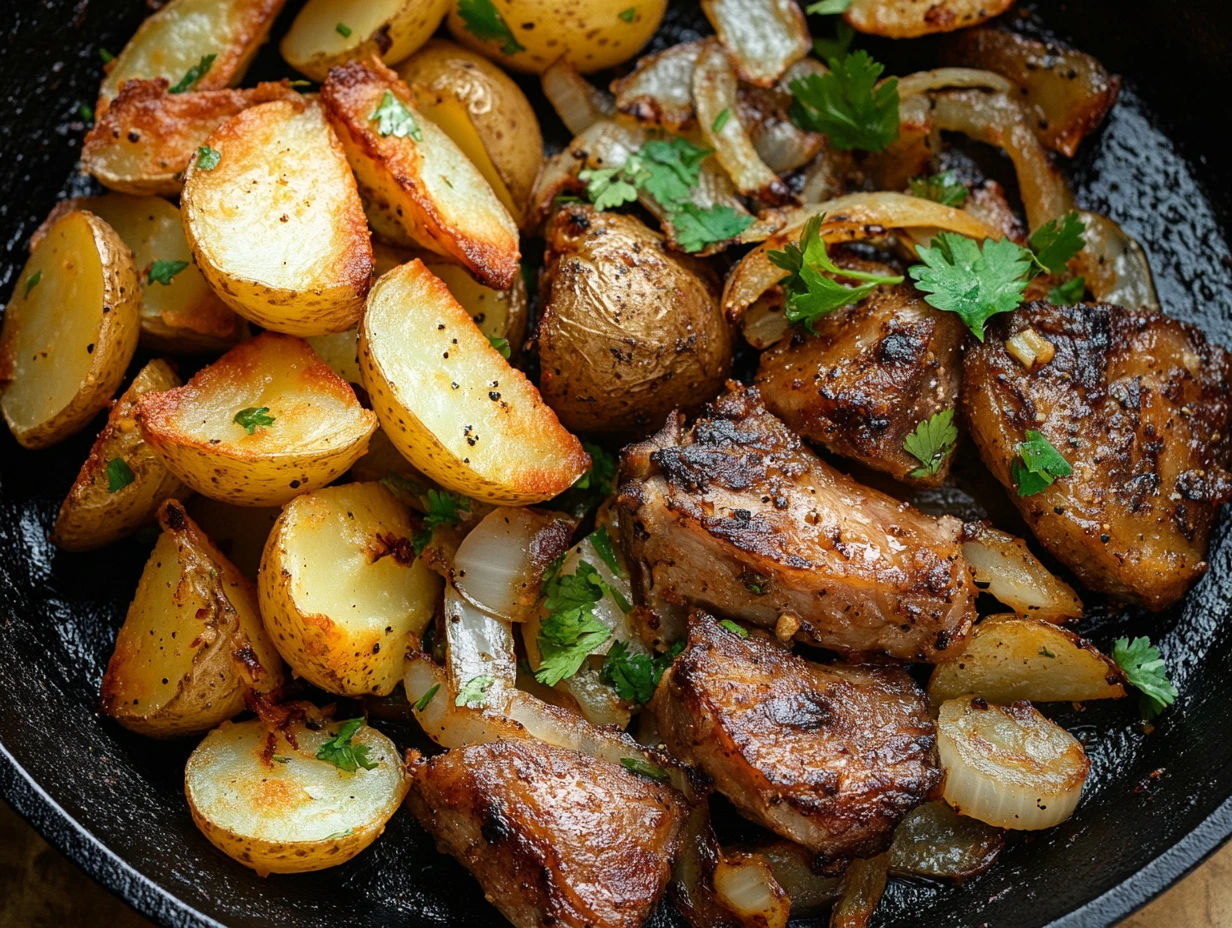
Ojakhuri
Ojakhuri is a Georgian family-style skillet of browned pork and potatoes with onion, garlic, corian…