
Georgian Main
Satsivi
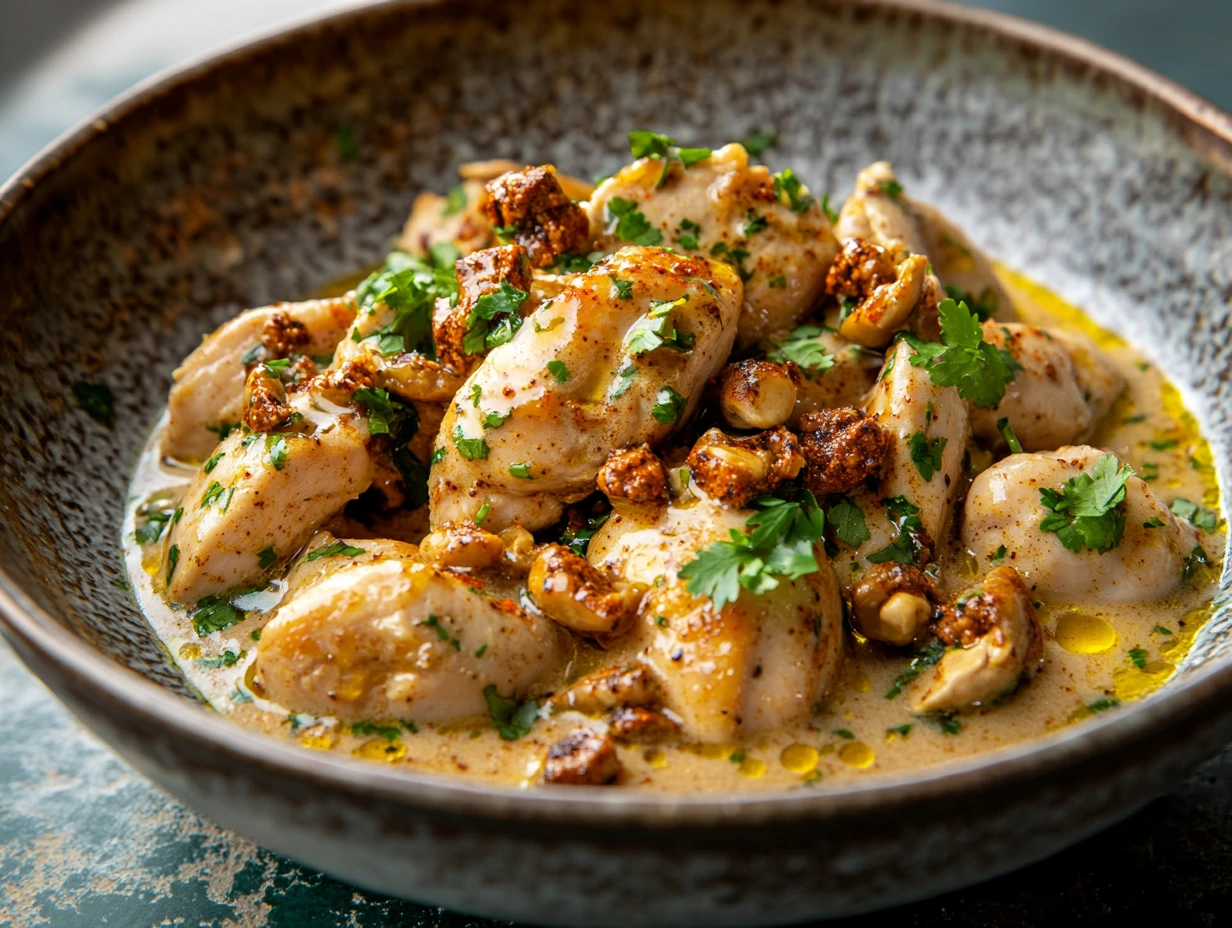
Satsivi is cold Georgian chicken in a velvety walnut-garlic sauce seasoned with coriander, fenugreek and warm spice. This version uses measured ingredients, clear visual cues and the traditional flavour balance that makes the dish distinctive.
35 minsPrep time
55 minsCook time
Serves 6Servings
MediumDifficulty
Nutrition
Estimated nutrition per serving
These figures are estimates per serving. Actual nutrition can vary with the brands and exact amounts you use, how much oil, dressing or sauce is absorbed, any substitutions or added extras, and the portion size served.A practical guide for comparing recipes and planning meals.
690Calories
42gProtein
16gCarbs
52gFat
Ingredients
What you need
- 1600 whole chicken
- 1800 water
- 180 onion, halved
- 400 Walnuts
- 25 Garlic
- 2 ground coriander
- 1.5 blue fenugreek
- 0.25 ground cinnamon
- 0.125 ground cloves
- 30 wine vinegar
- 2 fine salt
- 1 paprika or mild chilli
Method
Step-by-step method
Follow the recipe in order, tasting and adjusting seasoning where needed.
- Poach the chicken gently with the halved onion in water for 40–45 minutes until cooked. Lift it out, cool and strain the broth; skim excess fat but keep the broth warm.
- Remove chicken meat from the bones in generous pieces. Reserve 700 ml broth for the sauce and save the remainder for another dish.
- Grind walnuts with garlic, coriander, blue fenugreek, cinnamon, cloves, paprika and salt until very fine. Work in warm broth gradually to make a thick, smooth sauce.
- Transfer the sauce to a saucepan and heat very gently for 8–10 minutes, stirring constantly. It should thicken slightly but must not boil aggressively or the walnut oil may split.
- Stir in vinegar, taste for salt and cool until just warm. Place the chicken in a serving dish and pour the walnut sauce over it, ensuring every piece is coated.
- Chill for several hours or overnight. Bring towards cool room temperature before serving so the walnut aroma is not muted by fridge cold.
Cook smarter
Tips, storage and serving advice
Shopping tips
Ingredient quality
Common mistakes
Chef’s tips
How to know it is cooked
Plating advice
Cook next
View cuisine More Georgian recipes
Keep exploring the country’s food story through related starters, mains and desserts.
Ojakhuri
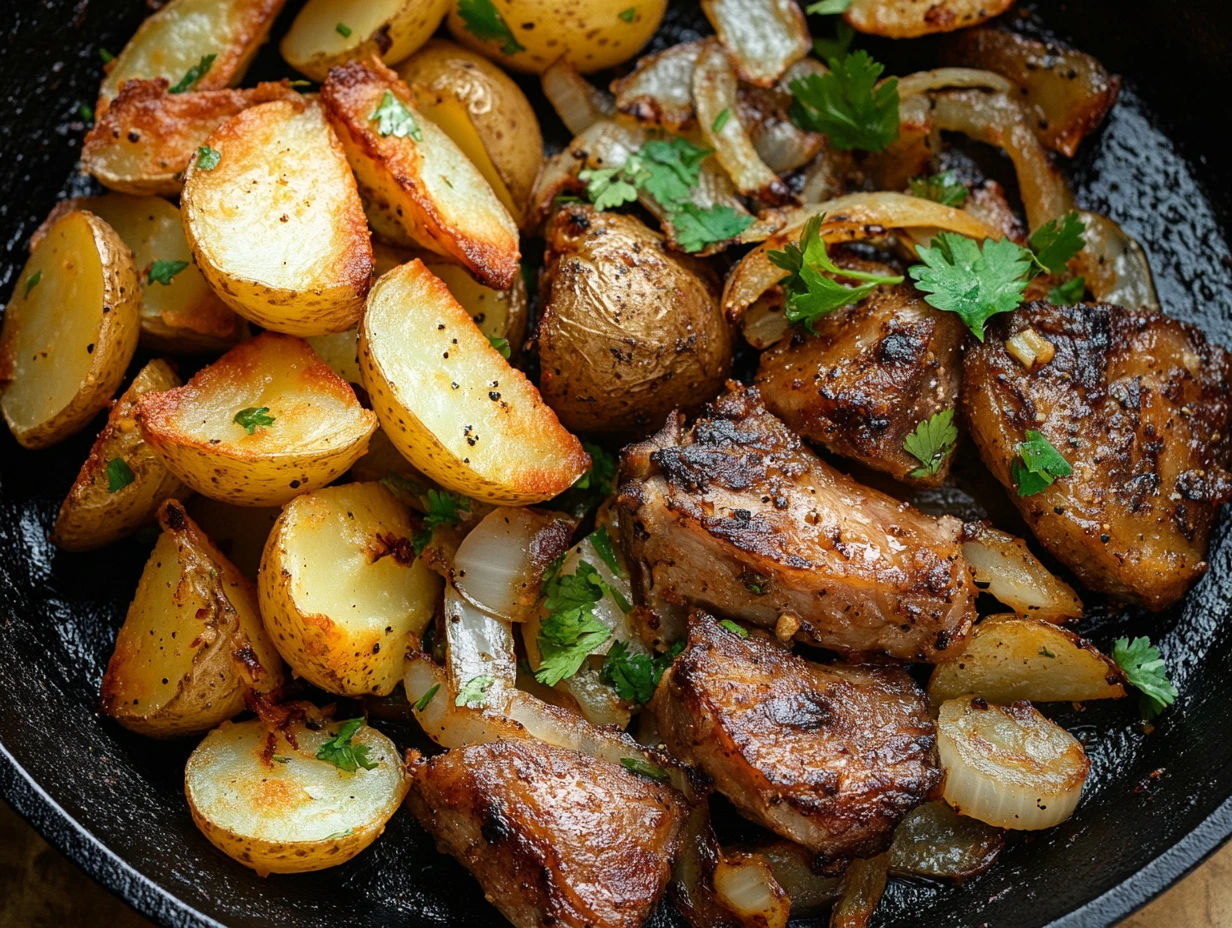
Ojakhuri is a Georgian family-style skillet of browned pork and potatoes with onion, garlic, corian…
Shkmeruli
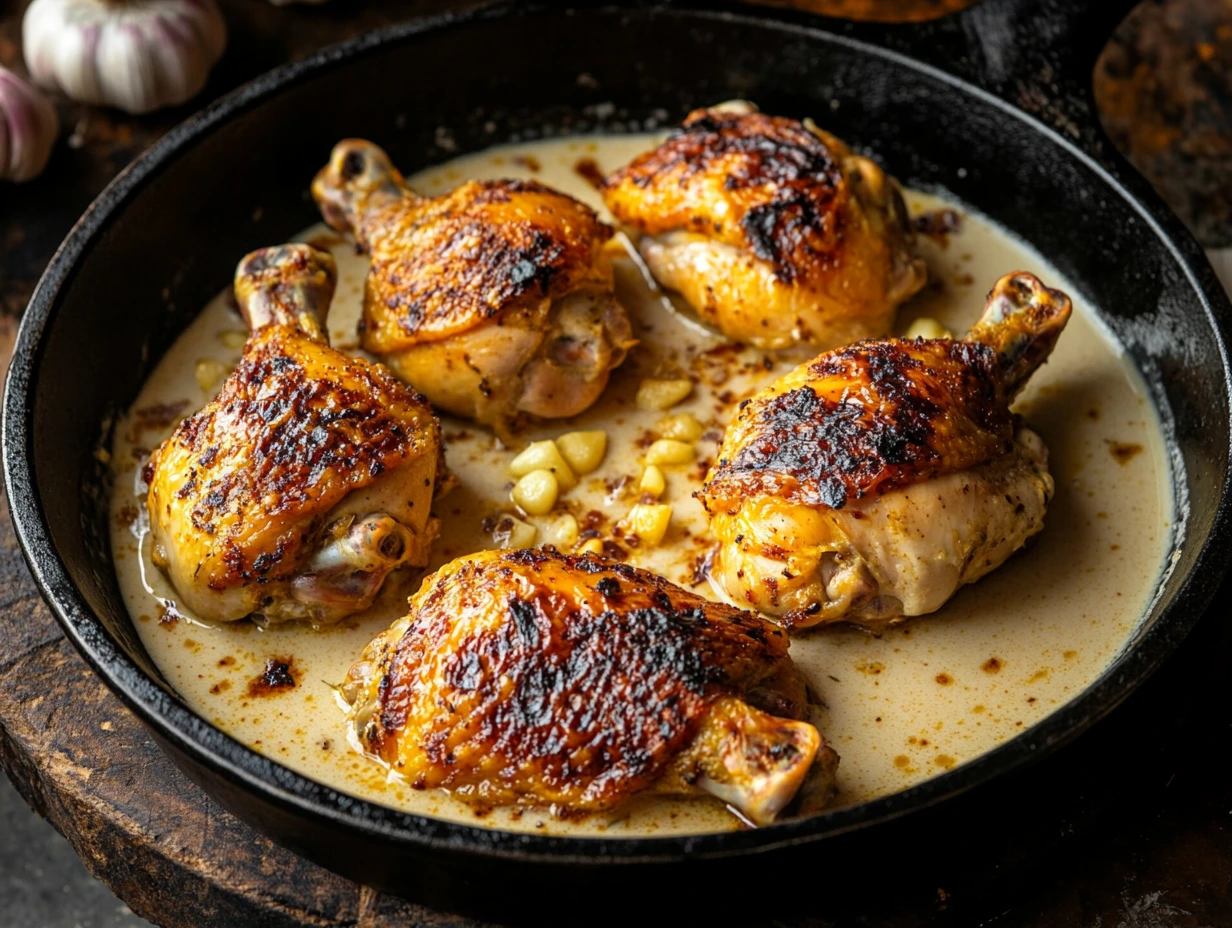
Shkmeruli is Georgian chicken from Racha, roasted until crisp then bathed in an assertive garlic-mi…
Chakhokhbili
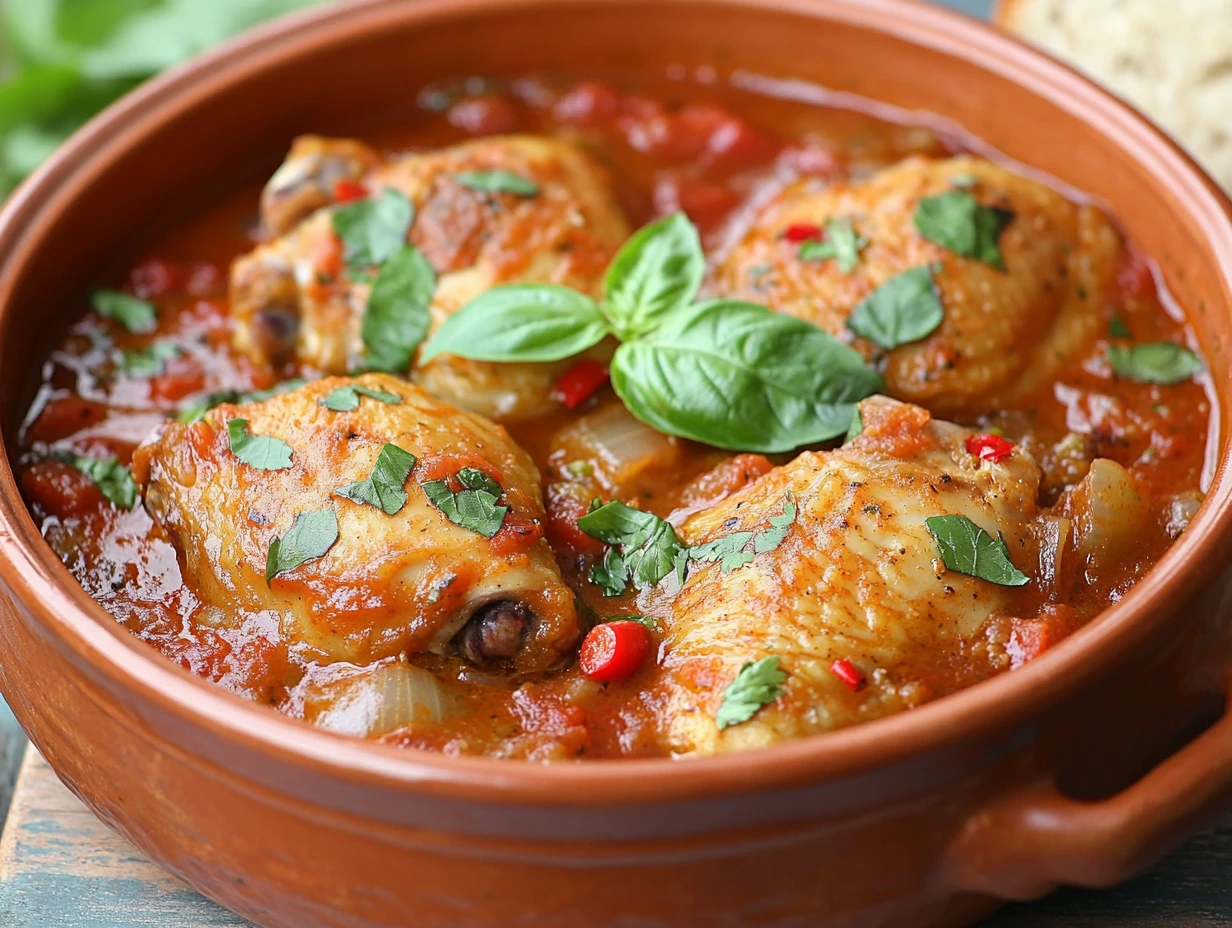
Chakhokhbili is a Georgian chicken braise cooked with a generous tomato-onion base and finished wit…
Chakapuli
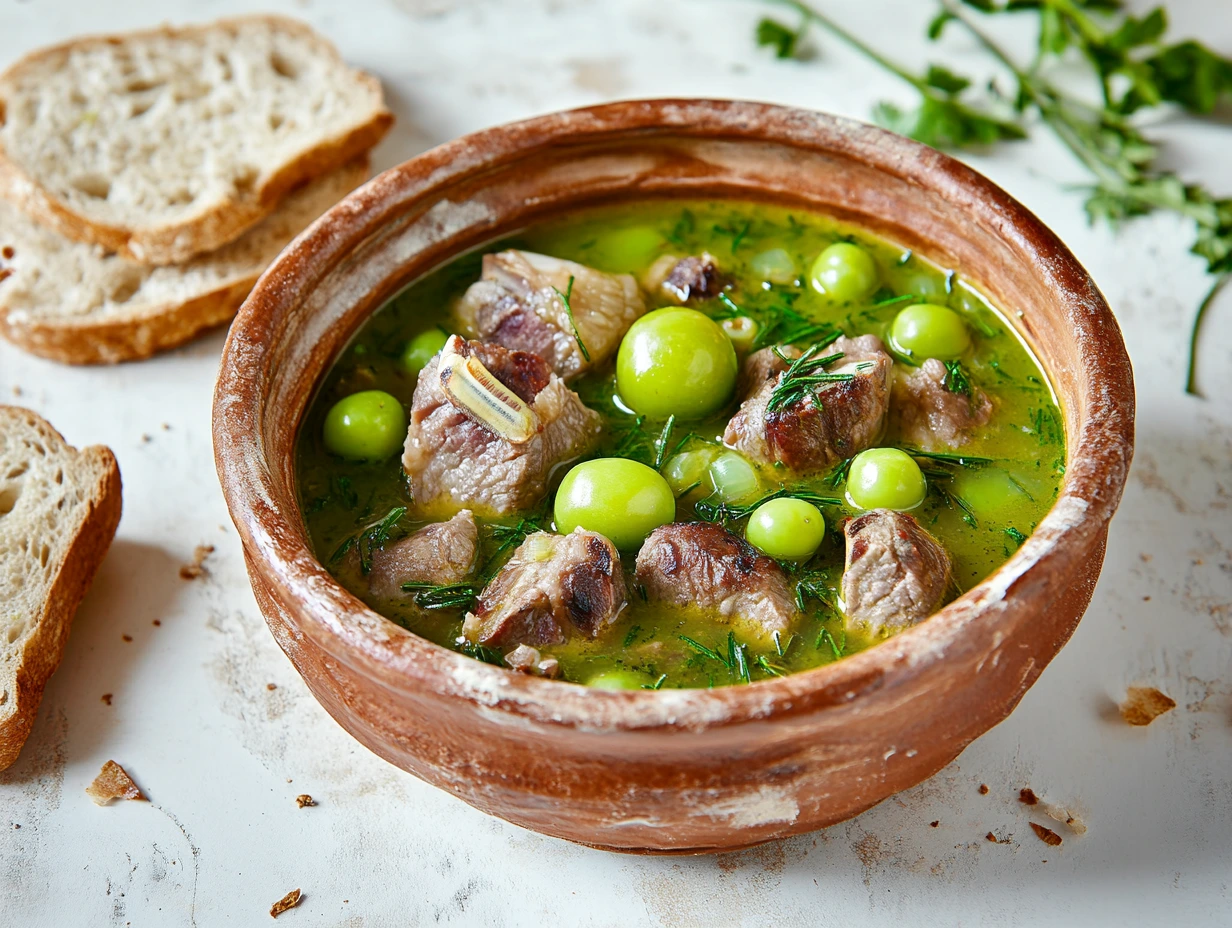
Chakapuli is a spring Georgian lamb stew perfumed with tarragon, coriander, green plum and white wi…