Georgian Main

Khinkali

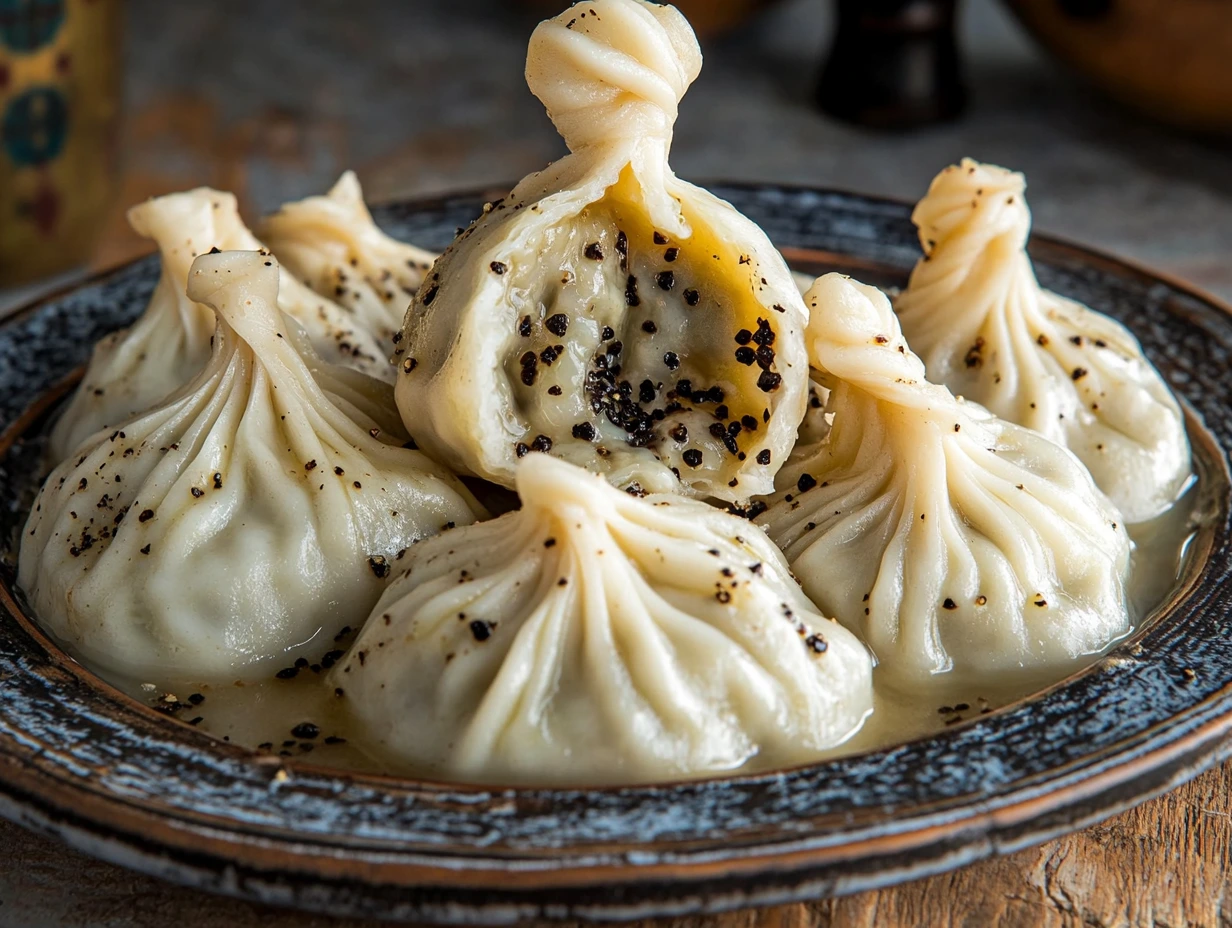
Khinkali is large Georgian soup dumplings filled with peppery beef and pork, twisted at the top to trap their savoury broth. This version uses measured ingredients, clear visual cues and the traditional flavour balance that makes the dish distinctive.

1 hrPrep time
18 minsCook time
Serves 6Servings
HardDifficulty
Khinkali
About this dish

Khinkali: the story on the plate

Khinkali is a Georgian main with a clear sense of place. Khinkali is associated particularly with Georgia’s mountain regions, where meat-filled dumplings became substantial portable food. Urban versions now appear throughout the country, with fillings ranging from meat to mushrooms and cheese. The recipe below keeps the defining ingredients and technique intact while giving practical metric quantities and enough detail for a home cook to judge texture, seasoning and doneness rather than simply follow a timer.

Historical background

Khinkali is associated particularly with Georgia’s mountain regions, where meat-filled dumplings became substantial portable food. Urban versions now appear throughout the country, with fillings ranging from meat to mushrooms and cheese.

Why it is famous

The method of eating khinkali is part of its identity: spilling the broth is considered a lost pleasure, and the untouched dough knots on the plate traditionally show how many were eaten.
Cultural significance

The method of eating khinkali is part of its identity: spilling the broth is considered a lost pleasure, and the untouched dough knots on the plate traditionally show how many were eaten.
Nutrition

Estimated nutrition per serving

These figures are estimates per serving. Actual nutrition can vary with the brands and exact amounts you use, how much oil, dressing or sauce is absorbed, any substitutions or added extras, and the portion size served.

A practical guide for comparing recipes and planning meals.

610Calories
34gProtein
82gCarbs
18gFat
Ingredients

What you need

  • 500 plain flour
  • 8 fine salt
  • 250 water, for dough
  • 300 beef mince
  • 250 pork mince
  • 160 onion, very finely chopped
  • 25 fresh coriander, finely chopped
  • 1 ground cumin
  • 2 coarsely ground black pepper
  • 8 fine salt, for filling
  • 180 cold water, for filling
Method

Step-by-step method

Follow the recipe in order, tasting and adjusting seasoning where needed.

  1. Mix flour, salt and 250 ml water into a firm dough. Knead for 8 minutes, cover and rest 30 minutes; the rest is essential because the dough must roll thin without springing back.
  2. Combine beef, pork, onion, coriander, cumin, black pepper and salt. Work in the 180 ml cold water gradually until the filling is loose and juicy but not separating. Chill while rolling.
  3. Roll the dough about 2 mm thick. Cut 12–14 cm circles, re-rolling scraps once. Keep circles covered so the edges remain supple enough to pleat.
  4. Place about 45 g filling in the centre. Lift the edge and make small pleats all the way around, turning the dumpling as you go. Gather the pleats at the top and twist firmly to seal, leaving the characteristic knob.
  5. Lower khinkali in batches into a large pot of well-salted boiling water. Stir very gently once so they do not stick. Once they float, boil for another 6–7 minutes.
  6. Lift with a slotted spoon and serve immediately with lots of black pepper. Eat by holding the top knot, biting a small opening, sipping the broth, then eating the dumpling; the doughy knob is traditionally left on the plate.
Cook smarter

Tips, storage and serving advice

Shopping tips

If sulguni is unavailable, blend low-moisture mozzarella with feta for stretch plus tang. Fresh coriander and tarragon matter; stale dried herbs will not recreate the brightness of Georgian food. Check labels on compound ingredients such as sauces, spice blends, stocks, kimchi, fermented pastes and prepared breads when cooking for allergies.

Ingredient quality

For Khinkali, prioritise fresh or properly stored versions of plain flour, fine salt, water, beef mince; speciality seasonings should smell vivid rather than stale.

Common mistakes

Dry filling produces no broth; weak pleats leak; thin bottoms burst; overcrowded boiling water drops the temperature and makes dumplings stick.

Chef’s tips

Add water to the filling until it looks almost too loose. That moisture becomes the soup inside the dumpling.

How to know it is cooked

Dumplings float, the dough feels firm but tender and the interior meat reaches a safe cooked temperature while remaining juicy.

Plating advice

Pile on a platter without sauce and grind black pepper generously over them.