
Georgian Main
Ojakhuri
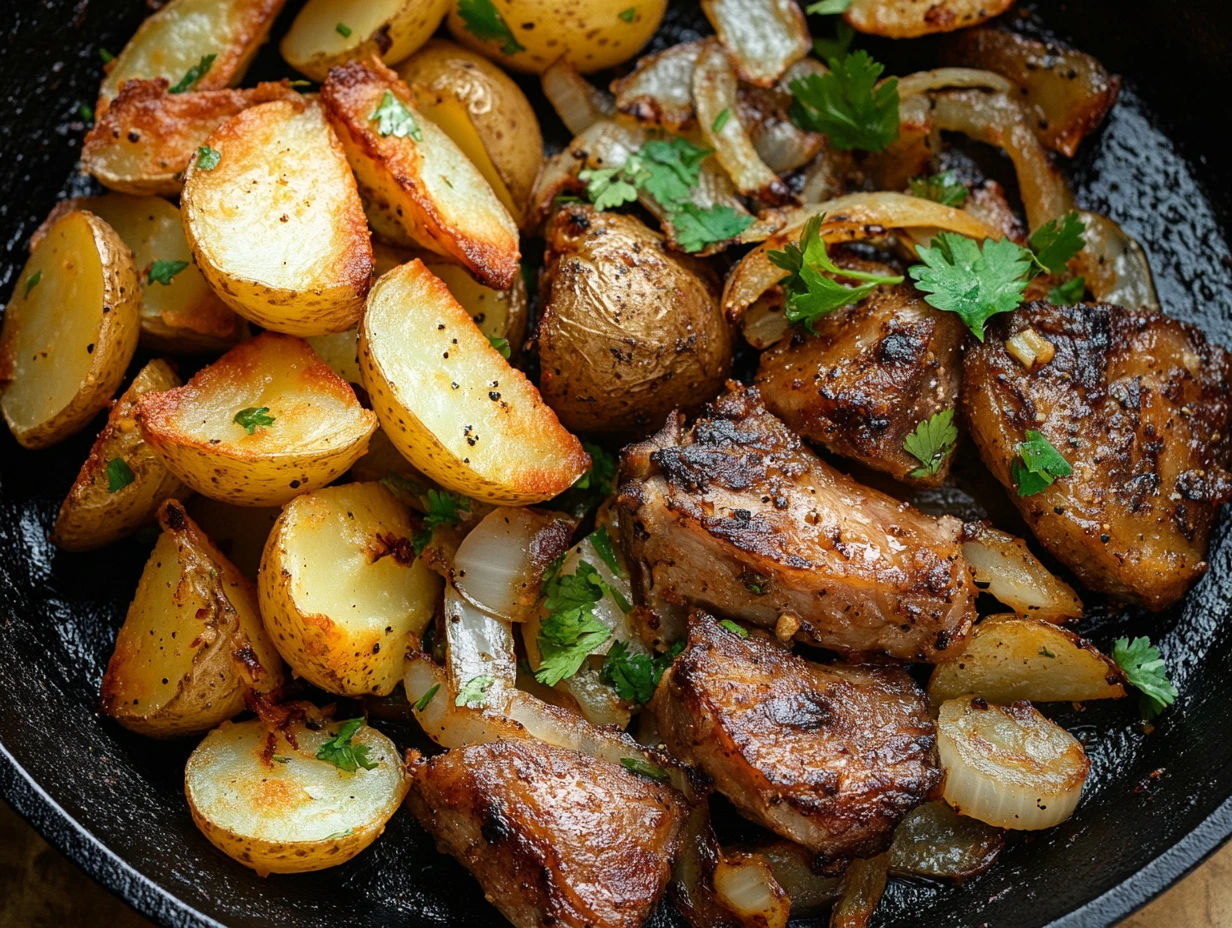
Ojakhuri is a Georgian family-style skillet of browned pork and potatoes with onion, garlic, coriander and a bright finishing splash of vinegar. This version uses measured ingredients, clear visual cues and the traditional flavour balance that makes the dish distinctive.
20 minsPrep time
40 minsCook time
Serves 4Servings
EasyDifficulty
Nutrition
Estimated nutrition per serving
These figures are estimates per serving. Actual nutrition can vary with the brands and exact amounts you use, how much oil, dressing or sauce is absorbed, any substitutions or added extras, and the portion size served.A practical guide for comparing recipes and planning meals.
675Calories
38gProtein
64gCarbs
30gFat
Ingredients
What you need
- 700 pork shoulder, cut into 3 cm pieces
- 700 potatoes, cut into wedges
- 250 onions, thickly sliced
- 15 Garlic, sliced
- 35 fresh coriander, chopped
- 1 ground coriander
- 1 paprika
- 20 wine vinegar
- 45 neutral oil
- 2 fine salt
- 1 black pepper
Method
Step-by-step method
Follow the recipe in order, tasting and adjusting seasoning where needed.
- Parboil the potato wedges in salted water for 6–7 minutes until the edges are just beginning to soften. Drain thoroughly and let steam escape for 5 minutes.
- Heat a large heavy pan with half the oil. Brown the pork in two batches over high heat, giving each piece space to colour. Remove once browned but not yet fully tender.
- Add the remaining oil and potatoes to the same pan. Fry for 10–12 minutes, turning only occasionally, until they develop a strong golden crust.
- Add onions and cook 5 minutes, then return the pork with garlic, ground coriander, paprika, salt and pepper. Lower the heat slightly and cook another 8–10 minutes until pork is tender.
- Splash in the vinegar around the edge of the hot pan and toss for 30 seconds. The sharp raw smell should disappear while leaving brightness behind.
- Fold in fresh coriander off the heat and serve straight from the pan while the potatoes are still crisp.
Cook smarter
Tips, storage and serving advice
Shopping tips
Ingredient quality
Common mistakes
Chef’s tips
How to know it is cooked
Plating advice
Cook next
View cuisine More Georgian recipes
Keep exploring the country’s food story through related starters, mains and desserts.
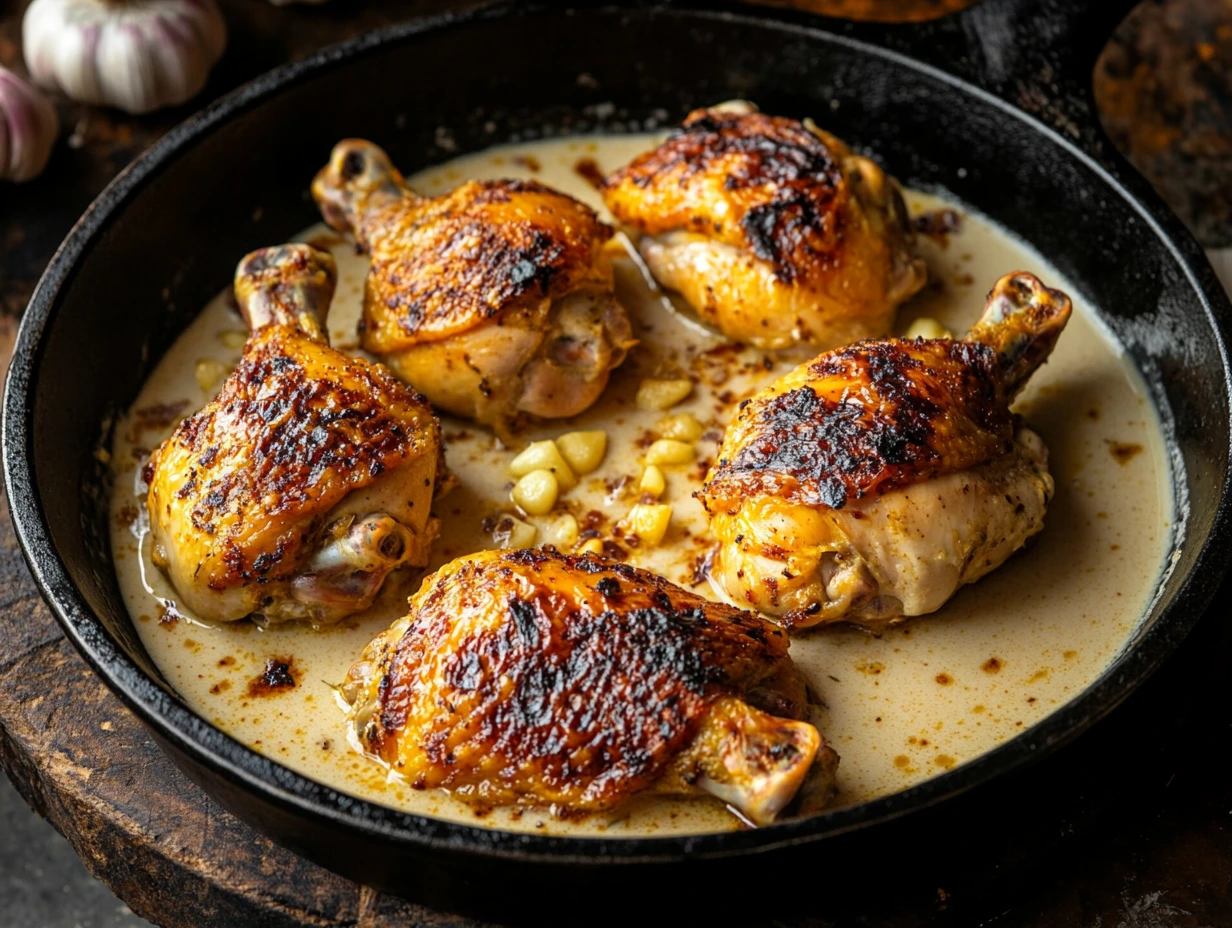
Shkmeruli
Shkmeruli is Georgian chicken from Racha, roasted until crisp then bathed in an assertive garlic-mi…
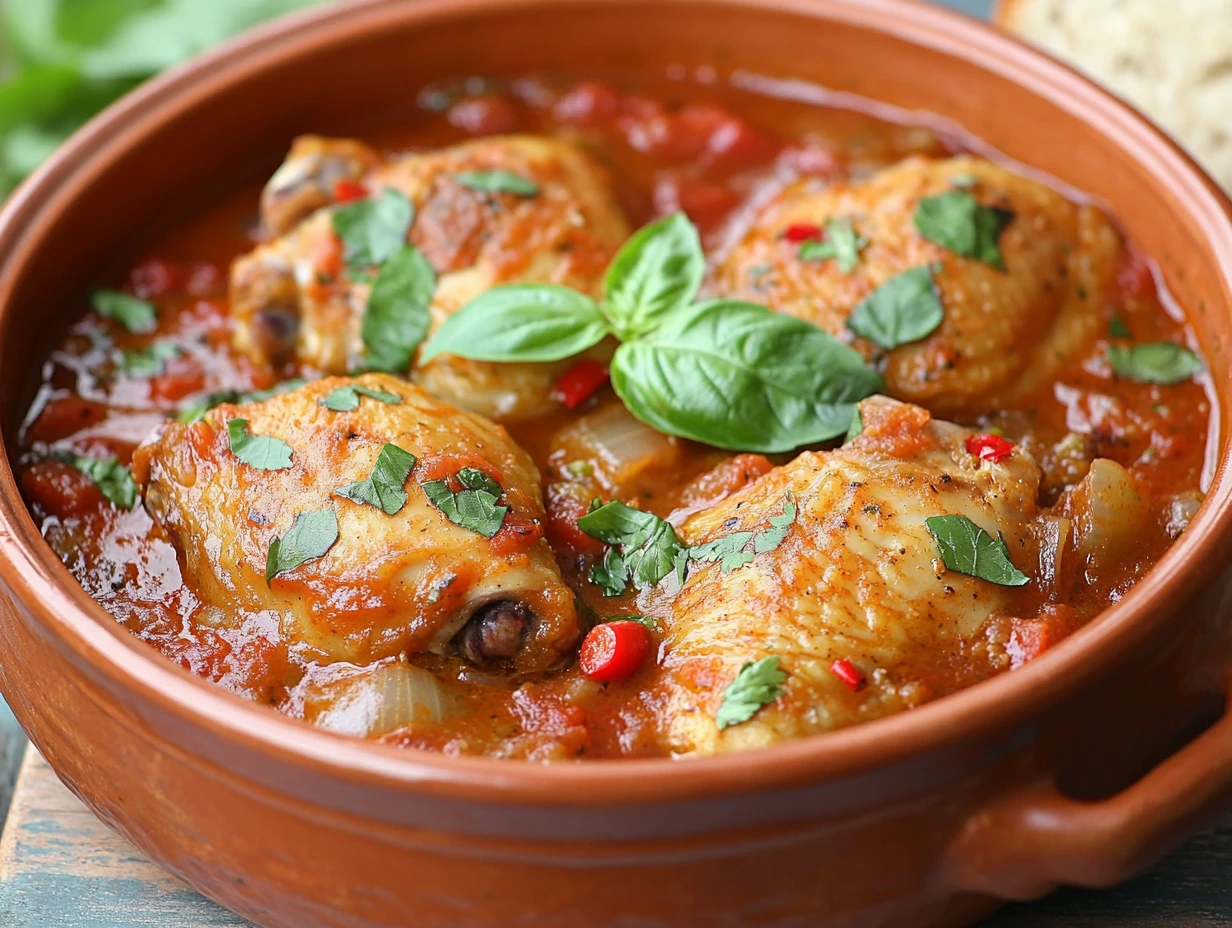
Chakhokhbili
Chakhokhbili is a Georgian chicken braise cooked with a generous tomato-onion base and finished wit…
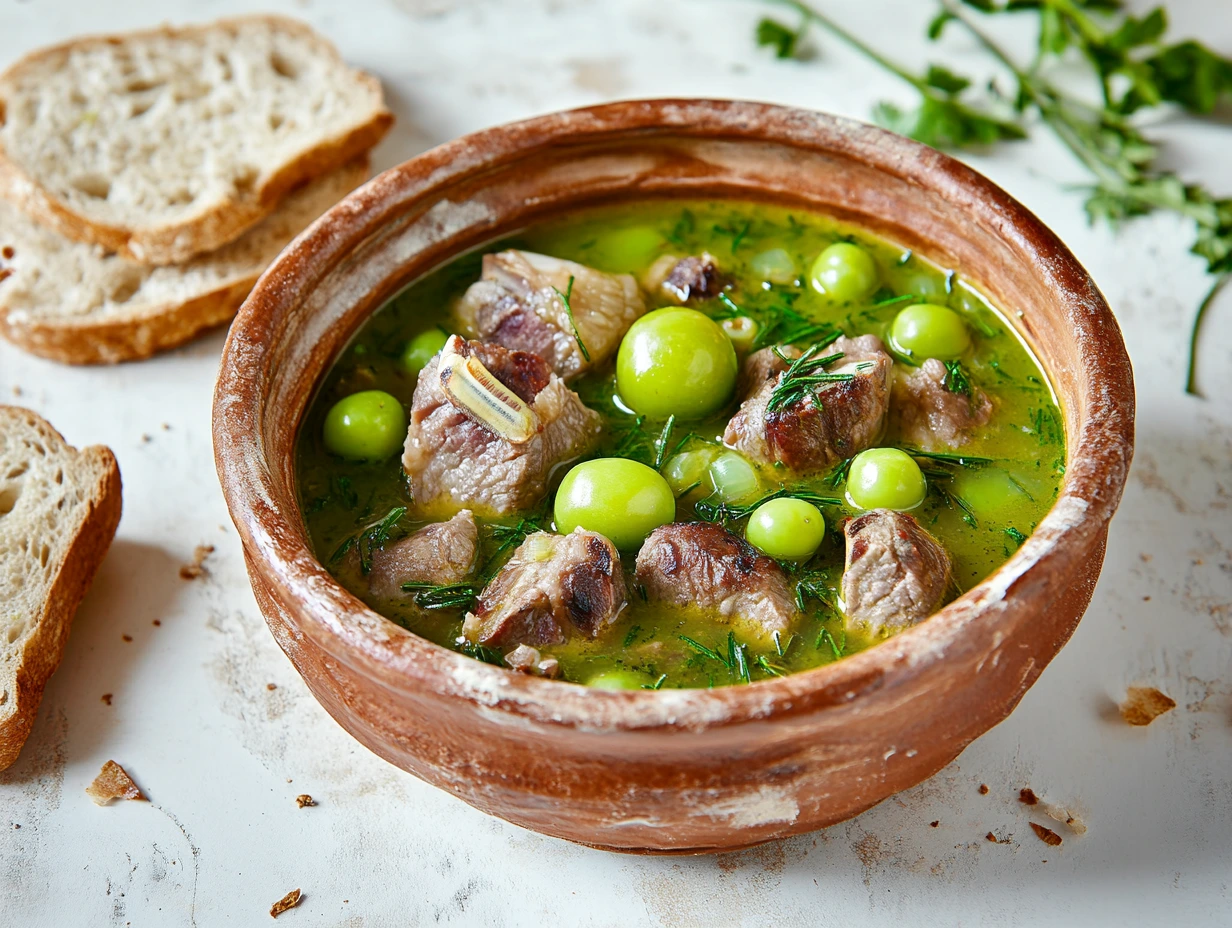
Chakapuli
Chakapuli is a spring Georgian lamb stew perfumed with tarragon, coriander, green plum and white wi…
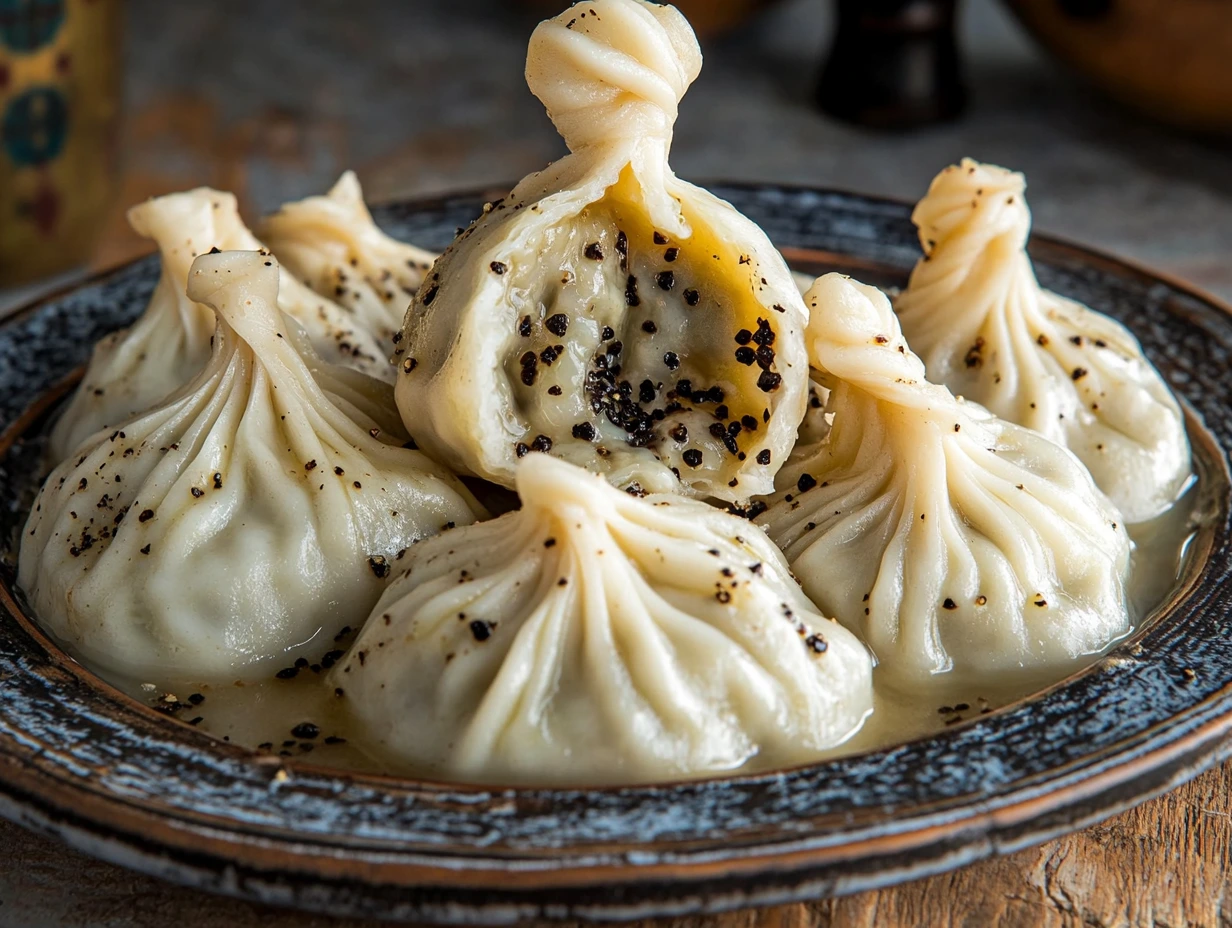
Khinkali
Khinkali is large Georgian soup dumplings filled with peppery beef and pork, twisted at the top to…