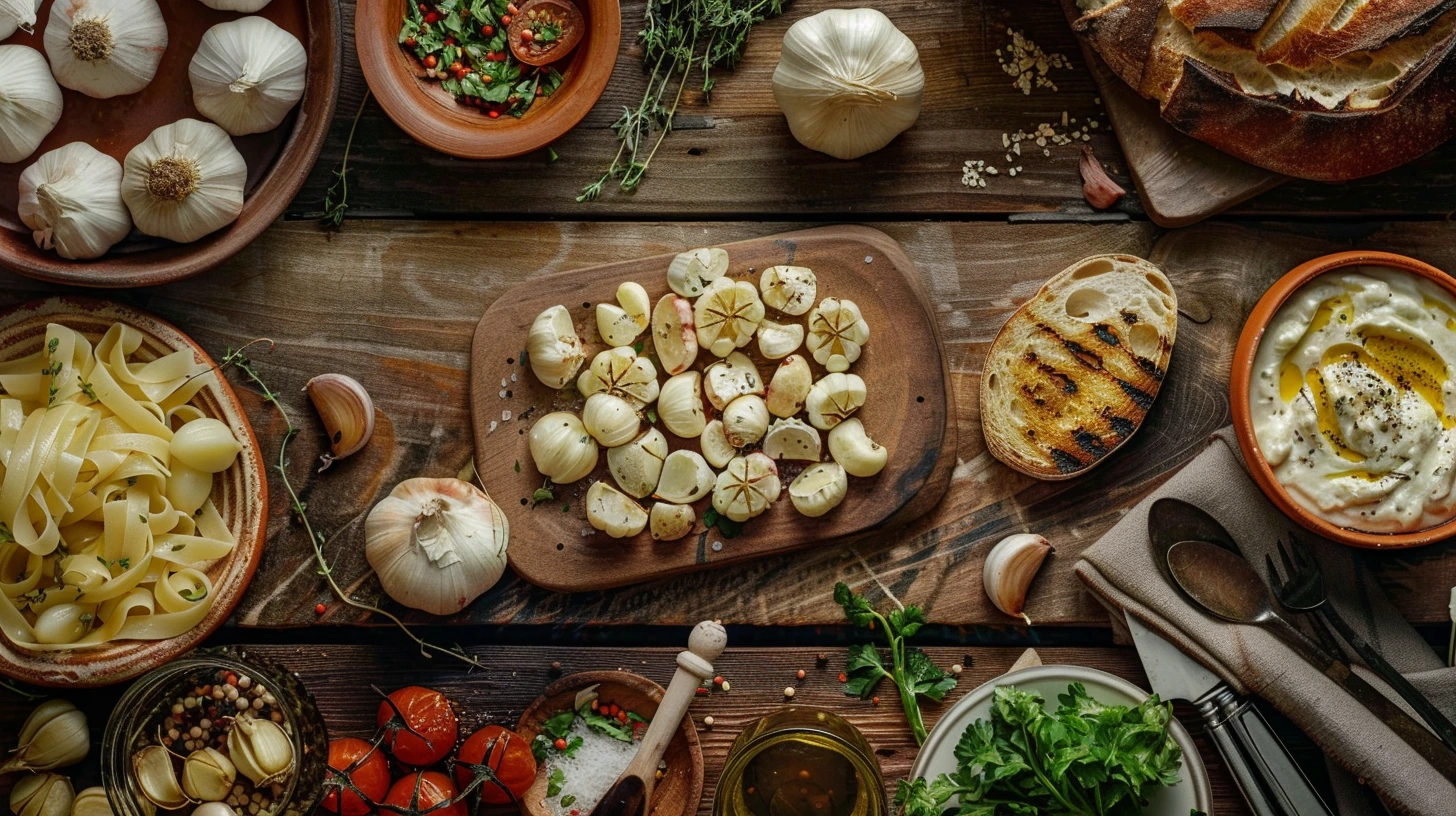
The most exciting vegetarian food rarely begins with the question, “What can I use instead of meat?” It begins somewhere much more interesting: with an aubergine blackened over flame, lentils cooked until creamy, chickpeas sharpened with tamarind, cabbage slowly braised with spice, or cauliflower roasted hard enough to turn its edges dark and nutty. Across the world, some of the best vegetarian cooking was never designed as a substitute for anything. It was simply dinner.
For adventurous eaters, that makes traditional vegetarian food one of the richest ways to travel through a kitchen. You can move from the smoky depth of Indian Baingan Bharta to the sweet-sour intensity of Sicilian Caponata Siciliana, from the slow comfort of Greek Gigantes Plaki to the chilli, vinegar and garlic of Chinese Yuxiang Qiezi. The ingredients may be humble, but the cooking is anything but timid.
Vegetarian food gets interesting when vegetables stop behaving like side dishes
There is a big difference between removing meat from a meal and building a meal around vegetables. The first approach often leaves a gap. The second creates a new centre of gravity.
Traditional kitchens have been doing this for generations. Aubergines absorb oil, smoke and spice. Beans become creamy and satisfying when cooked slowly. Cabbage becomes sweet when braised, bitter greens gain depth from garlic and fat, and cauliflower develops an almost savoury nuttiness when deeply roasted. Fermentation adds sourness and complexity. Charring adds bitterness. Nuts and seeds bring richness. Yoghurt cools heat. Pickles, vinegar, citrus and herbs stop dense dishes from becoming heavy.
That is why a plate of Saag Paneer, Pasta e Fagioli or Buddha’s Delight feels complete in its own right. None of them need to imitate a meat dish to justify themselves. Their satisfaction comes from contrast: soft against crisp, rich against sharp, earthy against fresh, slow-cooked against raw.
Start with aubergine if you want to understand adventurous vegetarian cooking
Few vegetables travel across cuisines as convincingly as aubergine. It can be silky, smoky, crisp, sticky, sweet-sour or almost meaty, depending on how it is cooked.
In India, Baingan Bharta begins by roasting the aubergine until the skin is charred and the flesh collapses. That smoky pulp is then cooked with onion, tomato, ginger and chilli. It is soft food, but not bland food. The appeal comes from fire, spice and the slight bitterness that clings to the roasted skin.
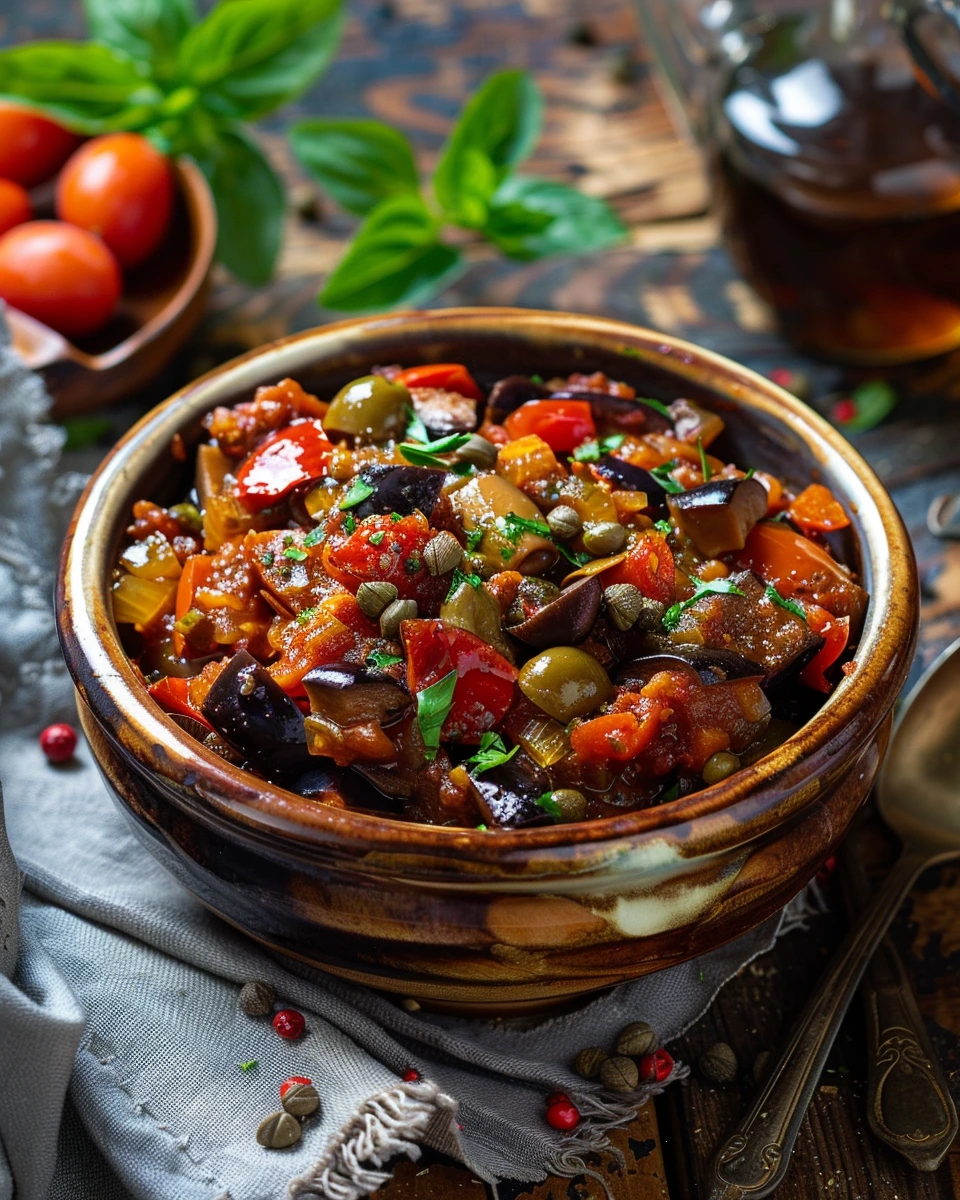
In Sicily, Caponata Siciliana takes aubergine in another direction. Tomato, celery, olives, capers and vinegar create a sweet-sour balance that makes the dish feel brighter the longer you eat it. It is a lesson in agrodolce: richness controlled by acidity.
Melanzane alla Parmigiana turns aubergine into something more generous and layered, using tomato and cheese to create a main course with the satisfaction of a baked pasta dish. Chinese Yuxiang Qiezi, meanwhile, pushes in the opposite direction with garlic, ginger, chilli, vinegar, soy and sugar. Despite the “fish-fragrant” name, the classic flavour profile refers to the seasoning style rather than fish itself.
Once you understand how much personality one vegetable can carry, vegetarian cooking stops looking narrow. Try the same idea at home with Sticky Sesame Aubergine, where soy, sesame and sweetness create gloss and intensity, or Aubergine Caponata when you want a smaller, vegetable-led plate to serve with bread.
Beans and lentils are not the fallback option
Some of the most comforting vegetarian dishes in the world are built on pulses, but the key is to stop thinking of them as a protein calculation. Their real strength is texture.
Dal Makhani works because black lentils and kidney beans are cooked long enough to lose their separate identities and become creamy, dark and deeply savoury. Butter, cream and kasuri methi finish the dish, but the foundation is patience.
Rajma Masala gives kidney beans a completely different character through onion, tomato, ginger, garlic and warm spice. Chole Bhature makes chickpeas louder and more celebratory, pairing a robust spiced curry with large fried breads. Gigantes Plaki shows the Mediterranean version of the same principle: large beans baked with tomato, olive oil and aromatics until soft and rich.
Italian Pasta e Fagioli proves that beans can also sit naturally alongside pasta. Tuscan Ribollita brings bread, beans and vegetables together in the kind of dish that becomes more convincing after resting and reheating.
For an adventurous vegetarian table, these are useful anchor dishes. Put one substantial pulse dish in the centre, then surround it with vegetables that bring contrast: something charred, something acidic and something green.
The great vegetarian cuisines understand spice as architecture
Spice is not simply about heat. In the best vegetarian dishes it builds layers.
Aloo Gobi uses potato and cauliflower as a canvas for cumin, turmeric, ginger and chilli. Kadai Paneer relies on peppers, onions, tomato and freshly crushed spices for a brighter, more textured sauce. Vegetable Korma moves in a softer direction, using yoghurt, cashew and aromatic spice to create richness without aggressive heat.
Bisi Bele Bath is a particularly good choice for cooks who want to go beyond the familiar curry-house repertoire. Rice, lentils, tamarind, vegetables and spice come together in one dish, creating something sour, savoury, soft and deeply comforting.
At component level, the same thinking can transform vegetables that might otherwise feel ordinary. Cumin Roasted Cauliflower with Tahini combines earthy spice with sesame richness. Harissa Roasted Carrots brings chilli warmth and sweetness. Roasted Carrots with Dukkah and Yoghurt adds crunch, spice and cooling acidity. Each one is useful because it teaches a transferable lesson: vegetables become more satisfying when you give them layers, not just seasoning.
Fermentation changes what vegetarian food can taste like
For adventurous eaters, fermentation is one of the most exciting doors to open. It adds sourness, funk and complexity without relying on meat.
Masala Dosa is a perfect example. The fermented rice-and-lentil batter develops flavour before it ever touches the pan. Cooked thin and crisp, then filled with spiced potato, it offers several textures at once: brittle edges, a tender centre and a soft, aromatic filling.
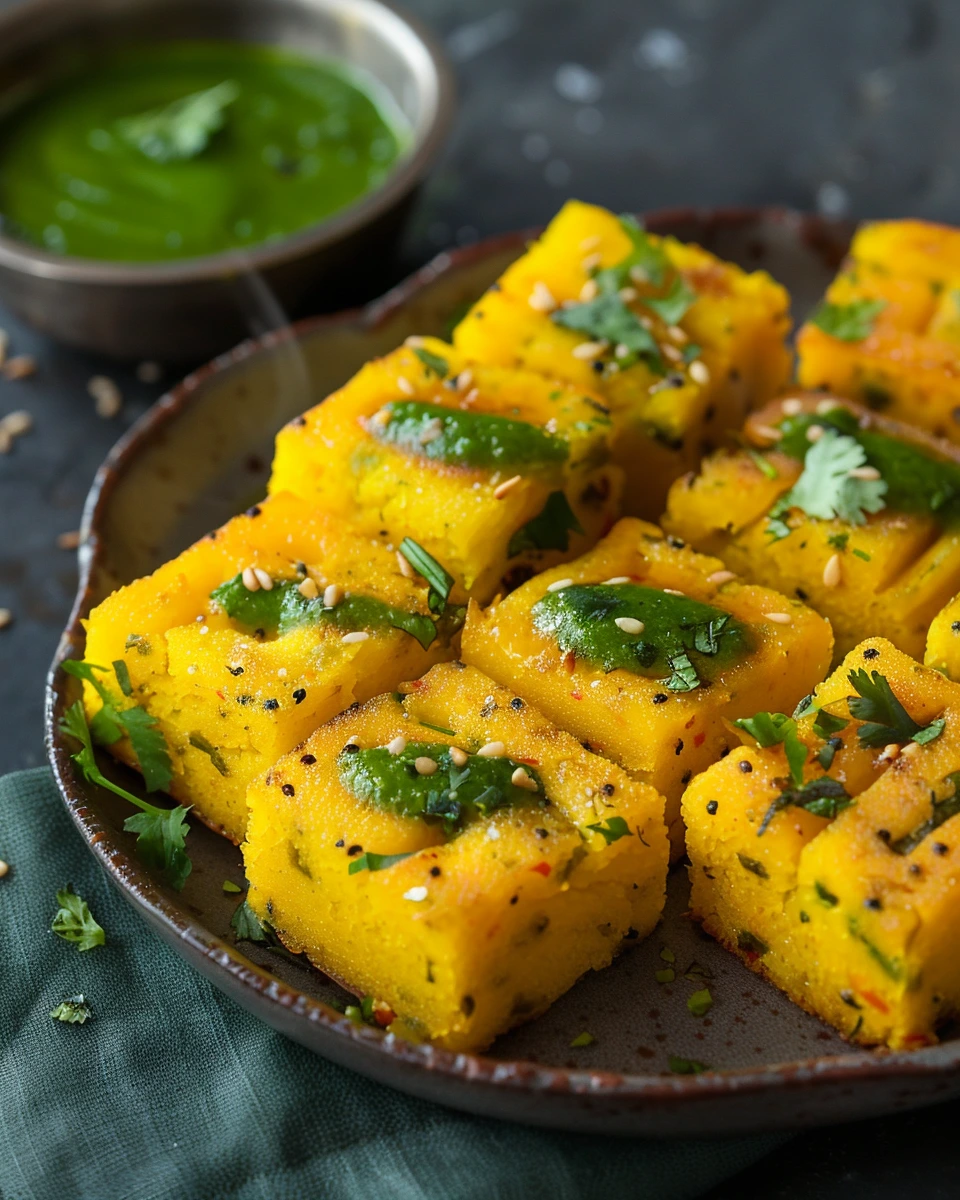
Gujarati Dhokla takes fermentation in another direction. Gram flour becomes light and springy, then mustard seeds, curry leaves and chilli add fragrance and contrast.
Miso can do similar work in vegetable cooking. Charred Hispi Cabbage with Miso Butter takes a vegetable many people associate with boiled dinners and gives it deep caramelisation, umami and richness. Miso Maple Roasted Parsnips combines salty fermented depth with sweetness, making the parsnip taste far more complex than a conventional roast side.
Do not be afraid of bitterness, smoke or char
A lot of cautious vegetable cooking is designed to keep everything green, sweet and gentle. Adventurous cooking often does the opposite.
Let broccoli catch at the edges. Blacken aubergine skin. Take peppers far enough that they blister and collapse. Put cabbage cut-side down in a hot pan and leave it alone long enough to colour.
Charred Broccoli with Romesco works because the slight bitterness of the broccoli meets the sweetness and nuttiness of the pepper-based sauce. Charred Spring Onions with Romesco does something similar with an ingredient that is usually treated as garnish.
Charred Peppers with Basil lets peppers become soft, smoky and juicy before sharpening them with vinegar and capers. Charred Tenderstem with Garlic Yoghurt uses cooling dairy against dark, roasted edges.
This is a useful rule for anyone who thinks vegetarian food lacks depth: colour creates flavour. Pale vegetables often taste pale. Controlled browning, roasting and charring bring bitterness, sweetness and savouriness into the same bite.
Traditional vegetarian food can be gloriously rich
There is no reason adventurous vegetarian cooking has to mean virtuous cooking.
Cacio e Pepe is essentially pasta, cheese, pepper and technique. Gnocchi alla Sorrentina brings tomato and melted cheese to soft potato dumplings. Polenta con Funghi uses mushrooms to give soft polenta earthy depth. Spanakopita wraps greens and cheese in crisp pastry. Feta Saganaki puts salty cheese at the centre of the plate rather than treating it as garnish.
Your vegetable components can push this indulgent side further. Cauliflower Cheese is familiar, but it becomes much more compelling when the sauce is properly seasoned with mustard and the top is browned. Braised Leeks with Parmesan turns leeks silky with wine, stock, butter and cheese. Creamed Leeks with Gruyere is even richer, while Roasted Squash with Sage and Parmesan balances sweetness with salty cheese and aromatic herbs.
These dishes are especially useful for people moving towards vegetarian eating who do not want every meal to feel light. Richness is part of a complete food culture too.
Sweet-sour vegetables are one of the fastest ways to make a meal exciting
Acidity is often what separates a plate that tastes heavy from one that makes you want another bite.
Sweet and Sour Braised Red Onions use vinegar to cut through sweetness. Braised Red Cabbage with Port and Orange layers fruit, spice and acidity into a vegetable that can otherwise feel one-dimensional. Charred Peppers with Basil gain energy from red wine vinegar and capers. Smashed Cucumber with Sesame Chilli brings cold crunch and sharpness to richer dishes.
When you build a vegetarian menu, try to include at least one acidic element. It might be pickles, yoghurt, lemon, vinegar, tamarind, tomato or a sharp herb sauce. It does not need to dominate the meal. It simply needs to stop everything else tasting flat.
Mushrooms are at their best when you stop asking them to be steak
Mushrooms are often used as a meat substitute, but that undersells them. Their real advantage is their ability to carry savouriness while keeping their own earthy character.
Polenta con Funghi pairs mushrooms with a soft, neutral base that absorbs their juices. Sautéed Wild Mushrooms work because high heat, shallot, garlic and herbs concentrate flavour instead of steaming it away. Balsamic Mushrooms add acidity and sweetness to the same earthy base.
The key is space and heat. Crowd mushrooms into a cool pan and they release water. Give them a hot surface and room to brown, and they become one of the most intense ingredients in a vegetarian kitchen.
Build an adventurous vegetarian table, not a single heroic main course
One of the easiest mistakes in vegetarian cooking is putting all the pressure on one dish to replace the traditional “main”. A more exciting approach is to build a table from several strong ideas.
Start with one substantial anchor: perhaps Dal Makhani, Melanzane alla Parmigiana, Masala Dosa, Pasta alla Norma or Buddha’s Delight.
Then add contrast. Something charred such as Charred Broccoli with Romesco. Something cool or sharp such as Smashed Cucumber with Sesame Chilli. Something rich such as Braised Leeks with Parmesan. Something fresh or green such as Lemon Garlic Kale.
Suddenly the meal has movement. No single dish needs to carry everything.
Ten adventurous vegetarian dishes to cook next
- Baingan Bharta for smoke, chilli and the transformation of aubergine over flame.
- Bisi Bele Bath for rice, lentils, tamarind, vegetables and complex South Indian spice.
- Yuxiang Qiezi for garlic, ginger, chilli and sweet-sour aubergine.
- Buddha’s Delight for tofu, mushrooms, bean-curd textures and a vegetable-led Chinese classic.
- Caponata Siciliana for aubergine, olives, capers and agrodolce balance.
- Gigantes Plaki for beans baked slowly with tomato and olive oil.
- Masala Dosa for fermentation, crisp texture and spiced potato.
- Saag Paneer for greens, dairy richness and layered spice.
- Pasta e Fagioli for the quiet brilliance of pasta and beans cooked as proper comfort food.
- Melanzane alla Parmigiana for a baked, layered vegetarian main that feels completely generous.
Ten vegetable techniques that will make you a better cook
- Char: use high heat for cabbage, broccoli, spring onions and peppers.
- Braise: cook leeks, cabbage, fennel or onions slowly in a small amount of liquid.
- Glaze: reduce flavour around carrots, turnips or parsnips until the surface shines.
- Roast hard: cauliflower, squash and celeriac need enough heat to brown, not merely soften.
- Finish with acid: lemon, vinegar, tamarind and pickles make rich vegetables feel alive.
- Add fermented savouriness: miso, soy and fermented batters build depth in different ways.
- Use nuts and seeds: tahini, dukkah, almonds and sesame bring fat, crunch and aroma.
- Balance chilli with cooling elements: yoghurt and fresh herbs let you use bolder heat.
- Season after cooking too: vegetables often need a final check for salt and acidity once their water has evaporated.
- Think in textures: a soft curry needs crunch somewhere; a rich gratin benefits from something sharp or raw beside it.
Where to start if you are adventurous, but not reckless
If you already love Italian food, begin with Pasta alla Norma, Caponata Siciliana and Polenta con Funghi. They introduce deeper vegetable flavours without taking you too far from familiar territory.
If you enjoy spice, move towards Baingan Bharta, Rajma Masala, Bisi Bele Bath and Kadai Paneer.
If texture is what excites you, try Masala Dosa, Dhokla, Spanakopita and Crispy Chilli Cauliflower Florets.
If you want something genuinely different from a standard Western vegetarian menu, cook Buddha’s Delight, Yuxiang Qiezi and Bisi Bele Bath, then add Smashed Cucumber with Sesame Chilli or Sesame Soy Pak Choi to the table.
The real pleasure is discovering what vegetables can become
Adventurous vegetarian food is not about restraint. It is about possibility.
A cabbage can be charred with miso butter. Cauliflower can meet cumin and tahini. Leeks can be braised in wine and finished with parmesan. Aubergines can be smoky, sticky, sour, spicy or layered with cheese. Beans can become a slow Greek bake, an Italian soup or an Indian curry. Rice and lentils can ferment into a crisp dosa. A cucumber can be smashed, chilled and dressed with sesame and chilli.
The more cuisines you explore, the less useful the idea of “vegetarian food” becomes as a single category. There is no one vegetarian style. There are thousands of traditions, ingredients and techniques that happen not to depend on meat.
That is the best place to begin. Pick the dish that sounds slightly outside your comfort zone. Cook it properly. Add one vegetable side that uses a technique you have not tried before. Put something sharp on the table. Then keep going.