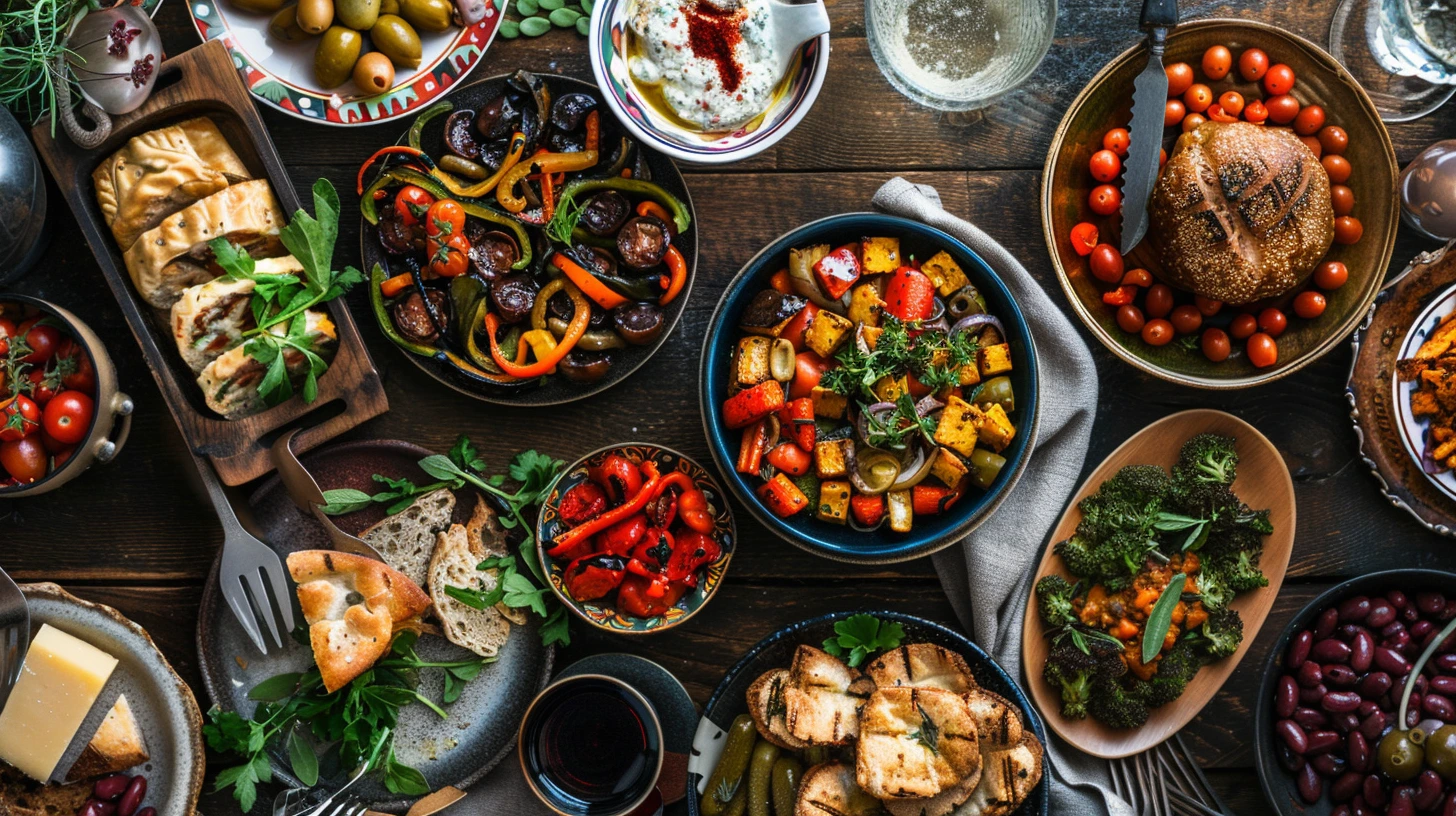
The biggest food trends of 2026 are not just supermarket claims or restaurant buzzwords. They show how people want to eat now: more protein, more fibre, sharper flavour, smaller portions, better freezer food, global comfort dishes and recipes that feel generous without wasting money.
That is why this guide is built around recipes rather than slogans. A trend only matters if it helps someone decide what to cook, what to order, what to share or what to try next. The best food trends are not separate from real cooking. They usually rediscover something traditional cooks already knew.
Why 2026 food trends feel different
Food has become more practical and more emotional at the same time. People want meals that support health, but they do not want food to feel clinical. They want value, but not boredom. They want convenience, but not a sense that dinner has been reduced to fuel. They want global flavour, but still need the comfort of something familiar.
That tension explains much of 2026. Protein is popular because it makes a meal feel satisfying. Fibre is rising because gut health, fullness and natural ingredients are becoming more important. Smaller portions and shareable plates reflect changing appetites, tighter budgets and the influence of GLP-1 weight-loss drugs. Freezer food is being reimagined because people want restaurant-style quality at home. Sharp flavours such as vinegar, pickles, lemon and brines are cutting through rich food and making plates feel brighter.
There is also a deeper story here. Many of the foods that feel most modern in 2026 are not new at all. A French stew, an Italian bread salad, a Tanzanian sweet, a bowl of mussels, a plate of arancini or a properly made pie can all answer a modern need. They are satisfying, memorable and rooted in place.
High-protein food goes mainstream
High-protein food has moved beyond protein bars, shakes and gym culture. It is now one of the clearest ways people judge whether a meal will keep them full, support an active life and feel worth eating. That makes it a commercial trend, but also a very old cooking idea. Most food cultures already have protein at the centre of their most satisfying dishes.
Argentina is famous for beef because cattle, land and asado culture shaped the national table. France has bistro classics built around steak, chicken, duck, beef and seafood. Italy uses cheese, beans, cured meats and rice to turn simple ingredients into proper meals. India, Egypt, Morocco, Turkey and Kenya all show how pulses, yoghurt, eggs, fish, chickpeas and slow-cooked meat can make food sustaining without making it boring.
On the site, Steak Frites is the direct version of the trend: protein, chips, sauce and no confusion. Boeuf Bourguignon shows the slower version, where beef becomes tender through wine, time and patience. Coq au Vin turns chicken into a dish with depth, while Cassoulet brings meat and beans together in one of the great examples of protein-rich comfort food.
The important point is that protein does not have to mean plain food. It can be grilled, braised, roasted, preserved, folded into rice, simmered with beans or lifted with herbs. The trend is modern because consumers are asking for it more directly, but the best answers are traditional.
Fibre becomes food culture, not just a health claim
Fibre is one of the most interesting trends of 2026 because it changes the conversation around healthy eating. Instead of only removing things from the plate, fibre adds something useful: grains, vegetables, beans, fruit, seeds, herbs and whole foods with texture.
This is why the fibre trend works so well for a recipe website. Fibre is not just a nutrient line on a packet. It is the chew of bread, the sweetness of tomatoes, the body of beans, the freshness of cucumber, the softness of cooked aubergine and the richness of olive oil carrying vegetables into something satisfying.
Panzanella is one of the best examples. It began as a practical bread salad, the kind of dish that makes old bread useful again. In 2026 it also reads like a modern plate: tomatoes, cucumber, bread, olive oil and acidity. Ratatouille does something similar with vegetables, turning courgettes, aubergines, peppers and tomatoes into comfort rather than a side dish. Focaccia, Baguette and Pain Poilâne show how bread still sits at the heart of food culture when it is treated with respect.
The rise of fibre also connects to value. Vegetables, grains and pulses can stretch a meal, add colour and make a table feel generous without relying only on expensive centrepieces. That matters in a year when people still want pleasure but are watching what they spend.
Comfort food gets a passport
Comfort food is not disappearing. It is travelling. In 2026, the strongest comfort dishes are often familiar in feeling but global in flavour. People want the reassurance of a stew, pie, rice dish, fried snack, bowl or bake, but they also want to discover something beyond the usual rotation.
This is where recipes become storytelling. Arancini di Riso and Suppli al Telefono are comfort food because they are crisp, warm and filled with rice. Chicken Pot Pie is comfort food because pastry turns leftovers, sauce and chicken into something that feels looked after. Mac and Cheese is comfort food because it is creamy, simple and instantly understood.
Then there are the slow dishes: Boeuf Bourguignon, Cassoulet and Coq au Vin. They carry the feeling of a long meal, even if the reader is only discovering them for the first time. That is why global comfort food is such a strong trend. It lets people travel without leaving the kitchen.
Smaller plates and shareable meals change the rhythm of dinner
Another major shift is not only what people eat, but how they eat. Smaller portions, snacks and sharing plates are becoming more important because people want flexibility. Some diners have lighter appetites. Some want to try three things instead of committing to one large main. Some are eating out less often and want the table to feel more social when they do.
This is not a miserable trend. Done well, small plates make food more exciting. They bring contrast: crisp next to creamy, sharp next to rich, fresh next to fried. They also make traditional starters feel more useful. Bruschetta, Caprese Salad, Panzanella, Arancini di Riso and Pâté de Campagne all work beautifully as part of a table rather than a formal course.
The best small plates feel generous, not reduced. A board of bread, tomatoes, cheese, pâté, rice balls and salad can feel more abundant than one heavy plate. It also suits the way people browse food now: visually, socially and with a desire to taste more than one story at once.
Sharp flavour wakes up the plate
Vinegar, pickles, brines, lemon, fermented sauces and sharp dressings are rising because they solve one of cooking’s oldest problems: how to make rich food feel balanced. Acidity does not just make food sour. It makes flavour clearer.
A squeeze of lemon can lift fish. Vinegar can make tomatoes taste brighter. Pickles can cut through fat. Brines can make a sandwich or salad feel more deliberate. Fermentation can add savoury depth without heaviness. That is why sharp food feels so suited to 2026. It delivers impact without simply adding more butter, sugar or salt.
Moules Marinières shows how white wine, shallots and herbs can make seafood taste clean and lively. Sole Meunière relies on butter, but it needs lemon to make that butter sing. Poulet Basquaise uses peppers and tomatoes to bring brightness to chicken. Panzanella uses acidity to turn bread and vegetables into something far more exciting than a salad of leftovers.
This is also why spicy fruit, chilli mango, citrus salads and sweet heat are spreading so easily online. They are colourful, immediate and easy to understand. The first bite explains the trend.
Freezer food becomes respectable
The freezer is having a reputation change. For years it was treated as the place for emergency food, forgotten leftovers and uninspiring ready meals. In 2026, the better story is freezer fine dining: food that is convenient without feeling careless.
Traditional cooking has always understood this. Many of the dishes that reheat best are patient dishes: stews, pies, sauces, soups, dumplings, bakes and vegetable dishes with enough structure to hold their flavour. The freezer rewards food that has already been cooked with care.
Boeuf Bourguignon and Cassoulet are obvious examples because slow cooking often improves after resting. Chicken Pot Pie suits batch cooking because the filling can be made ahead and given a pastry lid when needed. Ratatouille can become a side dish, pasta sauce, brunch base or quick lunch. Brandade de Morue shows how preserved fish traditions can still feel practical for modern kitchens.
This trend matters because it respects people’s real lives. Not everyone has time to cook from scratch every night. A good freezer meal can be the difference between a proper dinner and another expensive delivery.
African food gets the attention it deserves
African food is far too often treated as one category, when it is really a continent of coastlines, spice routes, grains, grills, stews, breads, sweets, markets and family traditions. One of the best things a food website can do in 2026 is give African cuisines more room to be specific.
East African food tells one story through the Indian Ocean, where trade brought spices, coconut, rice and ideas into conversation with local ingredients. North African food tells another through couscous, tagines, preserved lemons, flatbreads and spice blends. West African cooking brings jollof rice, groundnuts, pepper, plantain and deeply savoury stews. South African food carries indigenous, Dutch, Malay, Indian and modern influences in one complicated, fascinating food culture.
The Tanzanian recipes on the site are a strong starting point. Mandazi is a street-food sweet with a soft, fried comfort. Vitumbua uses rice and coconut in a way that tells you about coastal influence. Kashata ya Nazi, Kashata ya Karanga and Halua ya Zanzibar show how sweets can carry trade, celebration and everyday pleasure in one bite.
As more readers search beyond the same familiar European classics, African recipe stories offer exactly what 2026 food culture needs: flavour, history, variety and dishes that feel both generous and underexplored.
The Silk Road still seasons the kitchen
The Silk Road was not just a trade route. It was a movement of taste. Pepper, cinnamon, cloves, cumin, cardamom, sesame, rice, wheat, tea, dried fruit and cooking ideas travelled across regions, changing food without making every place taste the same.
That is why the Silk Road is such a useful lens for modern food trends. People in 2026 want global flavour, but the best global food is not random fusion. It is connected by history. Spices travelled because they were valuable, practical and exciting. They preserved, perfumed, warmed and transformed food.
You can see the wider legacy in recipes that use spice, grain, bread, rice or preserved ingredients as cultural memory. Focaccia and Arancini di Riso speak to Italy’s grain and rice traditions. Mandazi and Halua ya Zanzibar carry the flavour of the Indian Ocean. French regional dishes such as Poulet Basquaise remind us that trade, migration and local identity have always shaped the plate.
The modern lesson is simple: flavour has always moved. The more clearly a recipe tells that story, the more interesting it becomes.
French and Italian classics still feel modern
French and Italian food keep surviving trend cycles because they already understand what modern diners want. They offer comfort, identity, acidity, freshness, texture, technique and pleasure. They can be rustic or elegant. They can be shared or served as a full meal. They can feel familiar while still giving a reader something to discover.
Italy is especially strong for the lighter side of 2026. Bruschetta, Caprese Salad, Panzanella and Focaccia all show how tomatoes, bread, herbs, cheese and olive oil can carry a table. France gives the deeper side: Boeuf Bourguignon, Coq au Vin, Ratatouille, Tarte Tatin and Crème Brûlée.
These dishes are not modern because someone reinvented them. They are modern because they still answer the question people ask every year: what can I cook that feels worth sitting down for?
Value becomes part of the pleasure
Value is one of the least glamorous food trends, but one of the most important. When prices are high, people become more selective. They still want to eat well, but they want food to justify the money, effort and time.
That does not mean every meal has to be cheap. It means a recipe needs to feel worthwhile. A stew that stretches meat with beans has value. A bread salad that rescues yesterday’s loaf has value. A freezer-friendly dish that becomes two dinners has value. A small-plates spread that turns a few ingredients into a sociable table has value.
This is where traditional food has an advantage. Many classic recipes were created by people who understood scarcity, seasonality and the need to make ingredients go further. They were not designed for trend reports. They were designed for real life.
Five interesting facts behind the 2026 trends
- Fibre is becoming a headline trend because it connects health with real food. It is linked to gut health, fullness and everyday ingredients such as grains, beans, vegetables, fruit and seeds.
- GLP-1 weight-loss drugs are influencing menus. They are changing appetite patterns, which helps explain the rise of smaller portions, snacks, shareable plates and meals that combine protein with fibre.
- Freezer food is moving upmarket. The strongest freezer trend is not about cutting corners. It is about better prepared food that can be stored, reheated and still feel like a proper meal.
- Vinegar and acidity are rising because they make flavour feel cleaner. Sharp ingredients can make rich dishes more balanced, vegetables brighter and seafood more lively.
- Global comfort food works because it gives people discovery without losing reassurance. A dish can be new to the reader and still feel comforting if it is warm, generous, familiar in structure and full of flavour.
Explore the 2026 trends in more detail
- Why High-Protein Food Is Everywhere in 2026
- The Fibre Comeback: Traditional Recipes That Were Ahead of the Trend
- Comfort Food With Passport Stamps: Why 2026 Belongs to Global Classics
- The Rise of Small Plates: How to Eat Well Without a Heavy Meal
- Why Sharp Food Tastes So Good: Vinegar, Pickles and the 2026 Flavour Shift
- Freezer Fine Dining: The Traditional Dishes That Reheat Beautifully
- 10 Dishes That Tell the Story of Africa’s Food Cultures
- The Silk Road on a Plate: Why Spices Travelled and Stayed
- Why French and Italian Classics Still Feel Modern in 2026
What to cook first
Start with the trend that matches the way you want to eat today. Choose Steak Frites or Cassoulet if you want a protein-rich meal that feels properly satisfying. Choose Panzanella or Ratatouille if you want fibre, colour and freshness. Choose Arancini di Riso, Bruschetta and Caprese Salad if you want a table built around sharing. Choose Boeuf Bourguignon if you want a freezer-friendly classic that rewards patience.
The real lesson of 2026 is that trends are useful only when they become dinner. Protein, fibre, acidity, comfort, global flavour and value all matter because they help people eat in a way that feels satisfying, interesting and possible. The food world keeps changing, but the best recipes keep proving the same thing: a good dish does not chase a trend. It explains why the trend exists.