Italian Starter

Bruschetta

Bruschetta is famous because a few ingredients create a vivid contrast: crisp warm bread, fruity olive oil, garlic and, in the best-known version, ripe tomato and basil.

15 minsPrep time
1 hrCook time
Serves 2Servings
EasyDifficulty
Bruschetta
About this dish

Bruschetta: the story on the plate

Bruschetta is rooted in Central Italy, with variations throughout the country. Bruschetta grew from the simple practice of grilling or toasting bread and rubbing it with garlic before dressing it with olive oil. The name is commonly linked to the central Italian verb bruscare, meaning to toast or roast over coals; tomato-topped versions are now internationally famous but are only one branch of the tradition. Bruschetta is famous because a few ingredients create a vivid contrast: crisp warm bread, fruity olive oil, garlic and, in the best-known version, ripe tomato and basil. Its simplicity also exposes ingredient quality, so good bread and olive oil matter immediately. Traditionally, bruschetta fits naturally into informal eating and antipasti, and it is also associated with tasting newly pressed olive oil in producing regions. It demonstrates an Italian habit of beginning with excellent raw materials rather than hiding them beneath complicated preparation.
Historical background

Bruschetta grew from the simple practice of grilling or toasting bread and rubbing it with garlic before dressing it with olive oil. The name is commonly linked to the central Italian verb bruscare, meaning to toast or roast over coals; tomato-topped versions are now internationally famous but are only one branch of the tradition.

Why it is famous

Bruschetta is famous because a few ingredients create a vivid contrast: crisp warm bread, fruity olive oil, garlic and, in the best-known version, ripe tomato and basil. Its simplicity also exposes ingredient quality, so good bread and olive oil matter immediately.

Cultural significance

Traditionally, bruschetta fits naturally into informal eating and antipasti, and it is also associated with tasting newly pressed olive oil in producing regions. It demonstrates an Italian habit of beginning with excellent raw materials rather than hiding them beneath complicated preparation.
Nutrition

Estimated nutrition per serving

These figures are estimates per serving. Actual nutrition can vary with the brands and exact amounts you use, how much oil, dressing or sauce is absorbed, any substitutions or added extras, and the portion size served.

A practical guide for comparing recipes and planning meals.

480Calories
17gProtein
55gCarbs
22gFat
Ingredients

What you need

  • Tomato bruschetta
  • 0.25 Small red onion finely chopped
  • 4 Medium tomatoes
  • 500 coarsely and drained, (about 500g) coarsely chopped and drained
  • 1 2-3 Garlic cloves crushed
  • 3 Leaves of basil, 6-8 Leaves of fresh basil finely chopped
  • 15 Balsamic vinegar
  • 30 Extra virgin olive oil
  • 0.5 Loaf crusty bread
Method

Step-by-step method

Follow the recipe in order, tasting and adjusting seasoning where needed.

  1. In a large bowl mix the onion, tomatoes, garlic and basil, taking care not to mash or break up the tomatoes too mush.
  2. Add the balsamic vinegar and extra virgin olive oil, and add salt and pepper to taste.
  3. Mix again. Cover and chill for at least an hour. This will allow the flavours to soak and blend together. Slice the baguette lengthwise diagonally into 12 thick slices and lightly toast them until they are light brown on both sides.
  4. Serve the mixture on the warm slices of bread. If you prefer the mixture at room temperature, remove it from the fridge half an hour before serving.
Cook smarter

Tips, storage and serving advice

Shopping tips

Buy the freshest version of the main ingredient you can, avoid tired herbs or dull spices, and choose produce that smells clean and bright. For Bruschetta, quality matters more than unnecessary extras.

Ingredient quality

Measure the main ingredient by weight where possible, measure liquids in ml, and list small flavour builders such as salt, pepper, citrus, herbs and oil clearly rather than hiding them in the method.

Common mistakes

For Bruschetta, the main mistakes are losing control of the balance between Tomato bruschetta, red onion, tomatoes, coarsely and drained; rushing the early preparation before the dish has developed enough flavour; and overworking or holding the finished dish so long that its freshness and texture fade. With Bruschetta, taste and observe as you cook rather than relying on the clock alone; the goal is a result that still tastes recognisably Italian and preserves the texture that makes this recipe distinctive.

Chef’s tips

For the best Bruschetta, organise Tomato bruschetta, red onion, tomatoes, coarsely and drained before you start so the cooking itself can stay controlled. Give the opening preparation enough attention; small errors made early are harder to correct at the end. Keep the technique simple and concentrate on ingredient quality, seasoning and timing. Use colour, aroma and texture as the final test rather than treating the listed cooking time as absolute. Before serving, make one final adjustment for salt, acidity, richness or sweetness as appropriate. That final check is what makes Bruschetta taste deliberate rather than simply cooked.

How to know it is cooked

It is ready when the main ingredient is cooked through, the sauce or dressing tastes balanced, and the final texture matches the dish description rather than feeling dry or watery.

Plating advice

Plate Bruschetta so the dish reads clearly at first glance. Use a smaller plate or shallow bowl and keep the portion compact, leaving enough negative space for Tomato bruschetta, red onion, tomatoes to remain identifiable. The presentation should protect the intended texture — contrasting textures that should feel deliberate: tender main elements, crisp edges, soft bases or fresh garnish — so avoid covering crisp elements with sauce too early or compressing delicate components. For the finish, draw selectively from the existing garnish guidance: Fresh herbs, citrus zest, cracked pepper, toasted crumbs, nuts or a light drizzle of good oil depending on the dish. Use one or two elements with purpose rather than applying every option at once. For Bruschetta, the final plate should feel consistent with its Italian identity: confident, appetising and easy to eat, with no decoration that competes with the food itself.

Make ahead

Prepare sauces, chopped vegetables and dry mixes ahead where sensible, but finish crisp, fried, grilled or delicate elements close to serving.

Storage and reheating

Cool leftovers quickly and refrigerate in a sealed container. Most savoury dishes keep for 2 days; delicate seafood and dressed salads are best eaten sooner. Reheat gently until piping hot, adding a splash of water, stock, milk or sauce if the dish has thickened. Crisp elements are best refreshed in an oven or air fryer.

Wine pairing

What to drink with Bruschetta

These are wine-style pairings, so you can choose any bottle in that style rather than needing one exact producer. Look for the grape, region or style name on the label.

Pairings are chosen around the dish’s flavour, texture, richness, acidity and cooking style, not just the country it comes from.

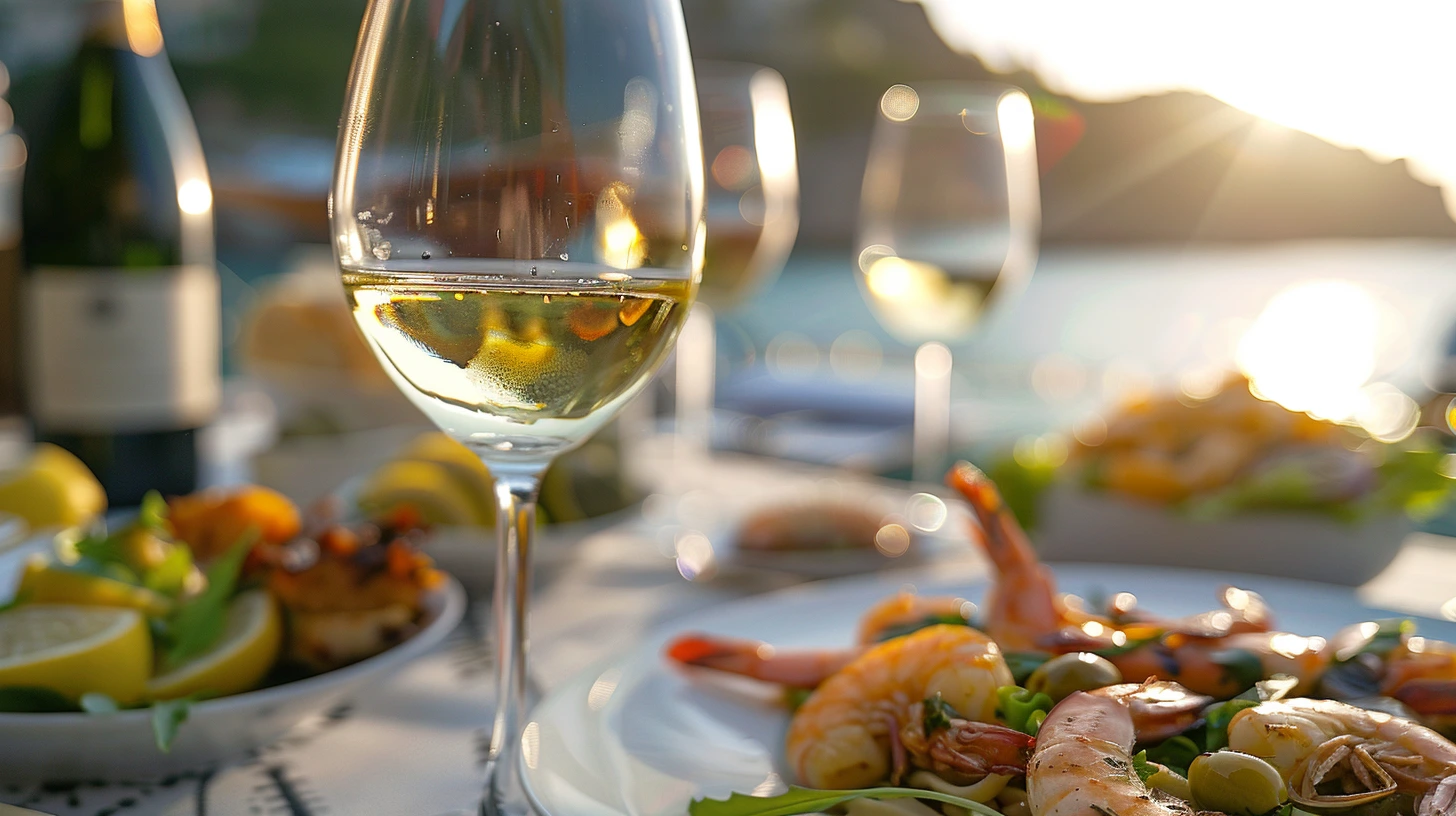
Vermentino wine pairing
#1 Excellent match White

Vermentino

Why it works:

Vermentino is especially effective with Bruschetta because its naturally lively acidity meets the acidity of tomato, while savoury fruit and herbs reinforce the sauce rather than fighting it.

Mediterranean white with citrus, pear, almond, herbs and a lightly salty finish. Great with olive oil, tomatoes, seafood and Italian starters.

GrapeVermentino, Rolle
RegionSardinia, Liguria, Tuscany, Provence
Wine flavourlemon, pear, almond, herbs, sea salt
Serve at8-10°C
  • Flavour bridge: red fruit, herbs and savoury spice echo tomato-led flavours
  • Acidity: High enough acidity to stay vivid beside tomato
  • Body: Medium body fits the dish's concentration
  • Tannin: Moderate tannin avoids becoming hard beside acidity
  • Sweetness: Dry profile keeps tomato flavours focused
  • Best for: Dinner, entertaining or recipe pairing
View wine guide
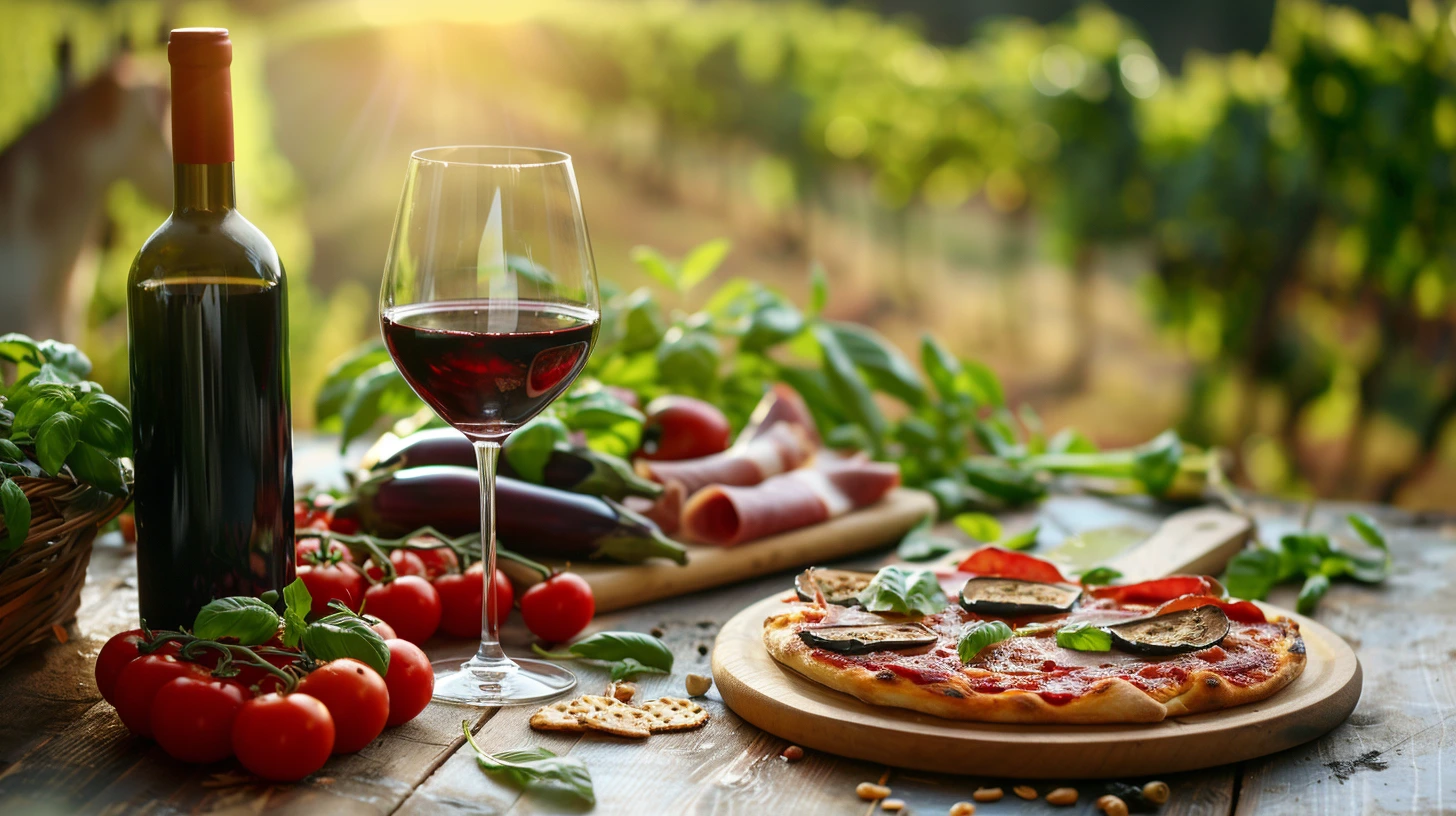
Sangiovese wine pairing
#2 Great match Red

Sangiovese

Why it works:

Sangiovese is a strong alternative with Bruschetta because its naturally lively acidity meets the acidity of tomato, while savoury fruit and herbs reinforce the sauce rather than fighting it.

Italy’s signature red grape style: bright acidity, red fruit and savoury tannin.

GrapeSangiovese
RegionTuscany, Romagna, Umbria
Wine flavoursour cherry, tomato leaf, herbs, savoury spice
Serve at15-17°C
  • Flavour bridge: red fruit, herbs and savoury spice echo tomato-led flavours
  • Acidity: High enough acidity to stay vivid beside tomato
  • Body: Medium body fits the dish's concentration
  • Tannin: Moderate tannin avoids becoming hard beside acidity
  • Sweetness: Dry profile keeps tomato flavours focused
  • Best for: Dinner, entertaining or recipe pairing
View wine guide
Barbera wine pairing
#3 Interesting match Red

Barbera

Why it works:

For a more adventurous pairing, barbera is especially effective with Bruschetta because its naturally lively acidity meets the acidity of tomato, while savoury fruit and herbs reinforce the sauce rather than fighting it.

Bright Italian red with red fruit, low tannin and high acidity. Excellent with tomato, pork, sausages, cheese and hearty but not too heavy dishes.

GrapeBarbera
RegionPiedmont, Lombardy
Wine flavourred cherry, plum, violet, spice
Serve at14-16°C
  • Flavour bridge: red fruit, herbs and savoury spice echo tomato-led flavours
  • Acidity: High enough acidity to stay vivid beside tomato
  • Body: Medium body fits the dish's concentration
  • Tannin: Moderate tannin avoids becoming hard beside acidity
  • Sweetness: Dry profile keeps tomato flavours focused
  • Best for: Dinner, entertaining or recipe pairing
View wine guide
Bottle suggestions

Specific wines to try

These are named bottles or regional wine examples already linked to this recipe. Each card opens the relevant wine-style guide because individual bottle pages are not currently published.