Italian Main

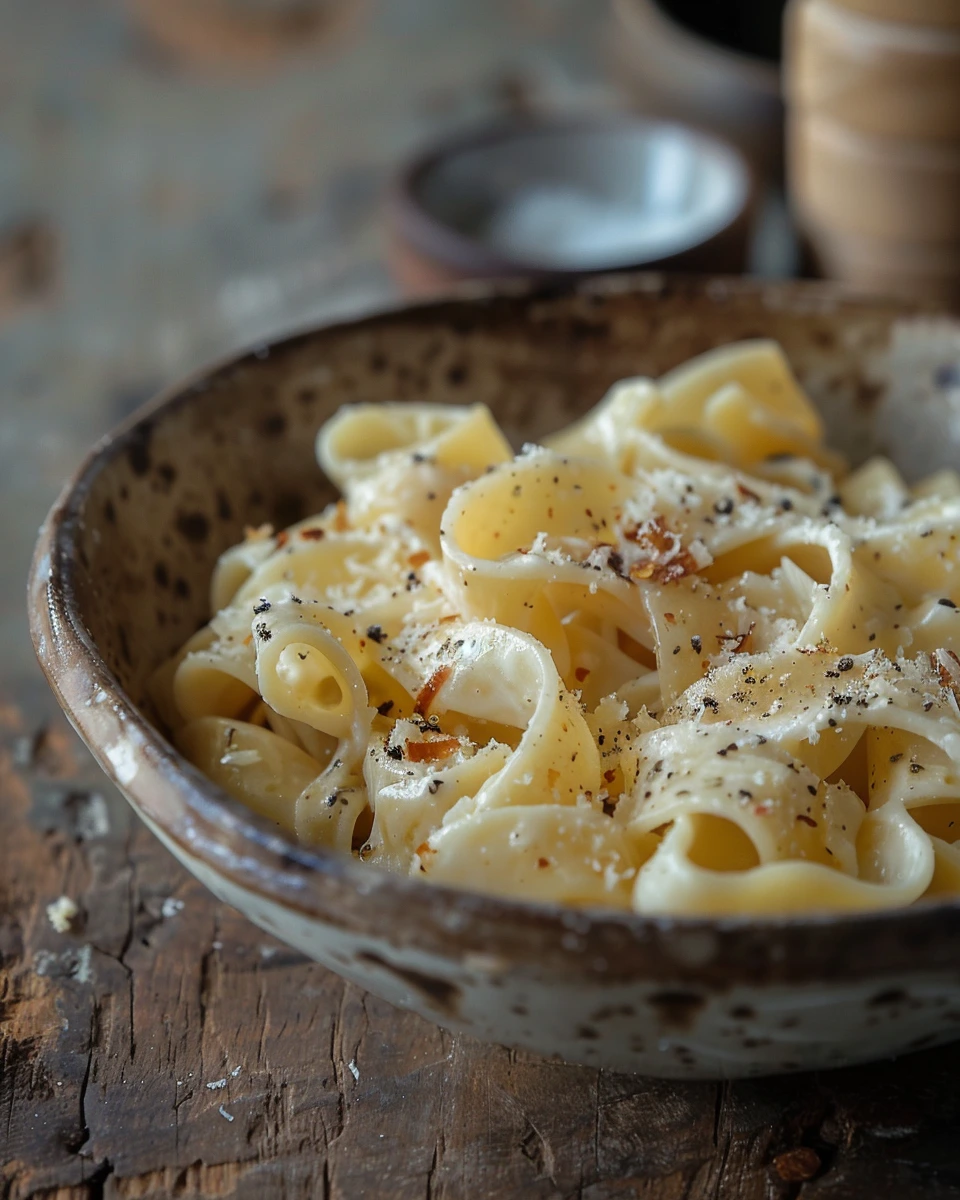
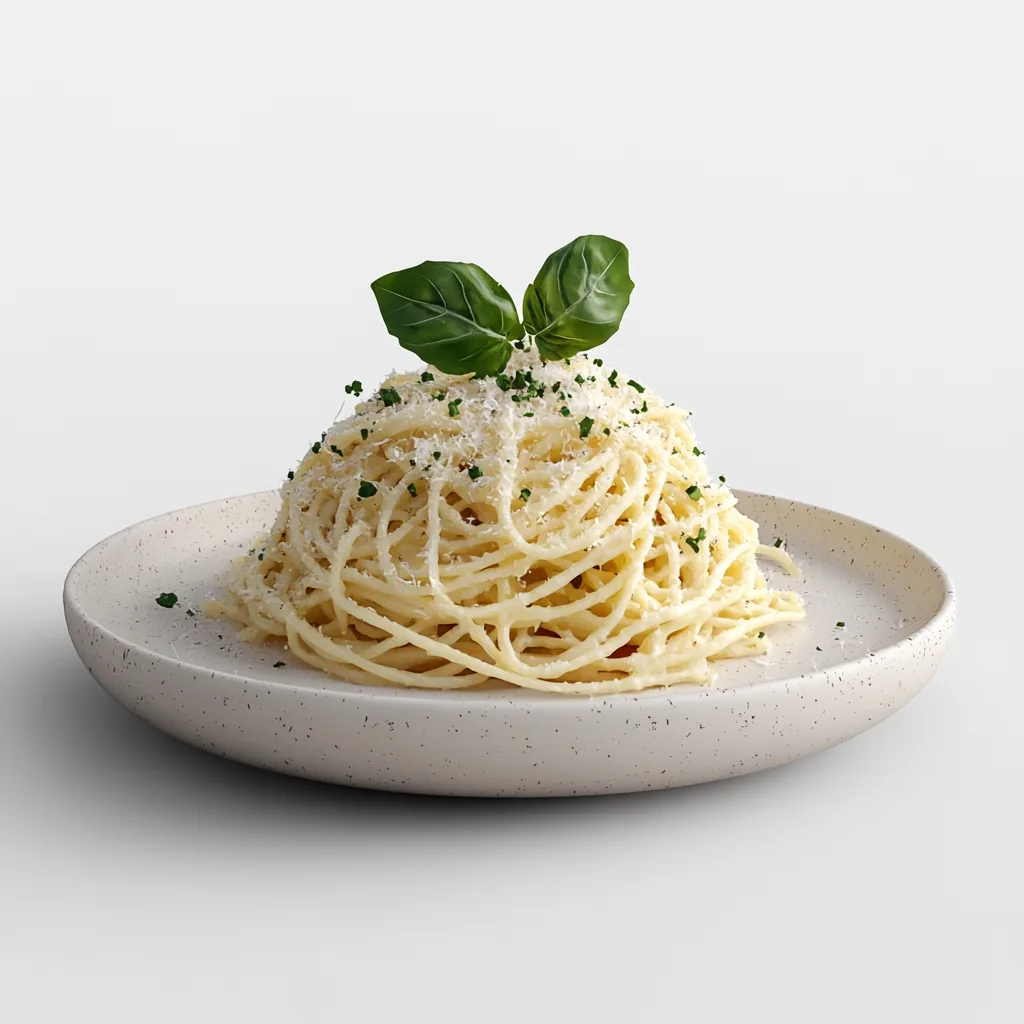
Cacio e Pepe

Cacio e Pepe is a classic Italian main course built around comforting flavour, cultural heritage and the kind of cooking that makes a meal feel memorable.

10 minsPrep time
Timing variesCook time
Serves 4Servings
EasyDifficulty
Cacio e Pepe
About this dish

Cacio e Pepe: the story on the plate

Cacio e Pepe is more than a main: it is a route into regional Italian kitchens, market produce and a tradition of letting good ingredients do most of the work. The dish is built around olive oil, wheat, tomatoes, herbs, cheese and patient sauces, giving it a flavour that feels both practical and deeply connected to its origin. It works especially well for relaxed dinners, family meals and menus built around simple flavour, and it gives readers a clear way to understand how ingredients, technique and food history meet on the plate.

Historical background

Cacio e Pepe belongs to the wider story of regional Italian kitchens, market produce and a tradition of letting good ingredients do most of the work. It reflects how local ingredients, cooking equipment, trade routes, seasonality and household traditions turned everyday food into recognisable national or regional identity.

Why it is famous

Cacio e Pepe is famous because it captures something people associate with Italian food: recognisable ingredients, a clear cooking style and a flavour that feels strongly tied to place.

Cultural significance

In a menu, Cacio e Pepe helps explain Italian cooking through taste rather than theory. It can sit beside other dishes from the same country to create a fuller cultural food journey.

Nutrition

Estimated nutrition per serving

Useful for meal planning and calorie-aware recipe browsing.

680Calories
31gProtein
66gCarbs
33gFat

Estimated from recipe type and current ingredient text; review before publishing formal nutritional claims.

Ingredients

What you need

  • 8 uncooked pasta (try bucatini)
  • 2 butter, into 1 tbsp chunks, butter, diced into 1 tbsp chunks
  • 1 freshly-ground coarse black pepper
  • 2 finely-grated pecorino-romano cheese
  • sea salt (about 2 tbsp)
Method

Step-by-step method

Follow the recipe in order, tasting and adjusting seasoning where needed.

  1. Fill a large stockpot about halfway full of water and bring it to a rolling boil. Generously season the water with fine salt
  2. As the pasta water heats, melt the butter in a large saute pan (preferably nonstick) over medium heat.
  3. Add the pepper and let it cook for 30 seconds, then turn off the heat.
  4. Add the pasta to the boiling water and cook, stirring occasionally, until it is just barely al dente.
  5. Use tongs to quickly transfer the pasta directly to the saute pan with the melted butter and pepper.
  6. Add 1/3 of a cup of the starchy pasta water to the pan and toss the pasta briefly to combine.
  7. Add in half of the cheese and toss the pasta briefly to coat, then add in the remaining half of the cheese and continue tossing the pasta, adding in a few extra tbsp of starchy pasta water if needed to thin out the sauce, until the cheese is melted and forms a smooth and glossy sauce.
  8. Serve the pasta immediately, garnish with an extra twist of black pepper.
Cook smarter

Tips, storage and serving advice

Shopping tips

Buy the best version of the defining ingredient you can afford. Fresh herbs, good dairy, ripe produce, quality meat or seafood and proper bread or pastry make a noticeable difference.

Ingredient quality

Prioritise freshness, correct seasoning and authentic core ingredients. Where substitutions are needed, protect the main flavour and texture of the original dish.

Common mistakes

Do not rush the foundation of the dish. Under-seasoning, overcrowding the pan, using weak stock or poor-quality core ingredients will make the final result feel flat.

Chef’s tips

Taste as you go, season in layers and give the dish enough resting or cooling time where appropriate. Presentation should support the food story rather than distract from it.

How to know it is cooked

The dish is ready when the key texture is correct: tender meat or vegetables, cooked pastry or grains, a sauce that coats properly, or a dessert that has set while still feeling pleasant to eat.

Plating advice

Serve in a way that suits the origin of the dish: rustic bowls for comfort food, generous platters for sharing dishes, clean plates for elegant classics and small portions for rich desserts.

Make ahead

Prepare components ahead where possible. Many sauces, braises, soups, pastries and desserts benefit from resting, chilling or reheating gently before serving.

Storage and reheating

Cool leftovers quickly, cover well and refrigerate. Most cooked dishes are best eaten within 2 to 3 days, while delicate salads, fried items and seafood are best served fresh. Reheat gently until piping hot throughout, adding a splash of water, stock, milk or sauce if the dish has thickened. Avoid aggressive heat for dairy, seafood and delicate desserts.

Wine pairing

What to drink with Cacio e Pepe

Pairings are chosen around the dish’s flavour, texture, richness, acidity and cooking style — not just the country it comes from.

#99 Good match Red

Chianti / Sangiovese

Why it works: Fallback pairing for Cacio e Pepe: selected from the recipe course and cuisine so the page always has a useful wine recommendation.

Savoury, high-acid Italian red with cherry, dried herbs and firm but food-friendly tannins. Built for tomato, olive oil, roast meat and rustic pasta.

GrapeSangiovese, Canaiolo, Colorino
RegionTuscany, Umbria, Emilia-Romagna
Wine flavoursour cherry, tomato leaf, herbs, leather
Serve at15-17°C
  • Flavour bridge: Chosen to provide a sensible balance of acidity, body and regional character when no hand-curated pairing exists yet.
  • Acidity: Balanced against the likely richness of the dish.
  • Body: Matched broadly to the recipe course and cuisine.
  • Tannin: Kept food-friendly rather than overpowering.
  • Sweetness: Dry for savoury dishes; sweet for desserts.
  • Best for: Auto-added fallback pairing. Replace with a hand-curated note when you review the recipe.

These are wine-style pairings, so you can choose any bottle in that style rather than needing one exact producer. Look for the grape, region or style name on the label.