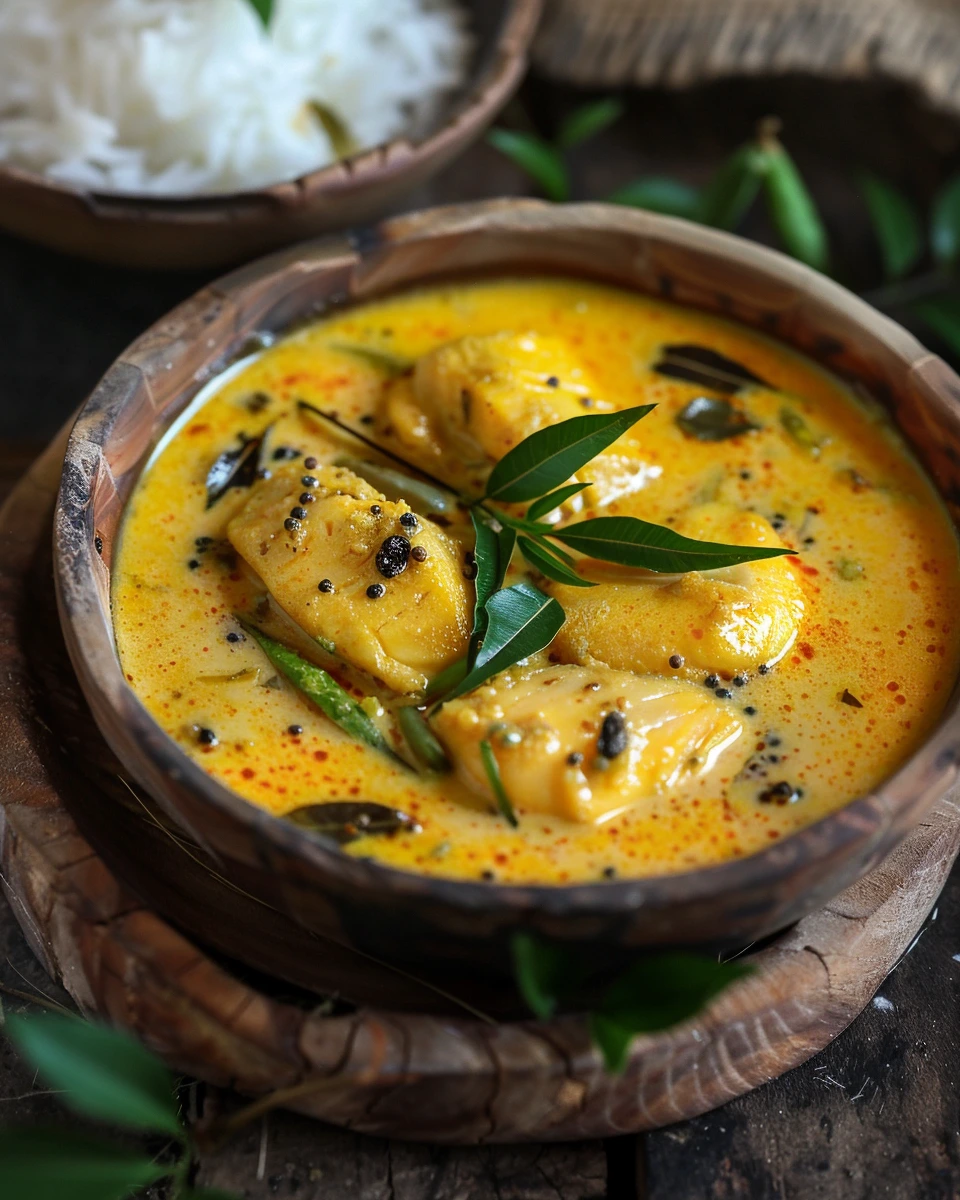
Indian Main

Chole Bhature

A distinctive Indian main built around spiced chickpeas and puffed fermented bread.

8 hrPrep time
1 hr 30 minsCook time
Serves 2Servings
HardDifficulty
Chole Bhature
About this dish

Chole Bhature: the story on the plate

Chole Bhature developed within Punjab and Delhi, where local cooks shaped the dish around available ingredients, established methods and the occasion on which it was eaten. What makes it distinctive is spiced chickpeas and puffed fermented bread. The technique should preserve contrast and prevent the finished dish from becoming heavy or indistinct. Chole Bhature is particularly associated with breakfast, brunch and street-food meals. That setting is central to understanding the dish: it explains when it is eaten, what accompanies it and why it continues to matter within Indian food culture.

Historical background

Chole Bhature developed within Punjab and Delhi, where local cooks shaped the dish around available ingredients, established methods and the occasion on which it was eaten.

Why it is famous

What makes it distinctive is spiced chickpeas and puffed fermented bread. The technique should preserve contrast and prevent the finished dish from becoming heavy or indistinct.

Cultural significance

Chole Bhature is particularly associated with breakfast, brunch and street-food meals. That setting is central to understanding the dish: it explains when it is eaten, what accompanies it and why it continues to matter within Indian food culture.
Nutrition

Estimated nutrition per serving

These figures are estimates per serving. Actual nutrition can vary with the brands and exact amounts you use, how much oil, dressing or sauce is absorbed, any substitutions or added extras, and the portion size served.

A practical guide for comparing recipes and planning meals.

760Calories
23gProtein
98gCarbs
30gFat
Ingredients

What you need

  • 150 dried chickpeas, soaked
  • tea bags, optional for colour, 2 tea bags, optional for colour
  • 1 onions, chopped
  • tomatoes, chopped, 2 tomatoes, chopped
  • 0.5 ginger-garlic paste
  • 1 chole masala
  • 0.5 cumin
  • 0.5 amchur
  • 150 plain flour
  • 40 yoghurt
  • 0.5 sugar
  • 0.25 baking powder
  • oil for frying
  • salt
Method

Step-by-step method

Follow the recipe in order, tasting and adjusting seasoning where needed.

  1. Cut and organise: Cut meat, paneer or vegetables into even pieces; slice onions thinly and chop tomatoes small so the masala cooks smoothly.
  2. Bloom the spices: Heat ghee or oil over medium heat, then cook whole spices and aromatics until fragrant before adding ground spices.
  3. Cook the masala properly: Cook onions, ginger-garlic, tomatoes and spices until the oil begins to separate and the raw smell has gone.
  4. Simmer gently: Add the main ingredient and simmer at 90–95°C / 195–203°F until tender, adding water or stock gradually.
  5. Finish with balance: Finish with garam masala, herbs, cream, coconut, kasuri methi, lemon or tamarind depending on the dish.
Cook smarter

Tips, storage and serving advice

Shopping tips

Buy fresh spices in small quantities, use proper basmati rice where named, choose fresh curry leaves when possible, and buy meat, fish or paneer from a reliable source.

Ingredient quality

Toast whole spices where the recipe asks for it, use fresh ginger and garlic, and avoid tired pre-ground masalas for dishes where roasted spice is the signature.

Common mistakes

For Chole Bhature, the main mistakes are losing control of the balance between dried chickpeas, soaked, tea bags, optional for colour; rushing the "Cut and organise" stage before the flavour or texture has properly developed; and using heat or cooking time mechanically instead of watching the food itself. Use the recipe's visual cue as your guide: Everything is prepared before the pan is hot. With Chole Bhature, taste and observe as you cook rather than relying on the clock alone; the goal is a result that still tastes recognisably Indian and preserves the texture that makes this recipe distinctive.

Chef’s tips

For the best Chole Bhature, organise dried chickpeas, soaked, tea bags, optional for colour before you start so the cooking itself can stay controlled. Give particular attention to the "Cut and organise" stage: this is where the recipe begins to establish its final flavour and texture. A useful technique note from the method is: Thin onions brown better and give body to the sauce. Trust the visual cue — Everything is prepared before the pan is hot. — more than an exact minute count. At the "Finish with balance" stage, make the final seasoning adjustment and serve without unnecessary delay. That final check is what makes Chole Bhature taste deliberate rather than simply cooked.

How to know it is cooked

Look for the texture named in the method: crisp pastry, tender meat, separate rice grains, soft dal, glossy reduced masala, just-cooked fish or syrup-soaked sweets.

Plating advice

Plate Chole Bhature so the dish reads clearly at first glance. Build the plate around the principal serving rather than scattering everything evenly; keep dried chickpeas, soaked, tea bags visually connected so the diner can understand the dish before taking the first bite. The presentation should protect the intended texture — soft chickpeas, fluffy crisp bread — so avoid covering crisp elements with sauce too early or compressing delicate components. For the finish, draw selectively from the existing garnish guidance: Use coriander, fried onions, curry leaves, nuts, saffron, lemon, chutneys or ghee only where they belong to the dish. Use one or two elements with purpose rather than applying every option at once. For Chole Bhature, the final plate should feel consistent with its Indian identity: confident, appetising and easy to eat, with no decoration that competes with the food itself.

Make ahead

Masalas, chutneys, batters, braises and many sweets can be prepared ahead. Fried snacks, crisp dosas, fish and fresh breads are best finished close to serving.

Storage and reheating

Store covered in the fridge for up to 2 days where suitable. Cool rice, meat, dairy and seafood quickly. Reheat curries and dals gently with a splash of water. Re-crisp fried snacks in an oven or air fryer. Avoid harsh reheating for fish and milk sweets.

Wine pairing

What to drink with Chole Bhature

These are wine-style pairings, so you can choose any bottle in that style rather than needing one exact producer. Look for the grape, region or style name on the label.

Pairings are chosen around the dish’s flavour, texture, richness, acidity and cooking style, not just the country it comes from.

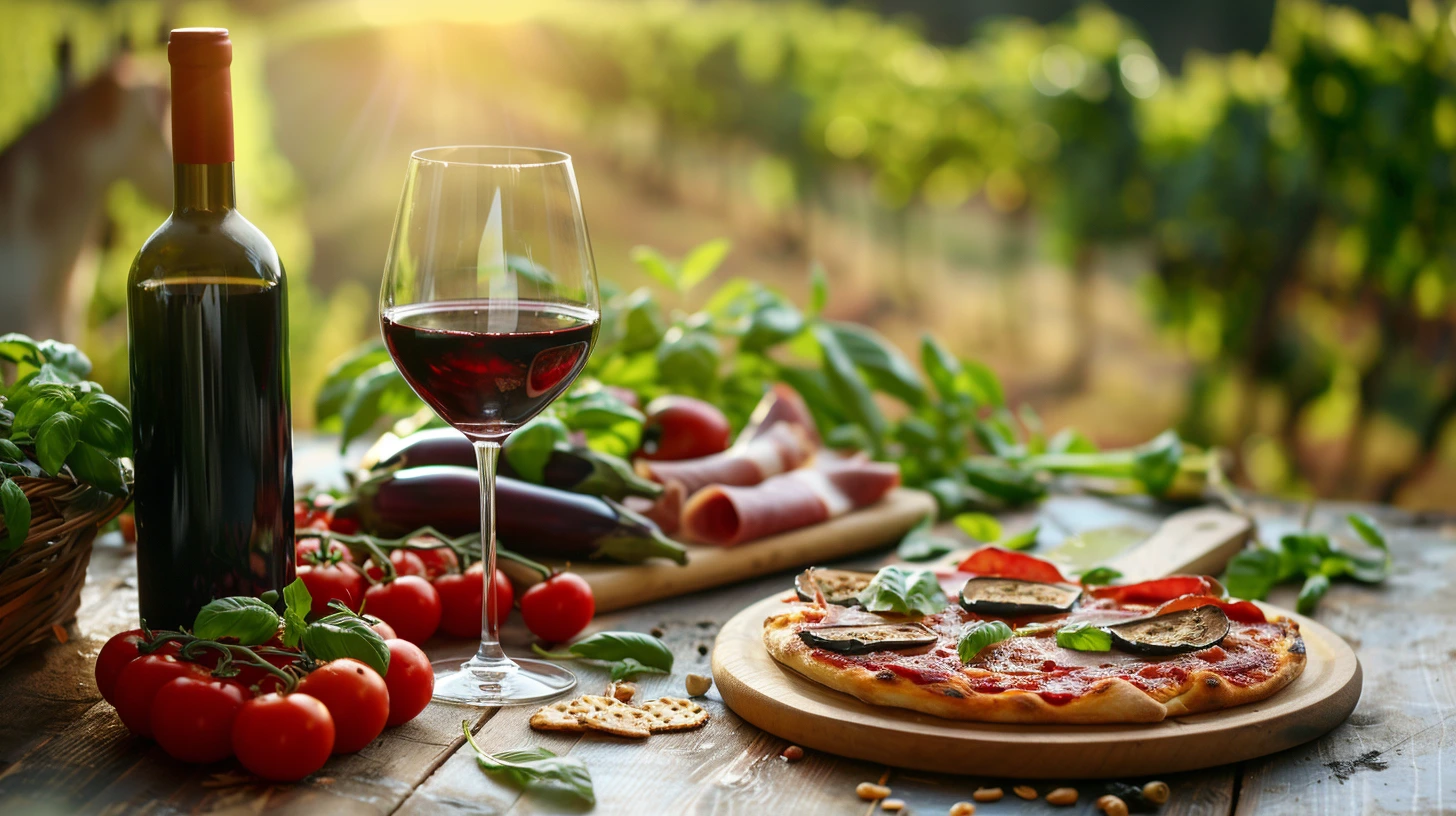
Sangiovese wine pairing
#1 Excellent match Red

Sangiovese

Why it works:

Sangiovese is especially effective with Chole Bhature because its naturally lively acidity meets the acidity of tomato, while savoury fruit and herbs reinforce the sauce rather than fighting it.

Italy’s signature red grape style: bright acidity, red fruit and savoury tannin.

GrapeSangiovese
RegionTuscany, Romagna, Umbria
Wine flavoursour cherry, tomato leaf, herbs, savoury spice
Serve at15-17°C
  • Flavour bridge: red fruit, herbs and savoury spice echo tomato-led flavours
  • Acidity: High enough acidity to stay vivid beside tomato
  • Body: Medium body fits the dish's concentration
  • Tannin: Moderate tannin avoids becoming hard beside acidity
  • Sweetness: Dry profile keeps tomato flavours focused
  • Best for: Dinner, entertaining or recipe pairing
View wine guide
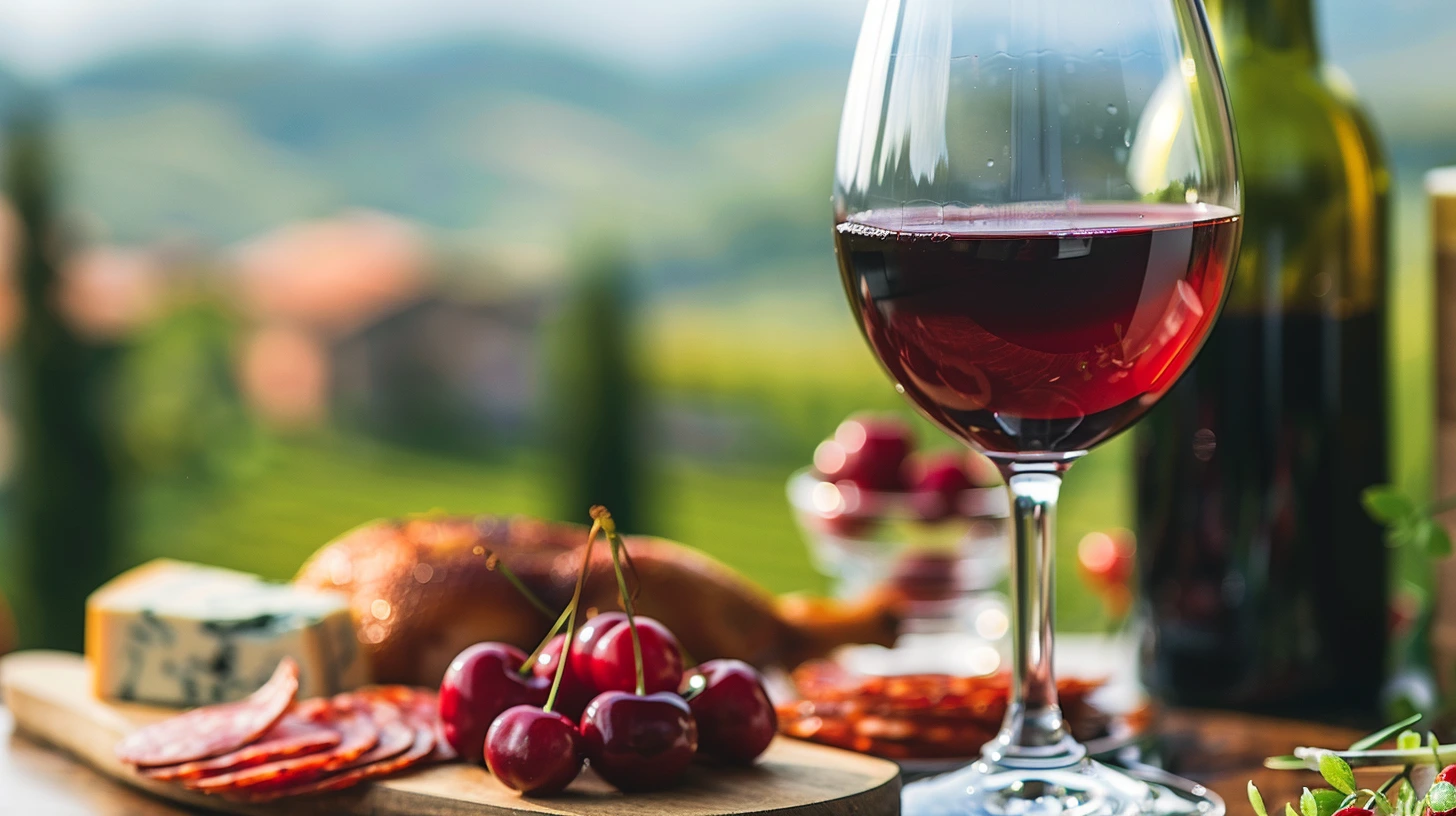
Barbera wine pairing
#2 Great match Red

Barbera

Why it works:

Barbera is a strong alternative with Chole Bhature because its naturally lively acidity meets the acidity of tomato, while savoury fruit and herbs reinforce the sauce rather than fighting it.

Bright Italian red with red fruit, low tannin and high acidity. Excellent with tomato, pork, sausages, cheese and hearty but not too heavy dishes.

GrapeBarbera
RegionPiedmont, Lombardy
Wine flavourred cherry, plum, violet, spice
Serve at14-16°C
  • Flavour bridge: red fruit, herbs and savoury spice echo tomato-led flavours
  • Acidity: High enough acidity to stay vivid beside tomato
  • Body: Medium body fits the dish's concentration
  • Tannin: Moderate tannin avoids becoming hard beside acidity
  • Sweetness: Dry profile keeps tomato flavours focused
  • Best for: Dinner, entertaining or recipe pairing
View wine guide
Valpolicella Classico wine pairing
#3 Interesting match Red

Valpolicella Classico

Why it works:

For a more adventurous pairing, valpolicella Classico is especially effective with Chole Bhature because its naturally lively acidity meets the acidity of tomato, while savoury fruit and herbs reinforce the sauce rather than fighting it.

Light-to-medium Venetian red with cherry fruit and gentle tannin.

GrapeCorvina, Rondinella, Molinara
RegionVeneto
Wine flavourred cherry, herbs, almond, gentle spice
Serve at14-16°C
  • Flavour bridge: red fruit, herbs and savoury spice echo tomato-led flavours
  • Acidity: High enough acidity to stay vivid beside tomato
  • Body: Medium body fits the dish's concentration
  • Tannin: Moderate tannin avoids becoming hard beside acidity
  • Sweetness: Dry profile keeps tomato flavours focused
  • Best for: Dinner, entertaining or recipe pairing
View wine guide
Bottle suggestions

Specific wines to try

These are named bottles or regional wine examples already linked to this recipe. Each card opens the relevant wine-style guide because individual bottle pages are not currently published.