Brandade de Morue: the story on the plate
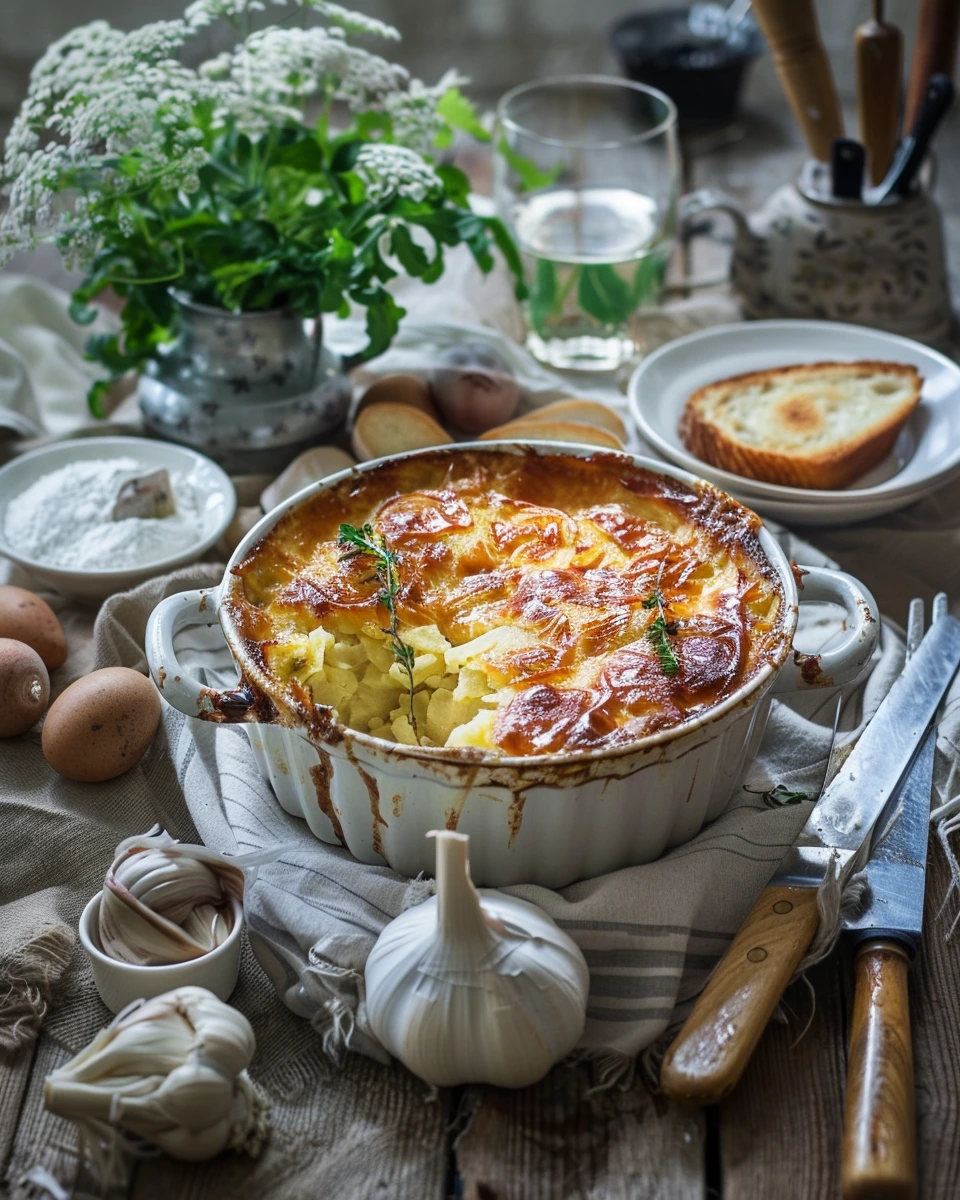
Brandade is closely associated with Nîmes and the Mediterranean south of France, although related salt-cod preparations appear across Spain, Portugal and Italy. Preserved cod was soaked, cooked and emulsified with oil into a nourishing purée. It is famous for turning fibrous salt cod into something creamy and light through patient beating. Garlic and olive oil remain prominent, while potato or milk may soften the intensity depending on the version. Brandade reflects the inland trade in preserved fish and the olive-oil cooking of southern France. It is served warm with toast, baked as a gratin or used as a filling, especially in Languedoc and Provence.
Historical background
Brandade is closely associated with Nîmes and the Mediterranean south of France, although related salt-cod preparations appear across Spain, Portugal and Italy. Preserved cod was soaked, cooked and emulsified with oil into a nourishing purée.
Why it is famous
It is famous for turning fibrous salt cod into something creamy and light through patient beating. Garlic and olive oil remain prominent, while potato or milk may soften the intensity depending on the version.
Cultural significance
Brandade reflects the inland trade in preserved fish and the olive-oil cooking of southern France. It is served warm with toast, baked as a gratin or used as a filling, especially in Languedoc and Provence.