Italian Starter

Arancini di Riso

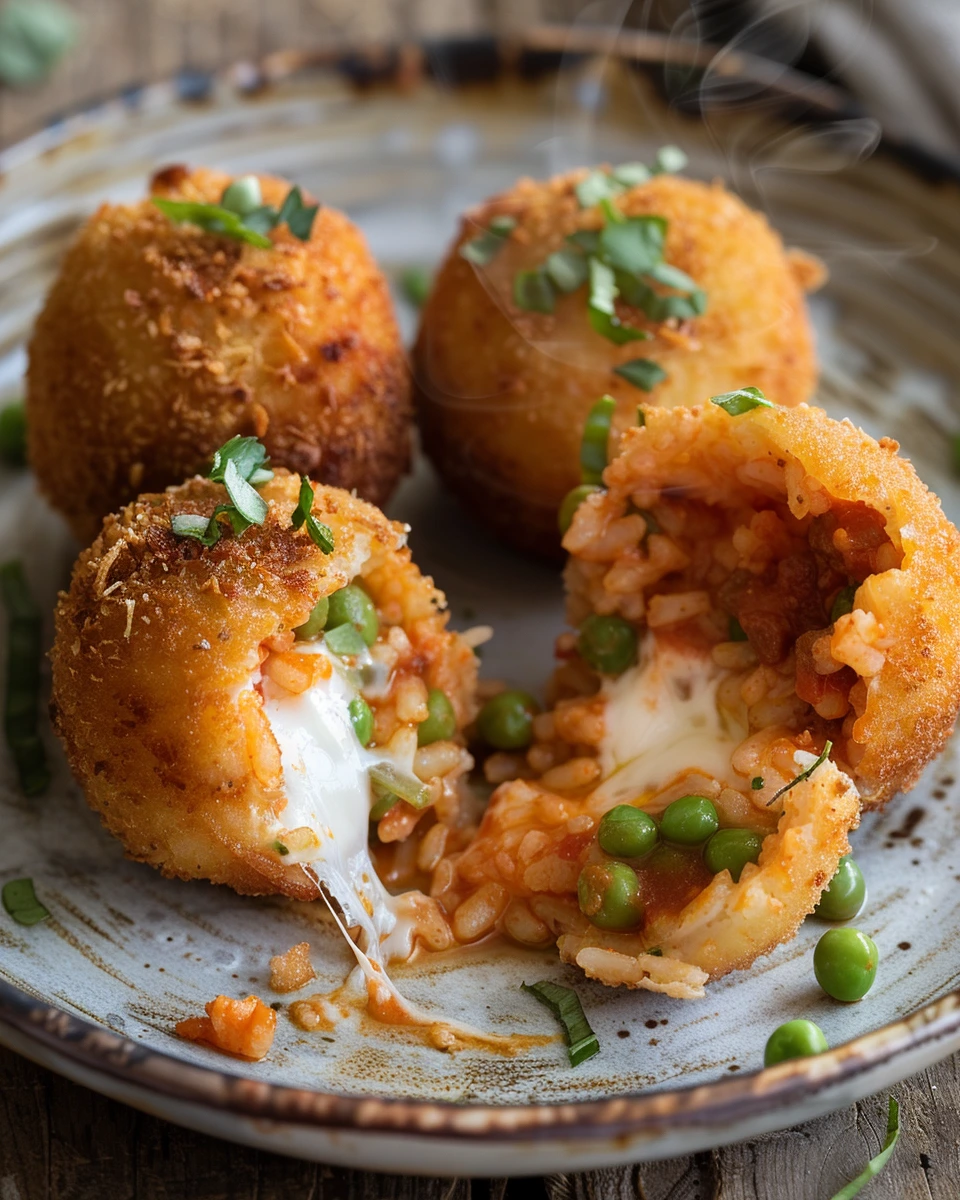
Sicilian arancini are crisp fried rice balls filled with ragù, peas and mozzarella.

45 minsPrep time
1 hr 5 minsCook time
Serves 2Servings
HardDifficulty
Arancini di Riso
About this dish

Arancini di Riso: the story on the plate

A beloved Sicilian street-food classic. The rice is cooked until starchy, cooled, shaped around a savoury filling, coated in breadcrumbs and fried until deeply golden.

Historical background

Arancini show Sicily’s Arab-influenced rice tradition and its love of portable, festive food. They are especially useful on the site because they are recognisable, regional and visually strong.

Why it is famous

Arancini di Riso is useful because it is both recognisably Italian and regionally specific, helping the page move beyond generic pasta dishes.

Cultural significance

In Sicily, this dish is associated with home cooking, restaurants, feast days or local food identity depending on the recipe.

Nutrition

Estimated nutrition per serving

Useful for meal planning and calorie-aware recipe browsing.

430Calories
14gProtein
52gCarbs
18gFat

Estimated from the exact ingredient measures in the recipe text. Validate with your preferred nutrition calculator before publishing.

Ingredients

What you need

  • 75 arborio or carnaroli rice
  • 212.5 light chicken or vegetable stock
  • 7.5 butter
  • 10 grated pecorino or parmesan
  • 0.25 egg yolk
  • 45 thick beef or pork ragù
  • 15 cooked peas
  • 30 mozzarella, cut into 1 cm cubes
  • 30 plain flour
  • 0.5 eggs, beaten
  • 45 fine breadcrumbs
  • 0.25 neutral oil for frying
  • 0.25 fine sea salt
Method

Step-by-step method

Follow the recipe in order, tasting and adjusting seasoning where needed.

  1. 1. Cook the rice: Simmer rice with hot stock and 1/2 tsp salt for 16–18 minutes until tender and sticky.
  2. 2. Enrich and cool: Stir in butter, cheese and egg yolk, then spread on a tray until completely cold.
  3. 3. Prepare filling: Mix ragù with peas and keep mozzarella cubes separate.
  4. 4. Shape: Flatten rice in your palm, add ragù and mozzarella, then close into balls or cones.
  5. 5. Crumb: Coat each arancino in flour, beaten egg and breadcrumbs.
  6. 6. Fry: Fry at 170°C for 4–5 minutes until golden and hot inside.
Cook smarter

Tips, storage and serving advice

Shopping tips

Buy the best version of the core ingredient first; avoid over-spending on decoration if the cheese, seafood, meat, rice, pasta, olive oil or fruit is weak.

Ingredient quality

Use real regional cheeses where named, good olive oil, properly salted water and fresh herbs. Drain wet dairy and seafood carefully before cooking.

Common mistakes

The most common mistake is adding too much liquid, overcooking the main ingredient, or using shortcuts that hide the regional character.

Chef’s tips

Cook with restraint. Let the main ingredient lead, season gradually and finish with only the garnish the dish actually needs.

How to know it is cooked

Use the visual cues in the method: tender but not collapsing, glossy not watery, crisp not burnt, set not rubbery, or al dente not soft.

Plating advice

Serve simply on warm plates for savoury dishes or chilled/room-temperature plates for desserts. Keep the focus on the food.

Make ahead

Prepare components ahead where possible, but finish pasta, fried items, seafood and crisp pastry close to serving.

Storage and reheating

Store covered in the fridge for up to 2 days where suitable. Fried and fresh seafood dishes are best eaten the same day. Reheat gently only where appropriate. Pasta, seafood, liver, cream-set desserts and filled pastry are usually best freshly served.

Wine pairing

What to drink with Arancini di Riso

Pairings are chosen around the dish’s flavour, texture, richness, acidity and cooking style — not just the country it comes from.

Champagne / Traditional Method Brut wine pairing
#1 Great match Sparkling

Champagne / Traditional Method Brut

Why it works: High acidity and fine bubbles cut through fat, salt and crisp coatings while matching the dish without overwhelming it.

High-acid, dry sparkling wine with fine bubbles, citrus, apple, brioche and mineral notes. It cuts through fried food, cream and salt while making starters feel celebratory.

GrapeChardonnay, Pinot Noir, Pinot Meunier
RegionChampagne, Franciacorta, English sparkling wine, Crémant
Wine flavourcitrus, green apple, brioche, chalk, almond
Serve at6-8°C
  • Flavour bridge: crisp bubbles with fried, salty or creamy textures
  • Acidity: High acidity refreshes the palate.
  • Body: Medium body suits starters and fried food.
  • Tannin: Low tannin is safe with seafood and salt.
  • Sweetness: Dry sweetness avoids making savoury dishes cloying.
  • Best for: A credible food-led pairing for this recipe.
Dry Riesling wine pairing
#1 Great match White

Dry Riesling

Why it works: Dry Riesling combines piercing acidity with citrus and mineral notes that lift pork, smoke, cabbage and sweet-sour elements.

A precise, high-acid white with lime, green apple, blossom and mineral tension. It loves pork, fish, cabbage, spice and rich sauces.

GrapeRiesling
RegionMosel, Rheingau, Alsace, Clare Valley
Wine flavourlime, green apple, petrol, slate, blossom
Serve at8-10°C
  • Flavour bridge: lime and apple echo pork, smoke and cabbage
  • Acidity: High acidity balances fat and salt.
  • Body: Light body keeps the match agile.
  • Tannin: Low tannin avoids metallic clashes.
  • Sweetness: Dry profile supports savoury dishes.
  • Best for: A credible food-led pairing for this recipe.
White Burgundy / Oaked Chardonnay wine pairing
#1 Great match White

White Burgundy / Oaked Chardonnay

Why it works: Oaked Chardonnay mirrors cream, toast and butter and has enough body for rich poultry, gratins and substantial fish dishes.

Fuller Chardonnay with orchard fruit, cream, toast and hazelnut. Ideal for creamy sauces, roast poultry, rich fish and cheese dishes.

GrapeChardonnay
RegionBurgundy, California, Margaret River, South Africa
Wine flavourapple, peach, butter, toast, hazelnut
Serve at10-12°C
  • Flavour bridge: toast and orchard fruit echo browned dairy flavours
  • Acidity: Medium-high acidity prevents heaviness.
  • Body: Medium-full body matches creamy food.
  • Tannin: Low tannin suits poultry and fish.
  • Sweetness: Dry wine avoids excess sweetness.
  • Best for: A credible food-led pairing for this recipe.
Grüner Veltliner wine pairing
#1 Great match White

Grüner Veltliner

Why it works: Grüner Veltliner offers pepper, citrus and firm acidity that pair naturally with Austrian, pork, herb and vegetable-led dishes.

Peppery, citrusy white with high acidity and a savoury snap. Brilliant with vegetables, pork, fried dishes, herbs and awkward wine-pairing foods.

GrapeGrüner Veltliner
RegionWachau, Kamptal, Kremstal
Wine flavourlime, green apple, white pepper, lentil, herbs
Serve at8-10°C
  • Flavour bridge: white pepper and herbs mirror seasoning
  • Acidity: High acidity cuts frying and pork fat.
  • Body: Light-medium body suits veal and vegetables.
  • Tannin: Low tannin.
  • Sweetness: Dry finish keeps the match precise.
  • Best for: A credible food-led pairing for this recipe.

These are wine-style pairings, so you can choose any bottle in that style rather than needing one exact producer. Look for the grape, region or style name on the label.

Bottle suggestions

Specific wines to try

These are individual wines already linked to this recipe.