Crème Brûlée: the story on the plate
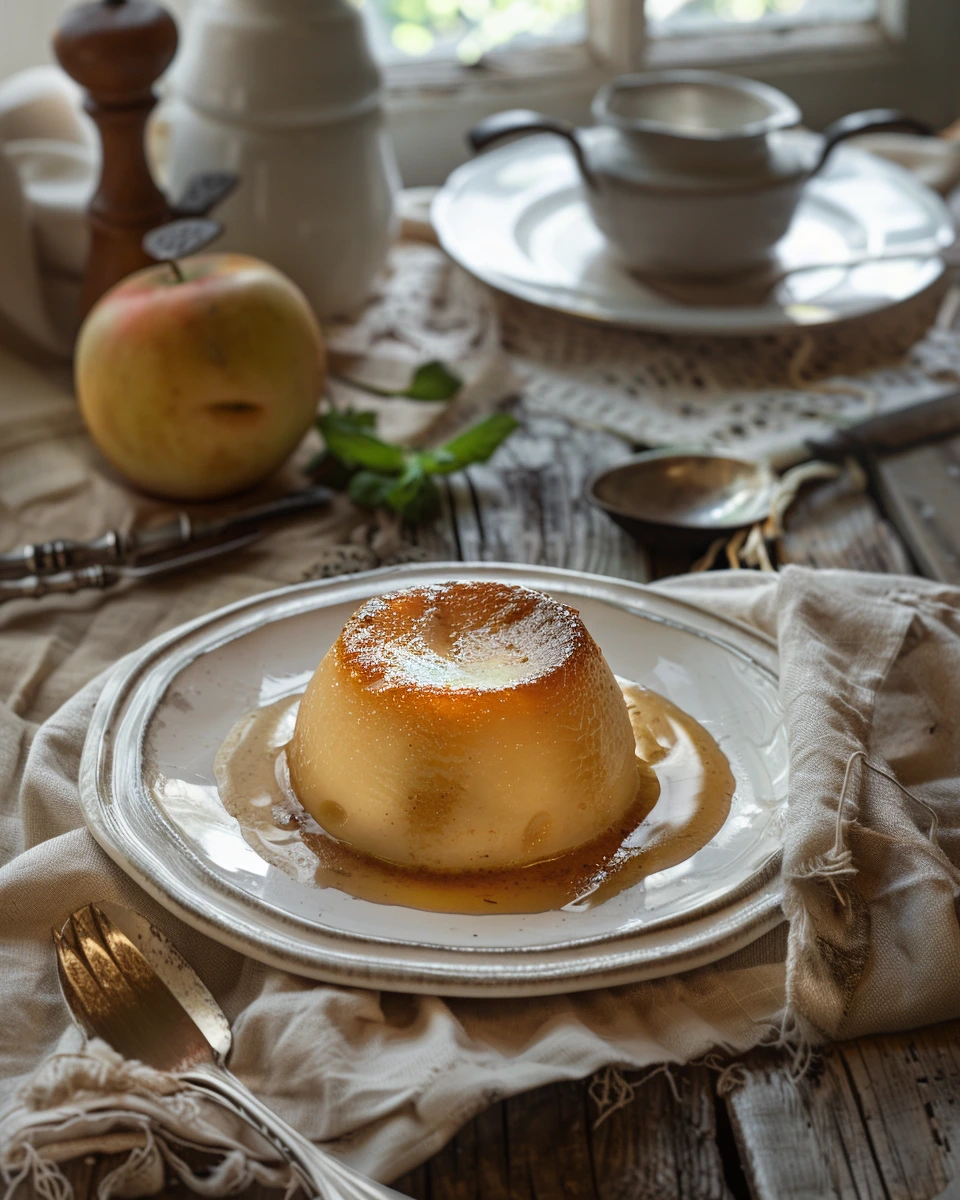
Custards with burnt or caramelised sugar have appeared in European cookery for centuries, with French, English and Spanish traditions all contributing related forms. Crème brûlée became a defining French restaurant dessert during the twentieth century. It is famous for the sensory contrast between cold, smooth vanilla custard and a brittle caramel lid that cracks under the spoon. The dessert appears simple but depends on exact heat and gentle baking. Crème brûlée is a fixture of bistros and formal menus because it can be prepared in advance and finished dramatically just before service. Breaking the sugar crust has become part of the pleasure of eating it.
Historical background
Custards with burnt or caramelised sugar have appeared in European cookery for centuries, with French, English and Spanish traditions all contributing related forms. Crème brûlée became a defining French restaurant dessert during the twentieth century.
Why it is famous
It is famous for the sensory contrast between cold, smooth vanilla custard and a brittle caramel lid that cracks under the spoon. The dessert appears simple but depends on exact heat and gentle baking.
Cultural significance
Crème brûlée is a fixture of bistros and formal menus because it can be prepared in advance and finished dramatically just before service. Breaking the sugar crust has become part of the pleasure of eating it.