Street food becomes national food when it does more than feed people quickly. It catches a country at the right moment. It fits the working day, the railway station, the harbour, the market queue, the football crowd, the late train home and the family that wants something hot without ceremony.
Why does a street snack become a national dish?
The answer is usually practical before it is romantic. A national street food needs to be affordable, repeatable and easy to recognise from ten paces away. It also needs a ritual. The queue outside the chip shop. The taco stand with the vertical spit. The Turkish boat serving fish in bread by the water. The Spanish bar where a small bite arrives with a glass. Once a food has a smell, a setting and a memory attached to it, people stop treating it as a snack and start treating it as part of who they are.
The most successful dishes also solve a problem of texture. Bread keeps sauce under control. Batter protects delicate fish. A tortilla folds around meat and salsa. A skewer turns grilled meat into food you can carry. A paper cone makes fried food feel like a treat. That is why street food often has such clever engineering. It has to survive movement, weather, crowds and appetite.
Fish and chips: did Britain fall in love because it was cheap, hot and perfectly timed?
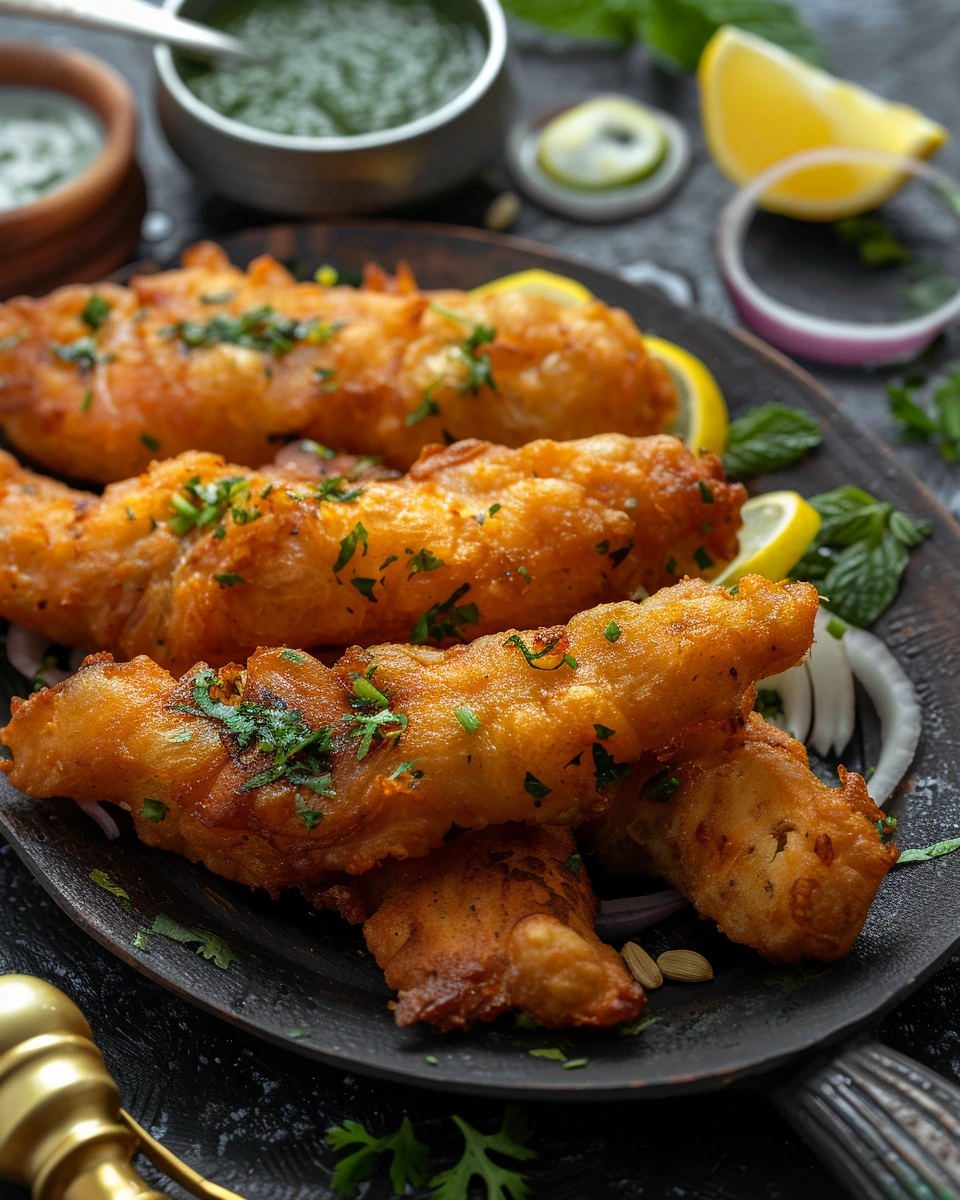
Fish and chips did not become British by accident. Fried fish had deep links with Jewish cooking in Britain, especially communities who brought the habit of frying fish so it could be eaten cold or later. Chips brought potatoes into the story. The railways then changed everything because fresh fish could move inland from ports at speed. By the middle of the nineteenth century, London and northern industrial towns had the conditions for a new kind of meal: white fish, potatoes, coal-fired ranges, hungry workers and streets full of people who needed dinner fast.
Joseph Malin in Bow, East London, is often named in the story of the first combined fish and chip shop in the 1860s, while John Lees in Mossley is part of the northern claim. The exact first shop matters less than the bigger pattern. Industrial Britain had created the perfect audience. A portion of fish and chips was hot, filling, salty, portable and cheaper than a restaurant meal. It also felt generous. You could take it home wrapped in paper, eat it on a bench by the sea, or share chips from the same parcel. The love has lasted because the shop itself became part of British life: a local queue, a familiar fryer, a Friday-night habit and, even now, roughly ten thousand fish and chip shops across the UK depending on how the trade is counted.
Want to cook the classic first? Start with Fish and Chips. Keep the fish thick enough to flake, make the batter cold before frying, and serve it with proper chips, tartare sauce, mushy peas or just salt and vinegar. A crisp lager works, but a bright sparkling wine is brilliant because bubbles and acidity cut through the batter.
Spanish tapas: a lid, a law, a legend or just the best way to drink?
Tapas has several origin stories, which is exactly what happens when a food becomes cultural folklore. One story says a small piece of bread, ham or cheese was placed over a glass of sherry to keep flies and dust away. Another story points to Alfonso X of Castile, who is said to have encouraged taverns to serve food with wine so drinkers would not be hit so hard by alcohol. Another popular tale gives Alfonso XIII a cameo in Cádiz, where ham was used as a cover for his sherry glass during windy weather. Whether every detail is true or not, the idea underneath is believable: wine, a small bite, conversation and movement from bar to bar.
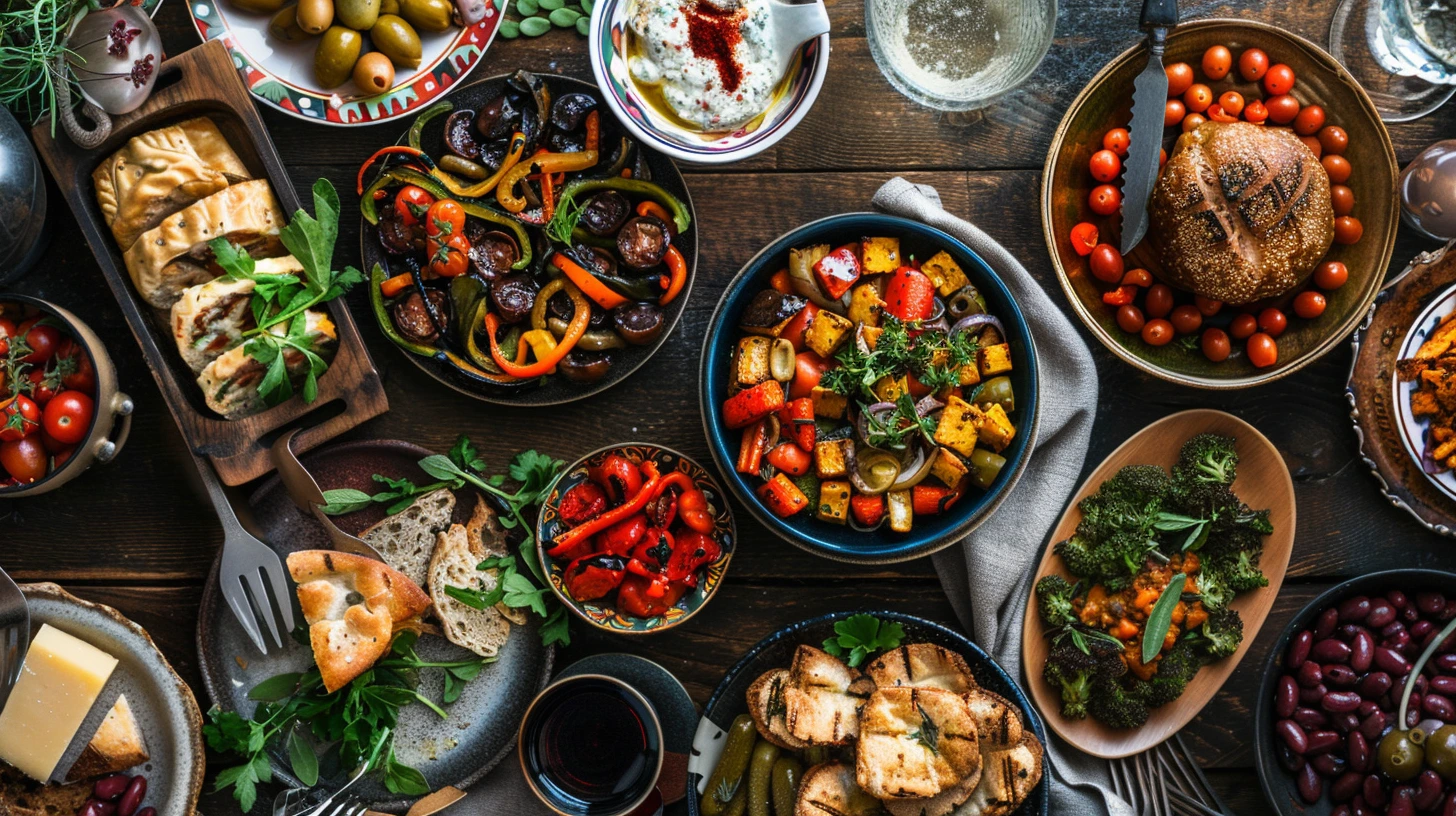
That is why tapas still feels different from a normal starter. It is not just small food. It is social pacing. You have a glass, then a bite, then another glass somewhere else. At home, you can build the same mood with Pan con Tomate, Galician Empanada, Gazpacho, Tortilla Española, Salmorejo. Add Manchego, olives, crusty bread and a dry sherry or crisp Spanish white and it instantly feels less like dinner and more like an evening.
Tacos, lahmacun and balık ekmek: street food travels because bread travels
A tortilla, a flatbread and a split loaf all do the same job in different languages. They turn a filling into a hand-held meal. In Mexico, tacos al pastor tell a migration story because Lebanese-style spit-roasting met pork, pineapple, chilli and corn tortillas. In Turkey, lahmacun gives you spiced minced lamb or beef spread thinly over dough, while balık ekmek turns grilled fish into a waterside sandwich. These foods became famous because they are easy to sell, easy to eat and impossible to separate from the places that made them loved.
Why not cook your way through that idea? Make Tacos de Canasta, Tacos al Pastor, Tamales Rojos de Cerdo, Sopes, Tamales de Rajas for a Mexican street-food night, then switch to Midye Dolma, Adana Kebabı, Lahmacun, Pide when you want the smoke, yoghurt, lemon and bread-led comfort of Turkish food.
When fried snacks become memory food
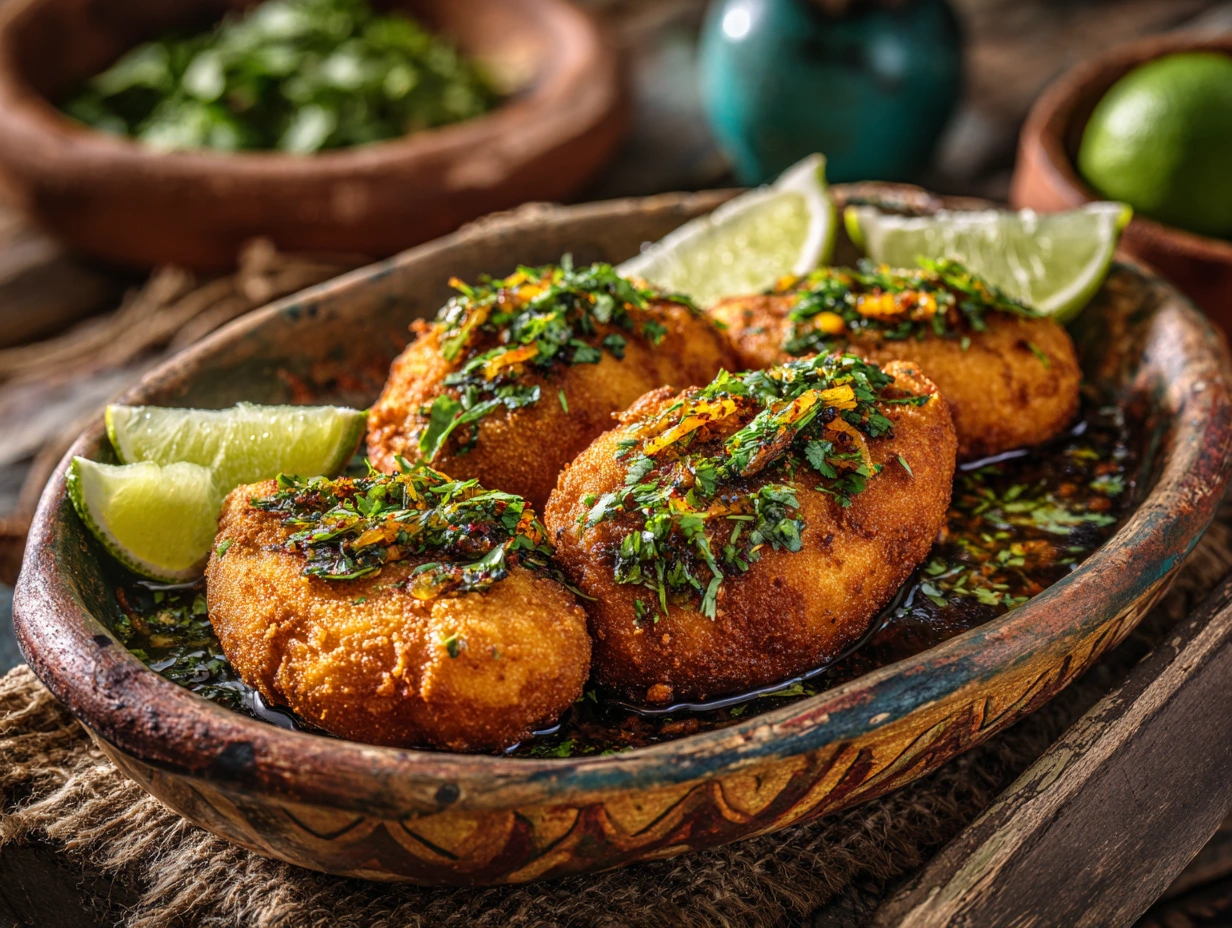
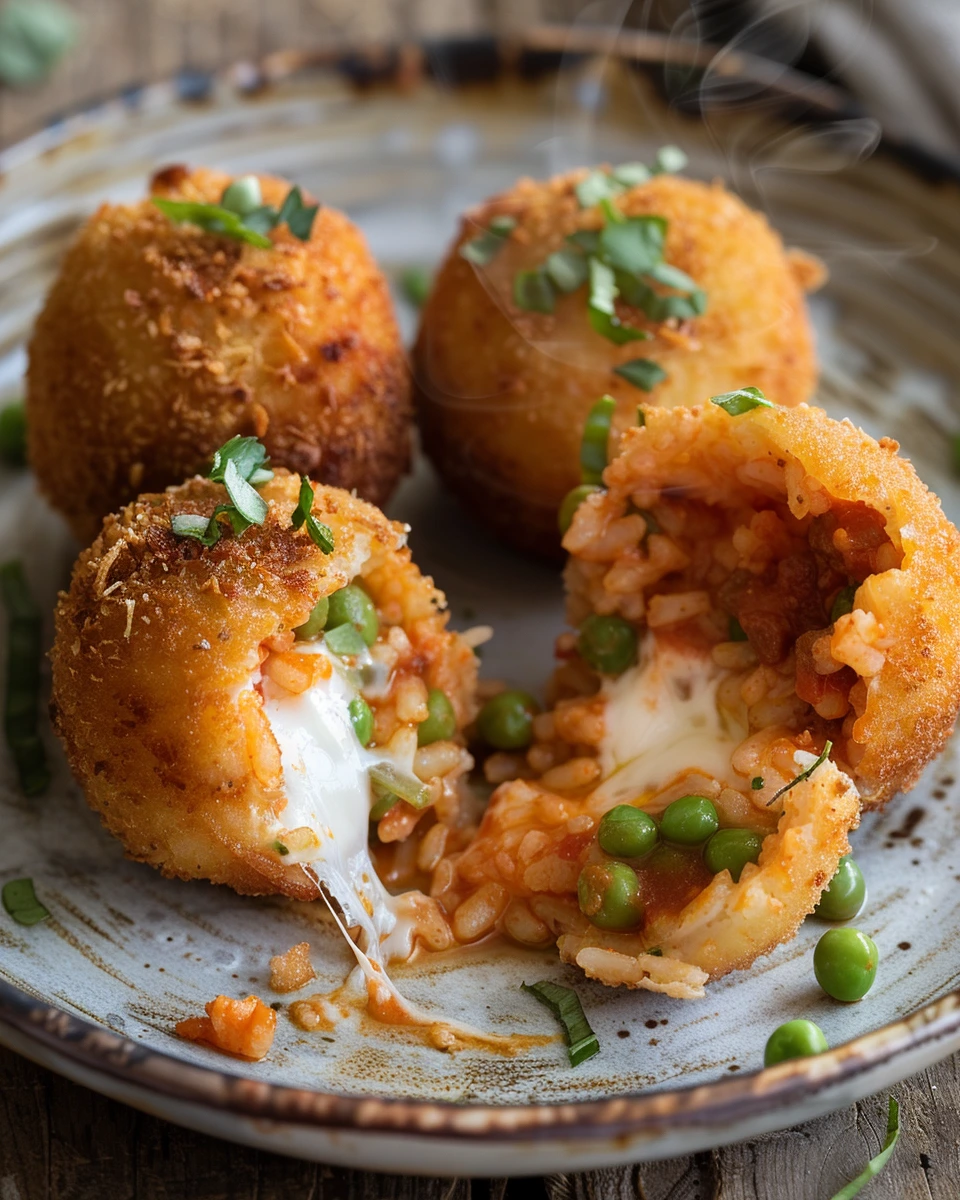
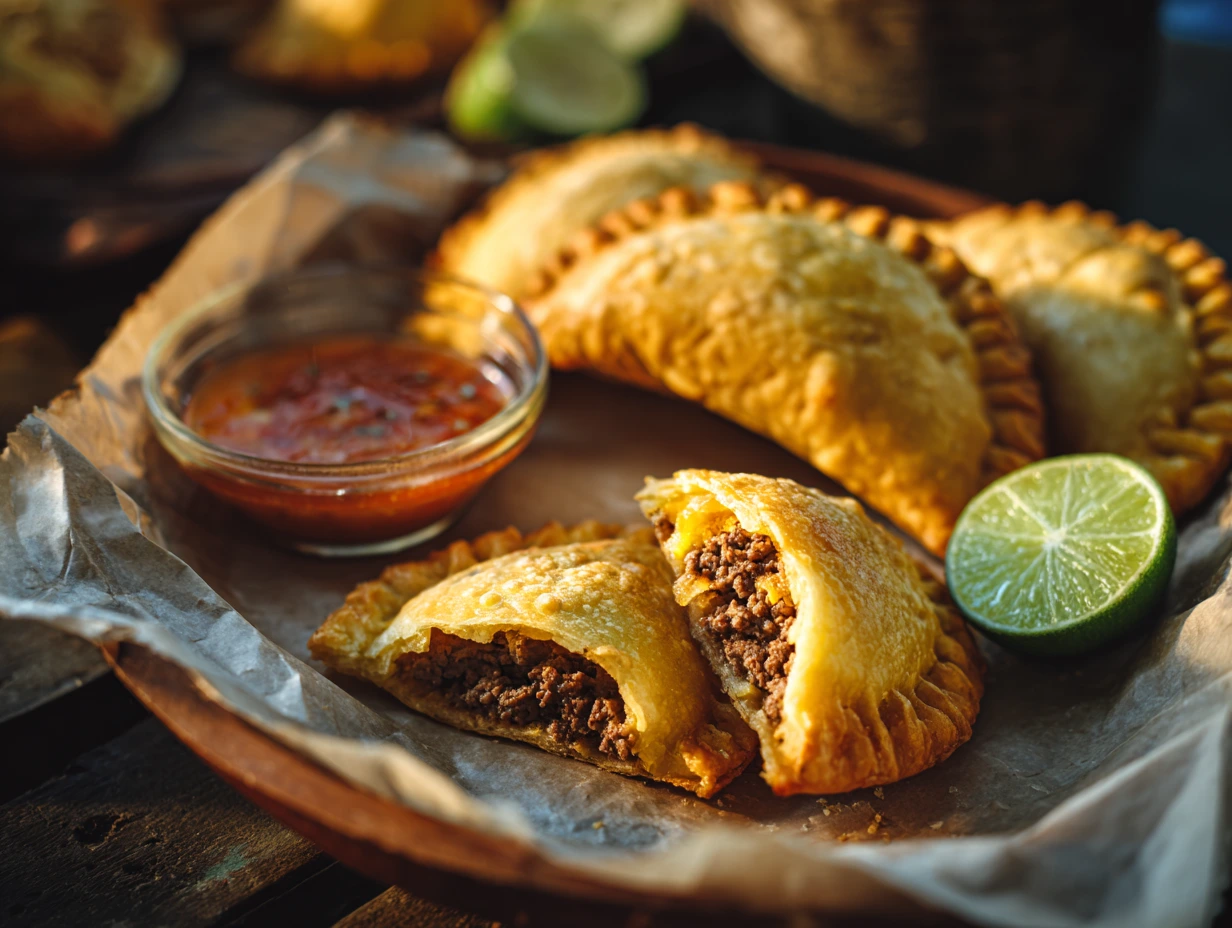
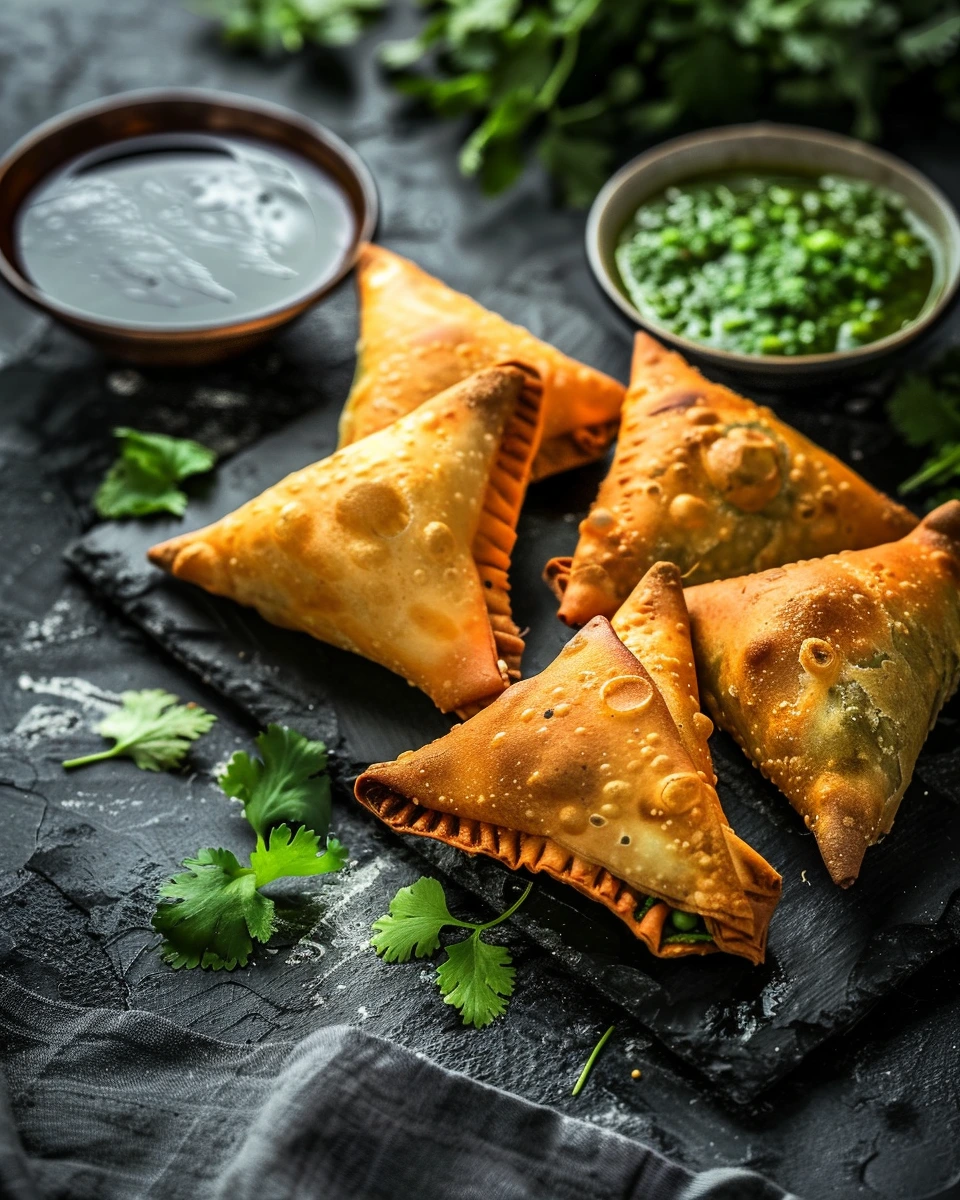
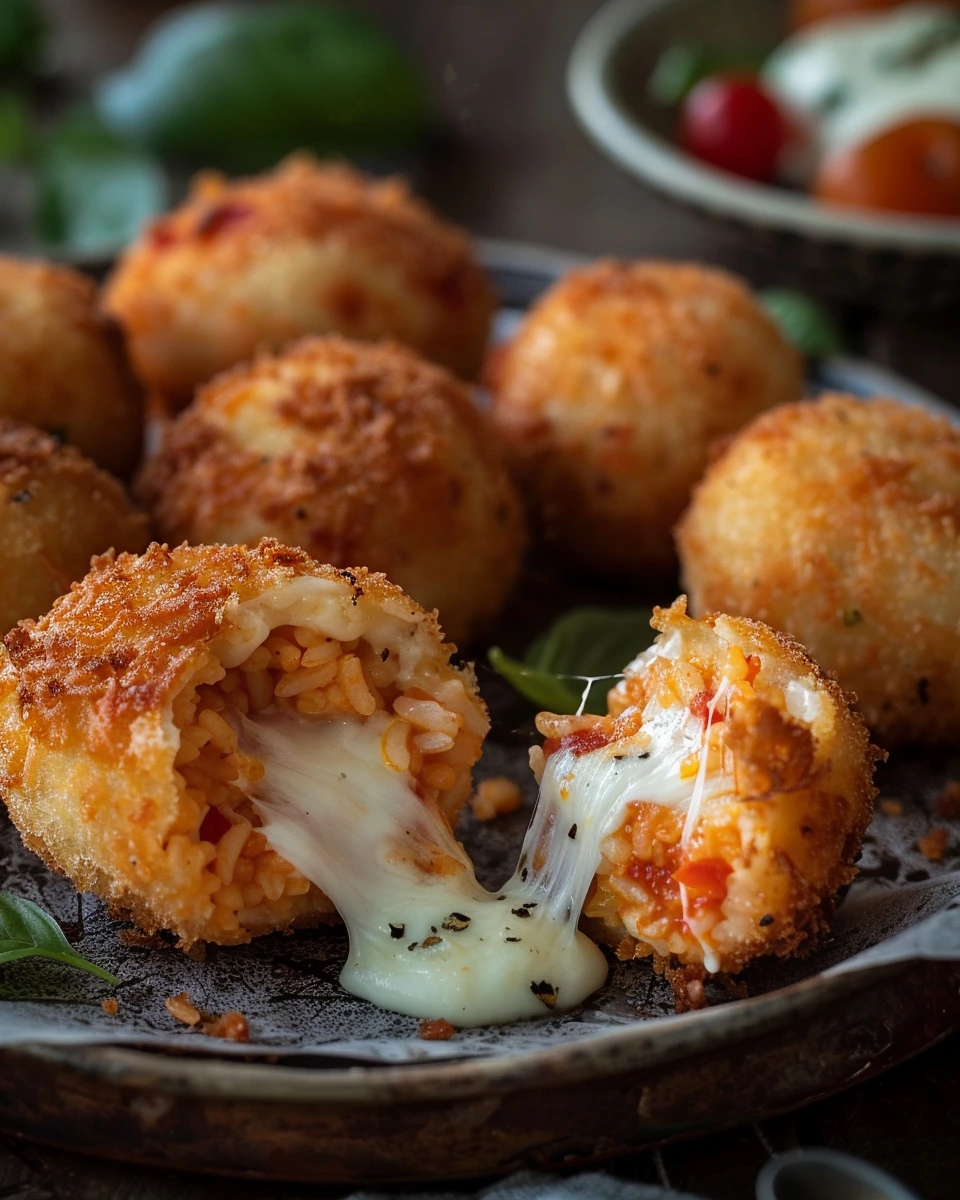
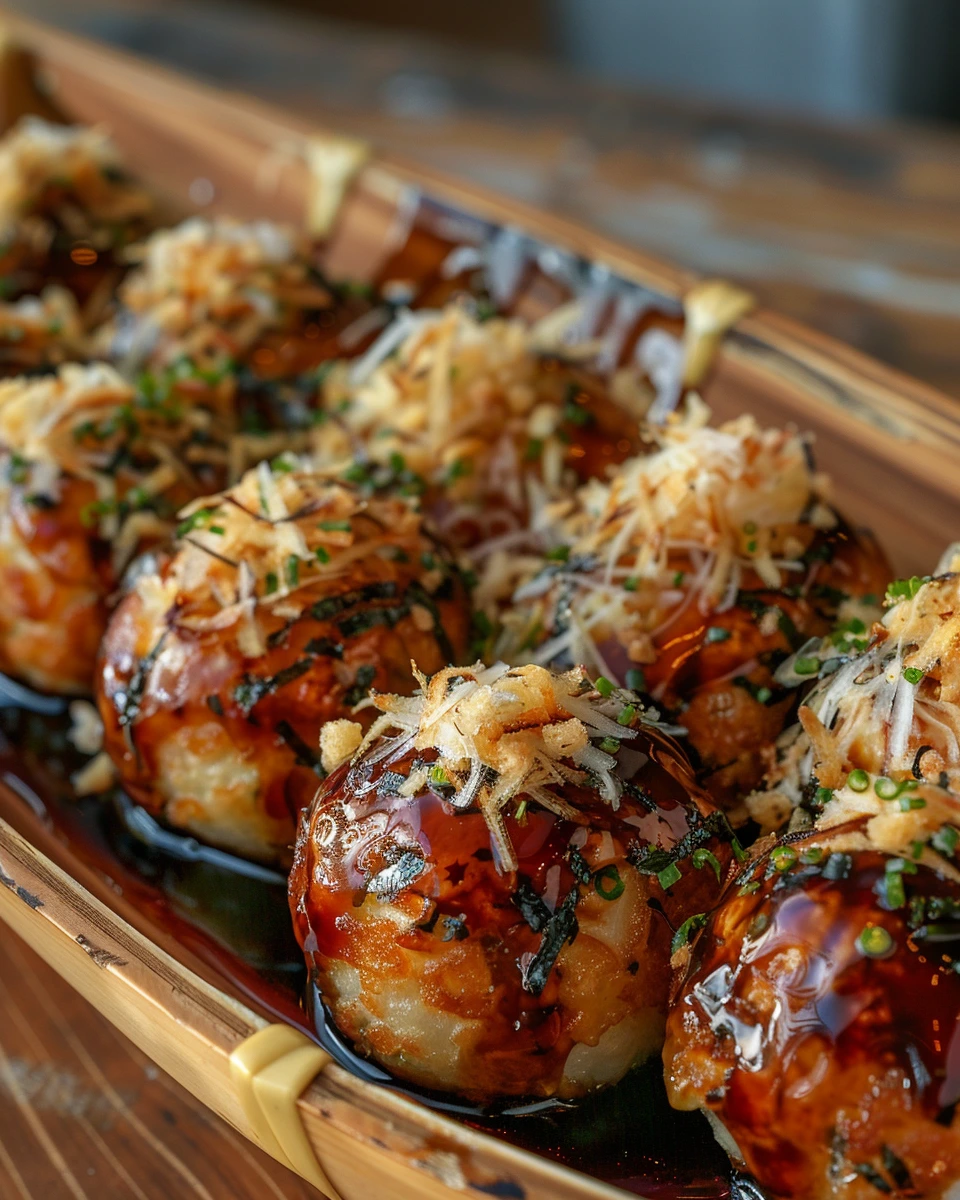
Frying is one of the great street-food shortcuts because it makes food smell irresistible from a distance. It also turns cheap ingredients into something dramatic. Italian arancini and supplì make rice portable. Brazilian pastel de feira wraps a market lunch in crisp pastry. Indian samosas put spiced potatoes and peas inside a shell that stays crisp long enough to sell from a stall. Japanese takoyaki turns small pieces of octopus into hot, savoury balls covered with sauce and bonito flakes.
If you want a table full of small bites, cook Arancini di Riso, Suppli al Telefono, Samosa, Pani Puri and Takoyaki. Serve the fried dishes with something sharp or fresh: pickles, lemon, chilli salsa, yoghurt, tomato salad or a cold beer. For wine, choose fizz, vinho verde, albariño or a dry rosé rather than anything too heavy.
What to cook first if you want the street-food feeling at home
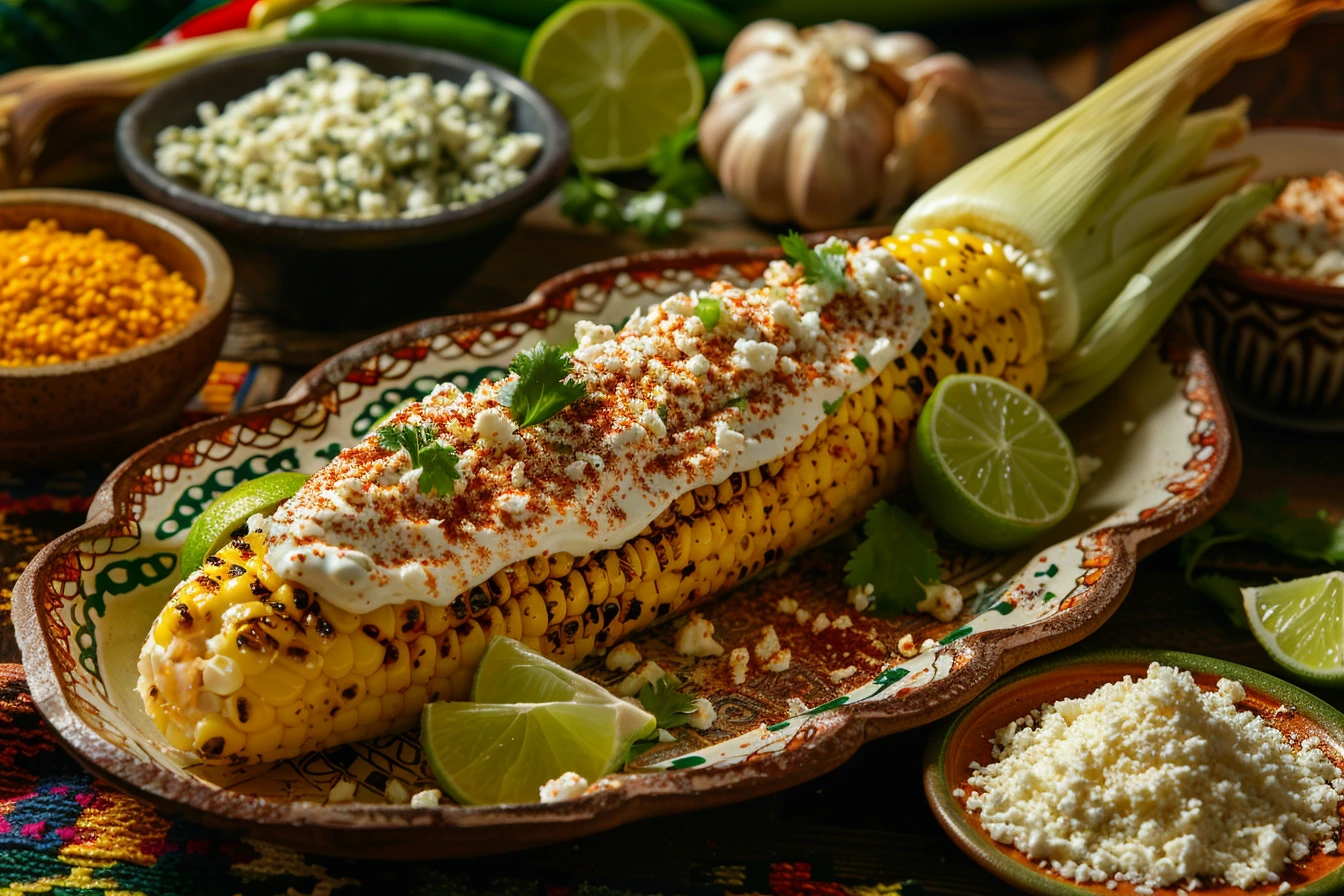
Pick one country and build the table around the way people actually eat there. For Britain, go straight to fish and chips with peas and vinegar. For Spain, put out pan con tomate, tortilla, croquettes-style snacks, seafood and sherry. For Mexico, make tacos, esquites, elote and sopes so everyone can build their own plate. For Turkey, cook lahmacun, pide, kebabs, stuffed mussels and pilav. Street food works at home when you keep it lively, generous and a little messy.
- For crunch: cook Fish and Chips, Arancini di Riso and Samosa.
- For sharing: make Pan con Tomate, Galician Empanada, Gazpacho and Tortilla Española.
- For smoke and spice: try Tacos al Pastor, Adana Kebabı and Lahmacun.
- For market-night comfort: cook Pav Bhaji, Yakisoba and Tavuklu Pilav.
The best street food is never only about convenience. It is about a country learning to recognise itself in a smell, a queue, a wrapper, a sauce and a first bite. That is why a humble snack can end up carrying a flag.