Turkish Main

Pide

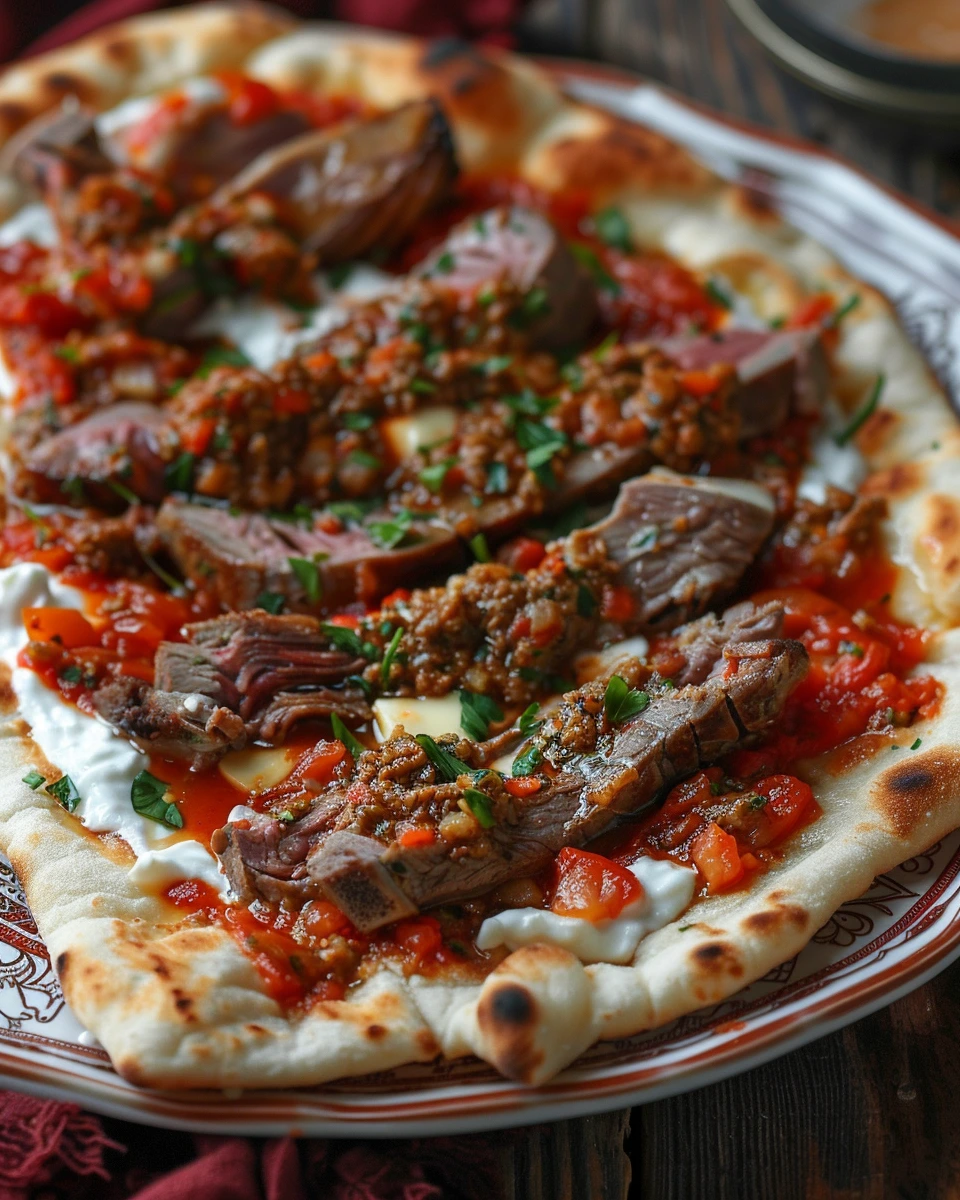
Boat-shaped Turkish flatbread filled with meat, cheese or egg.

1 hrPrep time
18 minsCook time
Serves 2Servings
MediumDifficulty
Pide
About this dish

Pide: the story on the plate

Pide is a bakery and street-food classic, with regional variations across Turkey and endless appeal as a shared main.

Historical background

Pide is a bakery and street-food classic, with regional variations across Turkey and endless appeal as a shared main.

Why it is famous

Pide is included because it adds a recognisable but still specific part of Turkish food culture, helping the country collection feel broader than only generic kebabs and baklava.

Cultural significance

Turkish cooking sits between Anatolia, the Ottoman court, Istanbul street food, the Black Sea, the Aegean and neighbouring food traditions. It values bread, grains, yoghurt, herbs, lamb, fish, vegetables, rice, pastry and carefully balanced sweets.

Nutrition

Estimated nutrition per serving

Useful for meal planning and calorie-aware recipe browsing.

560Calories
34gProtein
38gCarbs
28gFat

Estimated from recipe quantities and typical ingredients; review before publishing formal nutritional claims.

Ingredients

What you need

  • 250 bread flour
  • 150 warm water
  • 3.5 yeast
  • 0.5 salt
  • 1 olive oil
  • 150 minced lamb or beef
  • 0.5 onion, chopped
  • 0.5 green pepper, chopped
  • 0.5 tomato paste
  • 75 kaşar cheese
  • 0.5 egg
Method

Step-by-step method

Follow the recipe in order, tasting and adjusting seasoning where needed.

  1. Make and rise the dough until soft and elastic.
  2. Cook minced meat with onion, pepper and tomato paste until rich but not wet.
  3. Divide dough and roll into long ovals.
  4. Add filling, fold the edges into a boat shape and pinch the ends.
  5. Bake hot until the edges are golden, then add egg near the end if using.
  6. Slice and serve with salad or pickles.
Cook smarter

Tips, storage and serving advice

Shopping tips

Prioritise the defining ingredient first: good lamb, fresh fish, thick yoghurt, ripe tomatoes, proper filo or kadayıf, quality rice, fragrant herbs or fresh spices.

Ingredient quality

Use thick yoghurt, fresh herbs, real butter or olive oil, and spices that still smell alive. Drain wet vegetables, fish or dairy before cooking where firmness matters.

Common mistakes

Common mistakes are rushing onion bases, adding too much liquid, under-seasoning grains, using watery yoghurt, burning butter or serving pastry after it has gone soft.

Chef’s tips

Let the main ingredient lead. Turkish food often works through contrast: yoghurt and chilli butter, lemon and herbs, smoke and soft aubergine, syrup and crisp pastry.

How to know it is cooked

Follow the visual cues: tender meat, glossy sauce, soft rice, crisp pastry, bubbling cheese, creamy soup or a pudding that holds its shape.

Plating advice

Serve simply and generously. Use warm plates for kebabs and stews, shallow bowls for soups, and small plates for mezze and desserts.

Make ahead

Prepare doughs, fillings, stews, syrups, rice mixtures and yoghurt sauces ahead where possible; finish frying, grilling or dressing close to serving.

Storage and reheating

Store covered in the fridge for up to 2 days where suitable. Seafood, fried foods and delicate pastries are best eaten the same day. Reheat stews, rice and soups gently with a splash of liquid. Re-crisp pastry in an oven. Do not aggressively reheat yoghurt sauces or delicate fish.