Pastel de Feira: the story on the plate
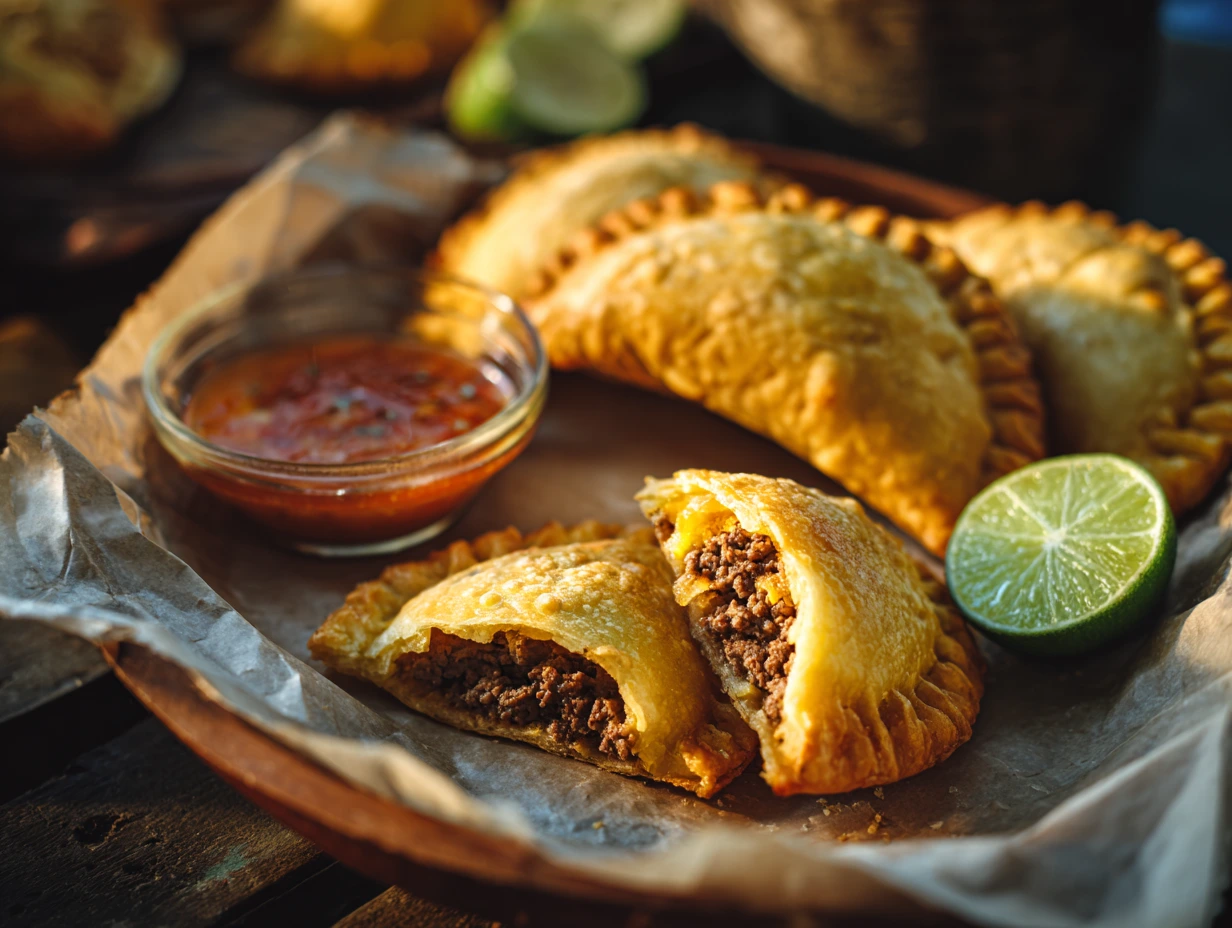
Pastel became closely associated with Japanese-Brazilian vendors in São Paulo, who adapted fried filled pastries for street markets during the twentieth century. Feira stalls made the form nationally familiar. Its appeal lies in an exceptionally crisp, bubbled wrapper around a hot, compact filling. The pastry should be dry and brittle rather than heavy. Eating pastel with sugarcane juice at a street market is a classic Brazilian urban ritual. Fillings vary by region and vendor, but freshness from the fryer is essential.
Historical background
Pastel became closely associated with Japanese-Brazilian vendors in São Paulo, who adapted fried filled pastries for street markets during the twentieth century. Feira stalls made the form nationally familiar.
Why it is famous
Its appeal lies in an exceptionally crisp, bubbled wrapper around a hot, compact filling. The pastry should be dry and brittle rather than heavy.
Cultural significance
Eating pastel with sugarcane juice at a street market is a classic Brazilian urban ritual. Fillings vary by region and vendor, but freshness from the fryer is essential.