Persian cooking through rice, tahdig, herbs, saffron, sour fruit and slow-cooked khoresh
Iranian cooking has been shaped by a long agricultural history, imperial courts, caravan routes, regional climates and exchange across Central Asia, the Caucasus, Mesopotamia and the Indian Ocean. Historical Persian cookery developed sophisticated combinations of rice, meat, fruit, nuts, herbs and aromatic seasoning. Encyclopaedia Iranica notes characteristic traditions of slow cooking and pairing meat with fruit, nuts, vegetables or herbs, while saffron and dried lime provide perfume and acidity rather than blunt heat. Rice culture became especially refined, with chelo and polo techniques separating, steaming and crusting grains. Regional foodways remain highly distinct: the Caspian north is herb- and garlic-rich, the Persian Gulf south uses seafood, dates and stronger spice, and central plateau cooking is strongly associated with rice, kebab and khoresh.
Why it is famous
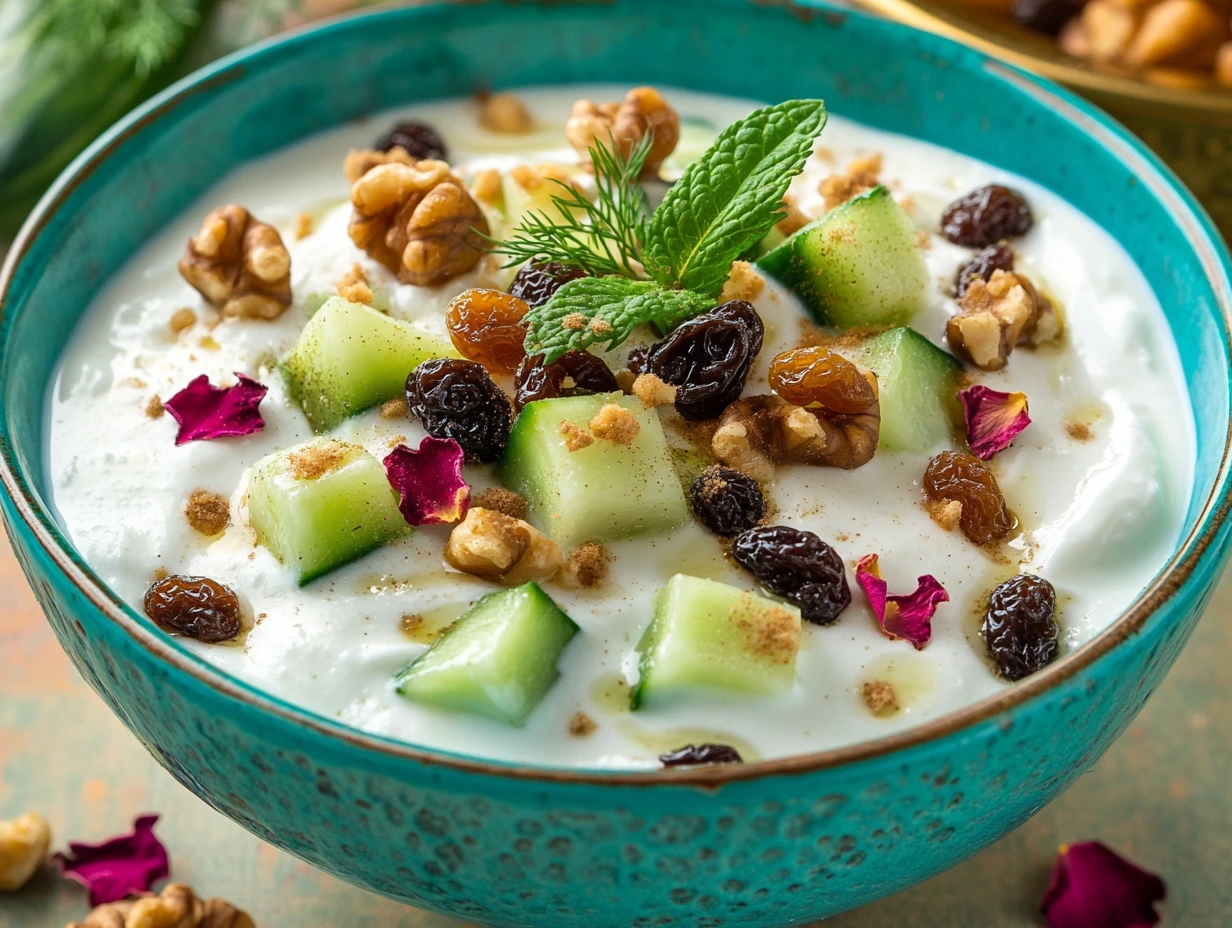
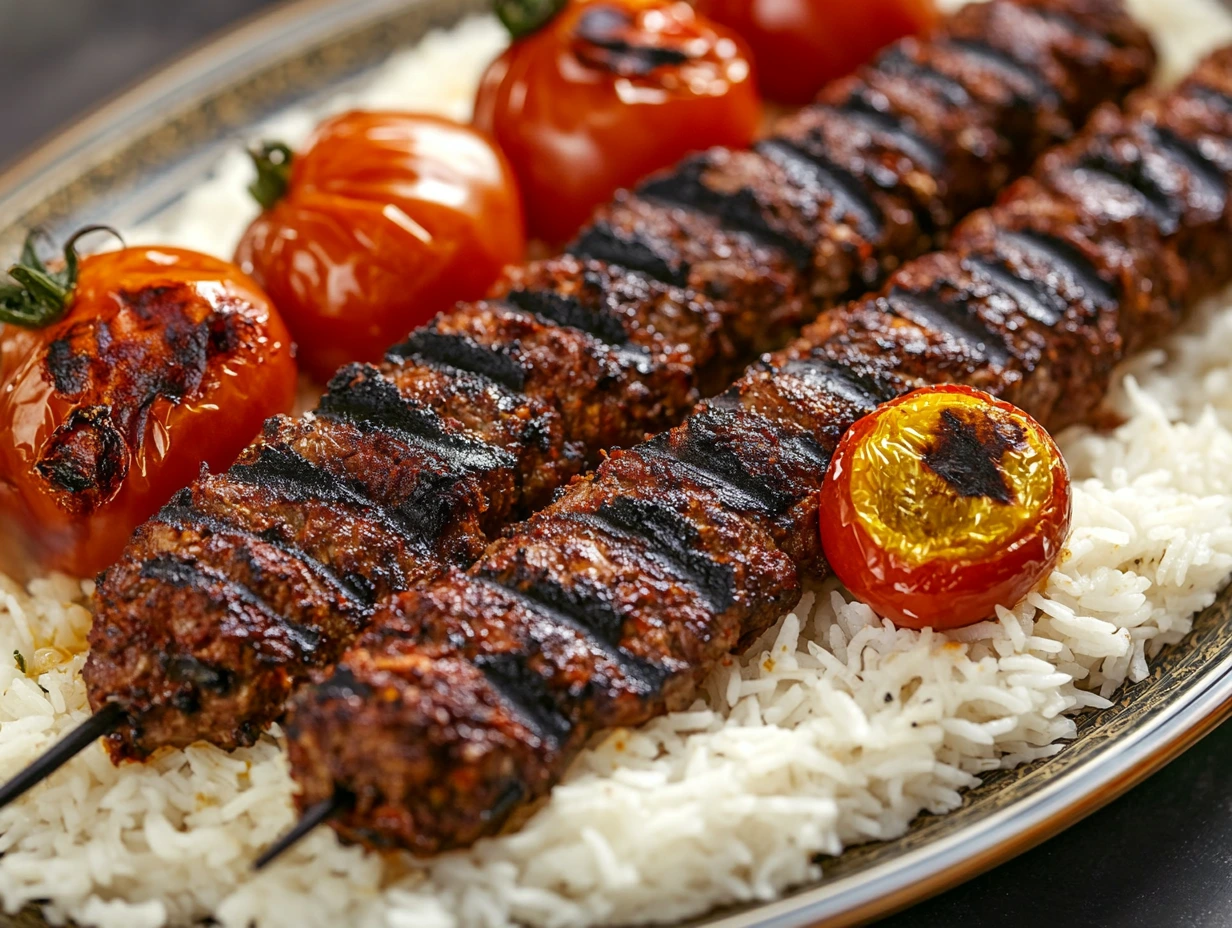
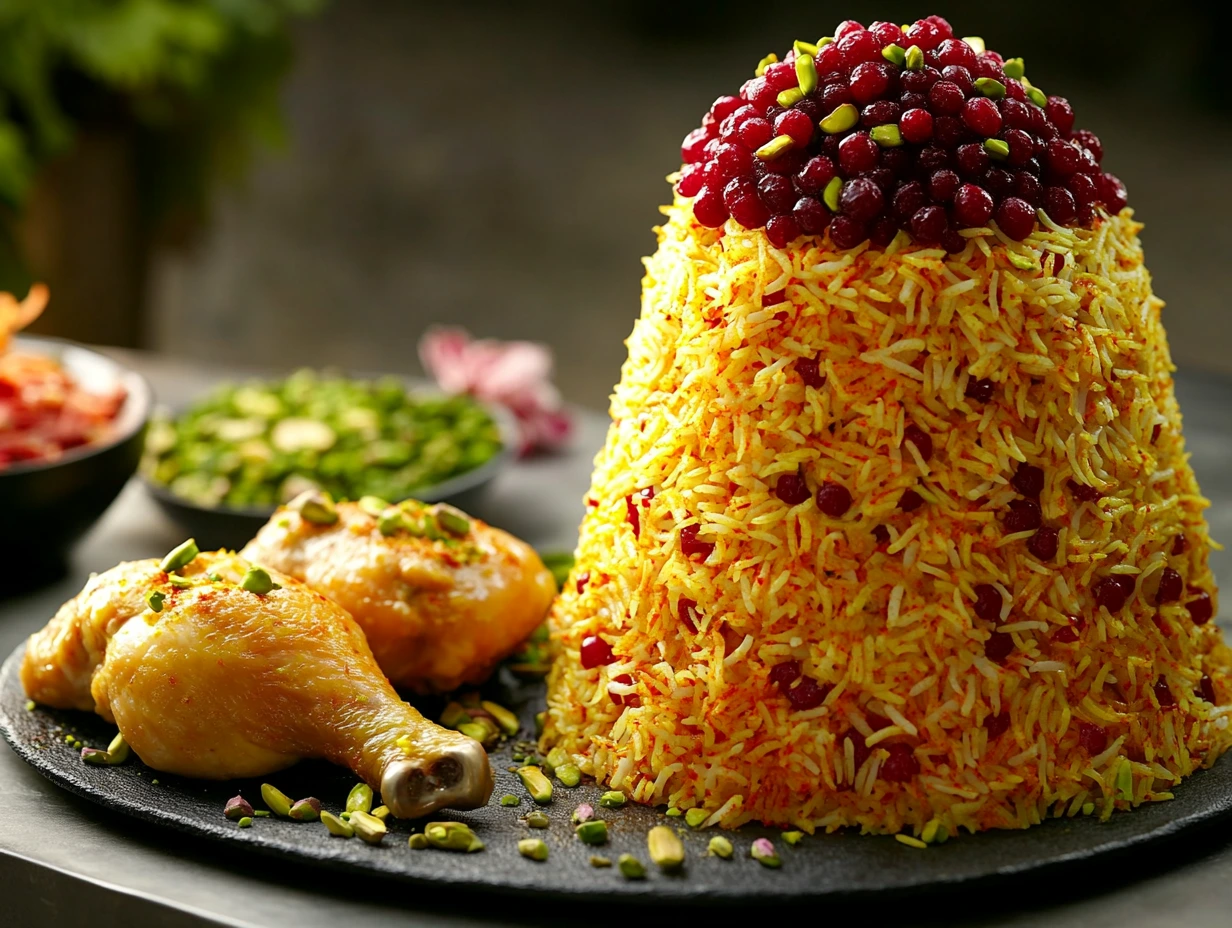
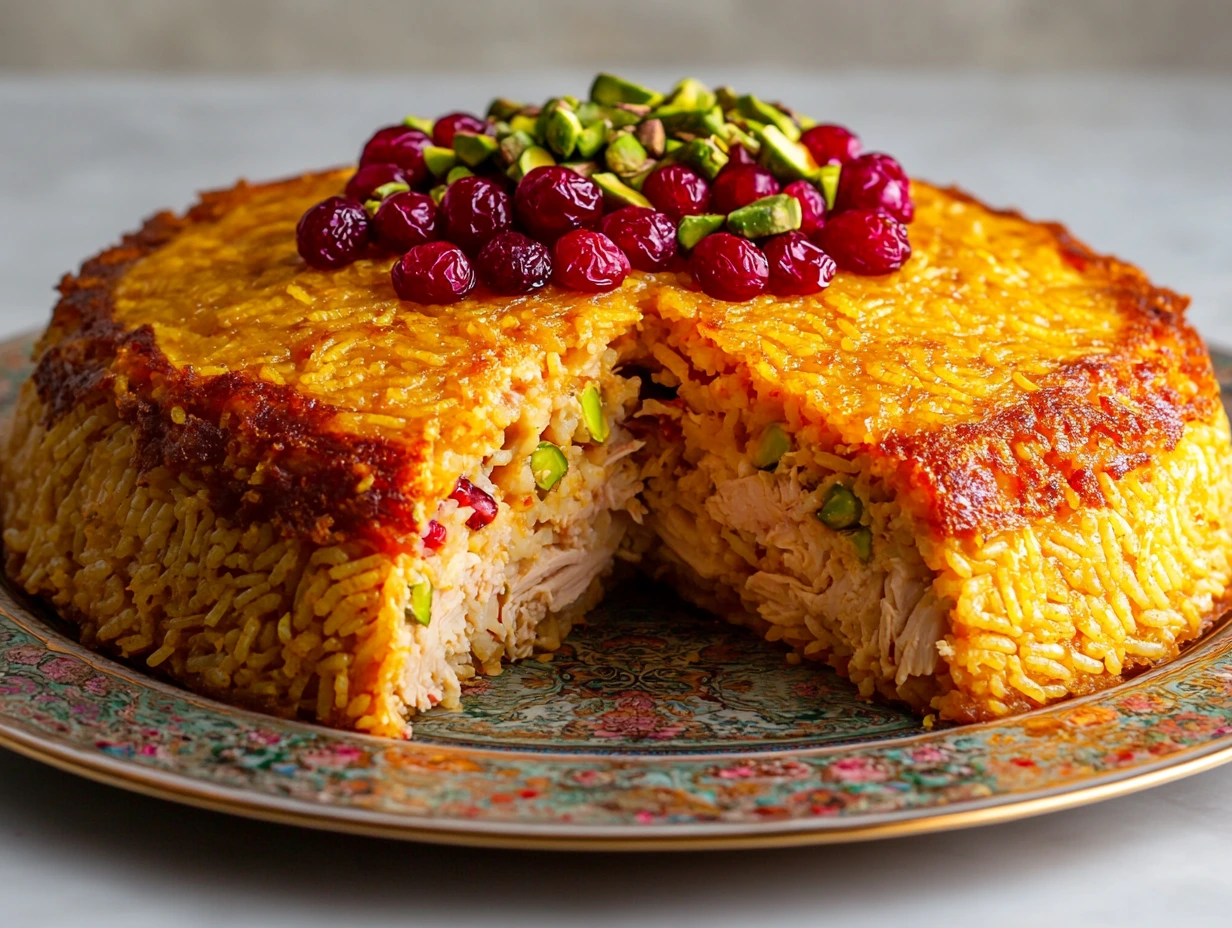
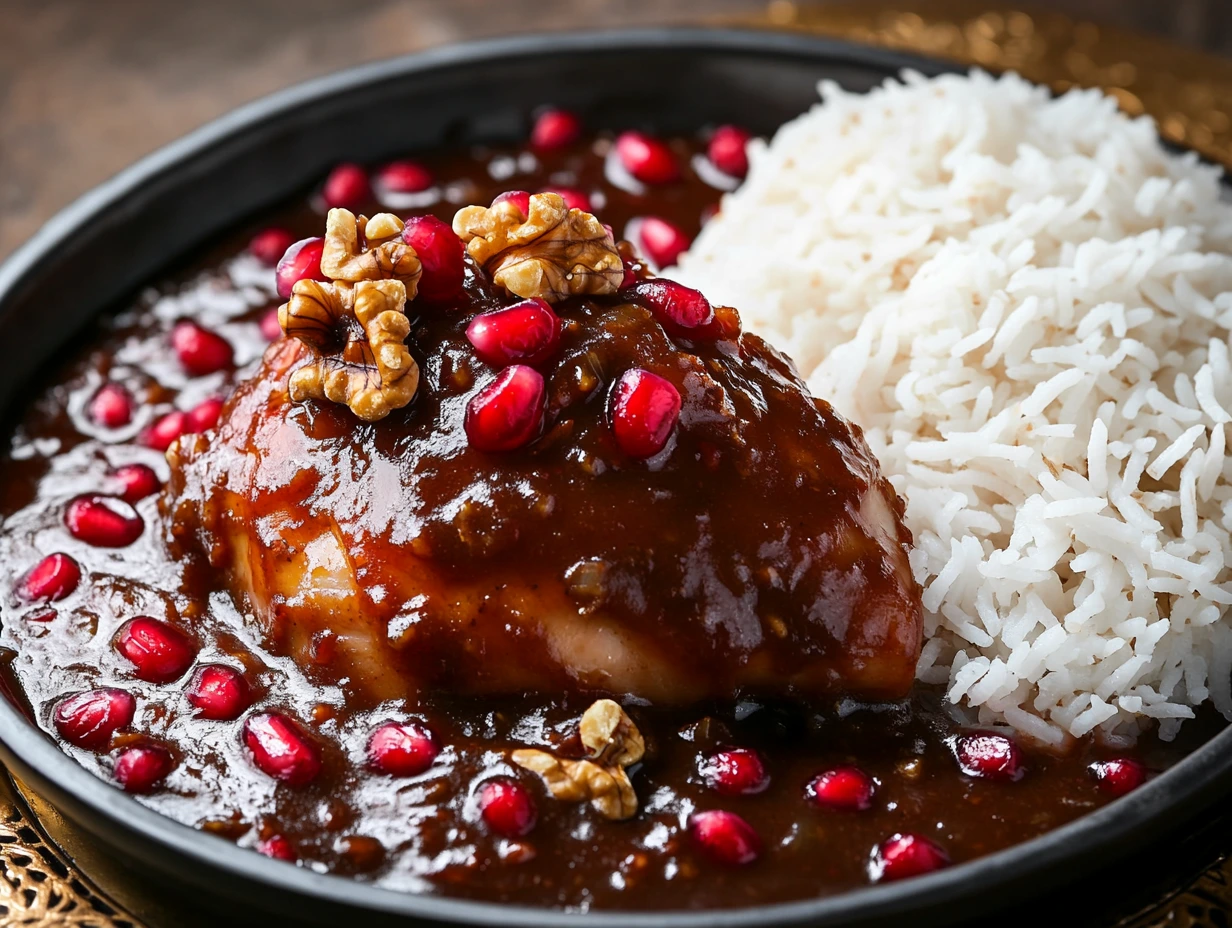
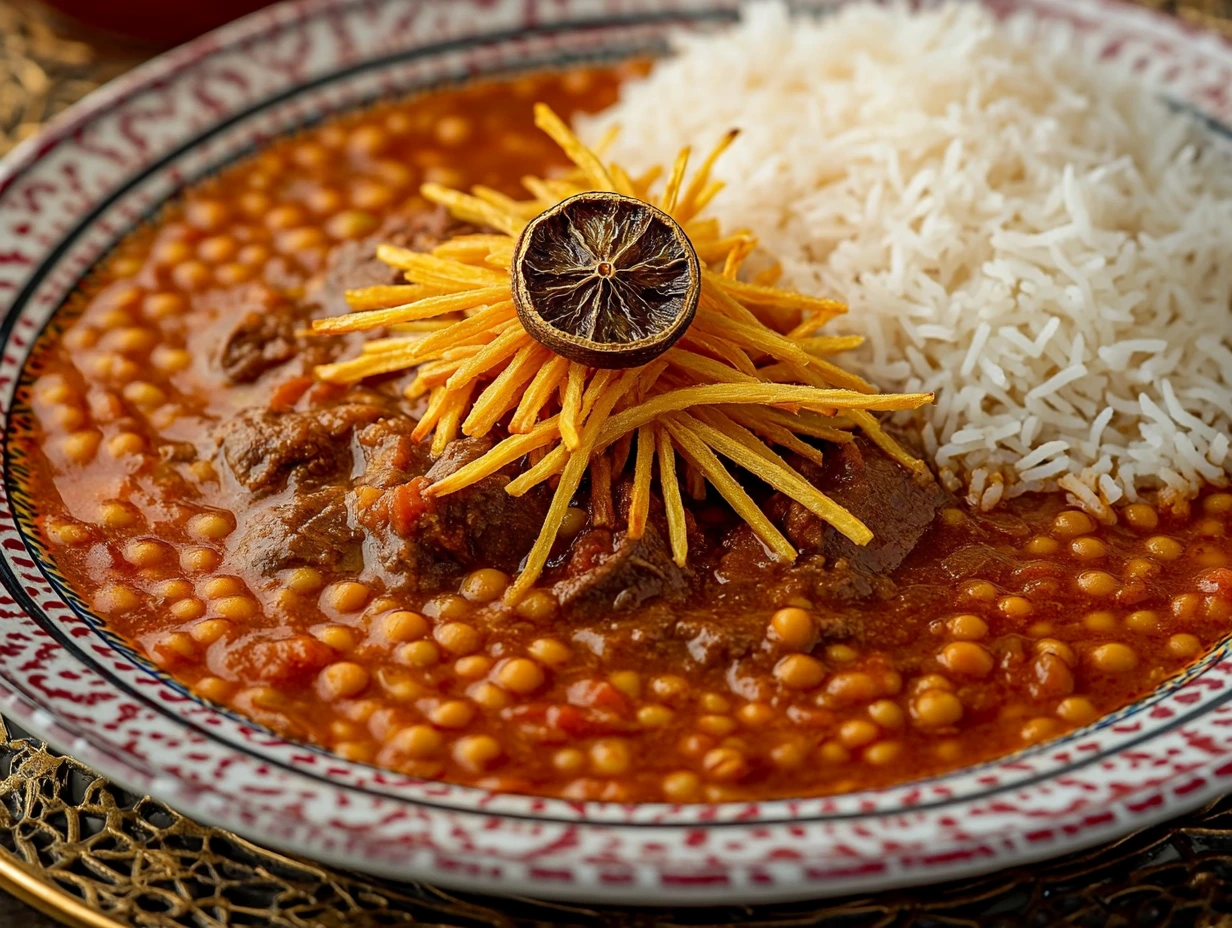
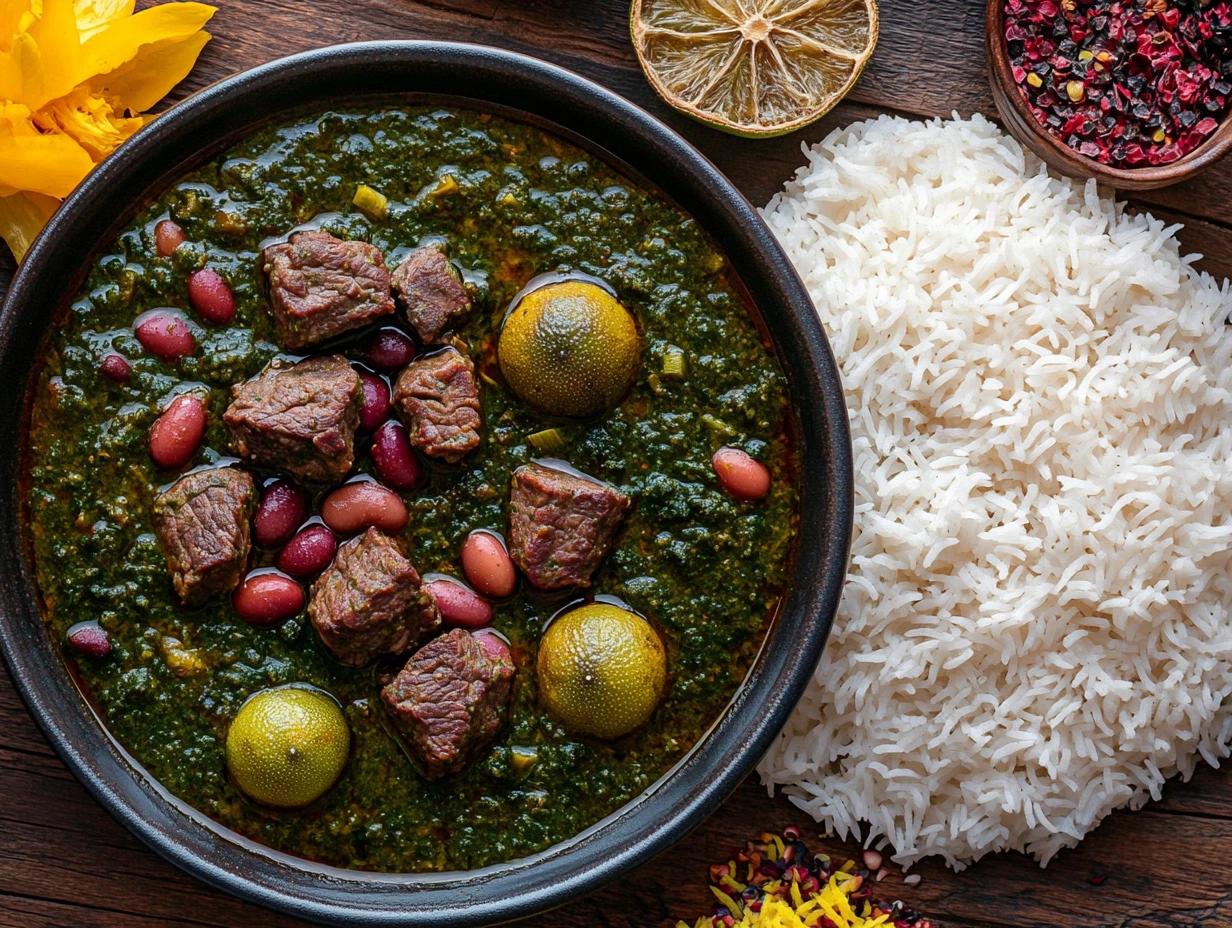
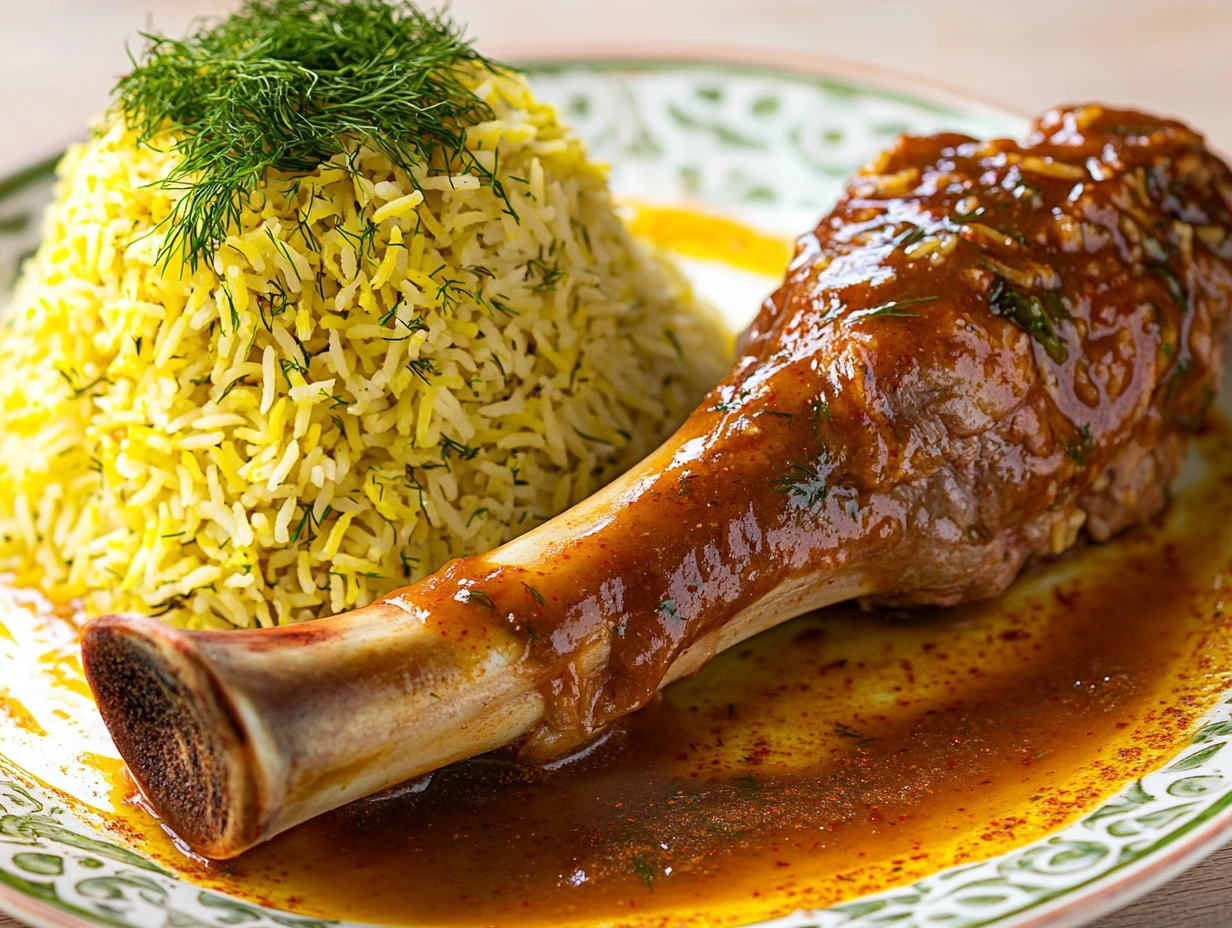
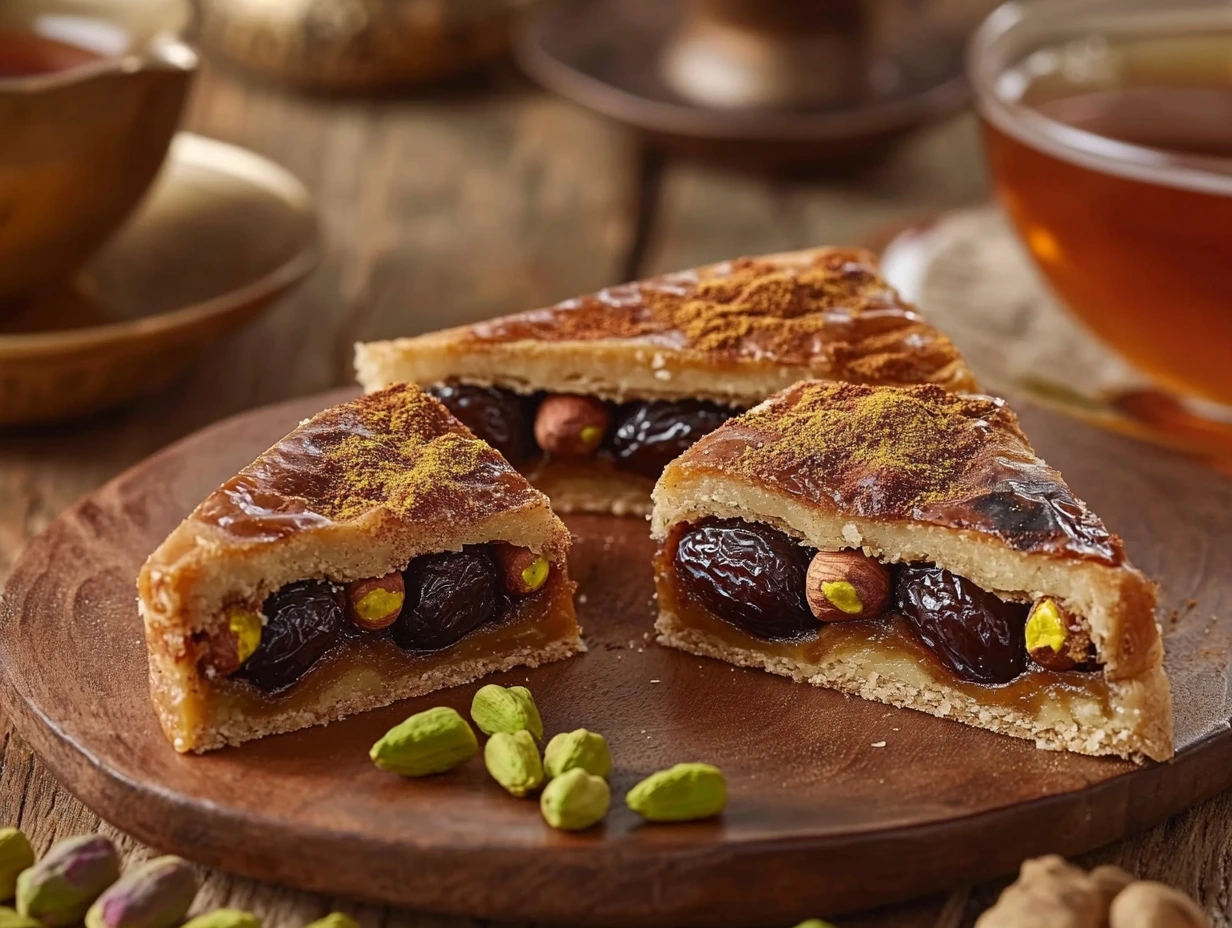
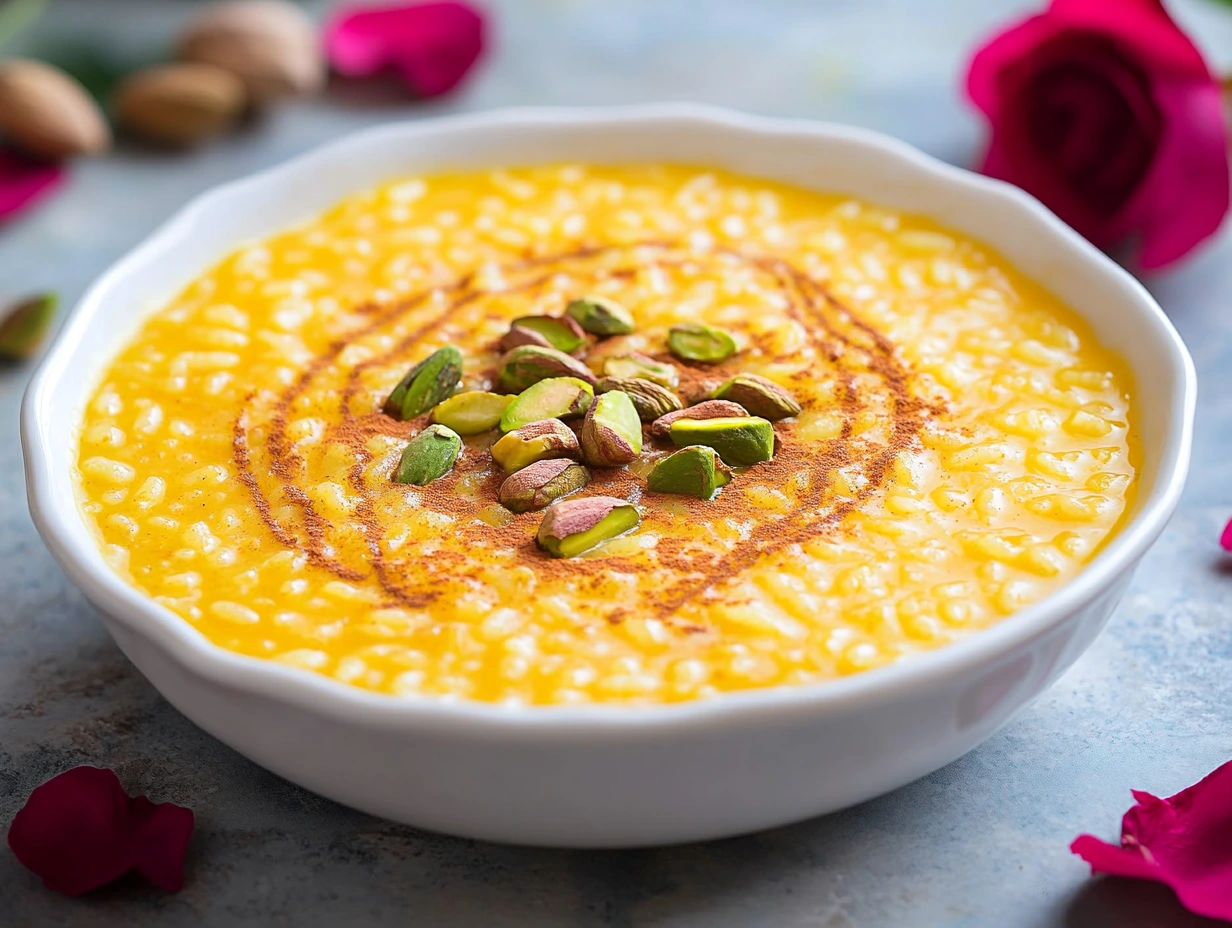
Iran is famous for saffron rice, tahdig, kebabs, ghormeh sabzi, fesenjan, gheymeh, zereshk polo, tahchin, yoghurt dishes, flatbreads, pickles and rose-scented sweets. The cuisine is notable for disciplined sweet-sour balance: pomegranate, dried lime, barberries and fruit are used to create tension rather than turn savoury food into dessert.
Regional food story
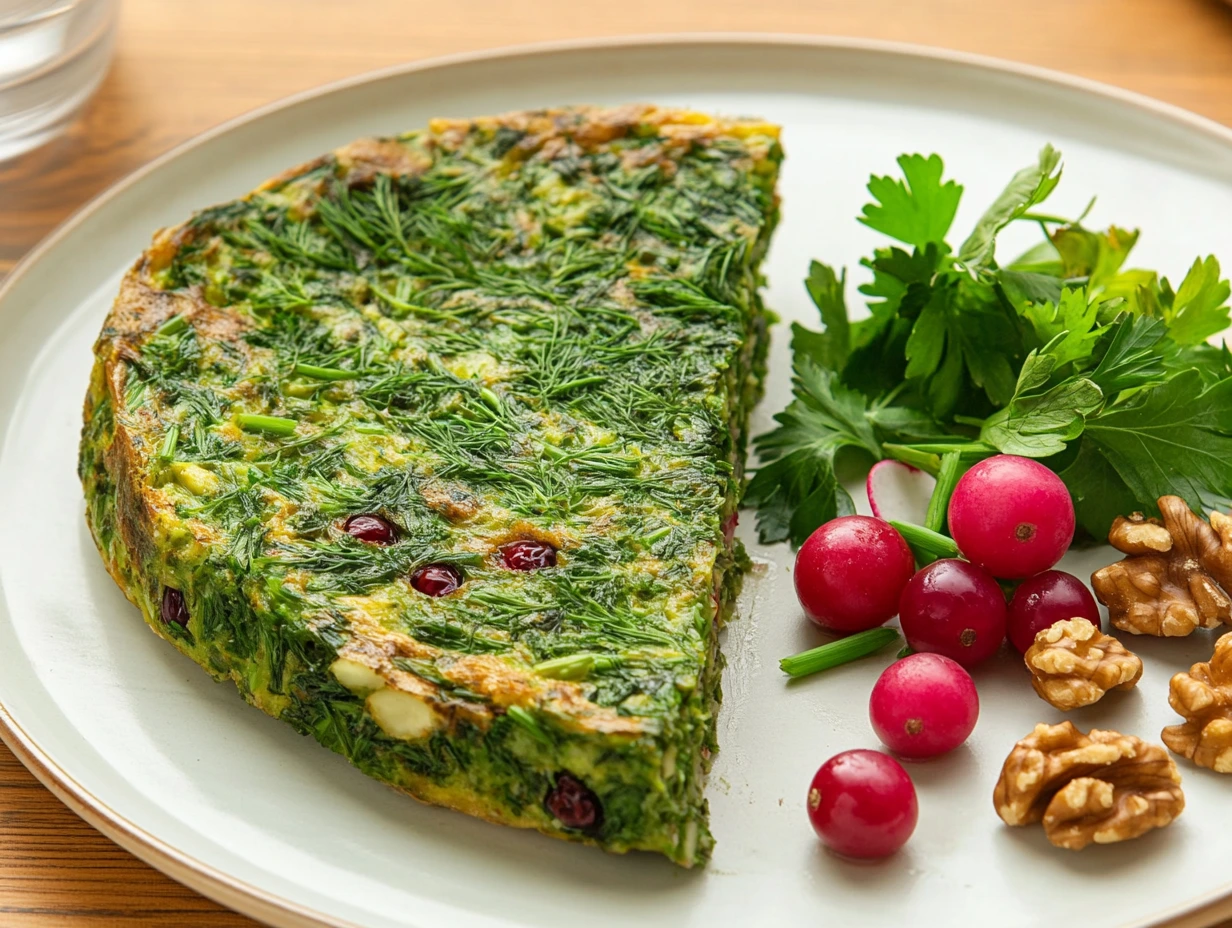
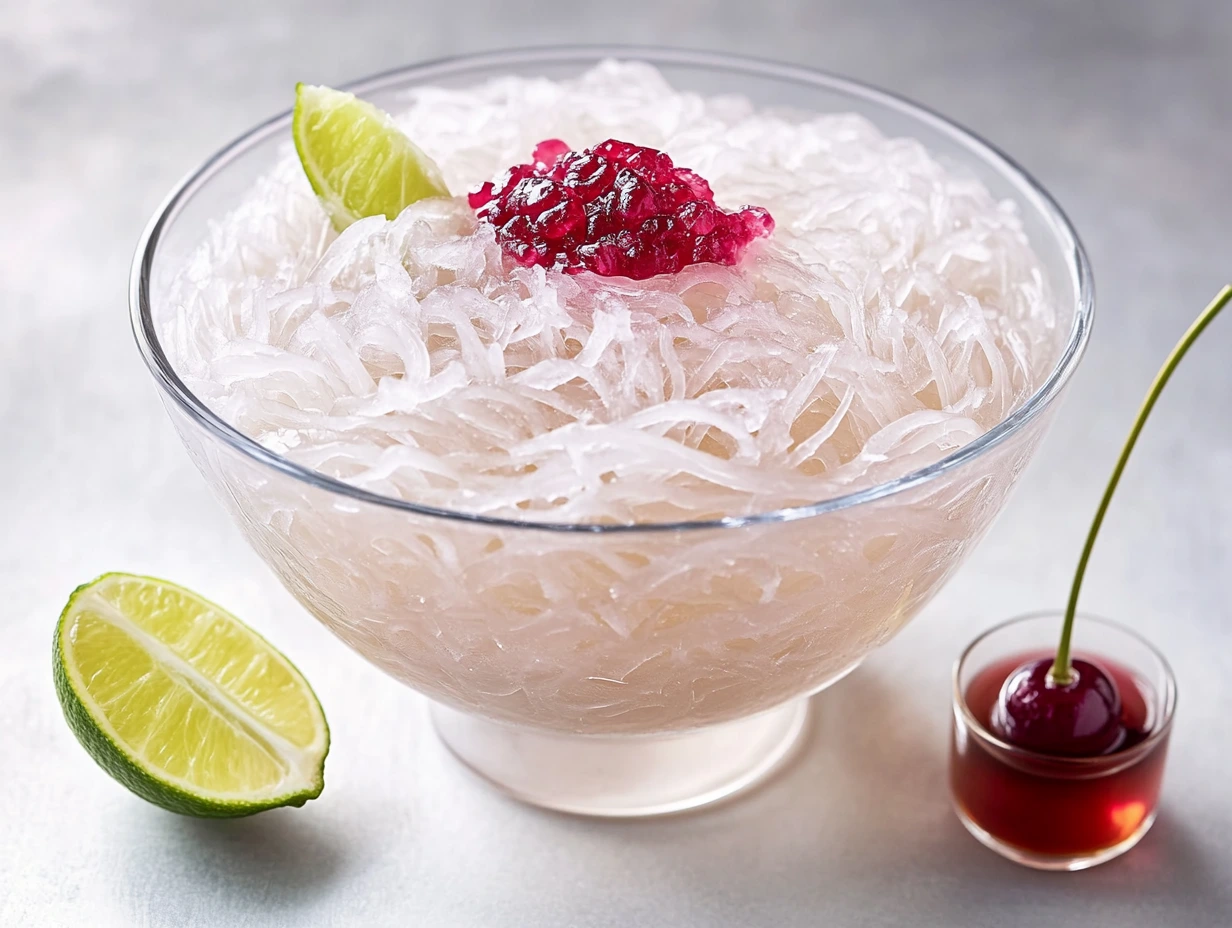
Gilan and Mazandaran along the Caspian are known for rice, herbs, garlic, fish, eggs, pomegranate and walnuts; the south around the Persian Gulf uses seafood, tamarind, dates and hotter spices; Azerbaijan and the northwest share stuffed foods, breads and robust meat dishes; central Iranian cities are strongly associated with refined rice, khoresh, kebab, sweets and sherbets. Regional identities should be named where a dish is clearly local, as with Faloodeh Shirazi.