
Iranian Main
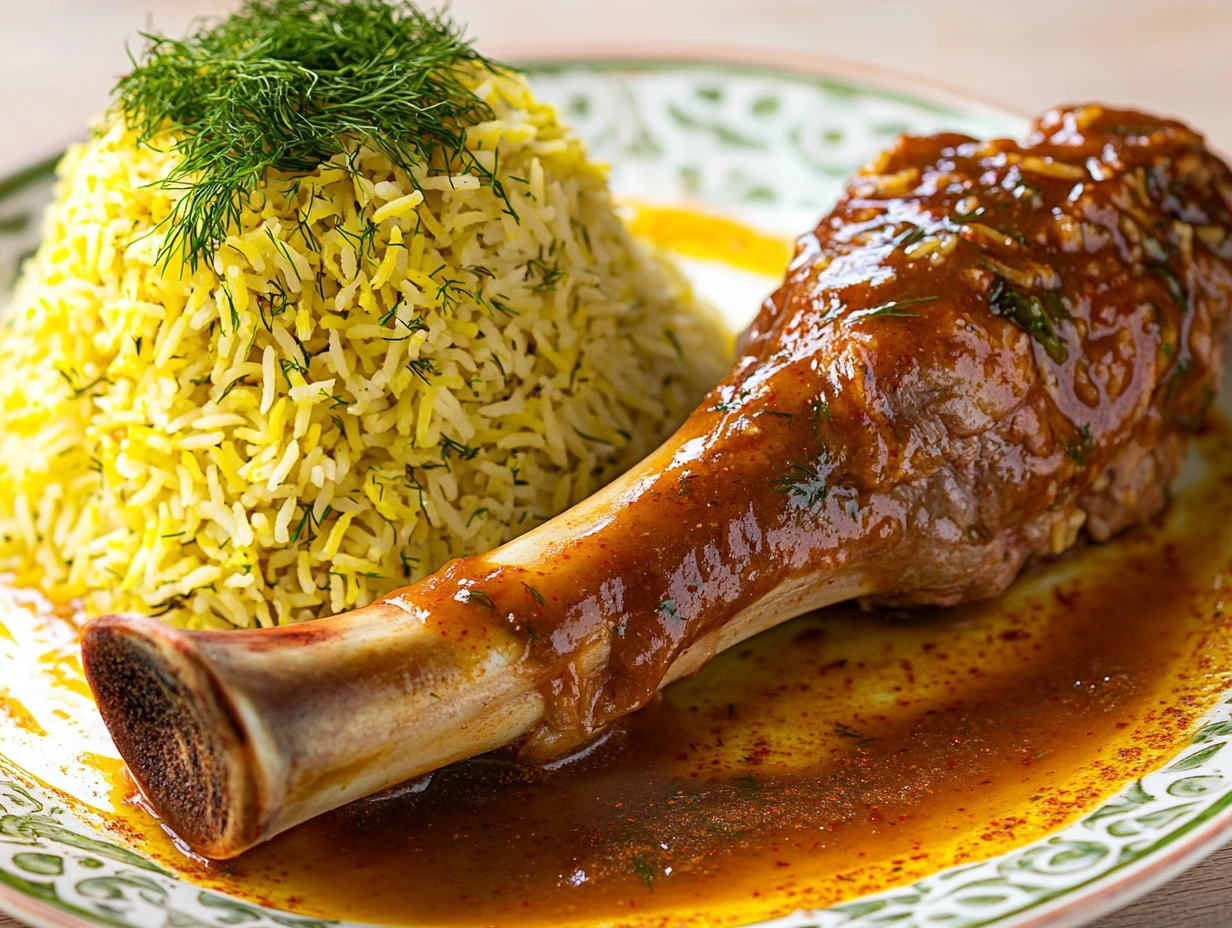
Baghali Polo ba Mahicheh
Baghali Polo ba Mahicheh is Persian dill-and-broad-bean rice served with slow-braised lamb shanks and saffron. This version uses measured ingredients, clear visual cues and the traditional flavour balance that makes the dish distinctive.
40 minsPrep time
3 hrCook time
Serves 6Servings
HardDifficulty
Nutrition
Estimated nutrition per serving
These figures are estimates per serving. Actual nutrition can vary with the brands and exact amounts you use, how much oil, dressing or sauce is absorbed, any substitutions or added extras, and the portion size served.A practical guide for comparing recipes and planning meals.
780Calories
50gProtein
85gCarbs
31gFat
Ingredients
What you need
- 6 lamb shanks
- 500 basmati rice
- 300 broad beans, shelled, skins removed if tough
- 100 fresh dill, chopped
- 300 onions, sliced
- 15 Garlic
- 1.5 ground turmeric
- 0.4 saffron threads, bloomed
- 60 butter
- 1200 lamb stock or water
- 2 fine salt
- 0.5 black pepper
Method
Step-by-step method
Follow the recipe in order, tasting and adjusting seasoning where needed.
- Brown lamb shanks in a heavy casserole until well coloured. Remove, then cook onions until golden; add garlic and turmeric.
- Return shanks, add stock, salt and pepper, cover and braise gently for 2–2½ hours until the meat is very tender but still attached to the bone. Reduce the cooking liquid at the end into a light sauce.
- Rinse and soak rice. Parboil for 4 minutes, then add broad beans for the final 2 minutes. Drain immediately before the rice is fully cooked.
- Layer rice and beans in a clean pot with chopped dill and small dots of butter. Make a loose pyramid, add a few spoonfuls of water, wrap the lid and steam on low heat for 35–40 minutes.
- Mix a small scoop of finished rice with bloomed saffron. Taste the dill rice for salt without stirring so hard that the grains break.
- Serve one lamb shank per person beside generous dill-bean rice, top with saffron rice and spoon reduced lamb juices around the meat.
Cook smarter
Tips, storage and serving advice
Shopping tips
Ingredient quality
Common mistakes
Chef’s tips
How to know it is cooked
Plating advice
Cook next
View cuisine More Iranian recipes
Keep exploring the country’s food story through related starters, mains and desserts.
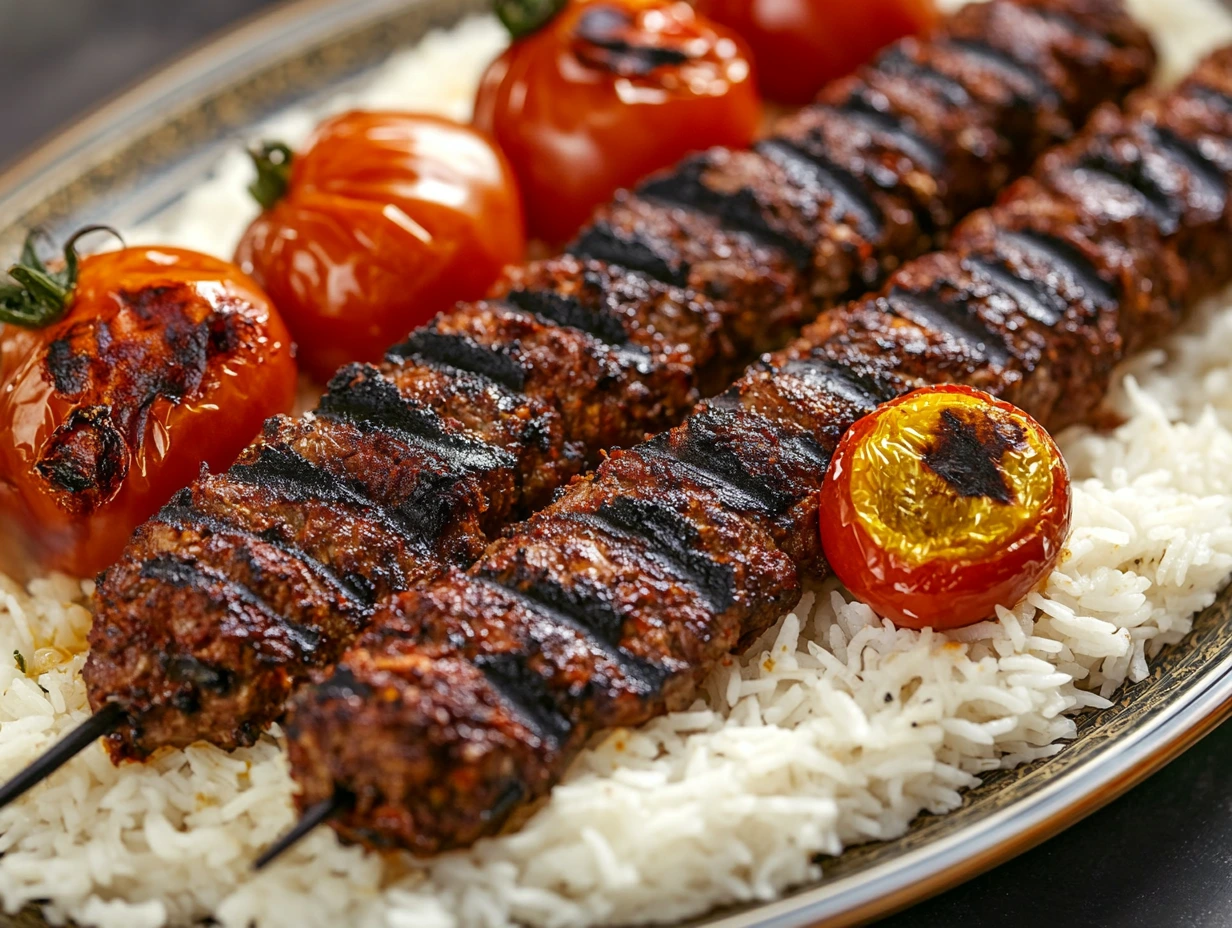
Chelo Kebab Koobideh
Chelo Kebab Koobideh is Persian minced lamb-and-beef kebabs moulded onto wide skewers and grilled b…
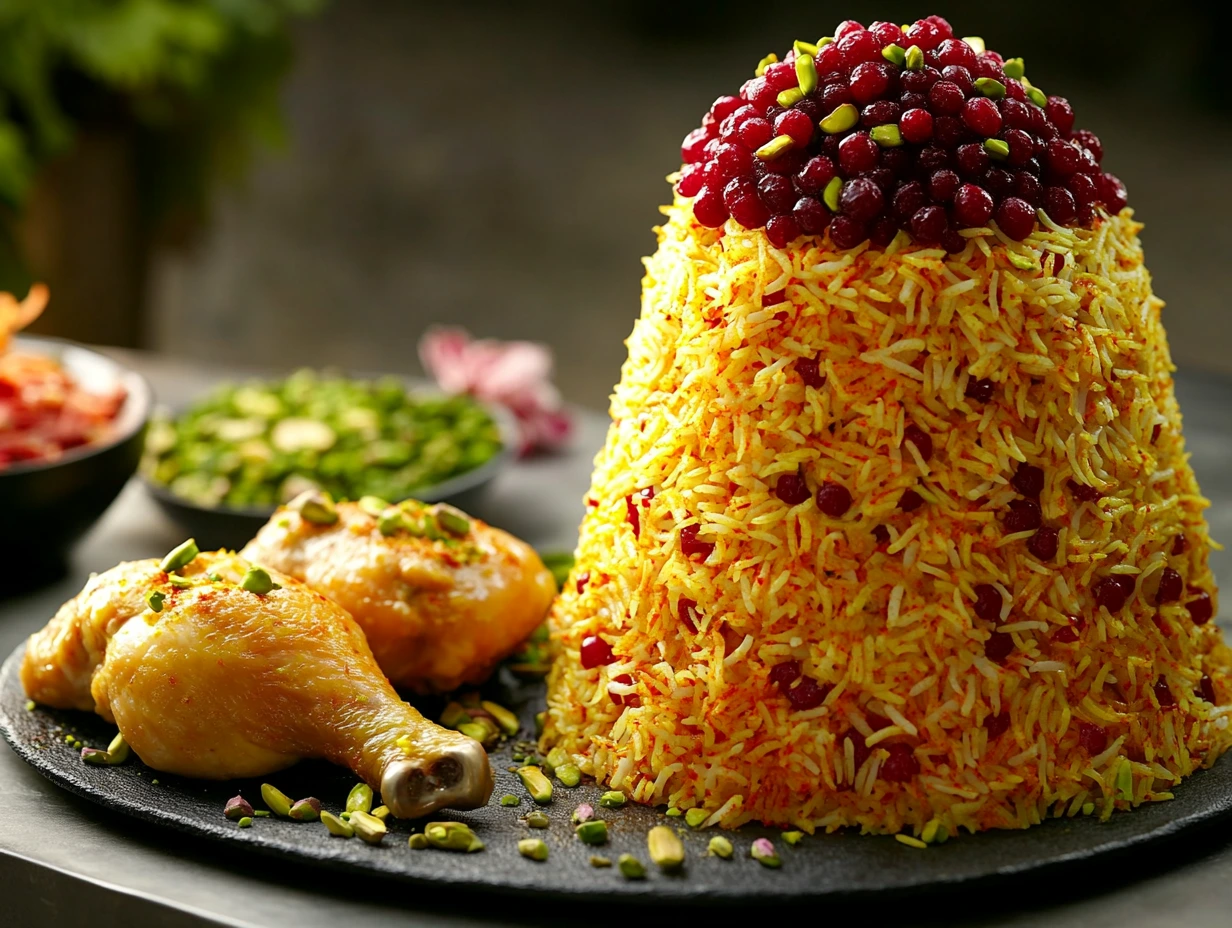
Zereshk Polo ba Morgh
Zereshk Polo ba Morgh is saffron chicken with Persian steamed rice scattered with tart barberries…
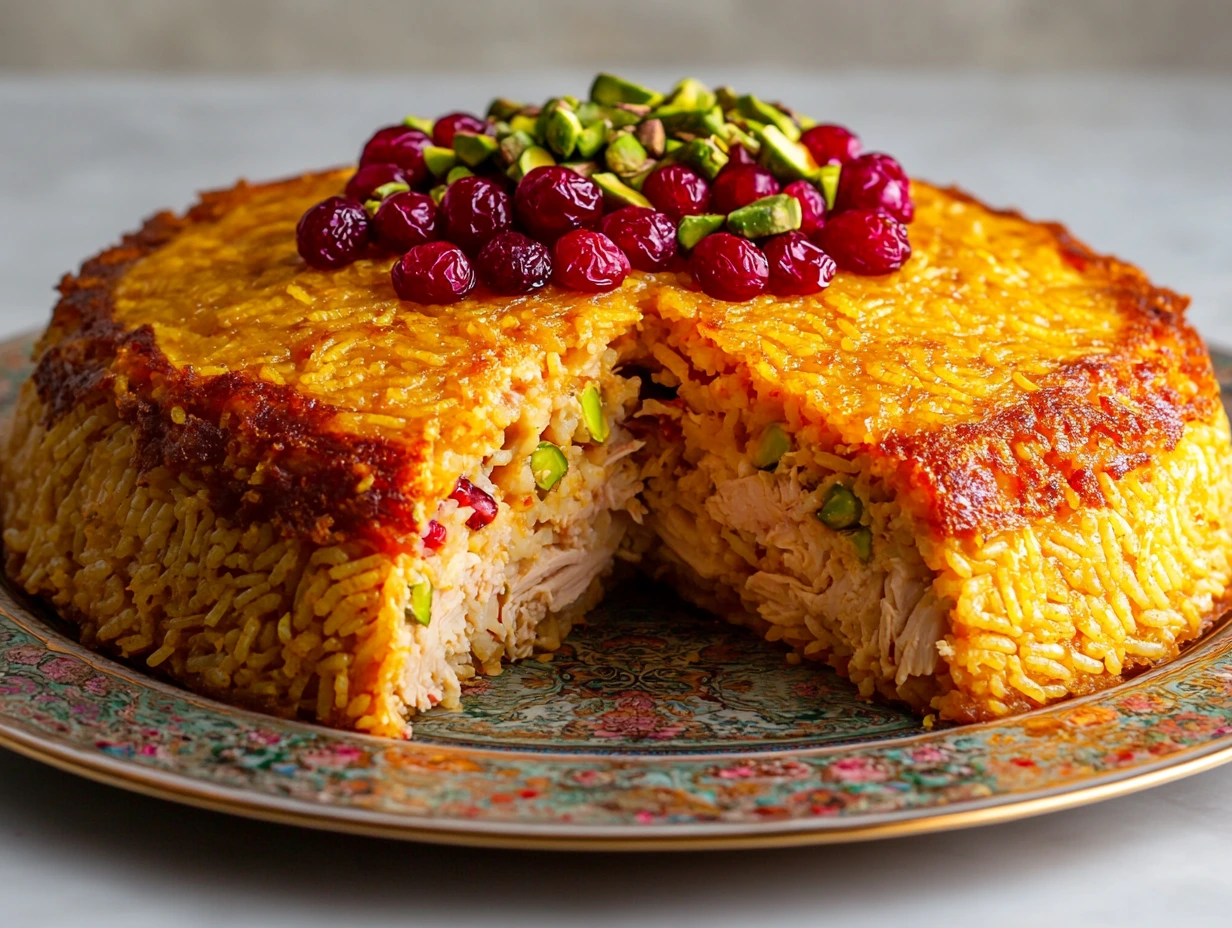
Tahchin-e Morgh
Tahchin-e Morgh is a Persian saffron rice cake layered with tender chicken and yoghurt, prized for…
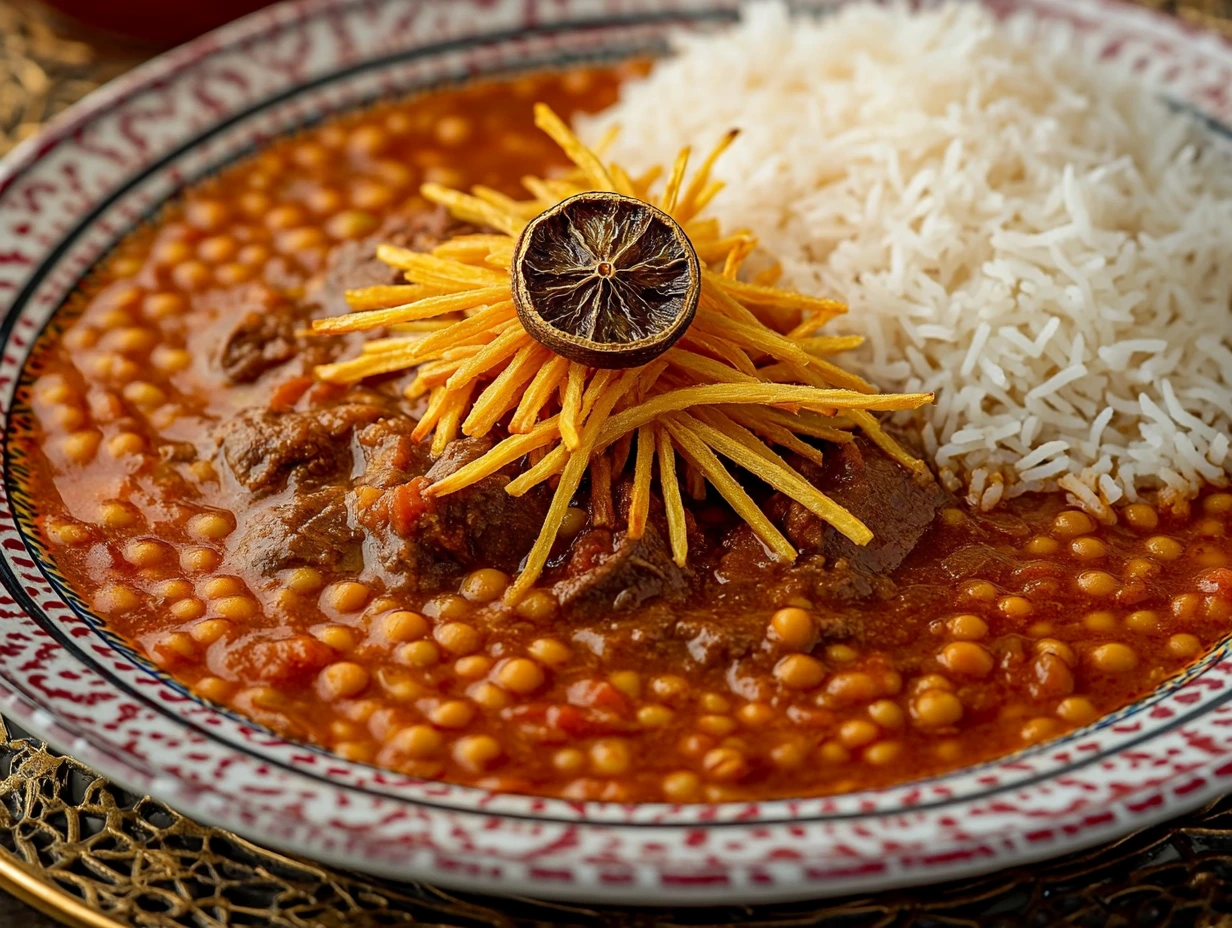
Khoresh Gheymeh
Khoresh Gheymeh is a Persian split-pea and meat stew sharpened with dried lime and topped with cris…