
Iranian Starter
Kashk-e Bademjan
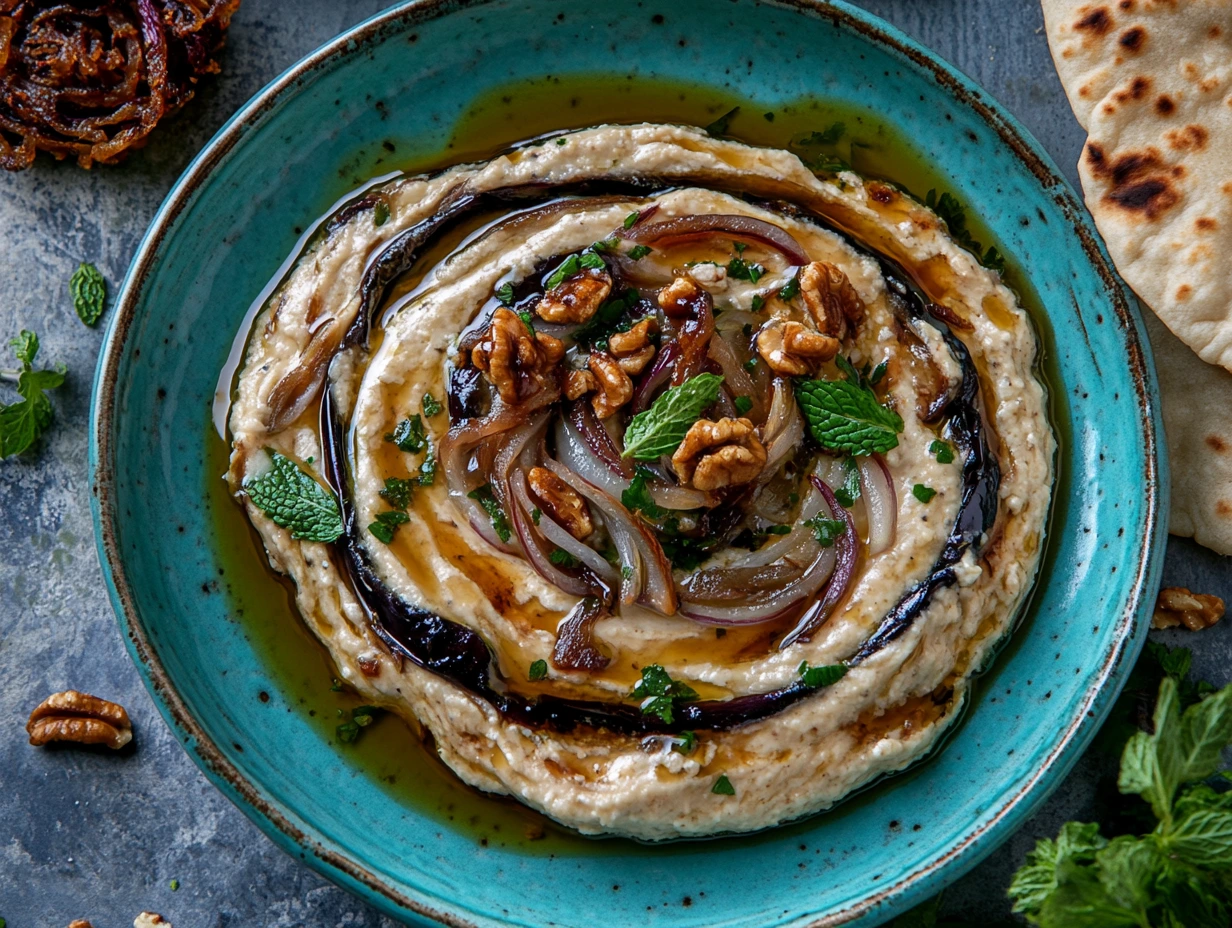
Kashk-e Bademjan is a Persian aubergine spread with caramelised onion, mint, walnuts and tangy kashk yoghurt whey. This version uses measured ingredients, clear visual cues and the traditional flavour balance that makes the dish distinctive.
30 minsPrep time
45 minsCook time
Serves 6Servings
MediumDifficulty
Nutrition
Estimated nutrition per serving
These figures are estimates per serving. Actual nutrition can vary with the brands and exact amounts you use, how much oil, dressing or sauce is absorbed, any substitutions or added extras, and the portion size served.A practical guide for comparing recipes and planning meals.
360Calories
10gProtein
24gCarbs
27gFat
Ingredients
What you need
- 1000 aubergines, peeled and sliced
- 350 onions, thinly sliced
- 18 Garlic, sliced
- 2 dried mint
- 1 ground turmeric
- 180 kashk, or thick Greek yoghurt as substitute
- 70 Walnuts, toasted and chopped
- 80 neutral oil
- 120 water
- 1.25 fine salt
- 0.5 black pepper
Method
Step-by-step method
Follow the recipe in order, tasting and adjusting seasoning where needed.
- Salt the aubergine slices lightly and leave 20 minutes, then pat dry. Brush with oil and roast at 220°C for 25–30 minutes until deeply browned and completely soft; this gives richness without soaking the slices in frying oil.
- Meanwhile cook onions slowly in 30 ml oil for 18–20 minutes until deeply golden. Remove half for garnish. Add garlic and turmeric to the pan and cook 1 minute.
- Add roasted aubergine and water, cover and simmer 10 minutes. Mash with a wooden spoon until thick and rustic rather than completely smooth.
- In a small pan, warm 15 ml oil and fry dried mint for only 10–15 seconds until fragrant, then remove from heat immediately; burnt mint turns bitter.
- Stir two-thirds of the kashk into the aubergine with half the mint oil and half the walnuts. Taste for salt because kashk can be salty.
- Spread onto a shallow plate and decorate with reserved onions, remaining kashk, mint oil and walnuts. Serve warm with flatbread.
Cook smarter
Tips, storage and serving advice
Shopping tips
Ingredient quality
Common mistakes
Chef’s tips
How to know it is cooked
Plating advice
Cook next
View cuisine More Iranian recipes
Keep exploring the country’s food story through related starters, mains and desserts.
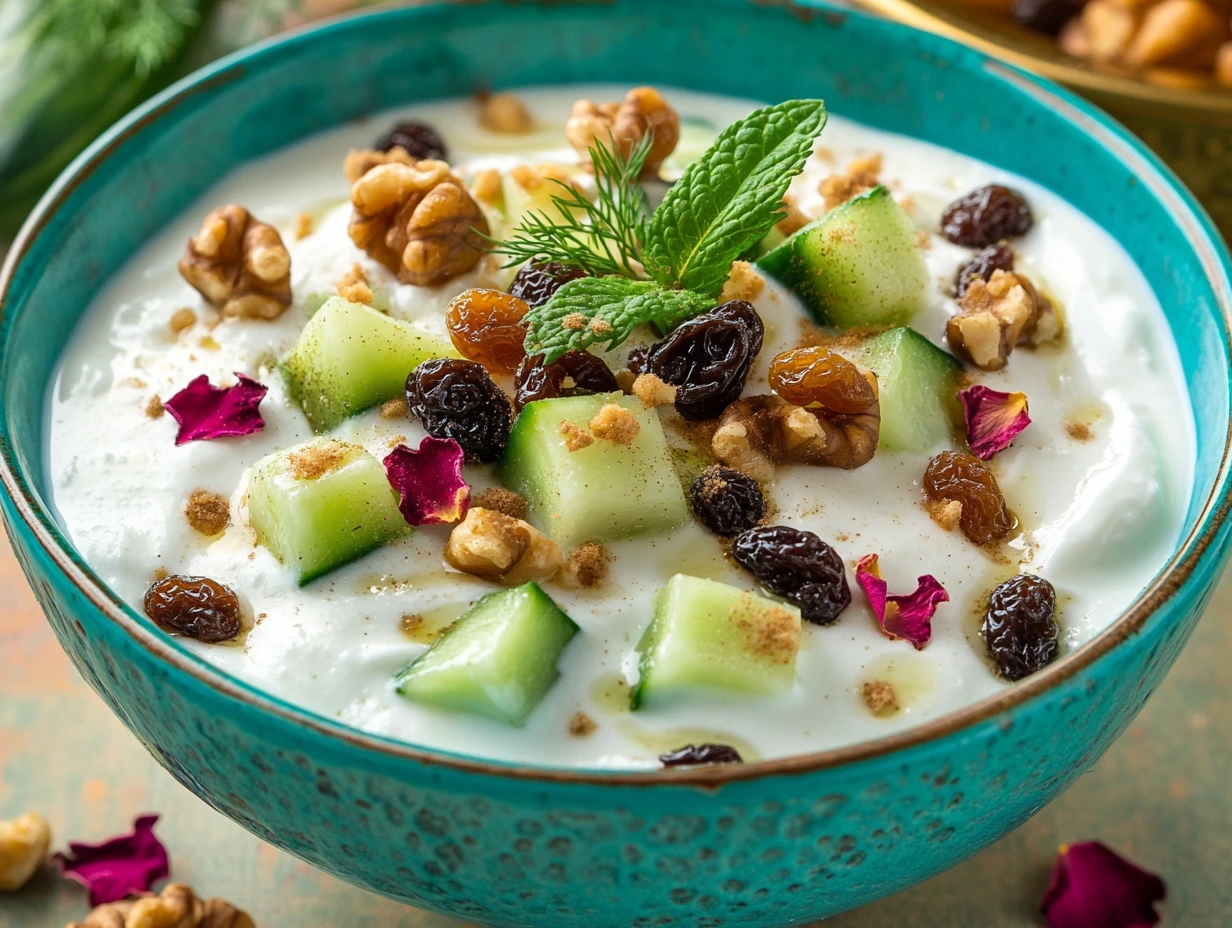
Mast-o Khiar
Mast-o Khiar is a cool Persian yoghurt and cucumber dish with mint, dill, raisins and walnuts. This…
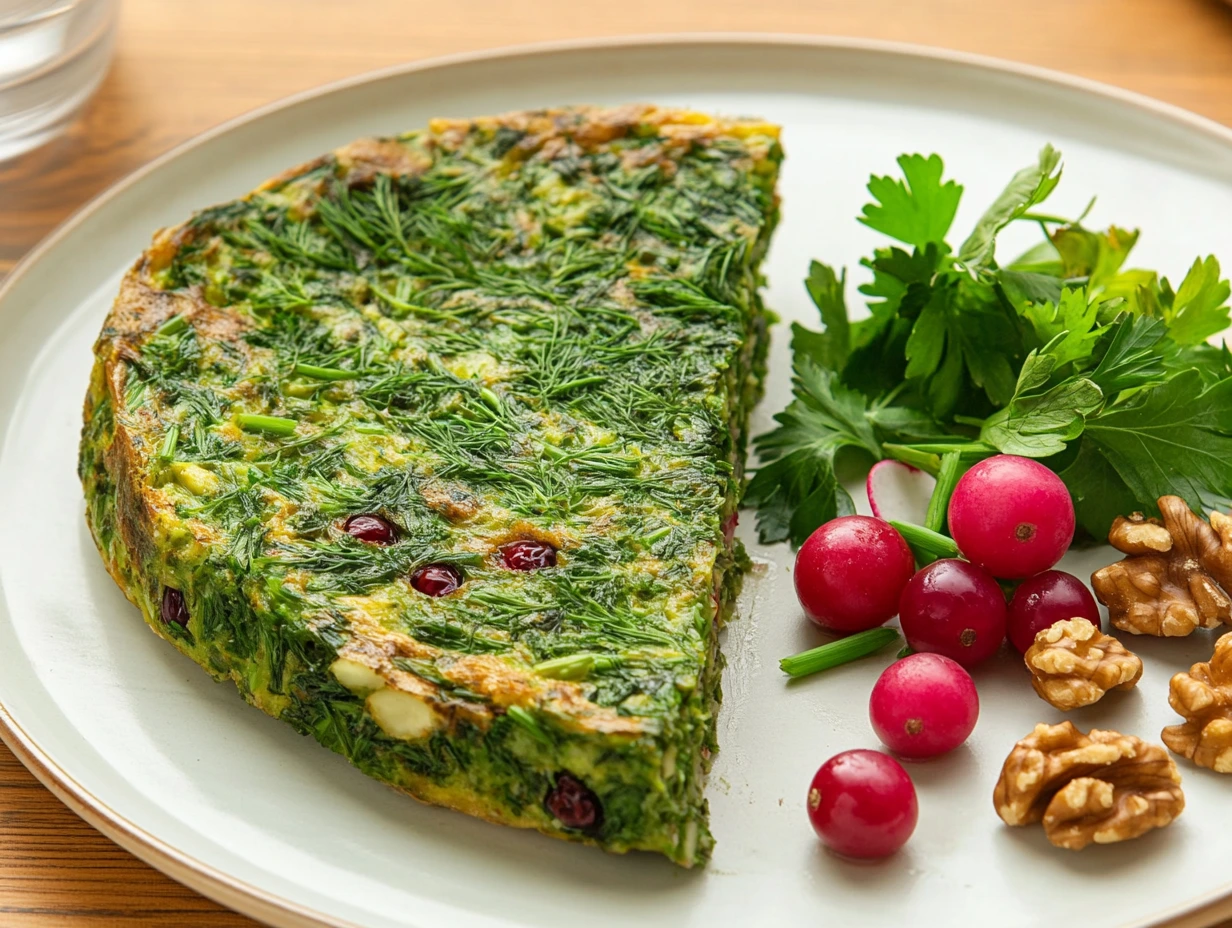
Kuku Sabzi
Kuku Sabzi is a Persian herb frittata packed with parsley, coriander, dill and chives so herbs domi…
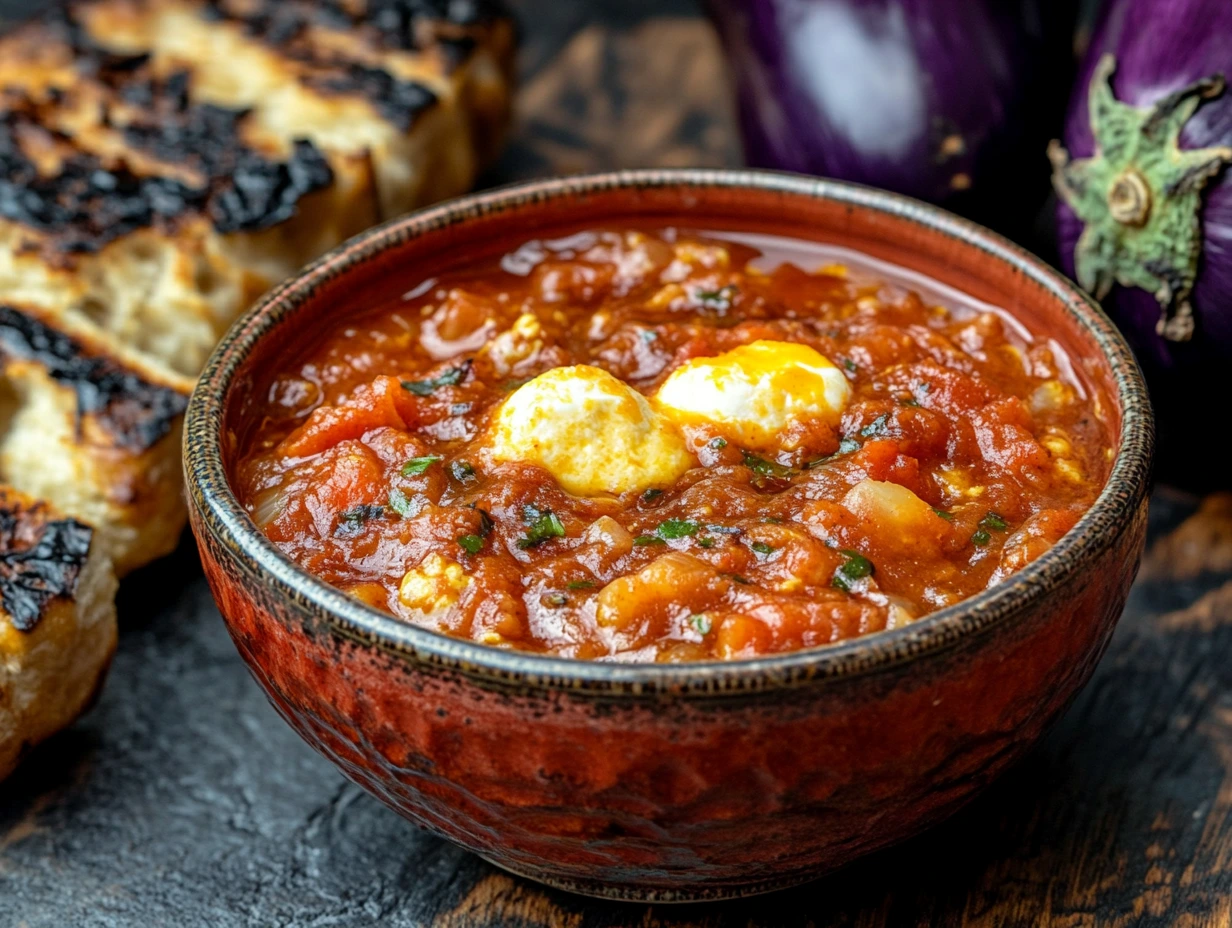
Mirza Ghasemi
Mirza Ghasemi is a northern Iranian smoked aubergine, tomato, garlic and egg dish with a soft scram…
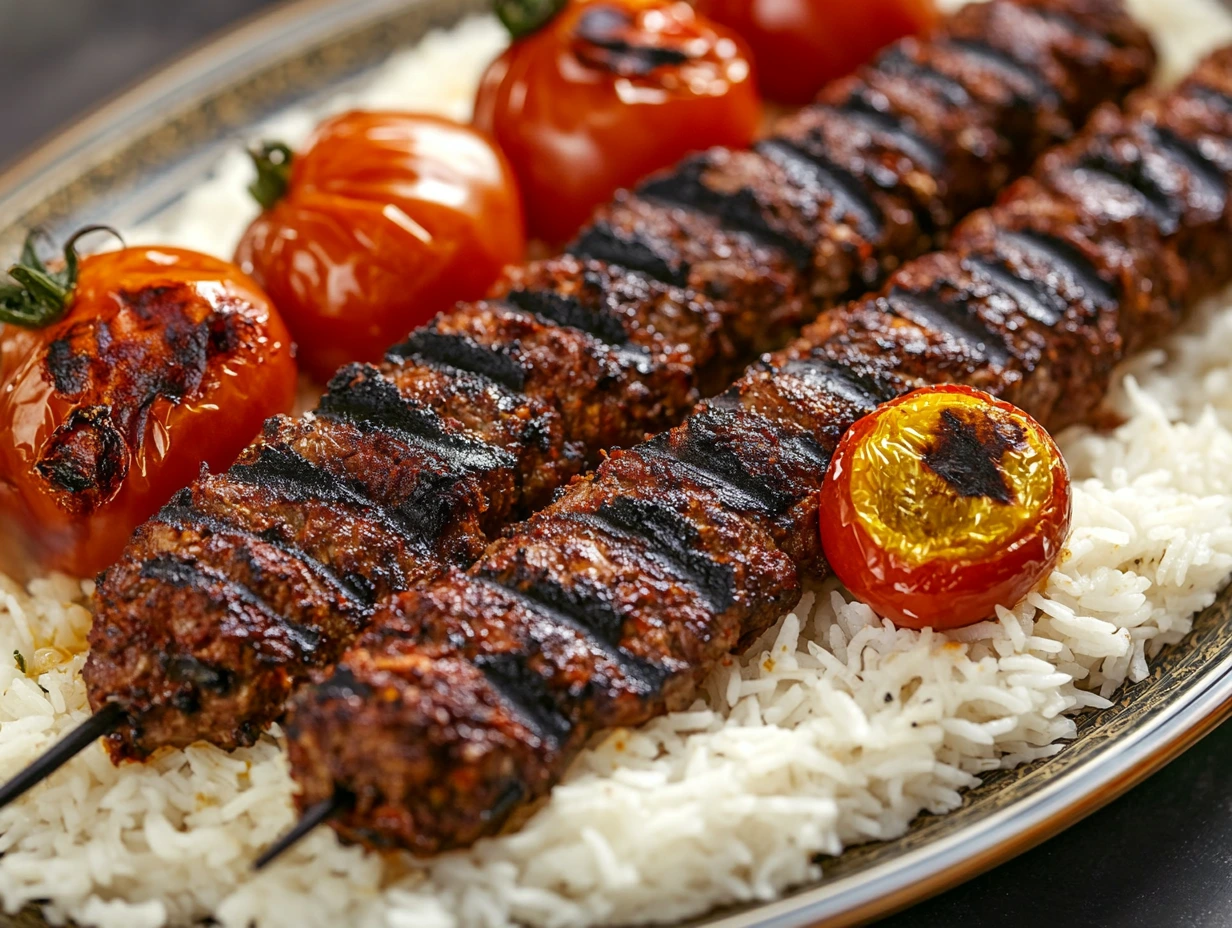
Chelo Kebab Koobideh
Chelo Kebab Koobideh is Persian minced lamb-and-beef kebabs moulded onto wide skewers and grilled b…