
Iranian Dessert
Sholeh Zard
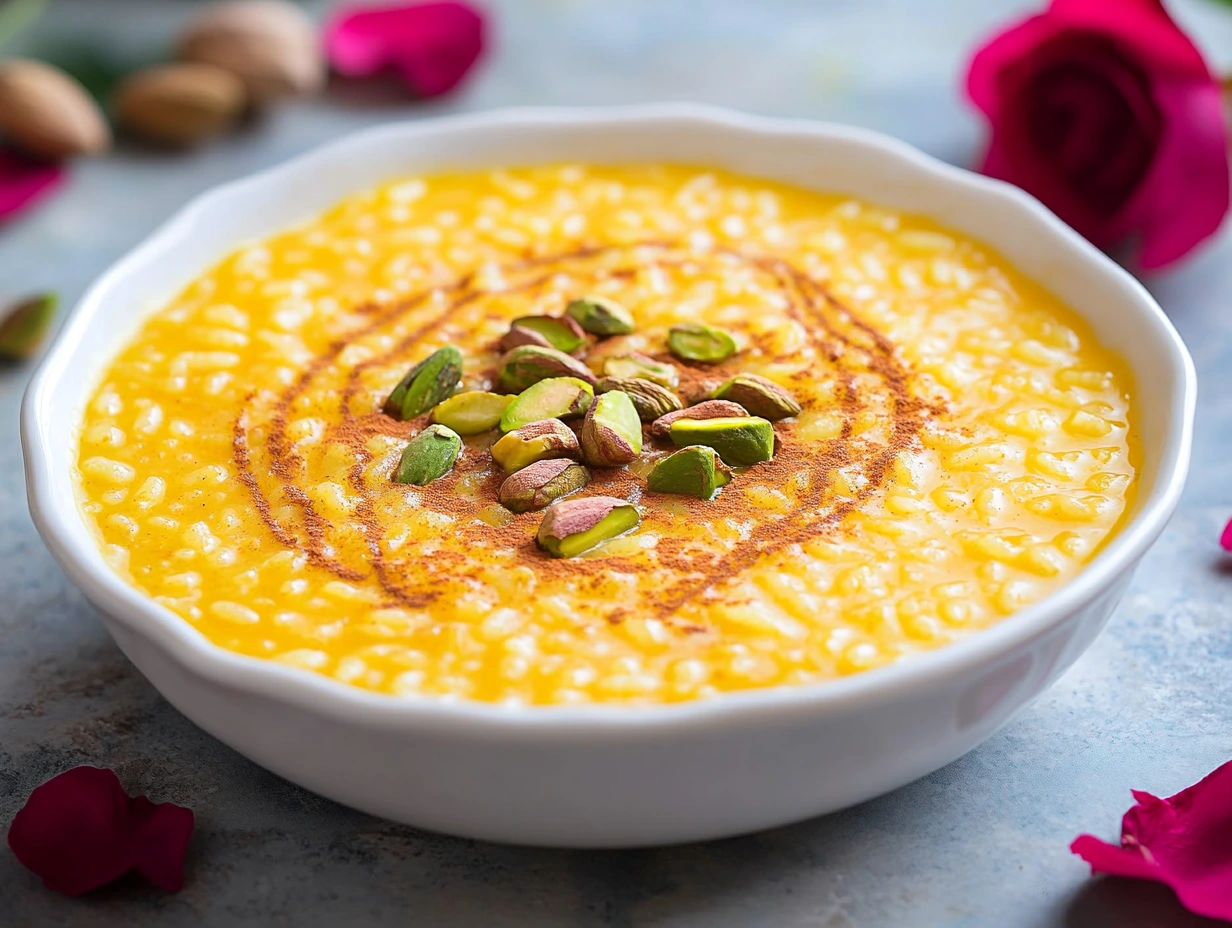
Sholeh Zard is a Persian saffron rice pudding scented with rosewater and decorated with cinnamon, pistachio and almond. This version uses measured ingredients, clear visual cues and the traditional flavour balance that makes the dish distinctive.
15 minsPrep time
55 minsCook time
Serves 8Servings
EasyDifficulty
Nutrition
Estimated nutrition per serving
These figures are estimates per serving. Actual nutrition can vary with the brands and exact amounts you use, how much oil, dressing or sauce is absorbed, any substitutions or added extras, and the portion size served.A practical guide for comparing recipes and planning meals.
285Calories
5gProtein
56gCarbs
5gFat
Ingredients
What you need
- 180 white rice
- 1400 water
- 280 caster sugar
- 0.35 saffron threads, bloomed
- 60 rosewater
- 70 slivered almonds
- 0.25 ground cardamom
- 1 ground cinnamon, for garnish
- 35 pistachios, slivered for garnish
Method
Step-by-step method
Follow the recipe in order, tasting and adjusting seasoning where needed.
- Rinse rice lightly but do not obsessively remove every trace of starch. Simmer in water for 35–40 minutes until grains are extremely soft and begin to break down.
- Add sugar only after the rice is fully soft; sugar added too early can slow the hydration of the grains. Stir until dissolved.
- Add bloomed saffron, rosewater, almonds and cardamom and simmer gently another 12–15 minutes, stirring frequently as the pudding thickens.
- The mixture should look looser in the pan than you want to serve because it firms substantially as it cools. Spoon into shallow bowls while hot.
- Cool to room temperature, then refrigerate for at least 2 hours.
- Decorate the set surface with cinnamon lines or motifs and pistachio slivers just before serving.
Cook smarter
Tips, storage and serving advice
Shopping tips
Ingredient quality
Common mistakes
Chef’s tips
How to know it is cooked
Plating advice
Cook next
View cuisine More Iranian recipes
Keep exploring the country’s food story through related starters, mains and desserts.
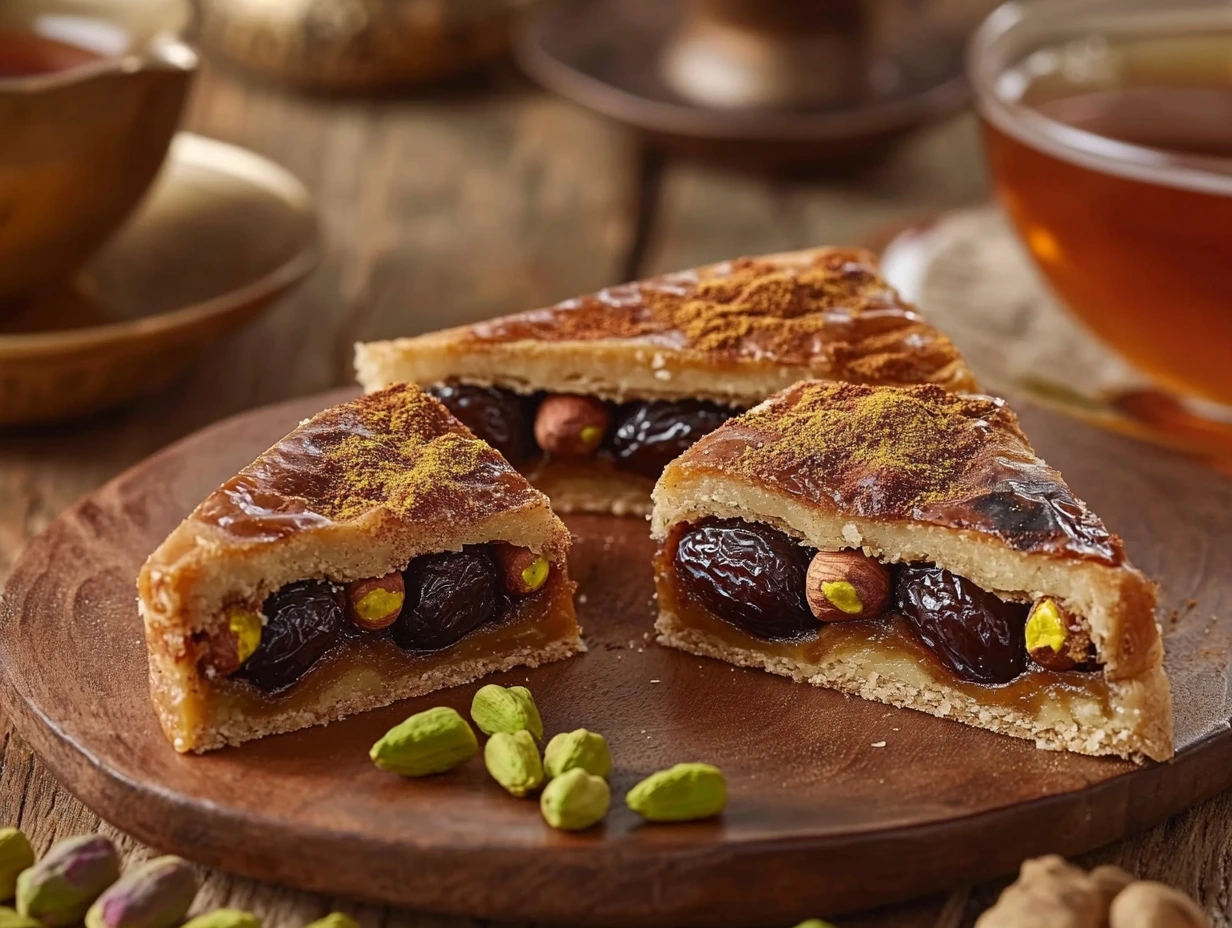
Ranginak
Ranginak is a southern Iranian date-and-walnut sweet covered with toasted flour, butter, cinnamon a…

Zoolbia Bamieh
Zoolbia Bamieh is a Persian Ramadan sweet pairing crisp lacy zoolbia spirals and ridged bamieh frit…

Faloodeh Shirazi
Faloodeh Shirazi is Shiraz-style frozen rosewater syrup threaded with fine starch noodles and serve…
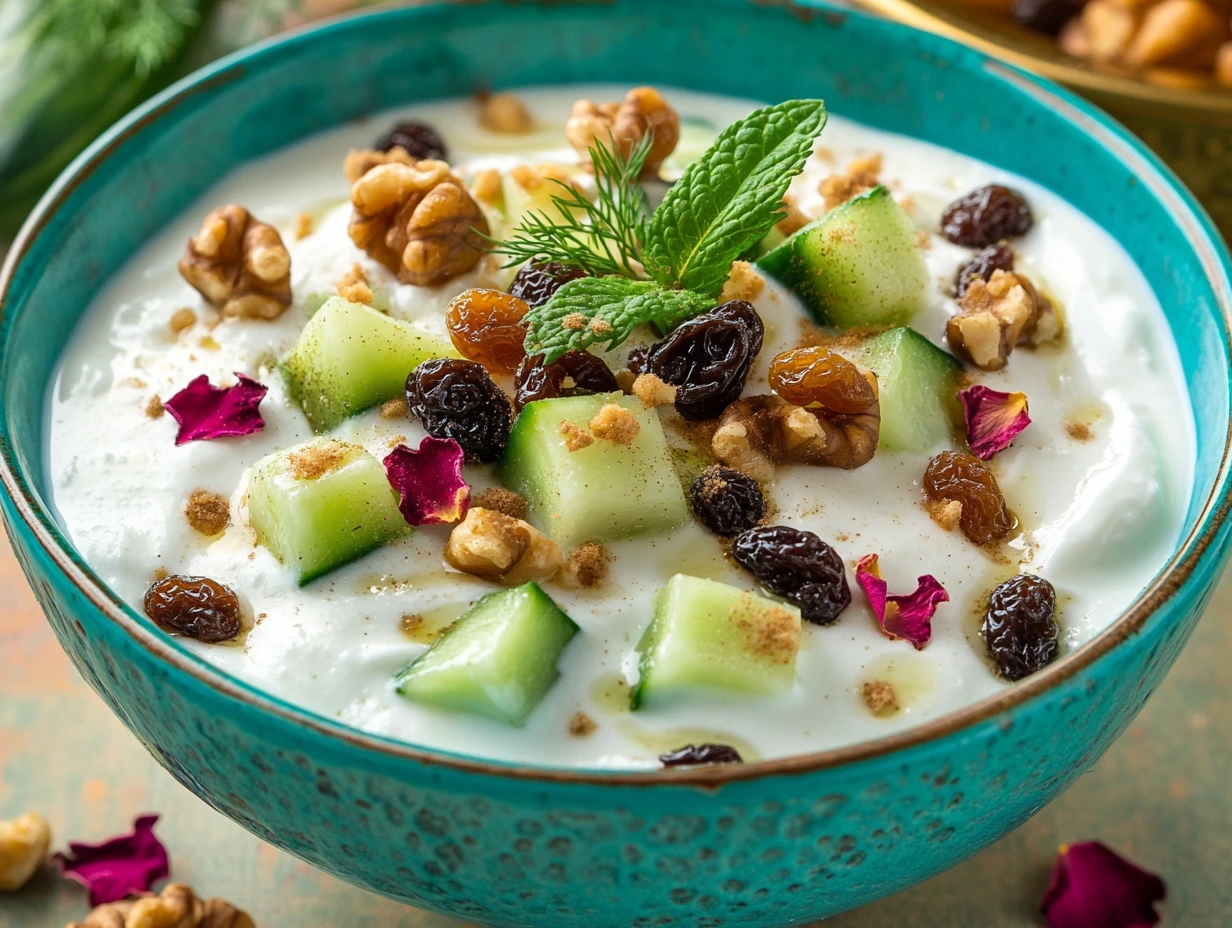
Mast-o Khiar
Mast-o Khiar is a cool Persian yoghurt and cucumber dish with mint, dill, raisins and walnuts. This…