Colombian food through altitude, coastlines, maize, plantain, potatoes, soups and regional identity
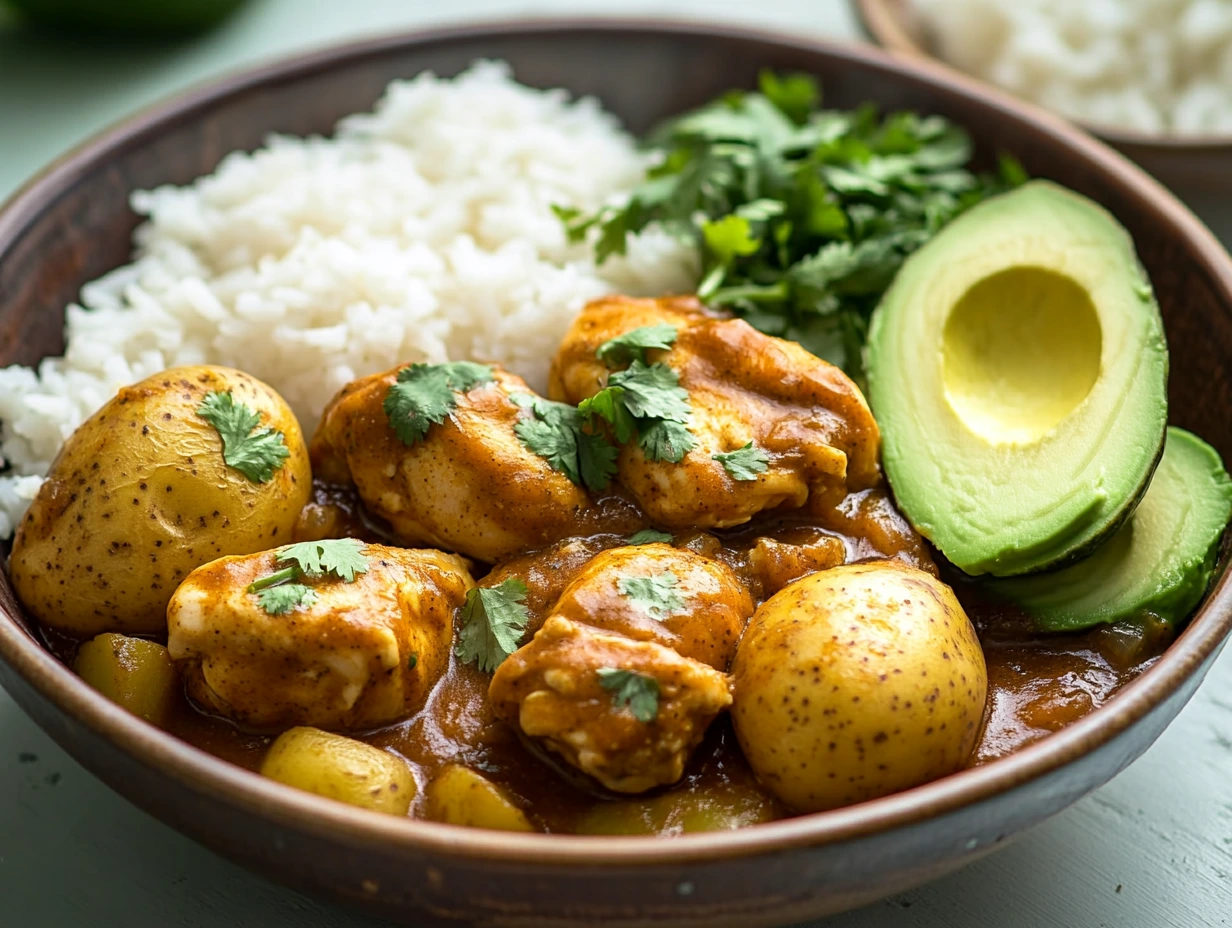
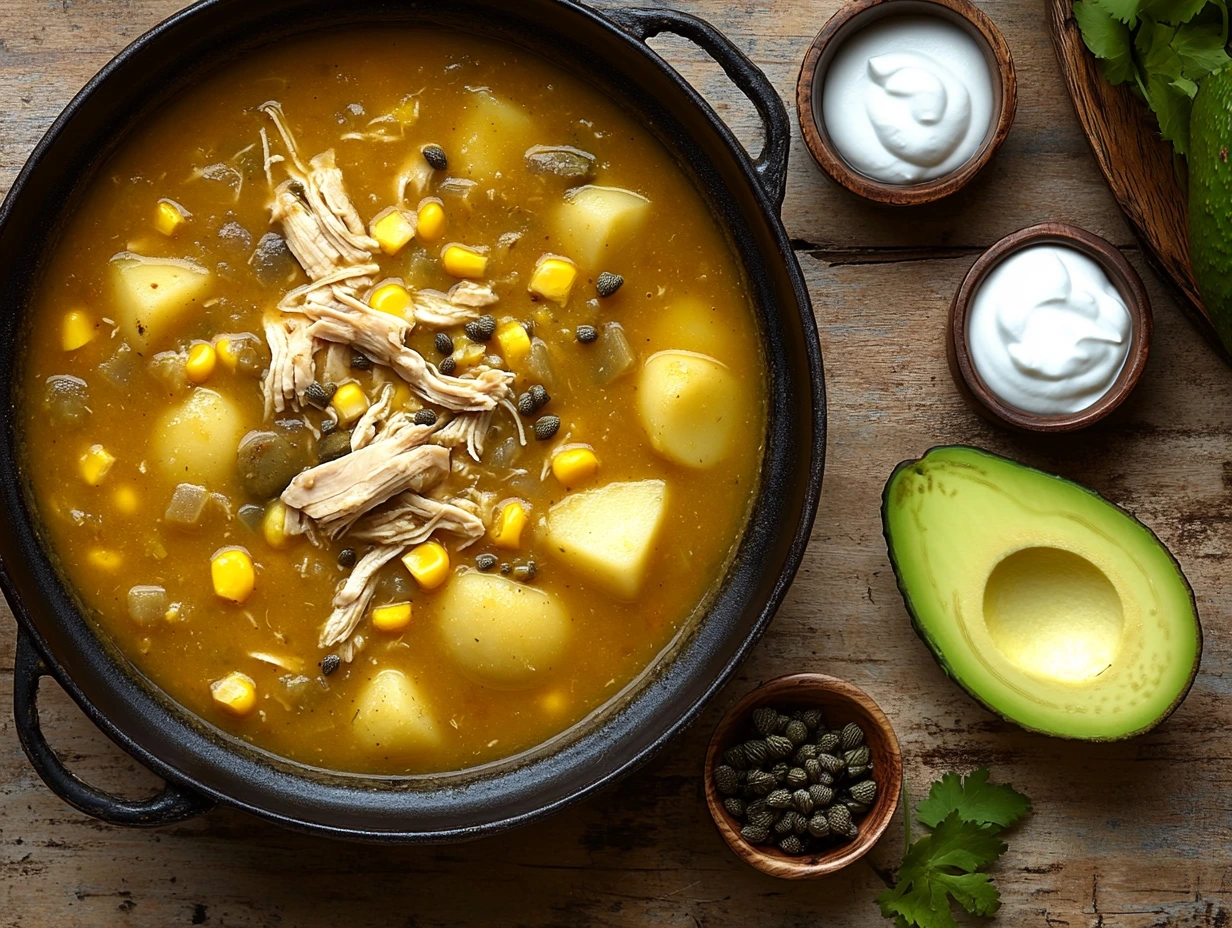
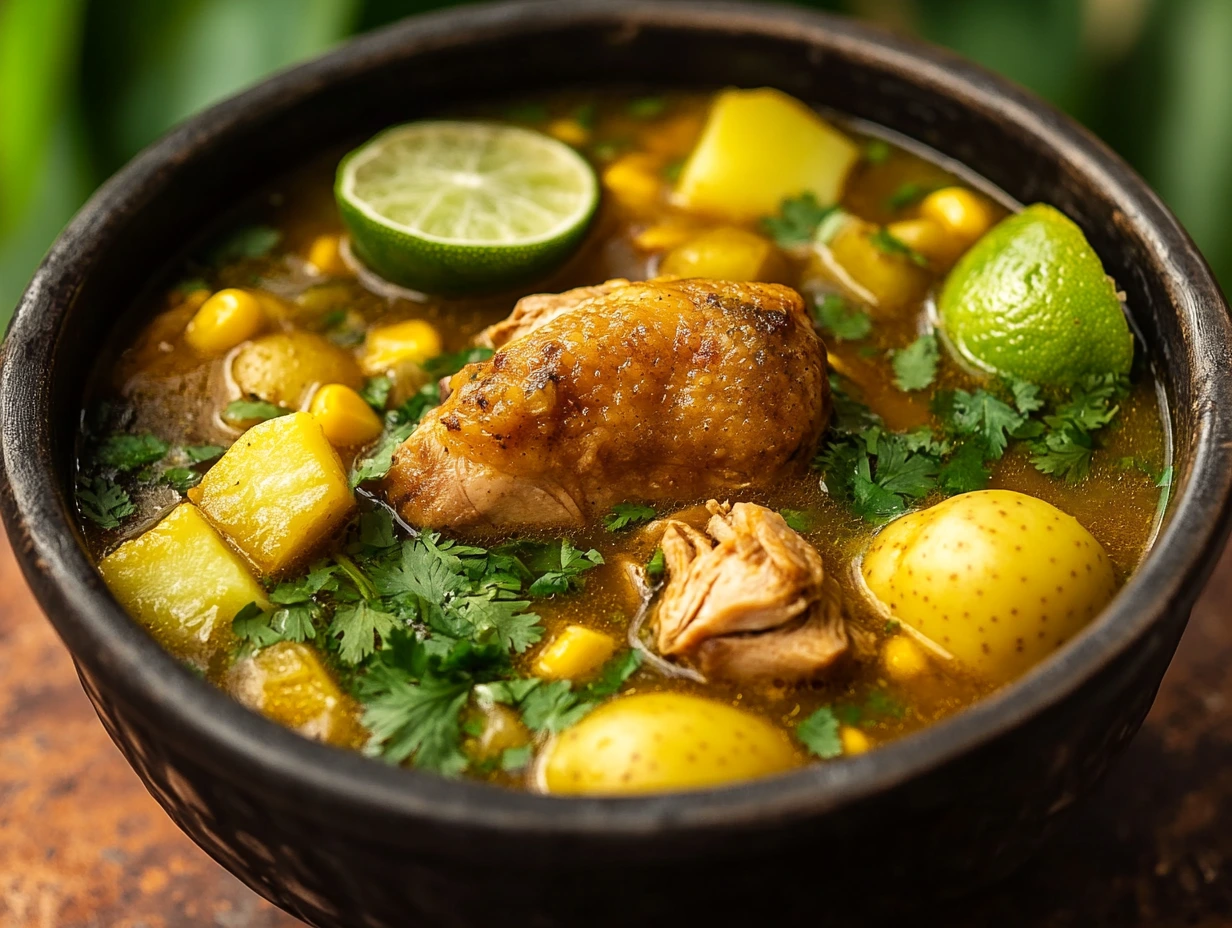
Colombian traditional cooking reflects Indigenous, Iberian and African roots as well as later Arab, neighbouring and global influences. Colombia's Ministry of Culture treats traditional kitchens as part of the country's intangible cultural heritage and stresses that a biodiverse, multicultural country must be understood through regional and local foodways. Indigenous agriculture contributed maize, cassava, potatoes and other native crops; Spanish colonisation introduced livestock, wheat, dairy and new cooking structures; African-descended communities profoundly shaped coastal food, frying, coconut cookery and ingredient knowledge. Geography kept these traditions from merging into one uniform cuisine. High-altitude Bogotá developed potato-rich dishes such as ajiaco, Antioquia built powerful bean-and-maize traditions, Caribbean cooking uses coconut rice and fried fish, while Pacific communities foreground seafood, coconut and local herbs.
Why it is famous
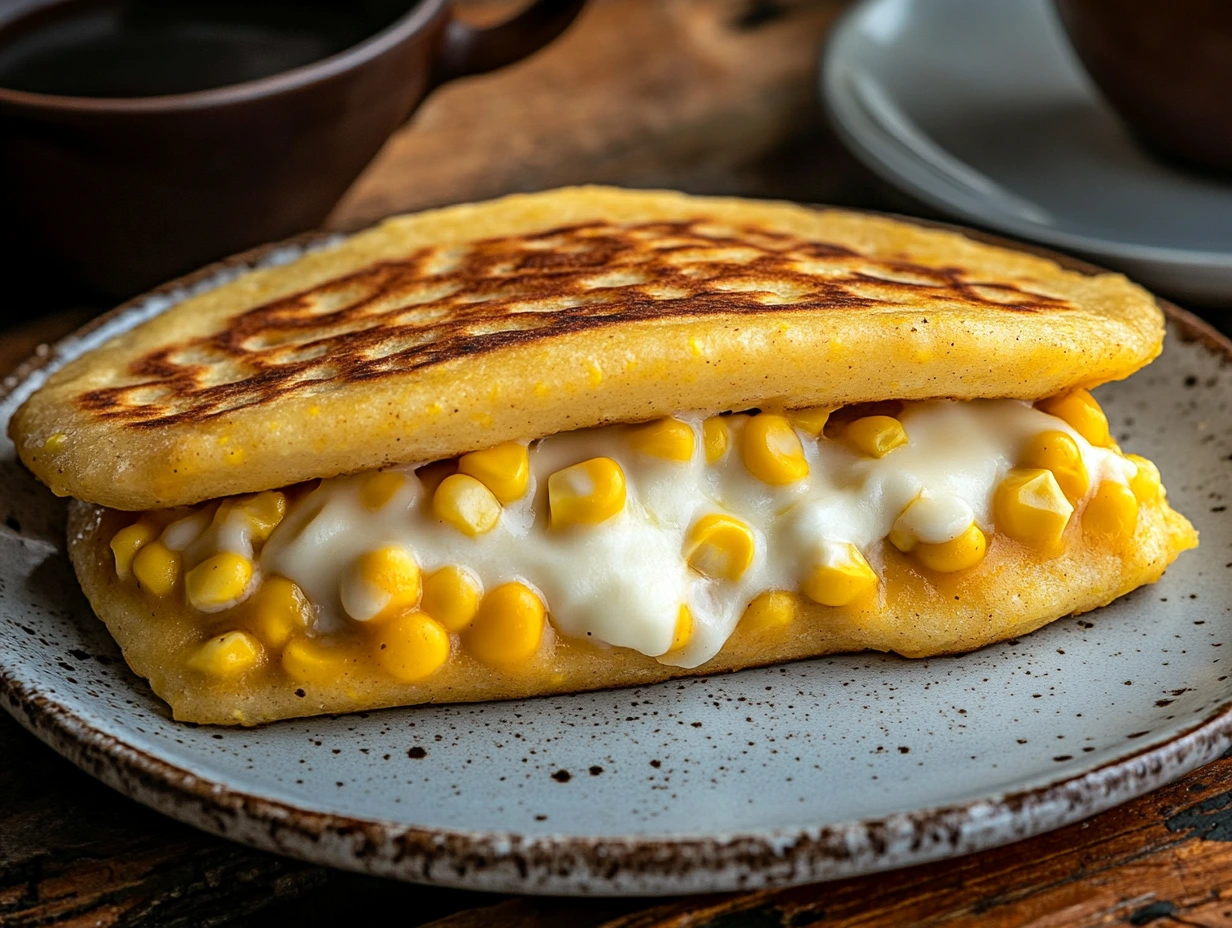
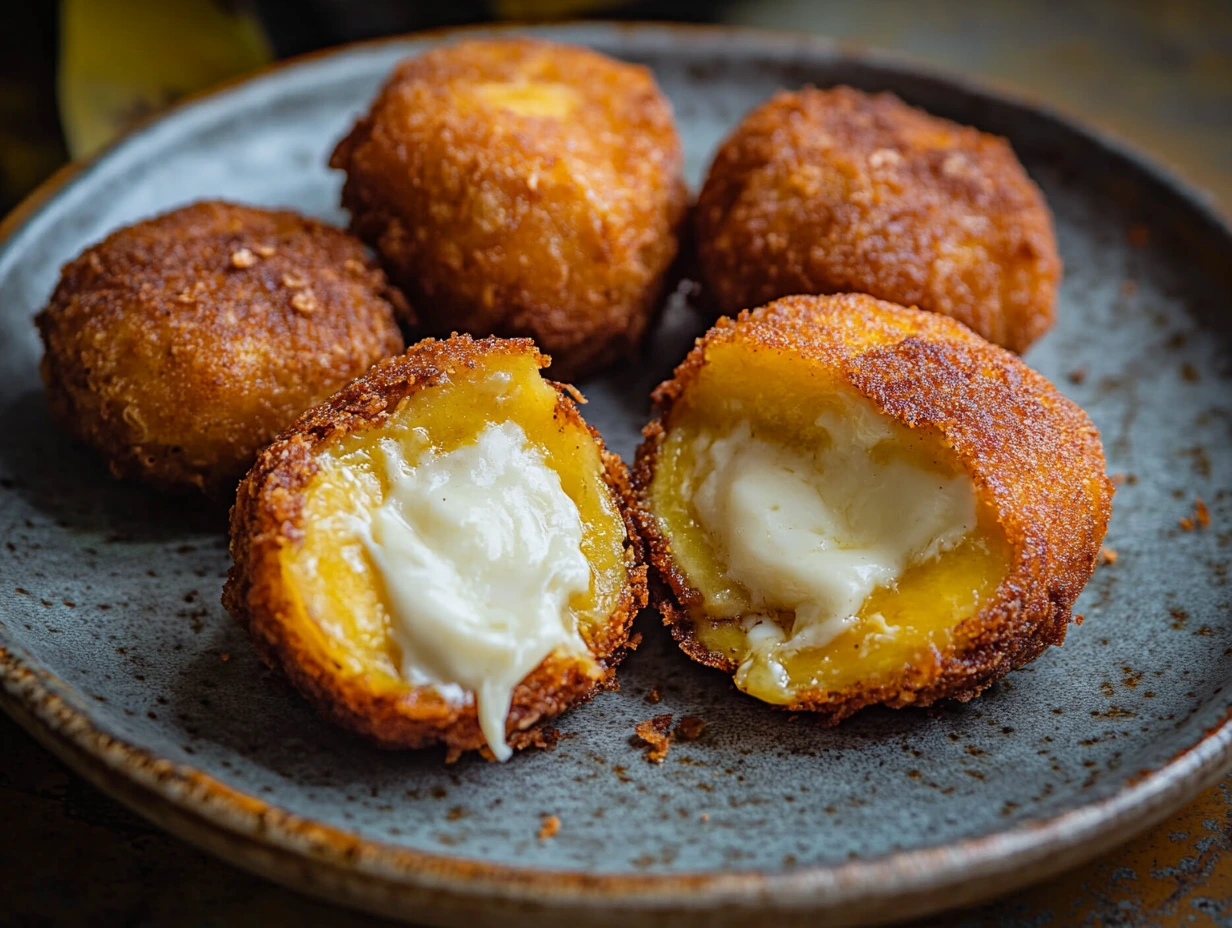
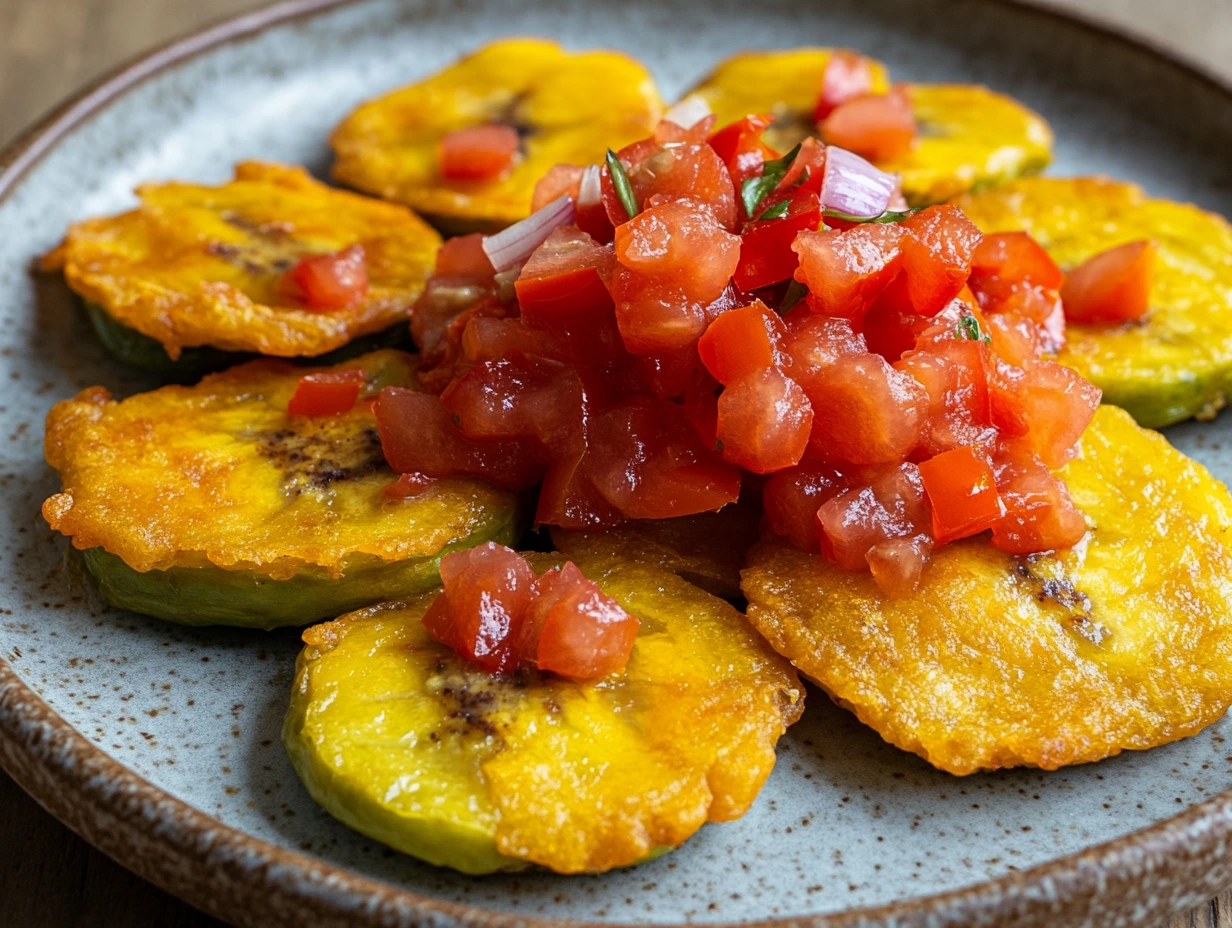
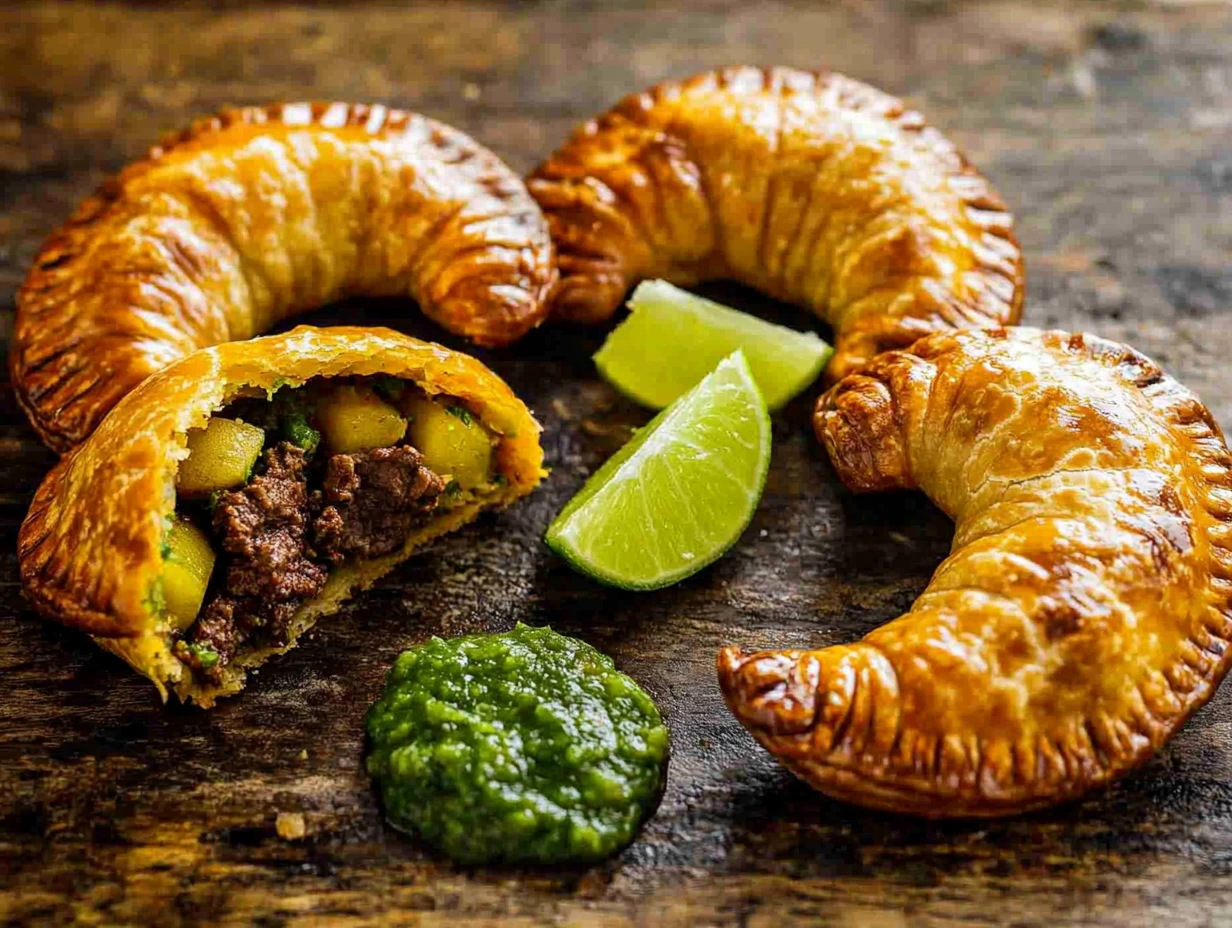
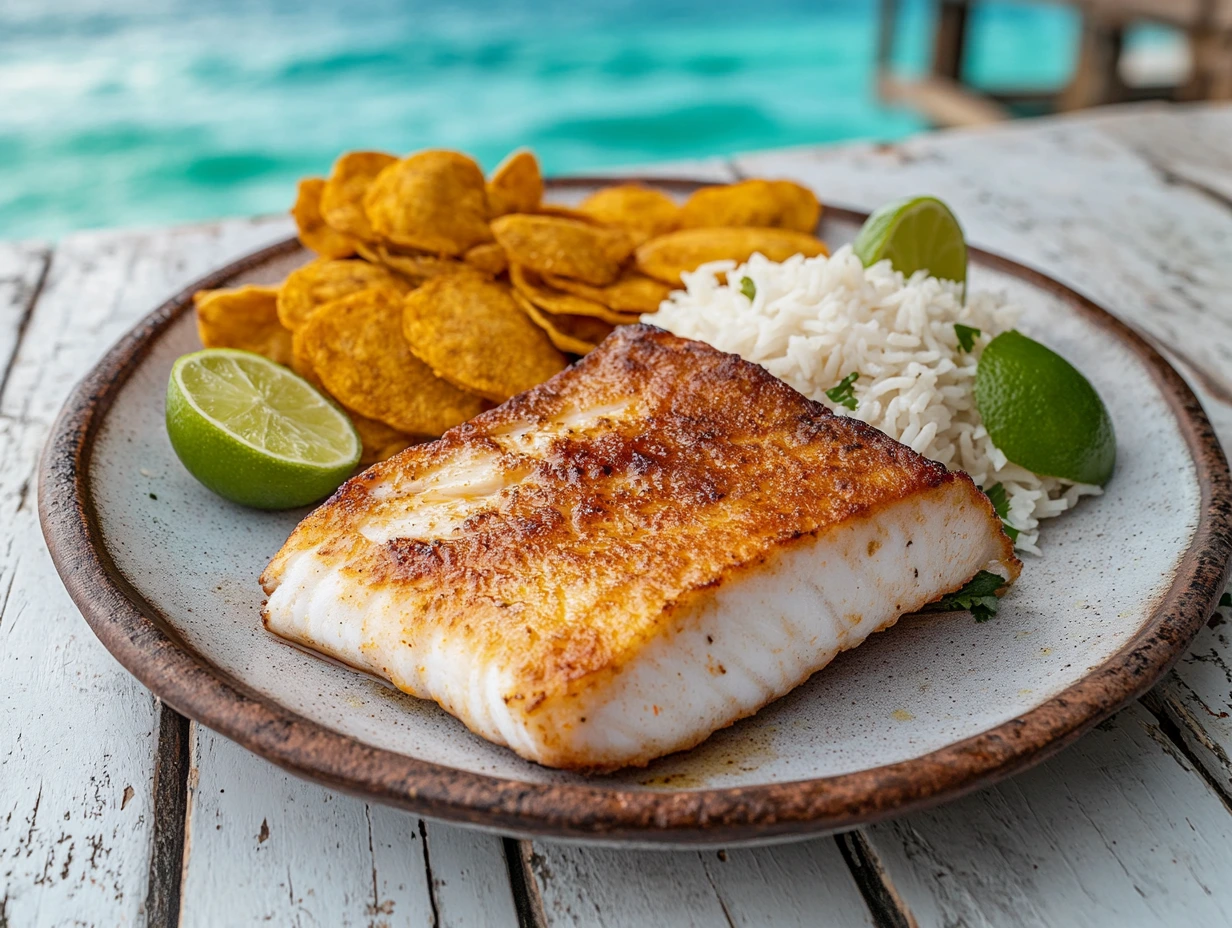
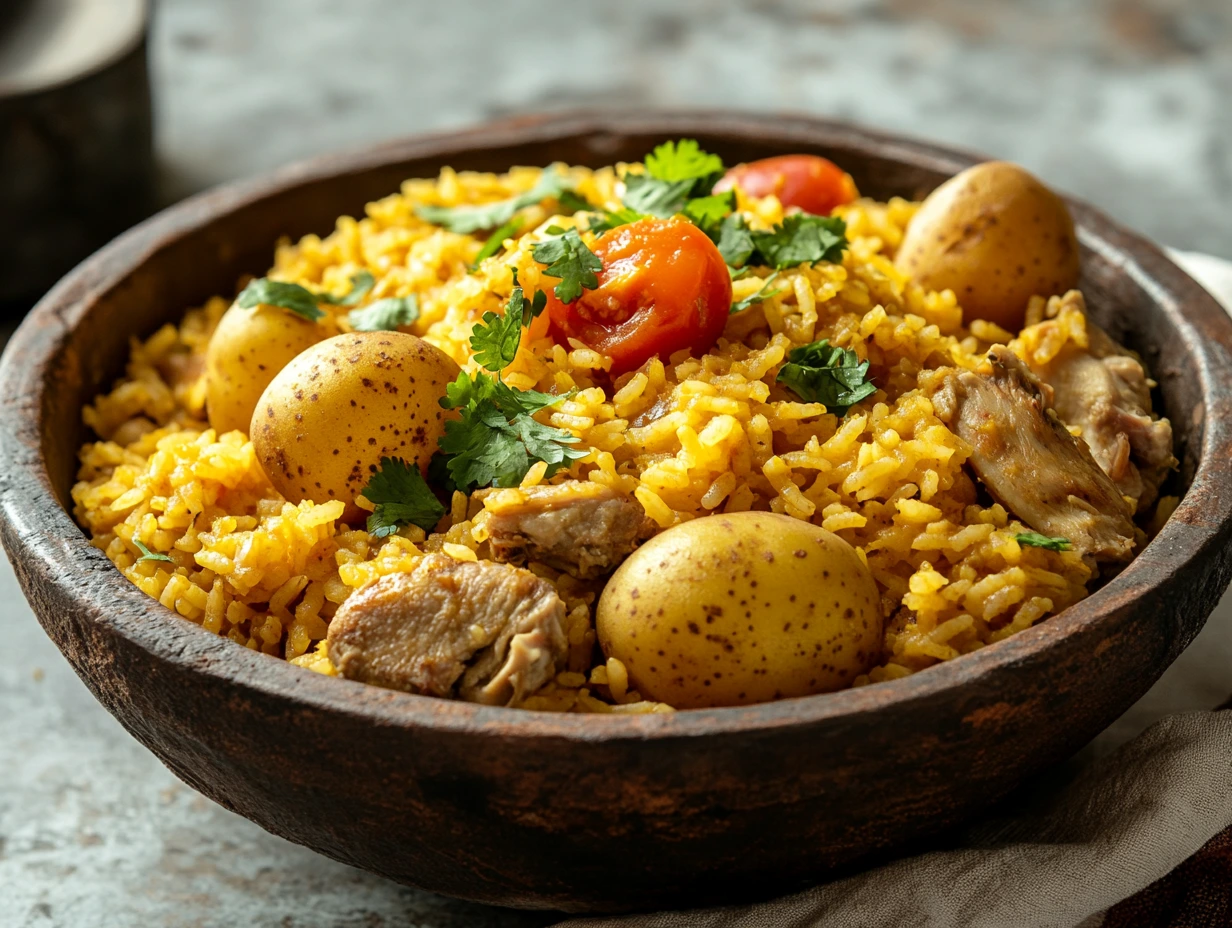
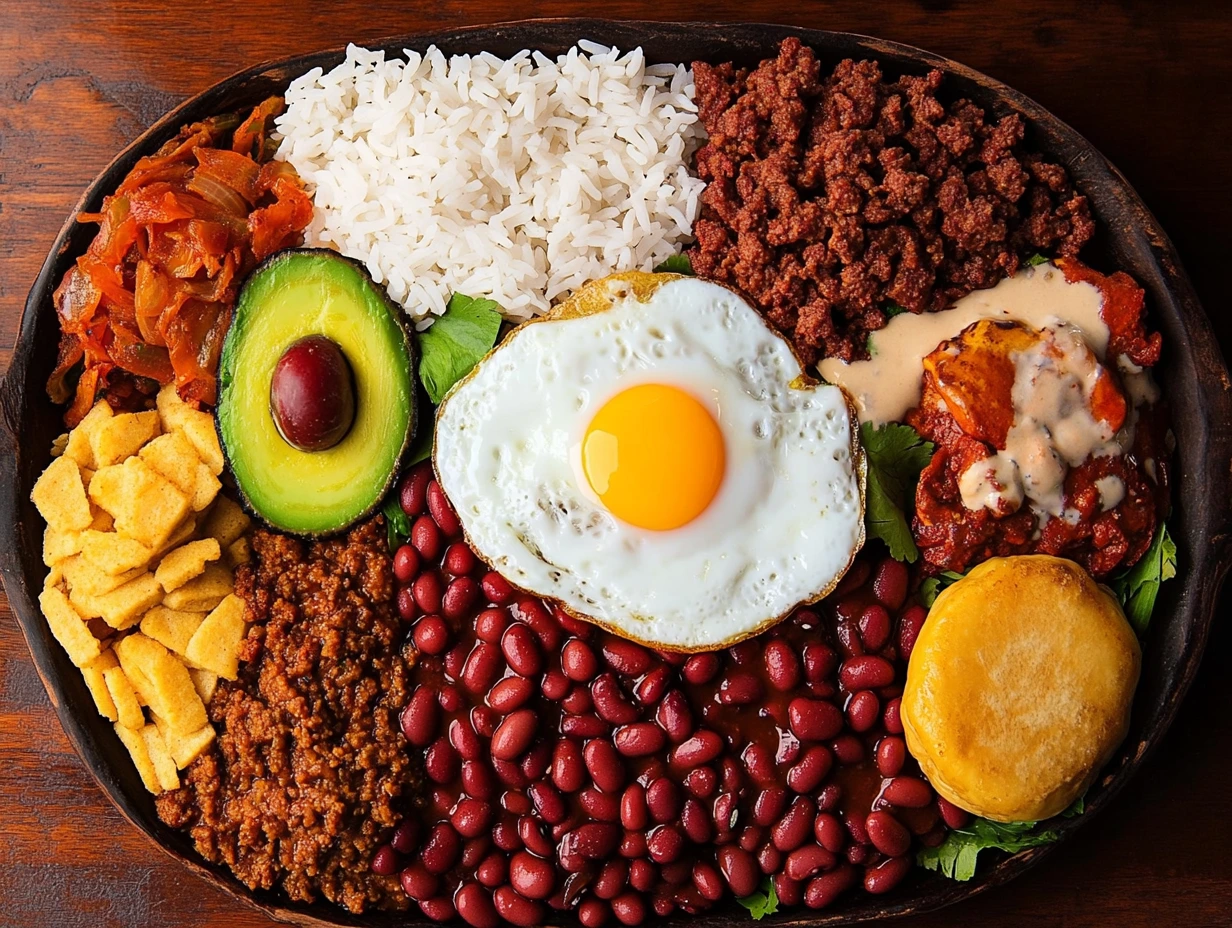
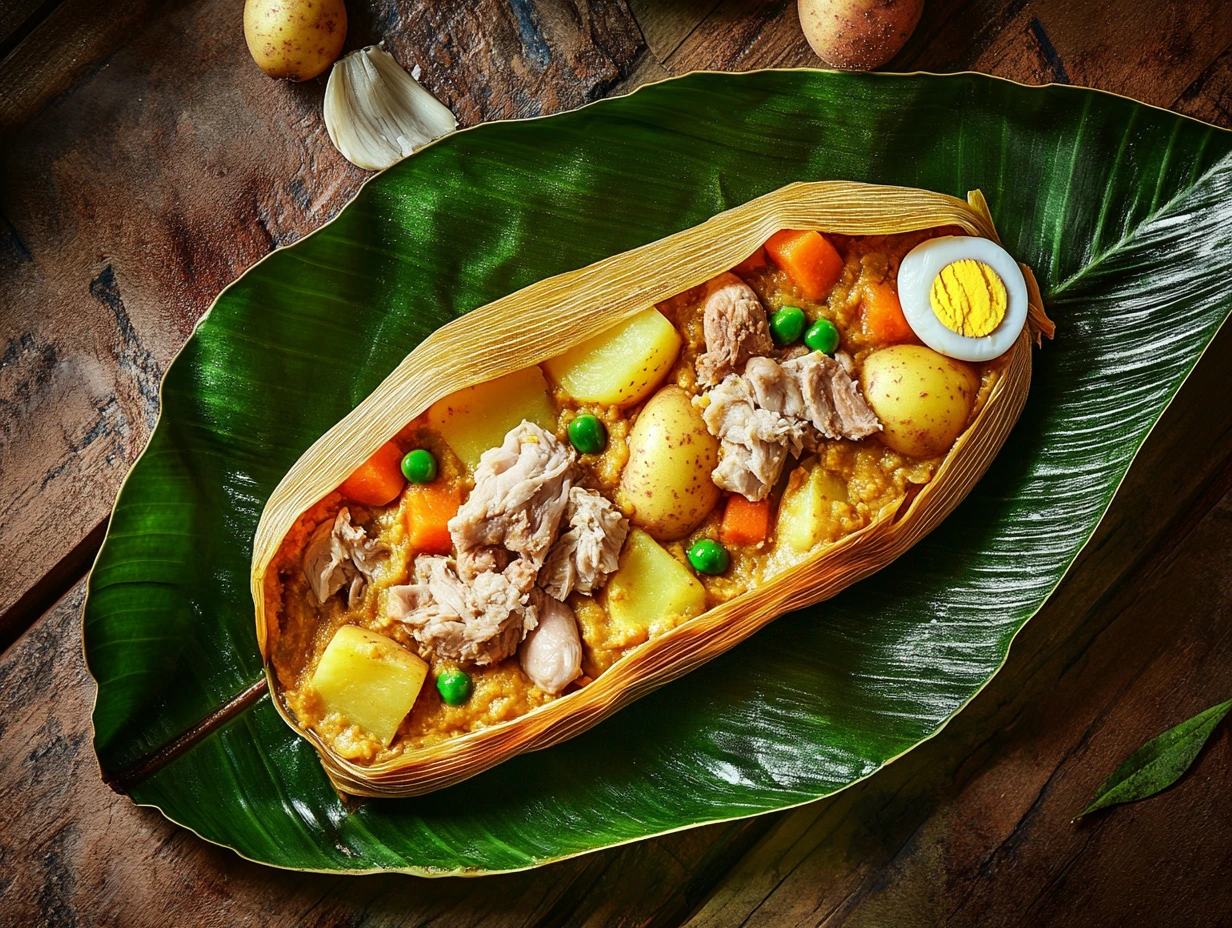
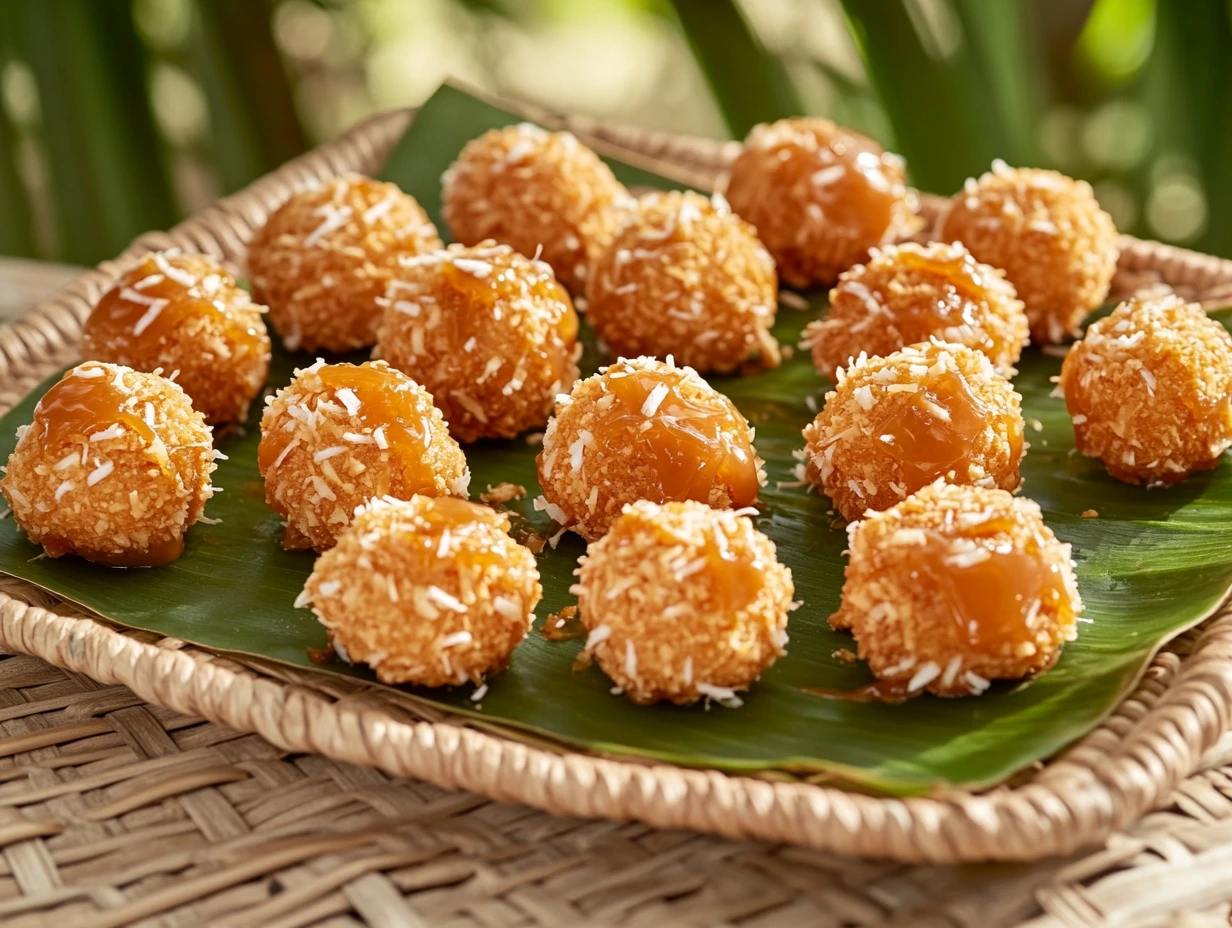
Colombia is famous for arepas, empanadas, bandeja paisa, ajiaco, sancocho, tamales, patacones, lechona, coastal fried fish, coconut rice, tropical fruit, coffee and milk-caramel sweets. The important point is regional ownership: an arepa in Antioquia is not the same food experience as an arepa de choclo, and one national label should not erase those differences.
Regional food story
Bogotá and Cundiboyacense highlands are associated with ajiaco, potatoes and cool-climate soups; Antioquia with beans, maize, pork, arepas and bandeja paisa; the Caribbean coast with coconut rice, fried fish, yuca and sweet-savoury combinations; the Pacific with seafood, coconut and distinctive herbs; Tolima and Huila with tamales and lechona; the Llanos with cattle, open-fire meat and cassava.