
Colombian Main
Tamales Tolimenses
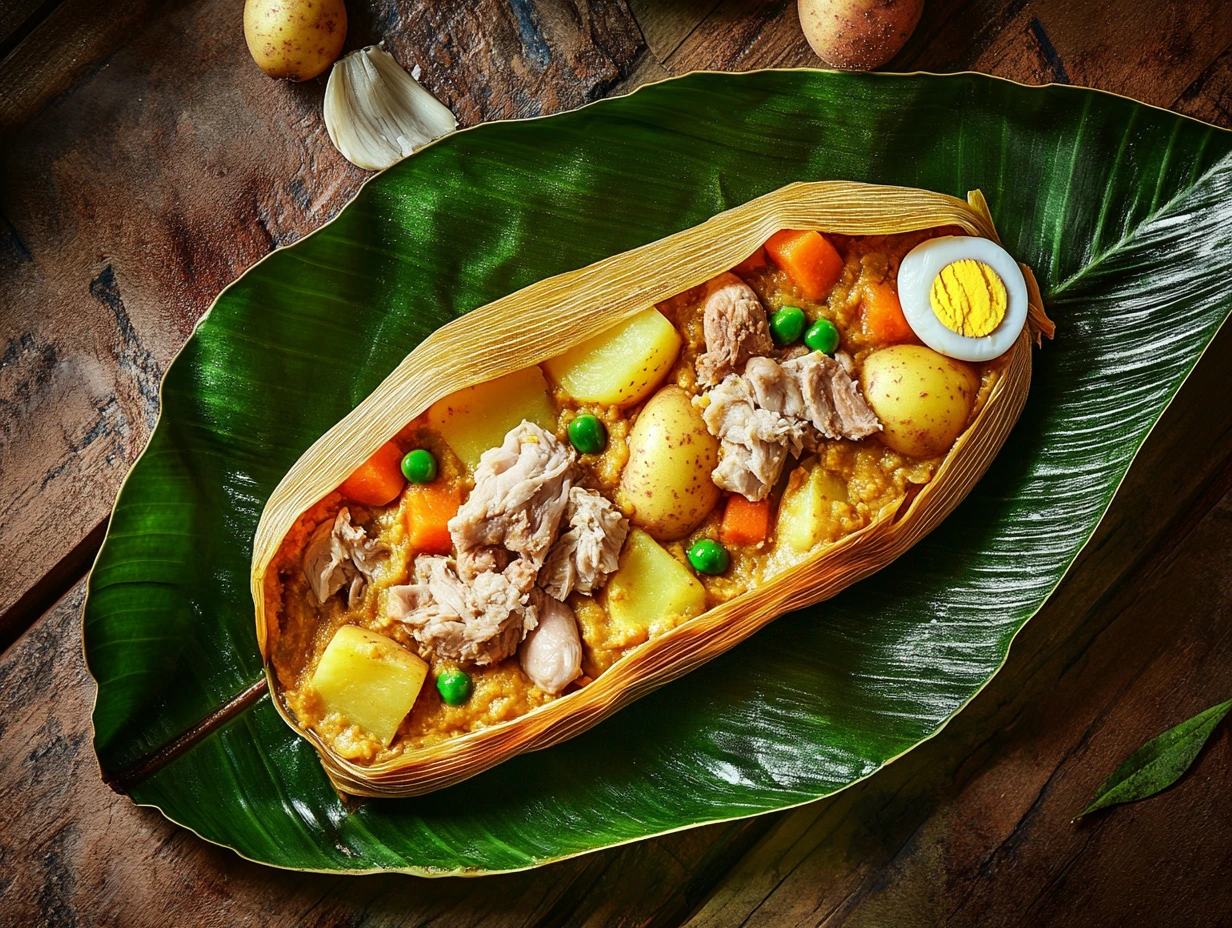
Tamales Tolimenses is large Tolima-style Colombian tamales of seasoned maize dough, pork, chicken, vegetables and egg steamed in banana leaves. This version uses measured ingredients, clear visual cues and the traditional flavour balance that makes the dish distinctive.
1 hr 30 minsPrep time
2 hr 30 minsCook time
Serves 8Servings
HardDifficulty
Nutrition
Estimated nutrition per serving
These figures are estimates per serving. Actual nutrition can vary with the brands and exact amounts you use, how much oil, dressing or sauce is absorbed, any substitutions or added extras, and the portion size served.A practical guide for comparing recipes and planning meals.
760Calories
49gProtein
95gCarbs
24gFat
Ingredients
What you need
- 700 pre-cooked yellow maize flour
- 1000 chicken stock, warm
- 50 annatto oil
- 500 pork shoulder, cut into 8 pieces
- 8 chicken thighs, small, bone-in
- 500 potatoes, sliced
- 250 carrots, sliced
- 180 peas
- 4 boiled eggs, halved
- 150 Spring onions
- 300 tomatoes
- 15 Garlic
- 1.5 ground cumin
- 8 banana leaves, large rectangles, softened
Method
Step-by-step method
Follow the recipe in order, tasting and adjusting seasoning where needed.
- Make a concentrated hogao with spring onions, tomatoes, garlic, cumin and some annatto oil. Divide it: use half to marinate the pork and chicken for at least 30 minutes and reserve half for the dough.
- Mix maize flour with warm stock, remaining annatto oil and reserved hogao until you have a thick spoonable masa. Rest 15 minutes so the flour hydrates fully.
- Pass banana leaves briefly over a gas flame or through hot water until flexible. Wipe clean and overlap pieces if necessary to create eight large wrappers.
- Spoon masa into the centre of each leaf. Add one piece each of pork and chicken, potato, carrot, peas and half a boiled egg, then cover with another spoonful of masa.
- Fold the leaf tightly into a parcel without compressing the filling and tie securely with kitchen string. Arrange parcels upright or layered in a large steamer.
- Steam vigorously for about 2½ hours, checking the water level regularly. Rest 10 minutes before opening; the masa should be firm and cohesive, and both meats must be fully cooked.
Cook smarter
Tips, storage and serving advice
Shopping tips
Ingredient quality
Common mistakes
Chef’s tips
How to know it is cooked
Plating advice
Cook next
View cuisine More Colombian recipes
Keep exploring the country’s food story through related starters, mains and desserts.
Sudado de Pollo
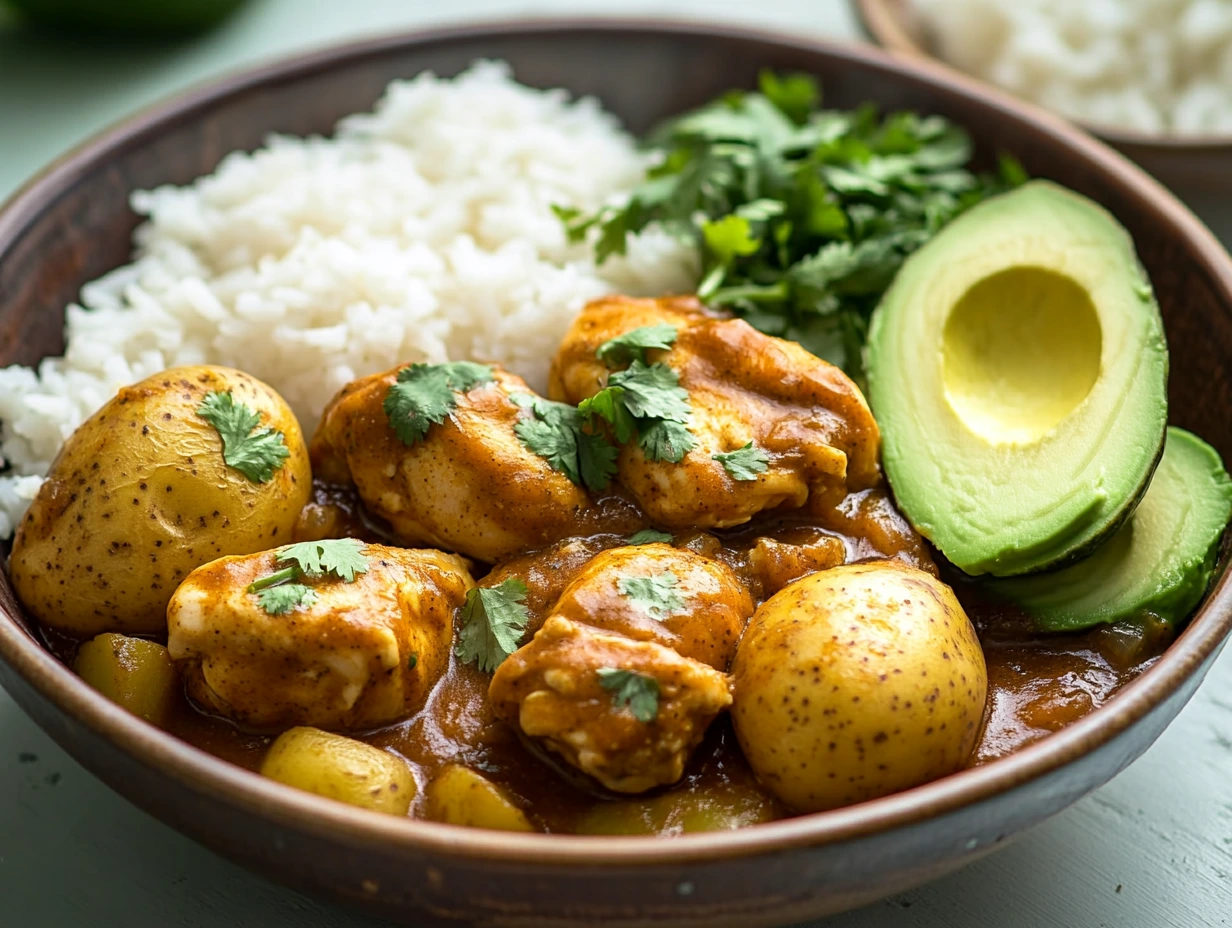
Sudado de Pollo is a Colombian home-style chicken stew gently braised with potatoes, tomato, onion…
Pescado Frito con Arroz de Coco
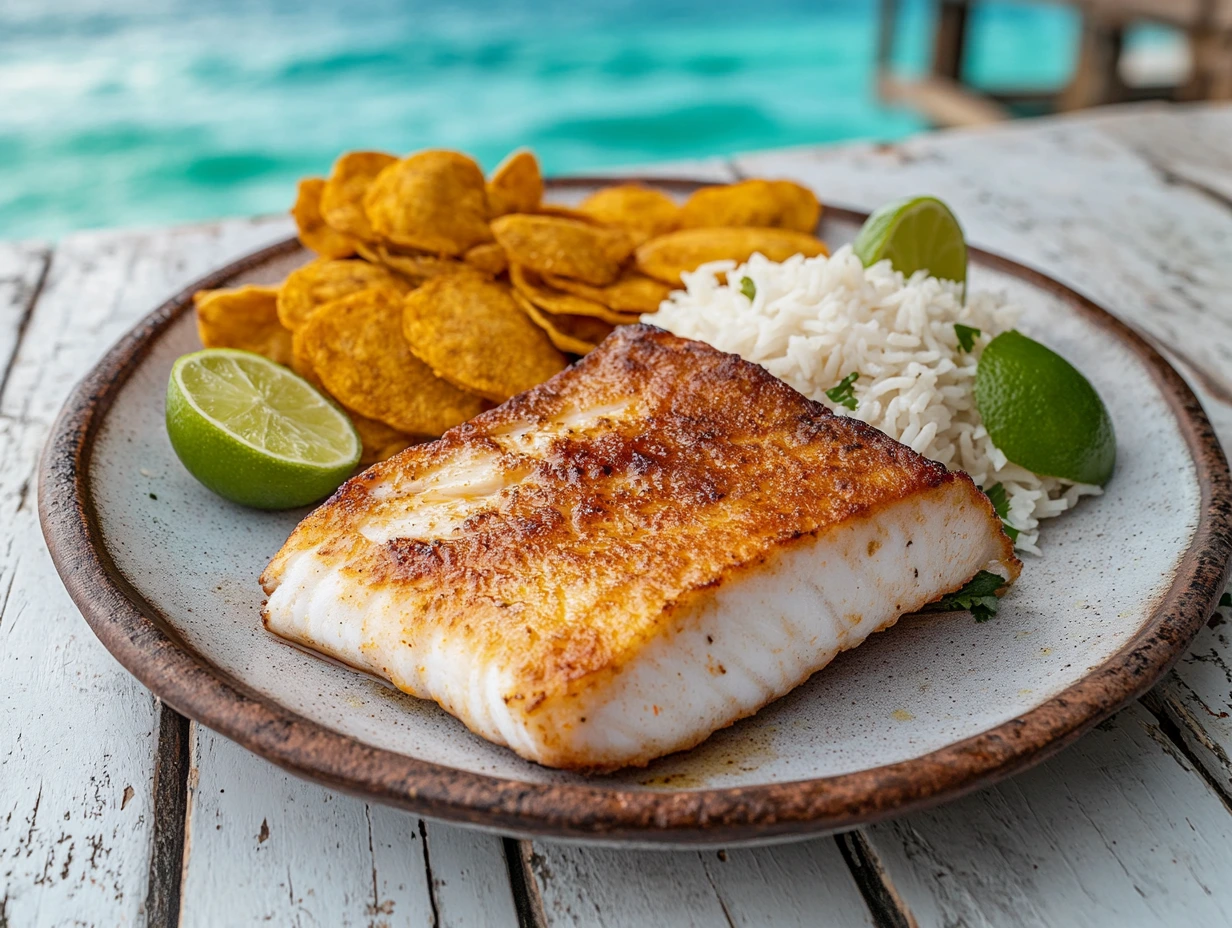
Pescado Frito con Arroz de Coco is whole Colombian Caribbean fried fish served with slightly sweet…
Arroz Atollado
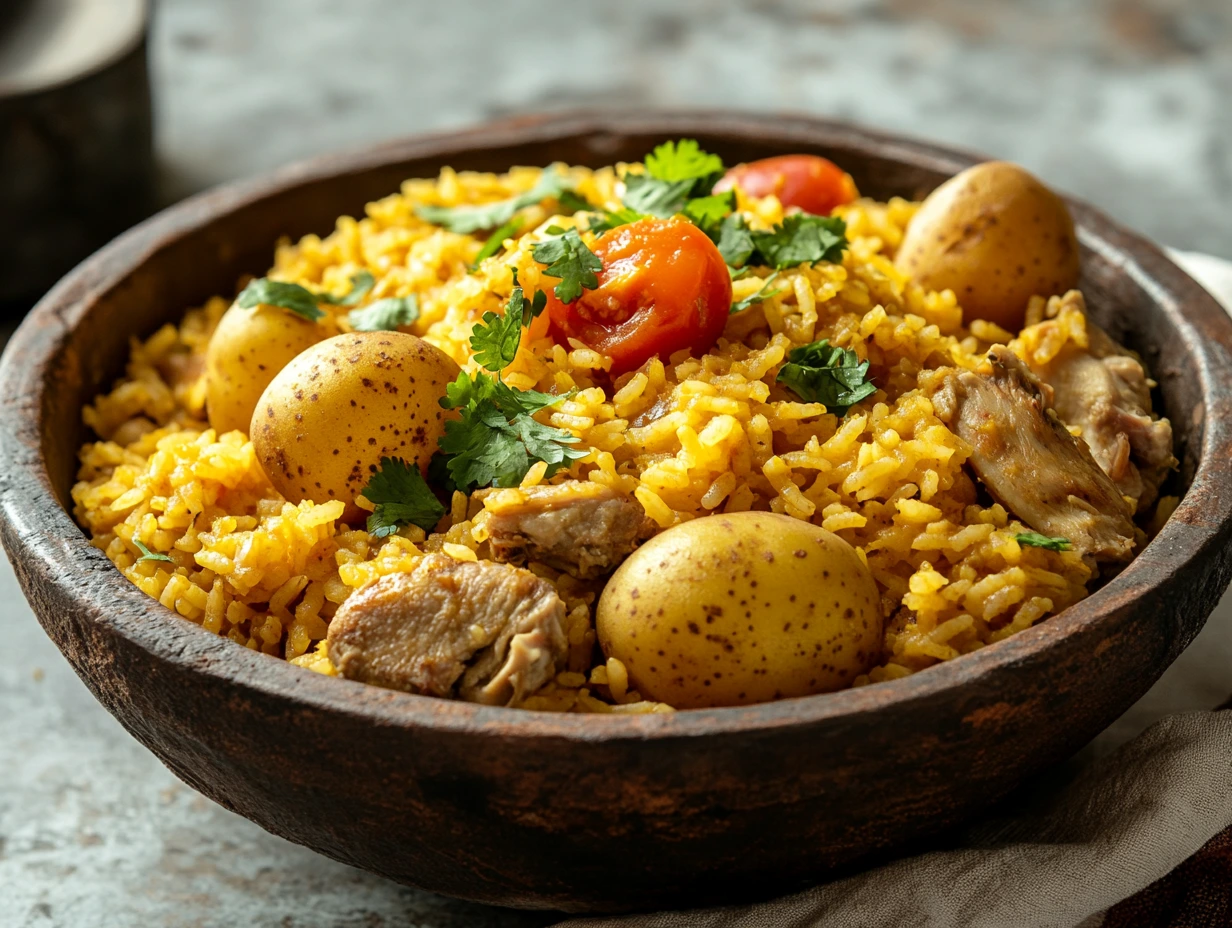
Arroz Atollado is a creamy, loose rice dish from Valle del Cauca with pork, chicken, potato, tomato…
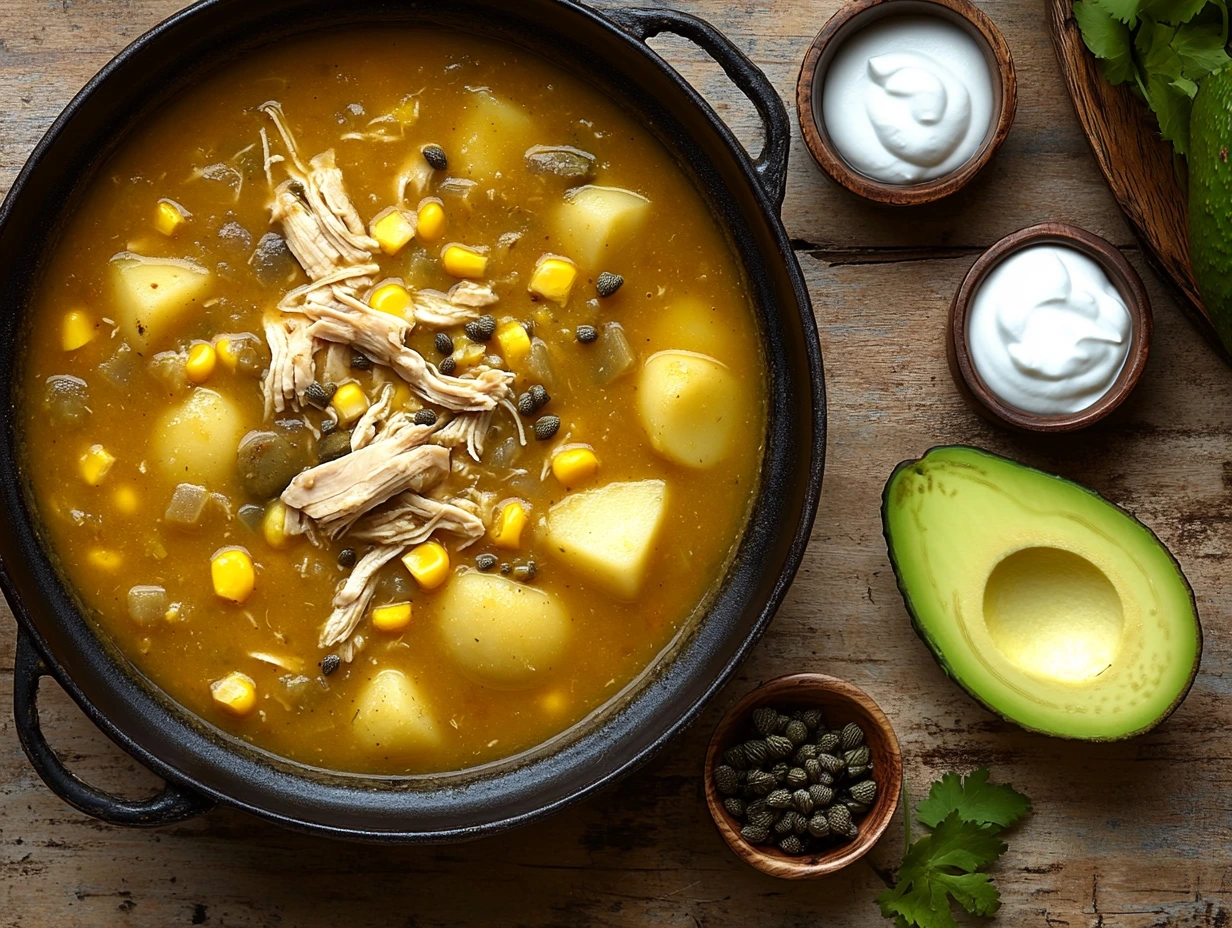
Ajiaco Santafereño
Ajiaco Santafereño is Bogotá’s chicken and three-potato soup thickened naturally by papas criollas…