
Colombian Main
Pescado Frito con Arroz de Coco
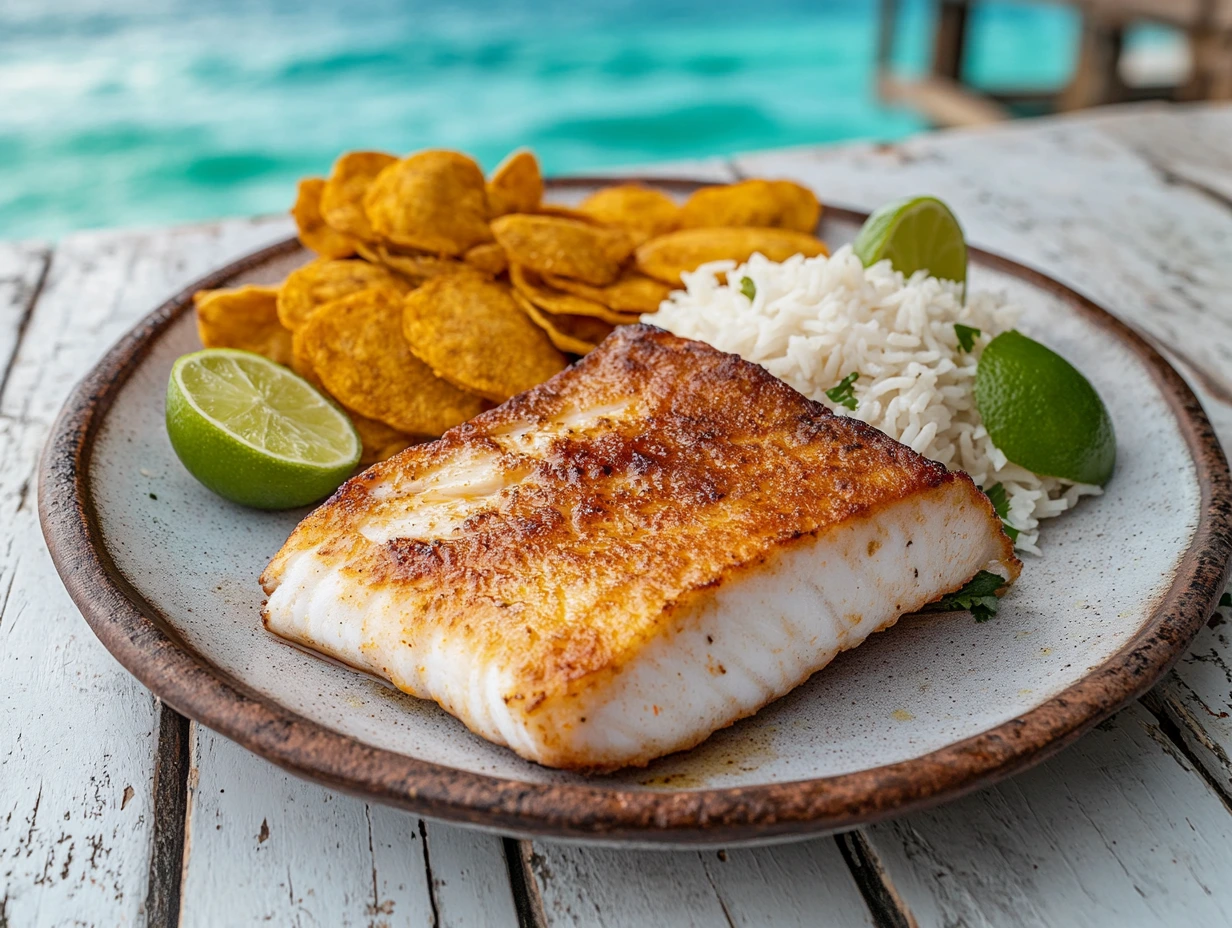
Pescado Frito con Arroz de Coco is whole Colombian Caribbean fried fish served with slightly sweet coconut rice, patacones and lime. This version uses measured ingredients, clear visual cues and the traditional flavour balance that makes the dish distinctive.
30 minsPrep time
40 minsCook time
Serves 4Servings
MediumDifficulty
Nutrition
Estimated nutrition per serving
These figures are estimates per serving. Actual nutrition can vary with the brands and exact amounts you use, how much oil, dressing or sauce is absorbed, any substitutions or added extras, and the portion size served.A practical guide for comparing recipes and planning meals.
780Calories
46gProtein
86gCarbs
29gFat
Ingredients
What you need
- 4 whole red snapper or sea bream, 450–550 g each, scaled and gutted
- 3 limes
- 15 Garlic, crushed
- 2 fine salt
- 80 plain flour, for light dusting
- 1500 neutral frying oil
- 400 coconut milk
- 300 long-grain rice
- 300 water
- 25 panela or brown sugar
- 50 Raisins, optional
- 2 green plantains, for patacones
Method
Step-by-step method
Follow the recipe in order, tasting and adjusting seasoning where needed.
- Score each fish deeply on both sides, rub with lime juice, garlic and salt and rest 15 minutes. Pat the skin very dry before dusting lightly with flour, including inside the scores.
- For the rice, simmer coconut milk in a wide saucepan until some coconut solids separate and begin to caramelise lightly. Stir in panela, then add rice, water, salt and optional raisins. Cover and cook gently until the rice is tender.
- Prepare patacones using the two-stage fry: first fry plantain chunks until tender, flatten them, then fry again until crisp. Keep warm on a rack.
- Heat clean frying oil to 175°C in a vessel large enough for one fish. Lower a fish carefully and fry 7–9 minutes depending on size, turning once, until the skin is deeply crisp and the flesh opaque at the bone.
- Drain the fish upright briefly so oil leaves the cavity and scored sections. Repeat with the remaining fish, allowing the oil to return to temperature each time.
- Serve one whole fish per person with coconut rice, patacones and lime wedges. Eat immediately while the skin is audibly crisp.
Cook smarter
Tips, storage and serving advice
Shopping tips
Ingredient quality
Common mistakes
Chef’s tips
How to know it is cooked
Plating advice
Cook next
View cuisine More Colombian recipes
Keep exploring the country’s food story through related starters, mains and desserts.
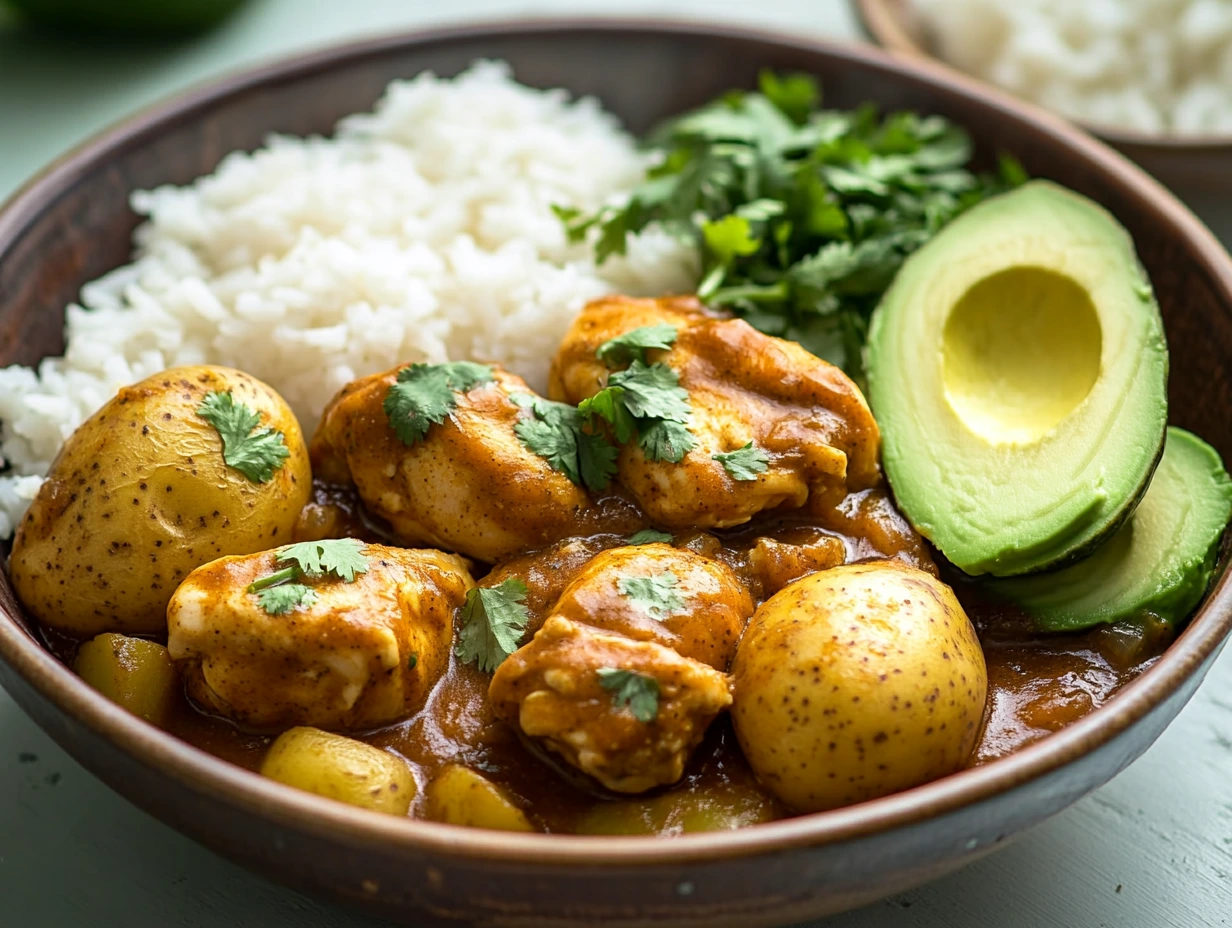
Sudado de Pollo
Sudado de Pollo is a Colombian home-style chicken stew gently braised with potatoes, tomato, onion…
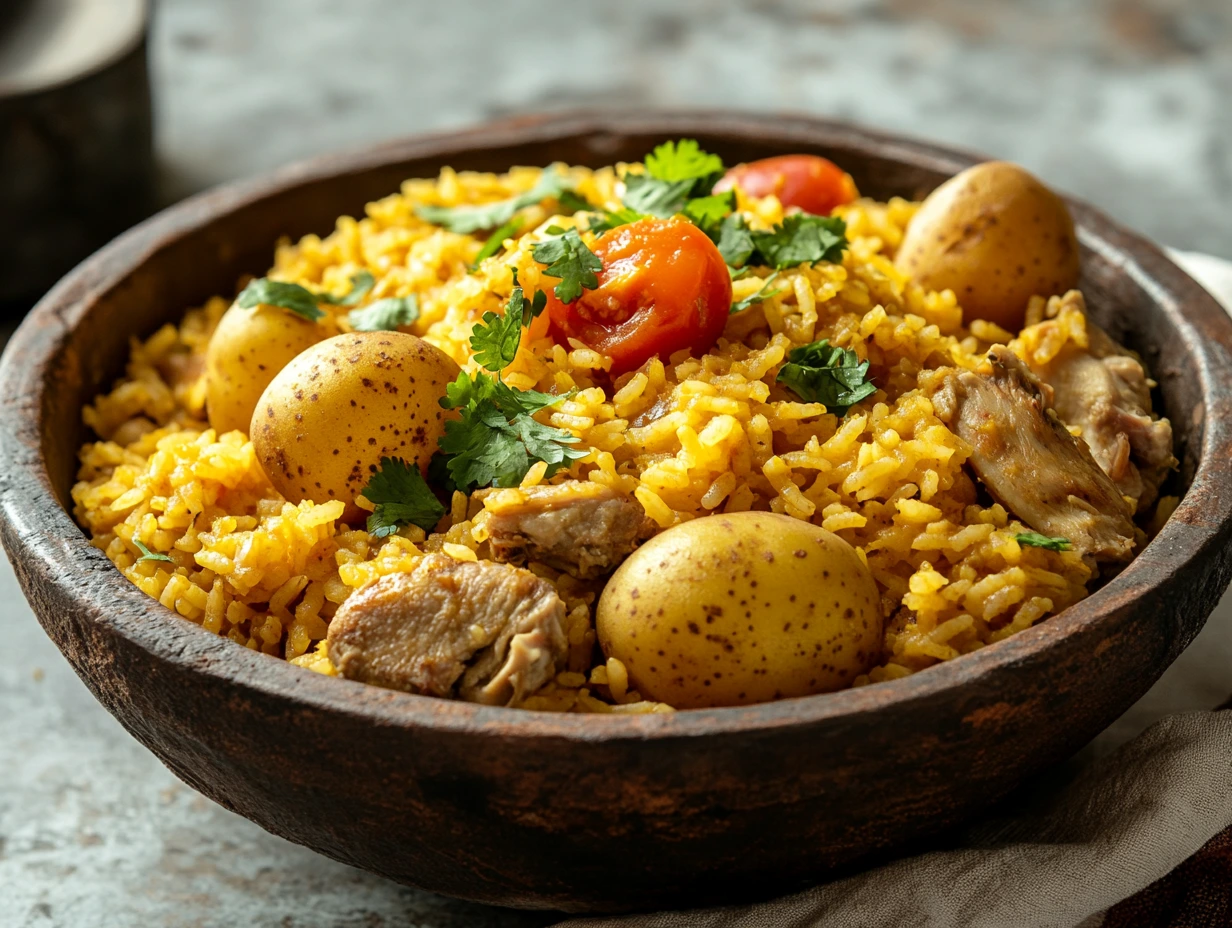
Arroz Atollado
Arroz Atollado is a creamy, loose rice dish from Valle del Cauca with pork, chicken, potato, tomato…
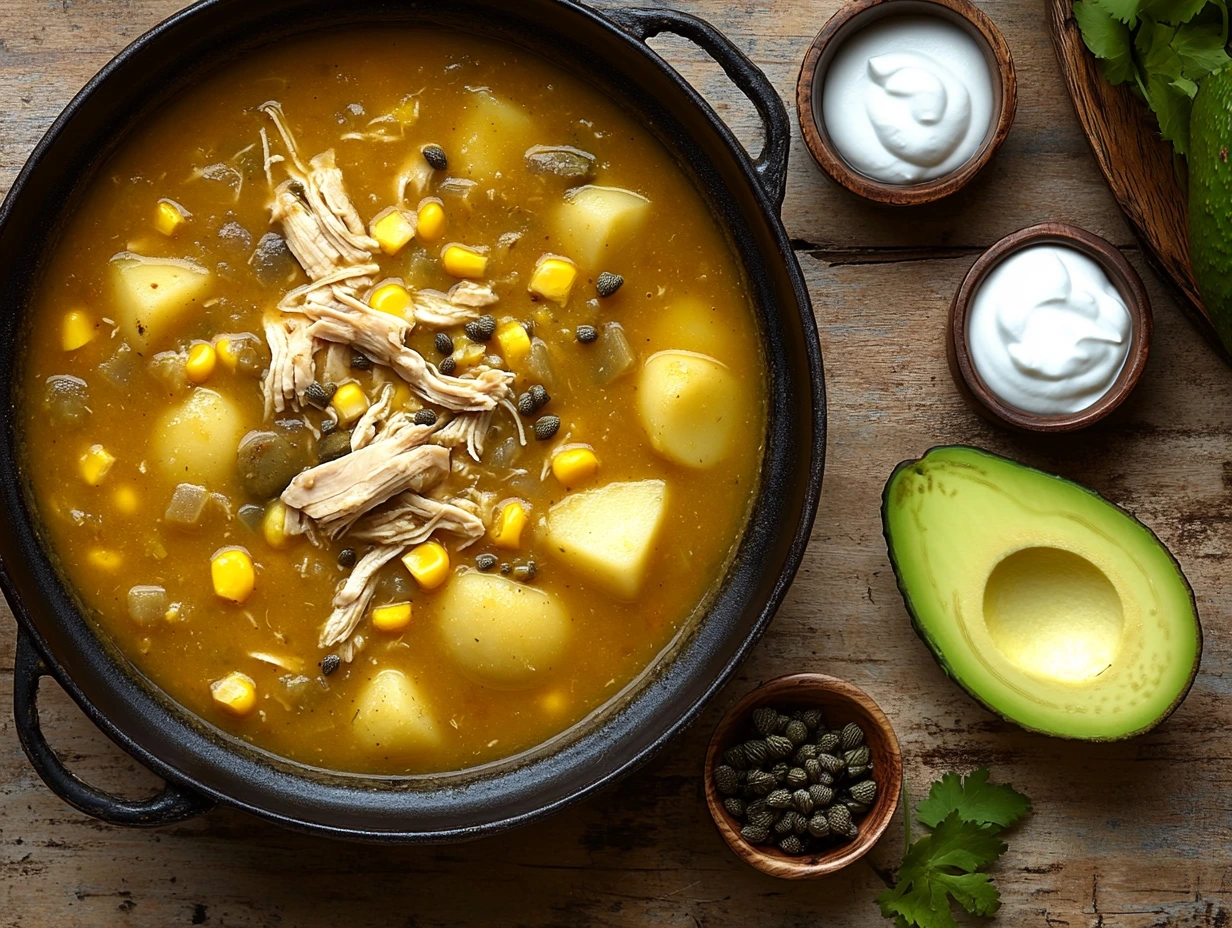
Ajiaco Santafereño
Ajiaco Santafereño is Bogotá’s chicken and three-potato soup thickened naturally by papas criollas…
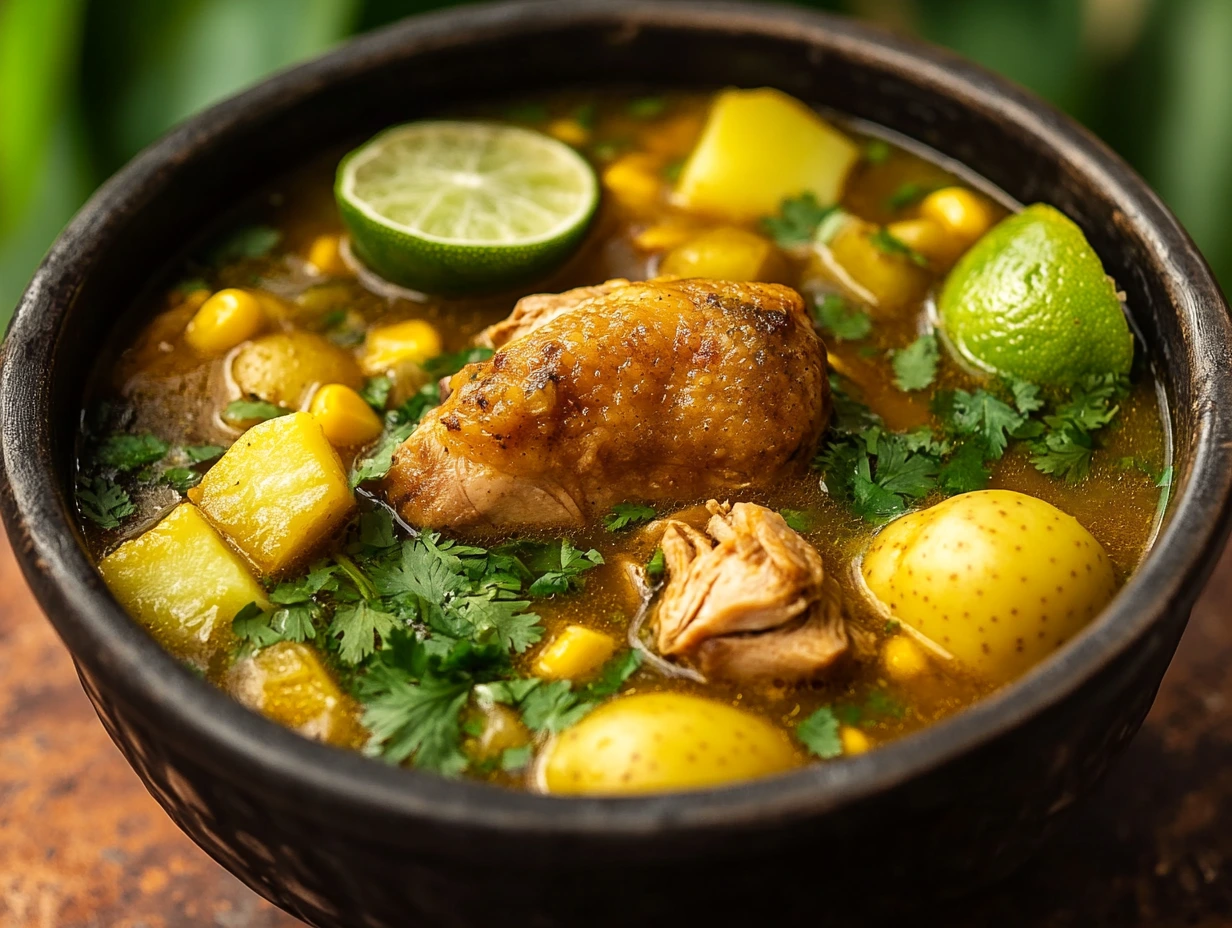
Sancocho de Gallina
Sancocho de Gallina is a substantial Colombian chicken soup with yuca, green plantain, corn and pot…