
Colombian Dessert
Postre de Natas
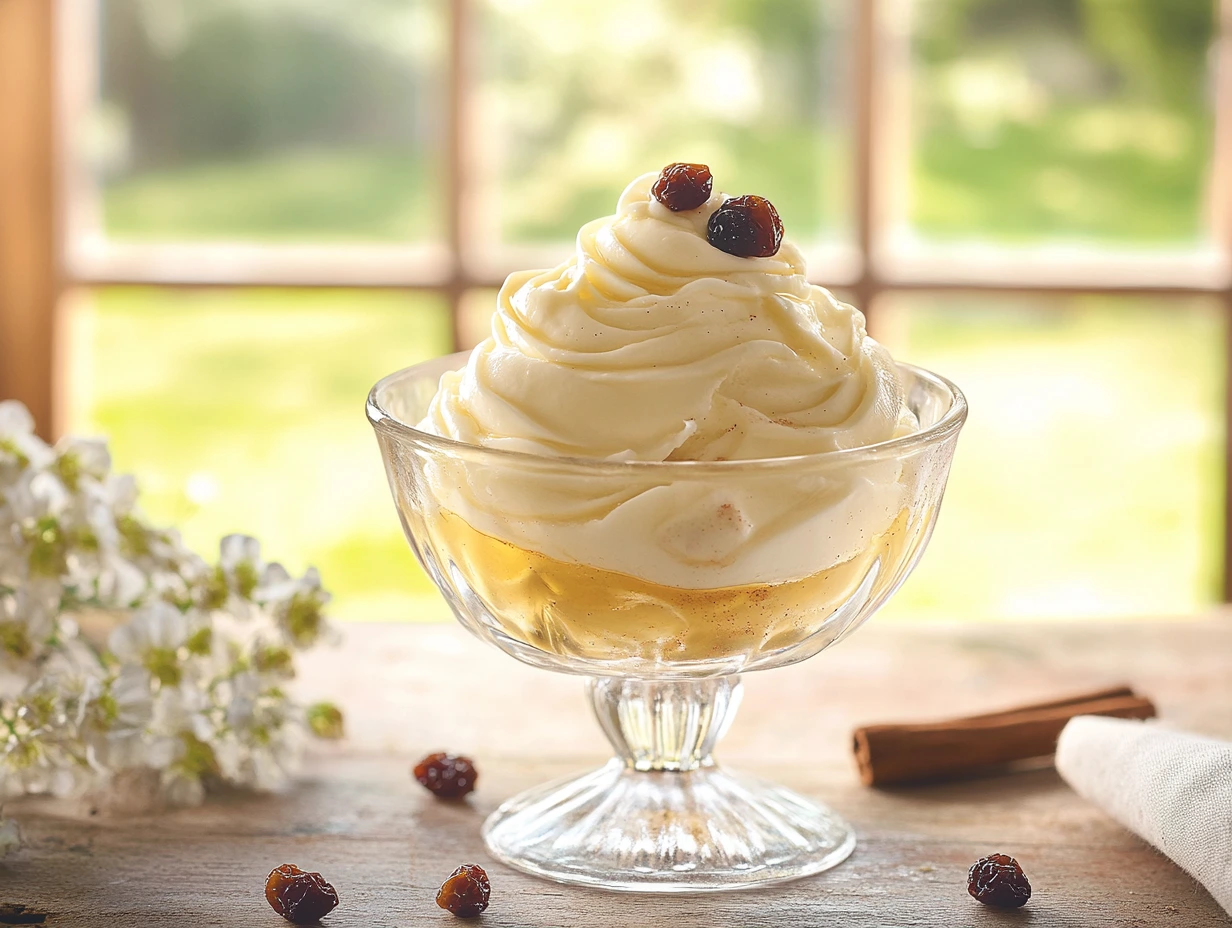
Postre de Natas is an old Colombian milk dessert made by repeatedly collecting delicate cream skins and folding them into a light syrup. This version uses measured ingredients, clear visual cues and the traditional flavour balance that makes the dish distinctive.
20 minsPrep time
2 hrCook time
Serves 8Servings
HardDifficulty
Nutrition
Estimated nutrition per serving
These figures are estimates per serving. Actual nutrition can vary with the brands and exact amounts you use, how much oil, dressing or sauce is absorbed, any substitutions or added extras, and the portion size served.A practical guide for comparing recipes and planning meals.
330Calories
8gProtein
48gCarbs
12gFat
Ingredients
What you need
- 3000 whole milk, preferably non-homogenised
- 300 caster sugar
- 200 water
- 4 egg yolks
- 1 vanilla
- 60 Raisins, optional
- 1 cinnamon stick
Method
Step-by-step method
Follow the recipe in order, tasting and adjusting seasoning where needed.
- Pour 1 litre milk into the widest saucepan you have and bring very slowly just to a simmer. Lower the heat until the surface is almost still and a skin begins forming.
- As each thick milk skin forms, lift it gently with a slotted spoon onto a tray. Add more milk to the pan in stages and repeat. Patience matters: stirring prevents the natas from forming.
- Simmer sugar, water and cinnamon for 8 minutes to make a light syrup. Remove cinnamon.
- Whisk yolks in a bowl. Temper with a ladle of warm syrup, then whisk the yolk mixture back into the pan over low heat until very lightly thickened; do not boil.
- Fold the collected milk skins into the syrup with vanilla and optional raisins, preserving their soft folds rather than breaking them into paste.
- Cool completely, then chill for several hours. Serve small portions because the flavour is delicate but rich.
Cook smarter
Tips, storage and serving advice
Shopping tips
Ingredient quality
Common mistakes
Chef’s tips
How to know it is cooked
Plating advice
Cook next
View cuisine More Colombian recipes
Keep exploring the country’s food story through related starters, mains and desserts.
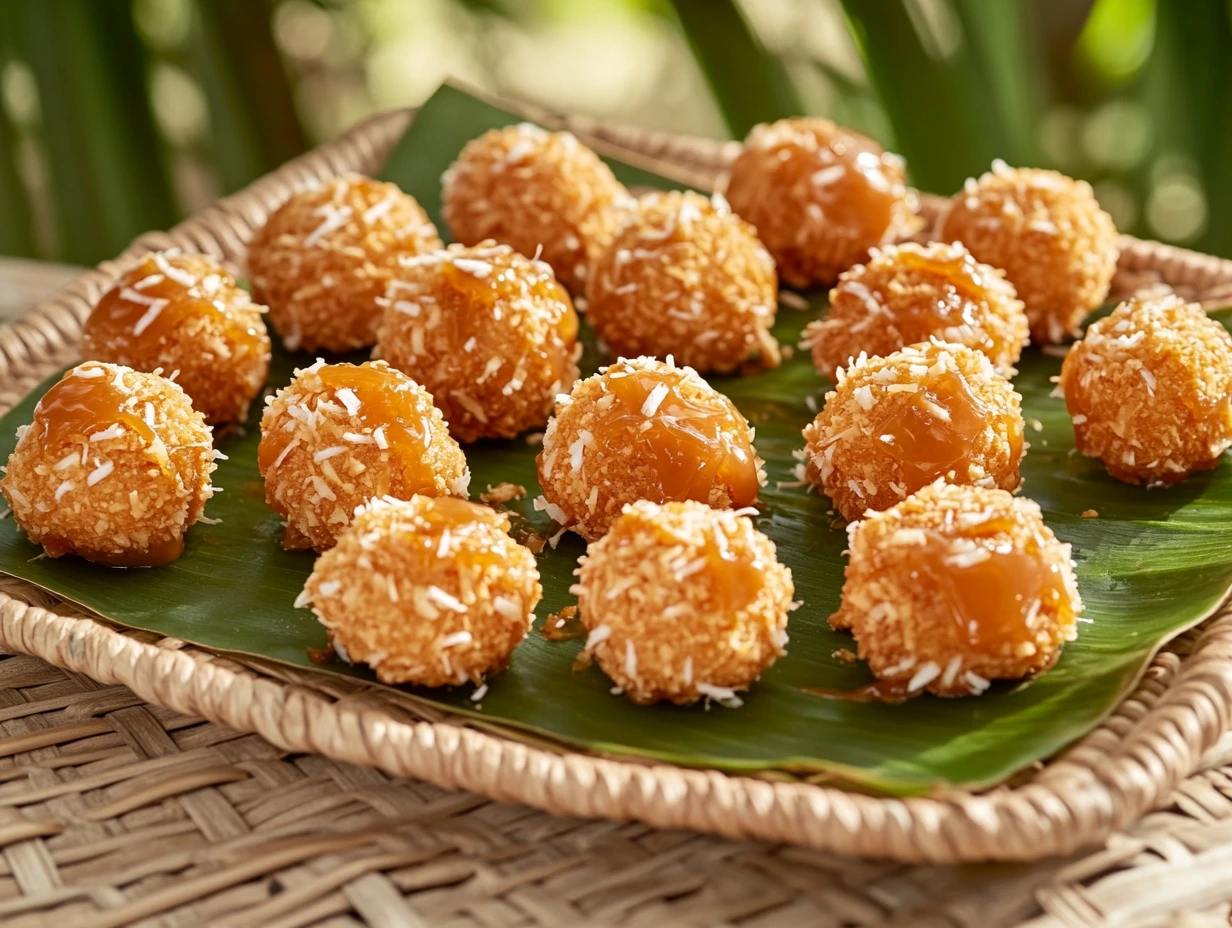
Cocadas
Cocadas is chewy Colombian coconut sweets cooked with panela and milk until caramelised, then spoon…
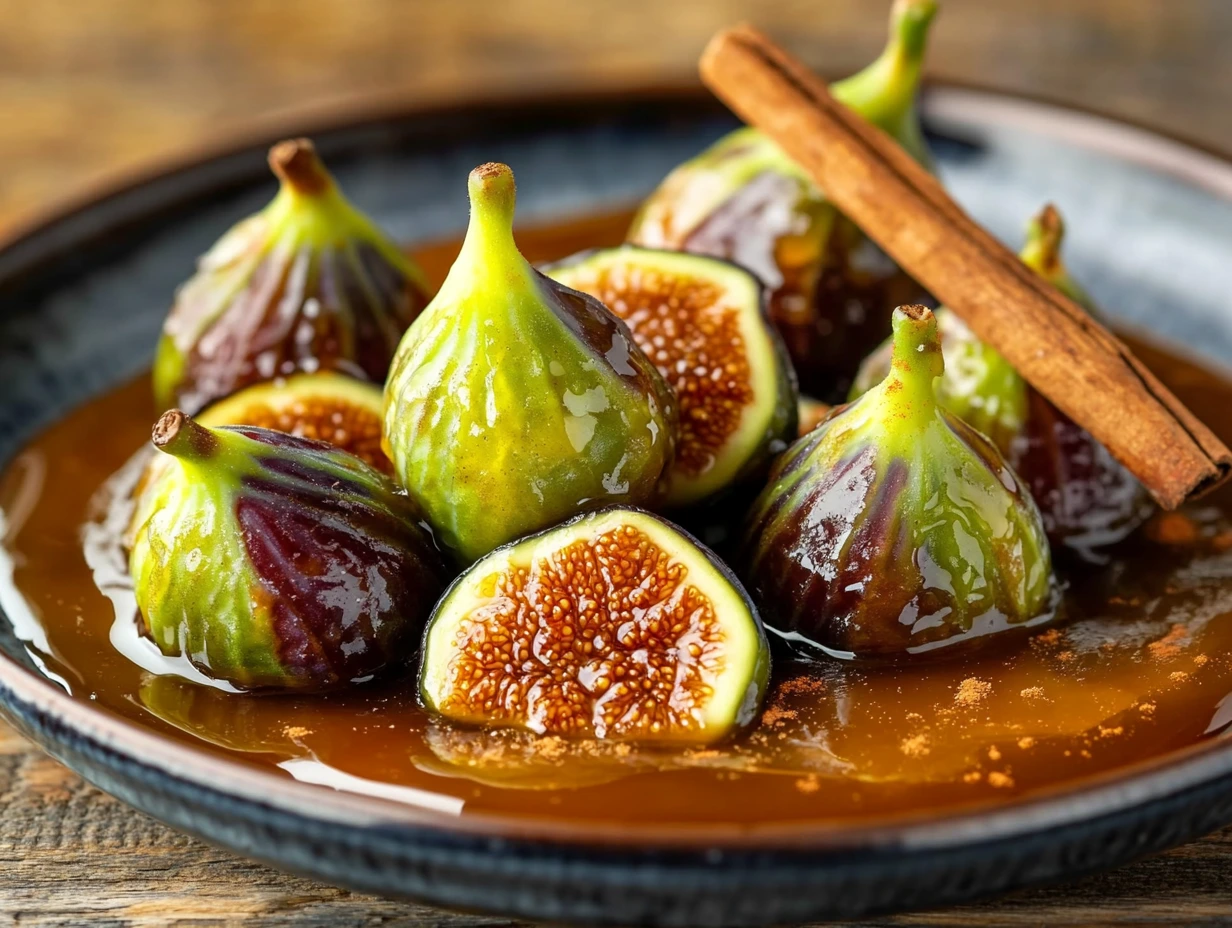
Brevas con Arequipe
Brevas con Arequipe is green figs simmered until tender in panela syrup and served with thick Colom…
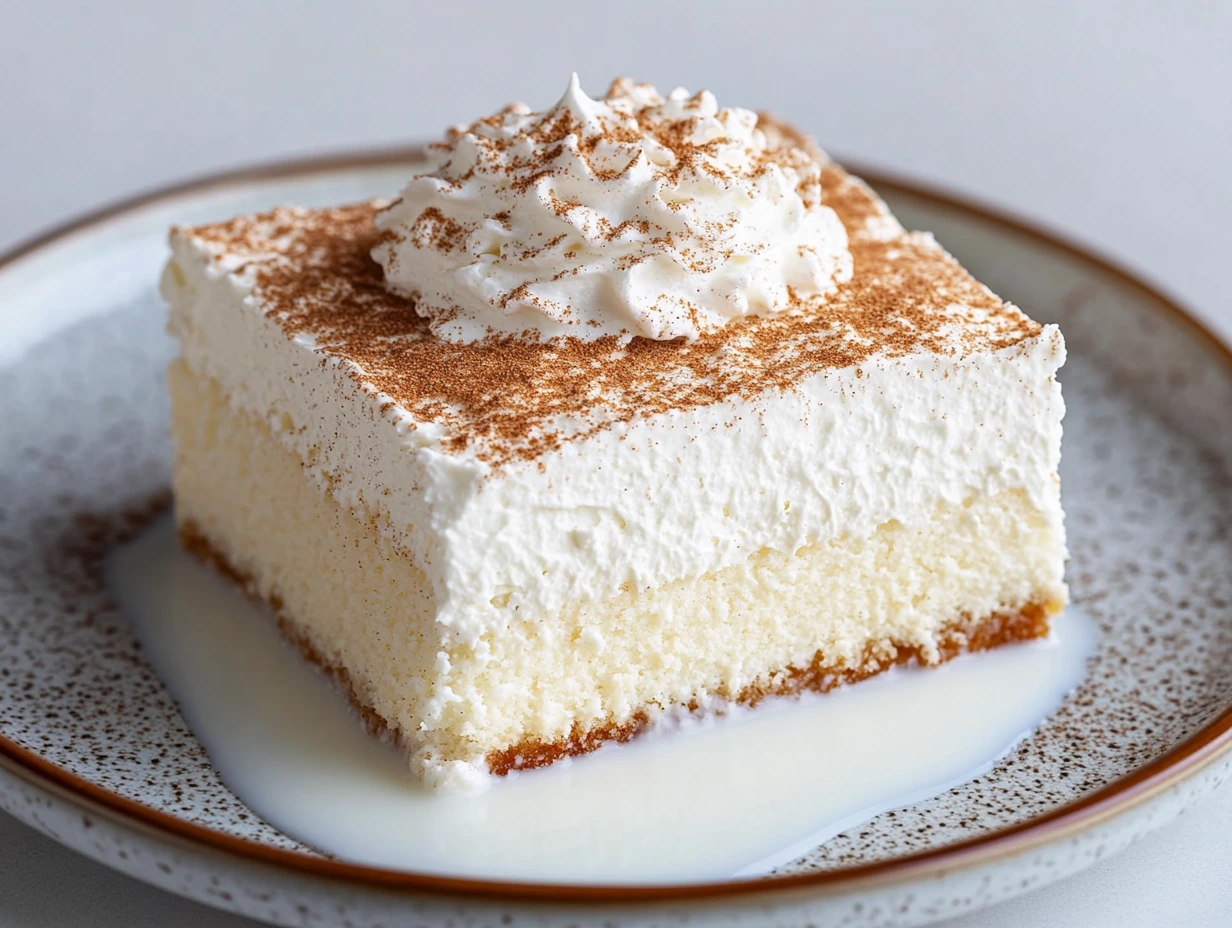
Torta de Tres Leches
Torta de Tres Leches is a light Colombian-style sponge saturated with three milks and finished with…
Arepas de Choclo
Arepas de Choclo is sweet Colombian fresh-corn arepas griddled with butter and stuffed with melting…