Why Chilean cuisine is worth exploring
Chilean cuisine was shaped by Indigenous Mapuche and Andean food traditions, Spanish colonisation, Pacific fishing and later European migration. The country's extraordinary length creates cuisines that change from desert to fertile central valleys, Patagonia and remote islands.
Why it is famous
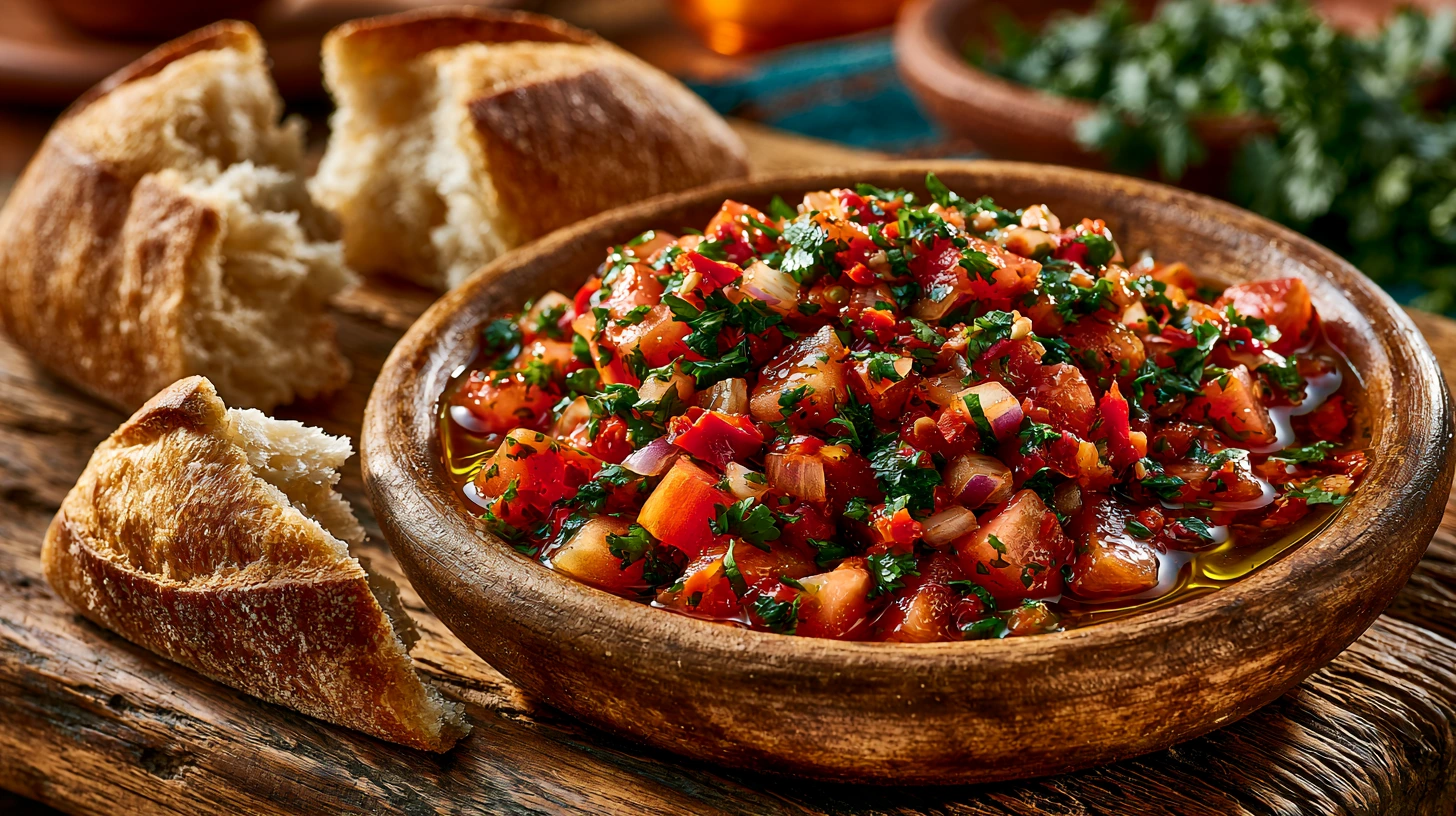
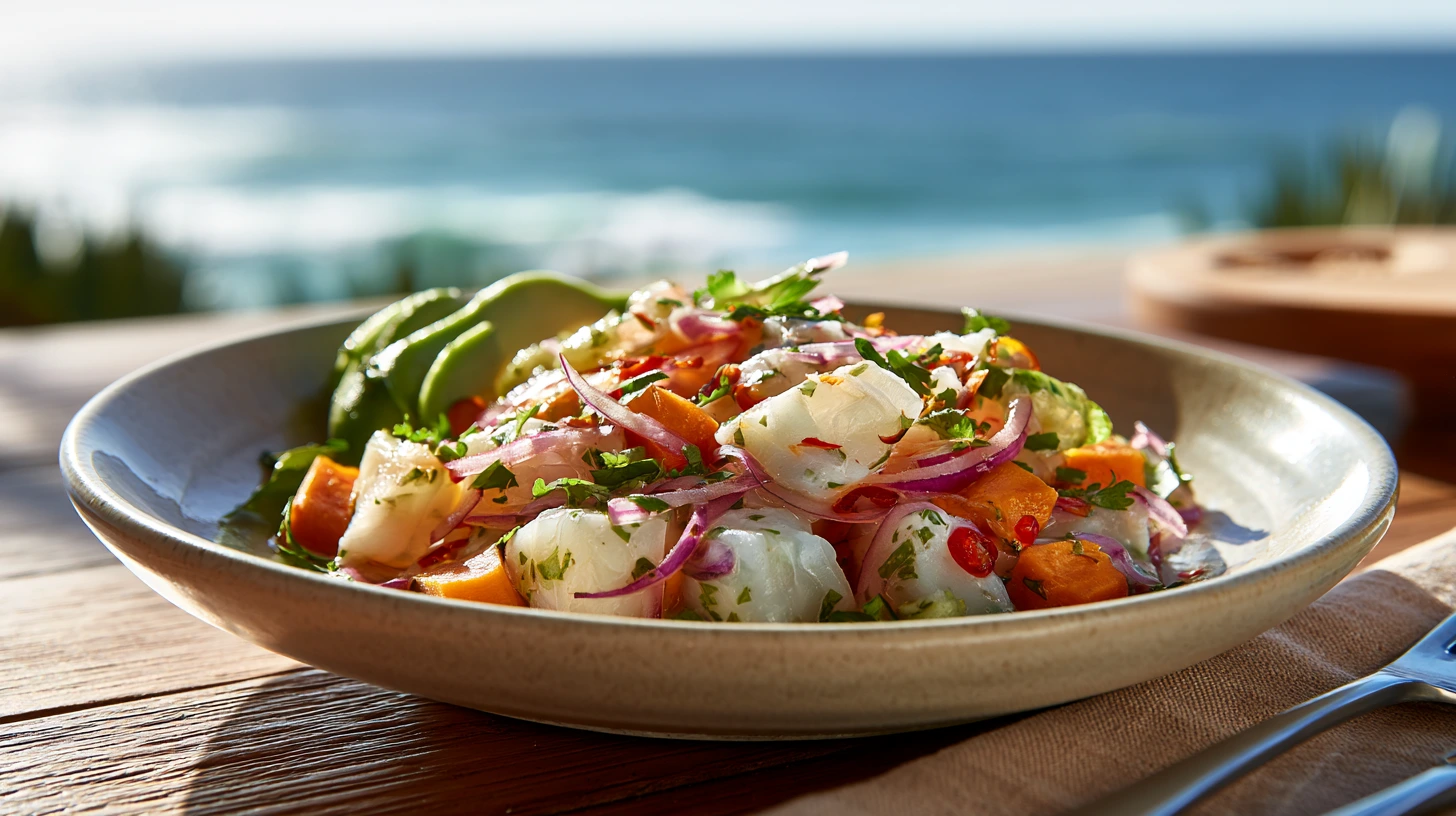
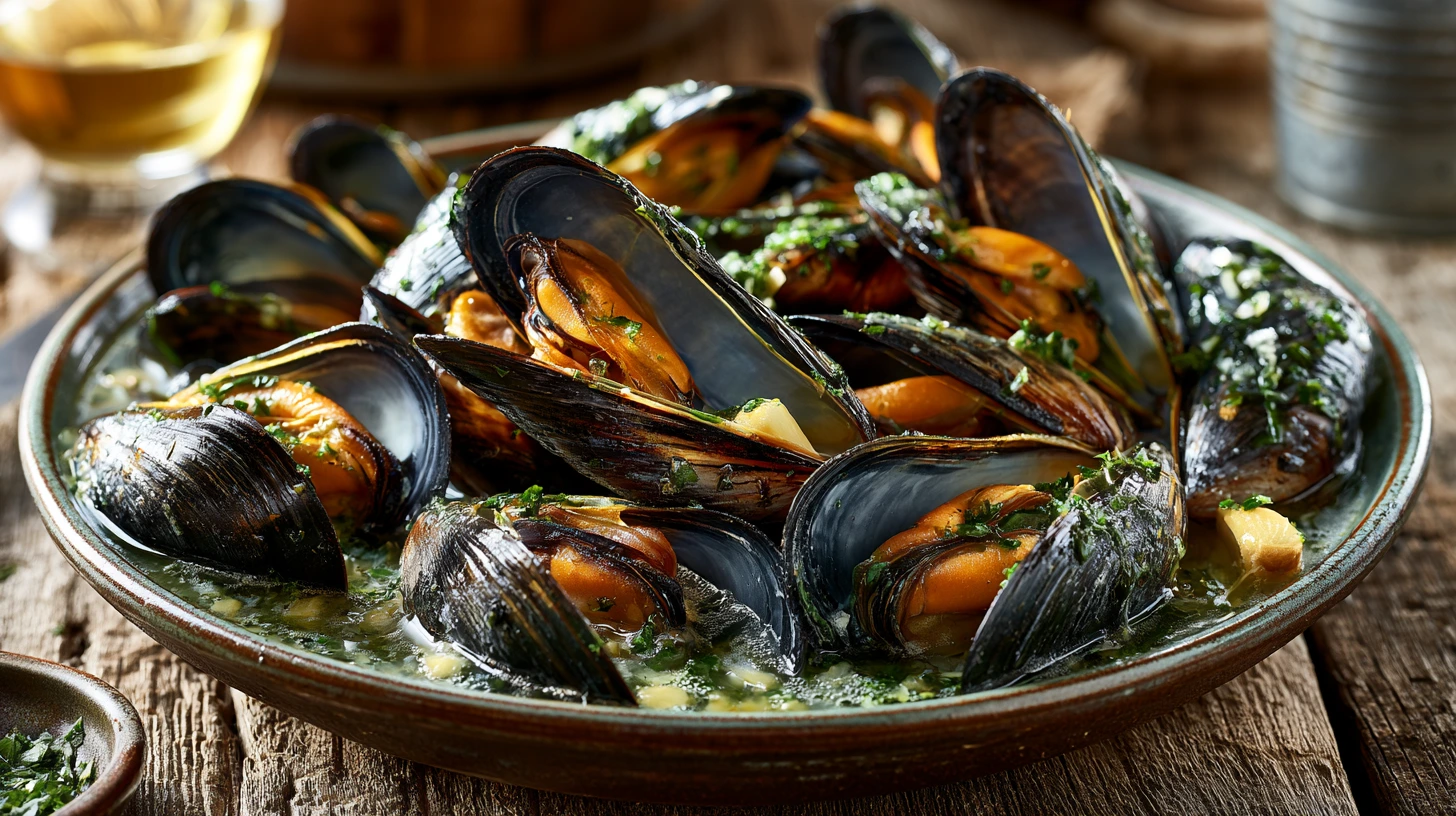
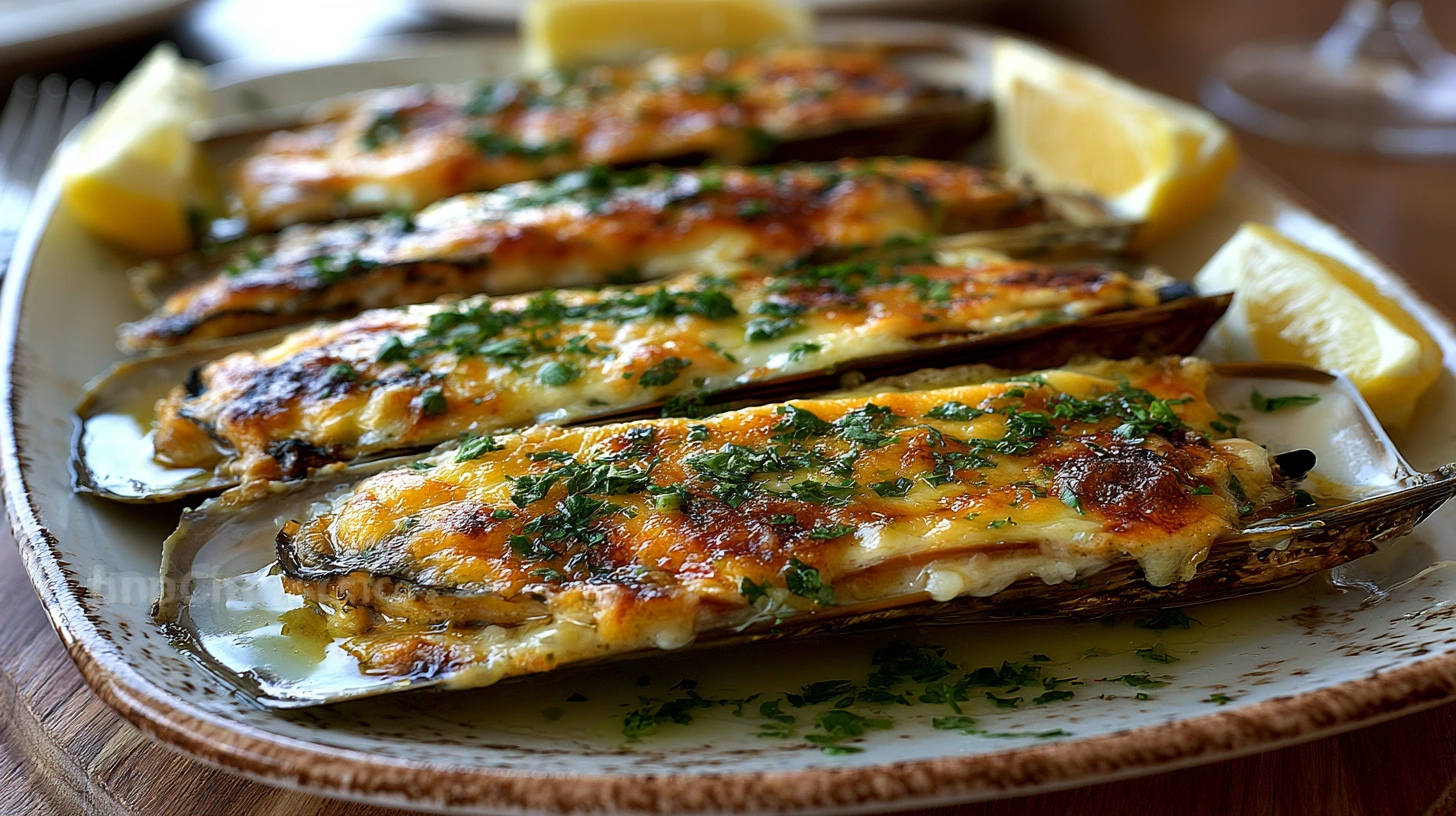
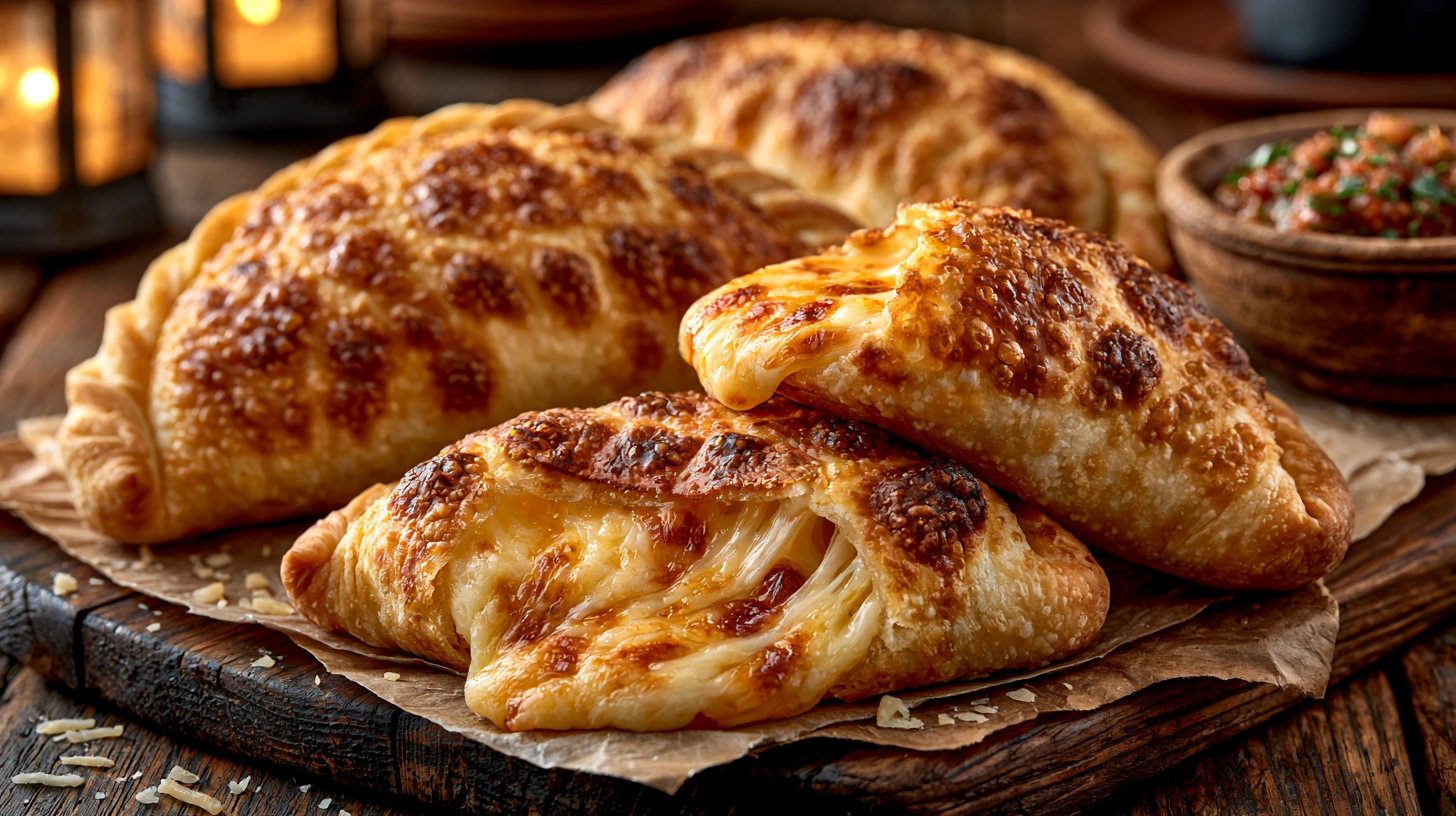
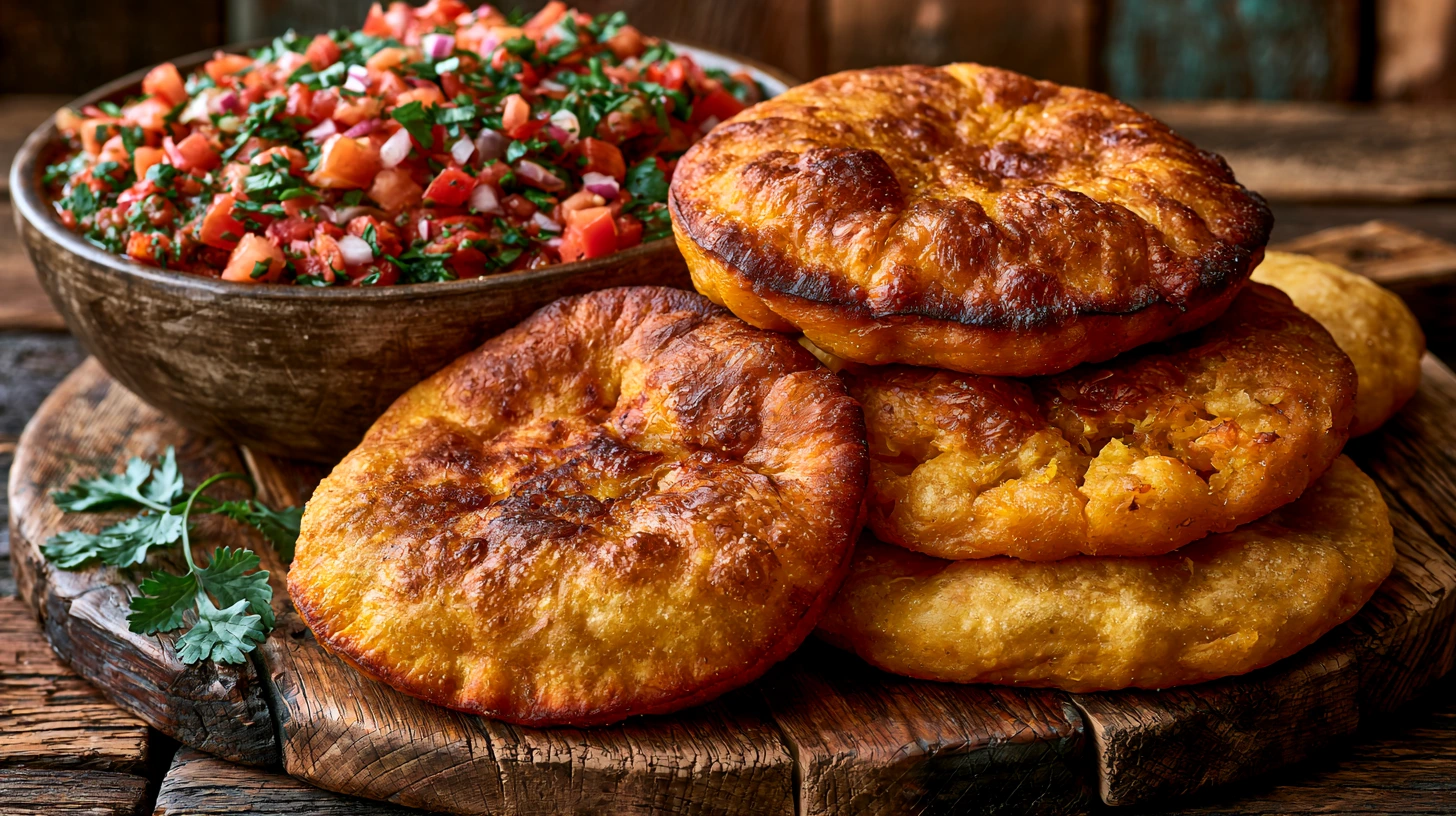
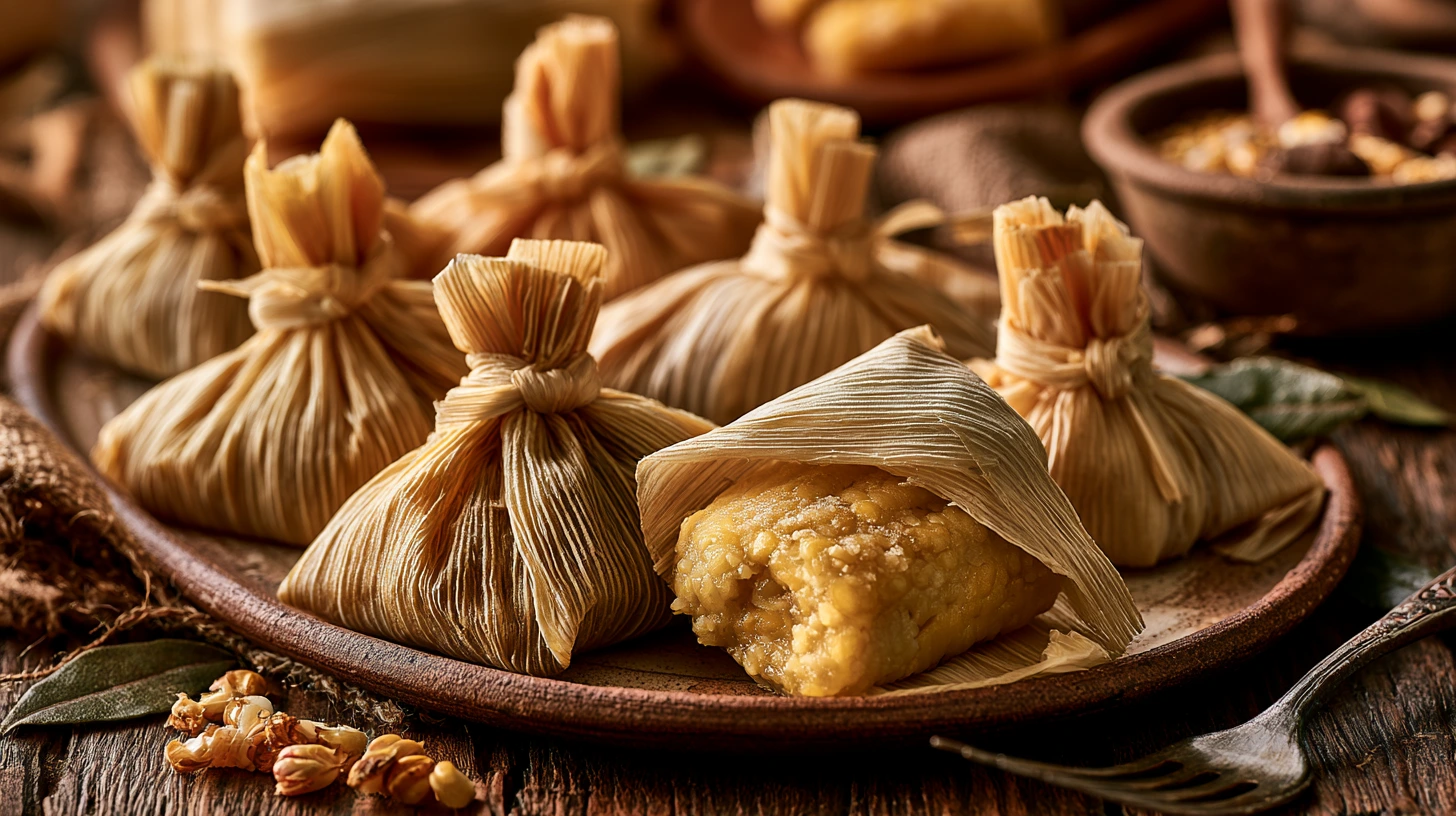
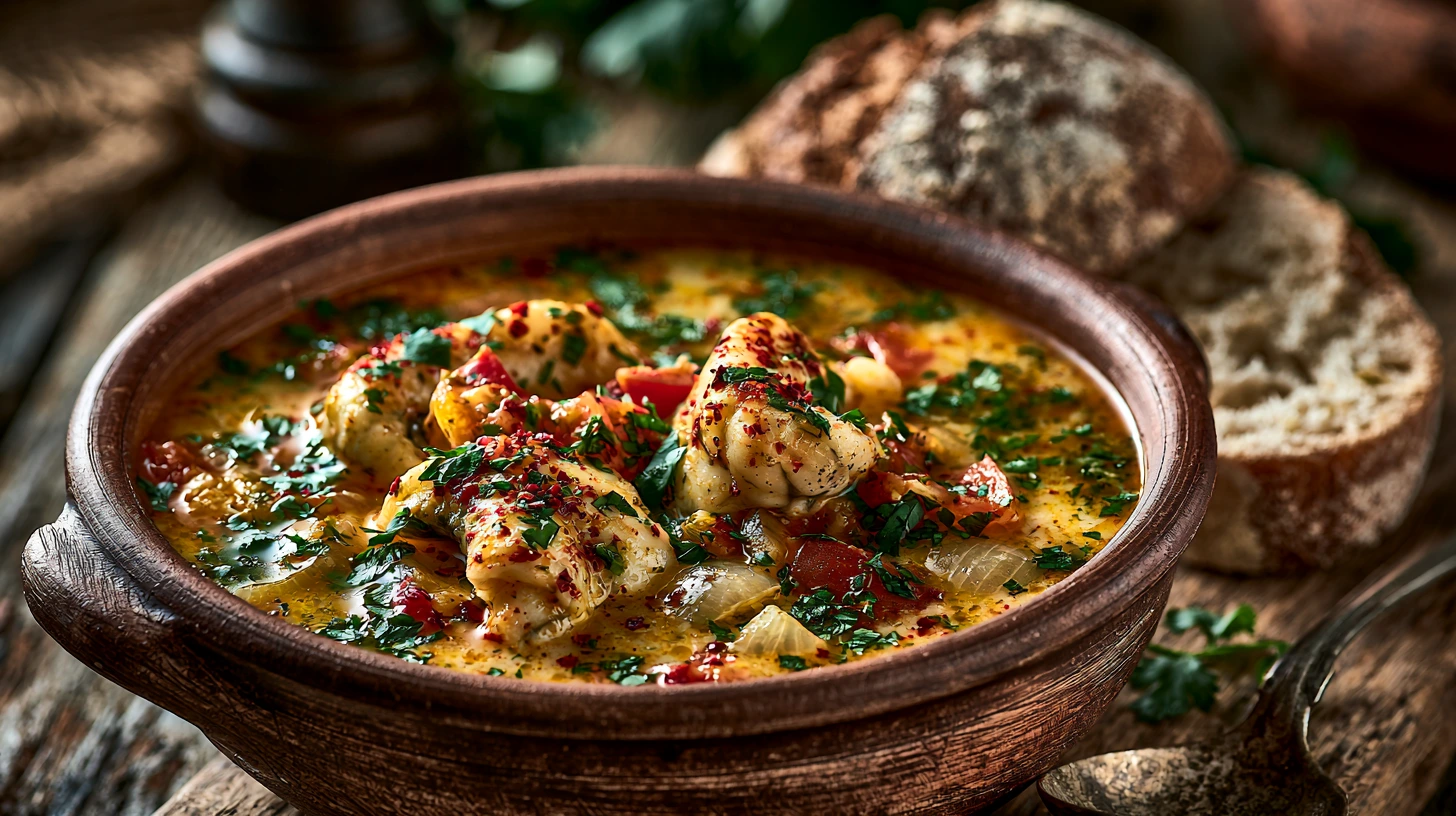
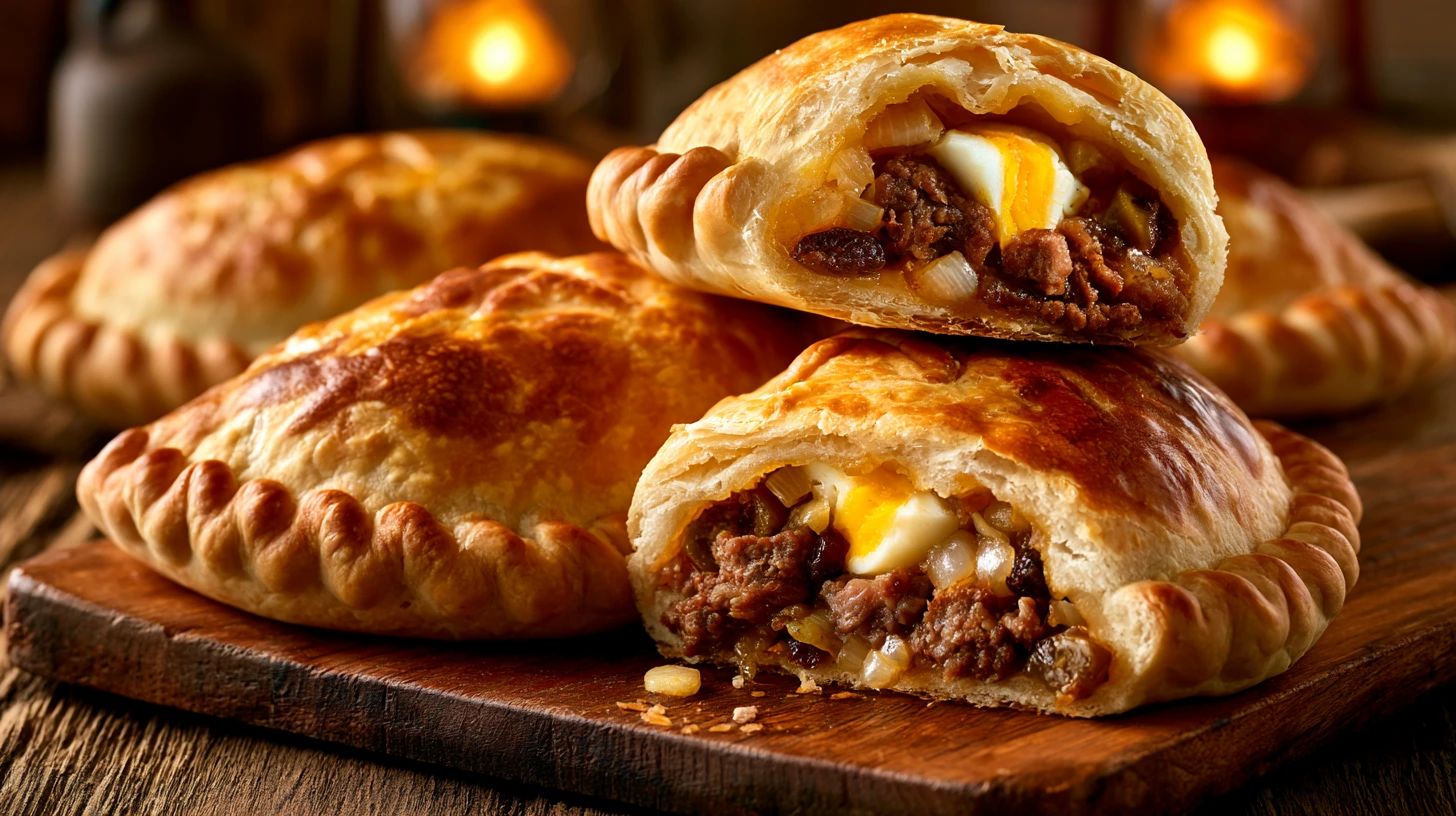
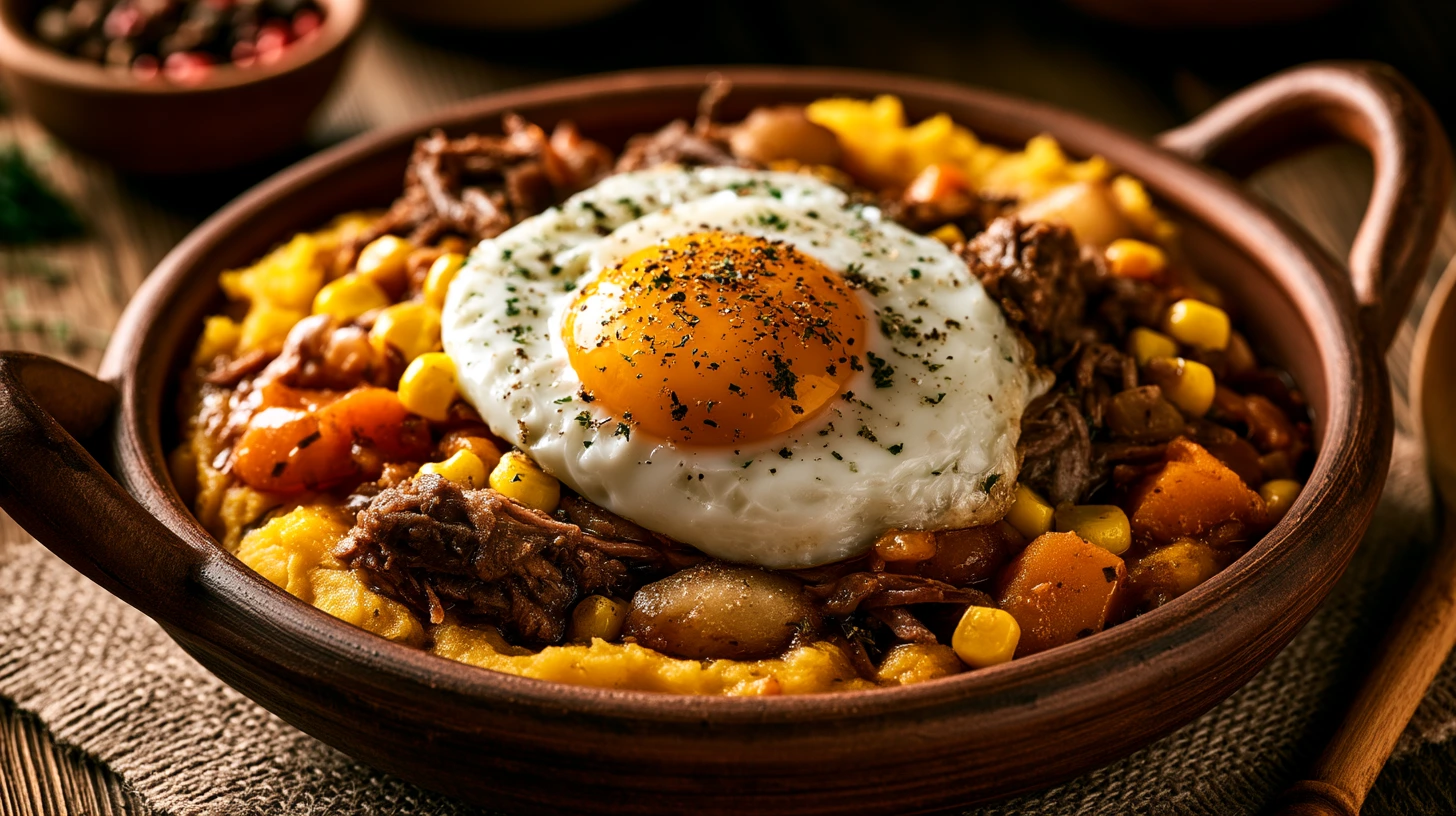
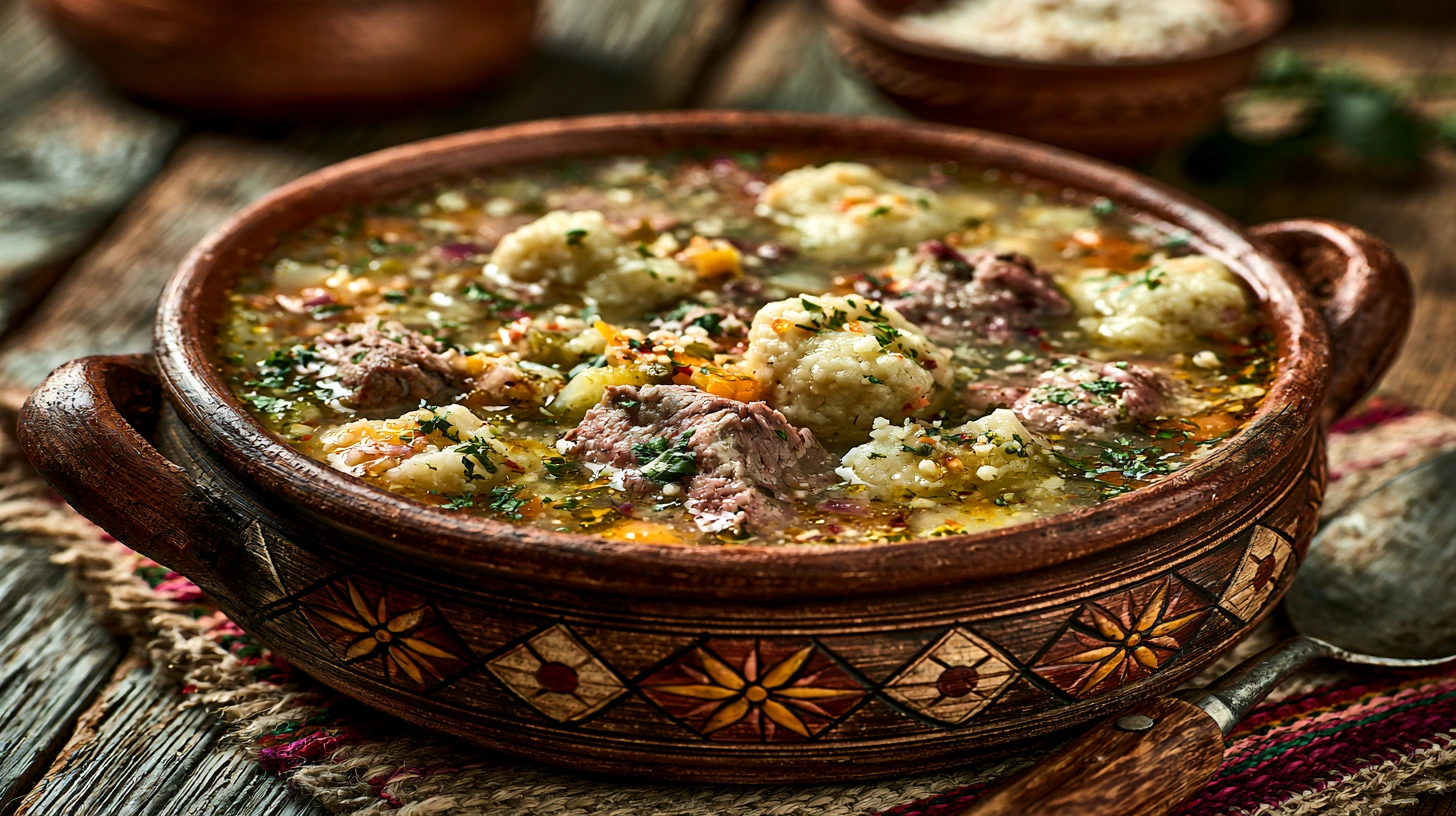
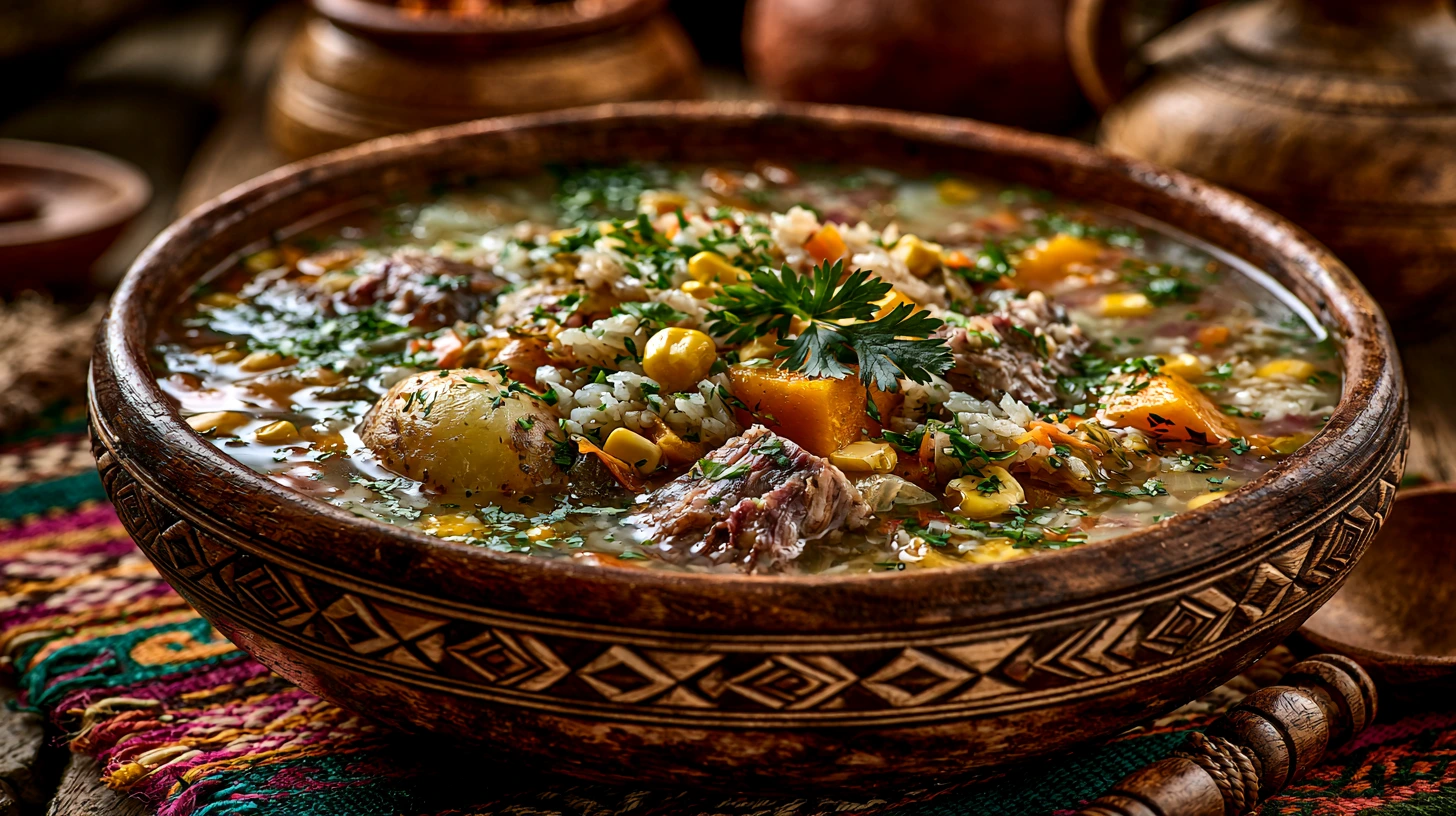
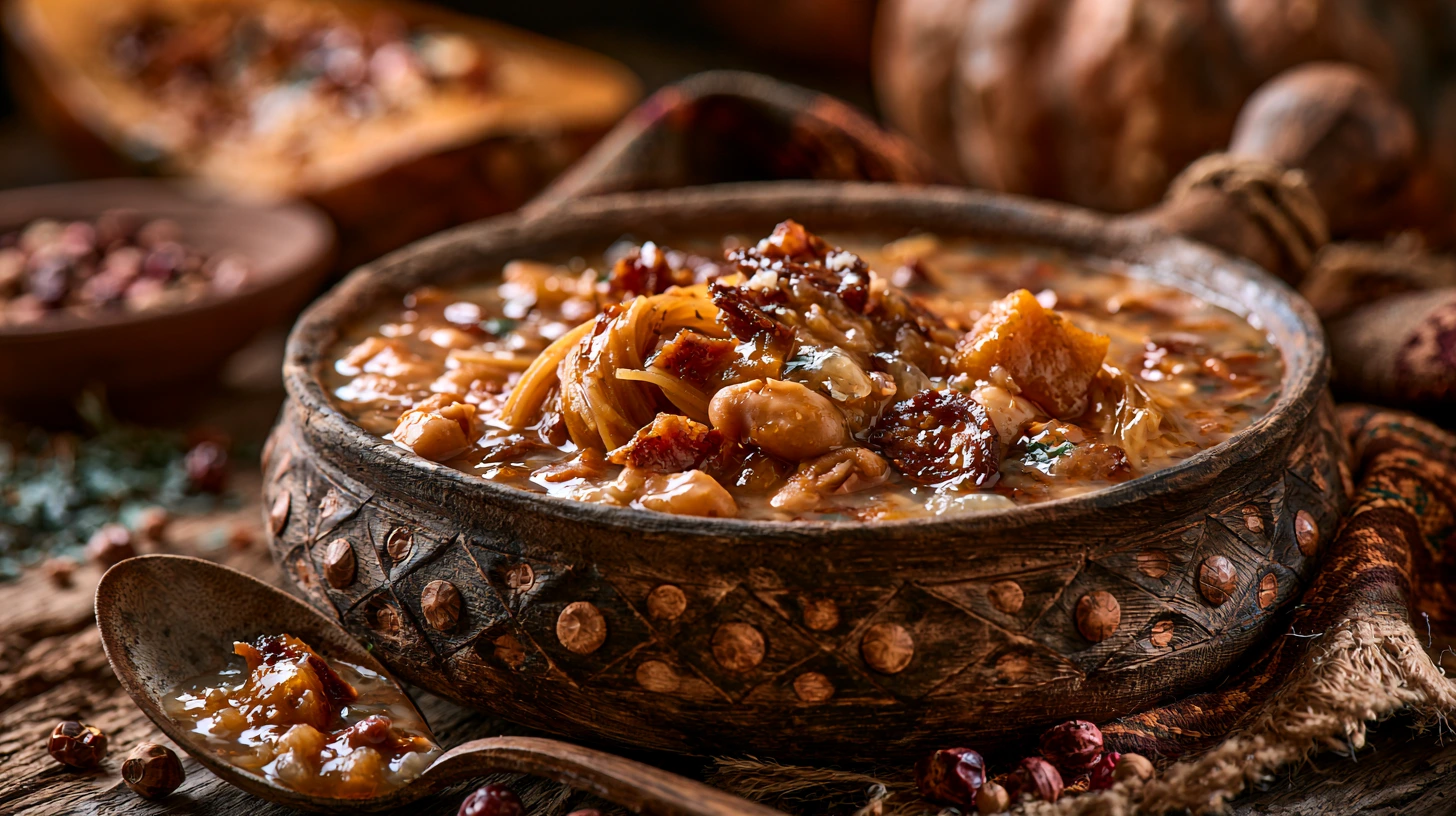
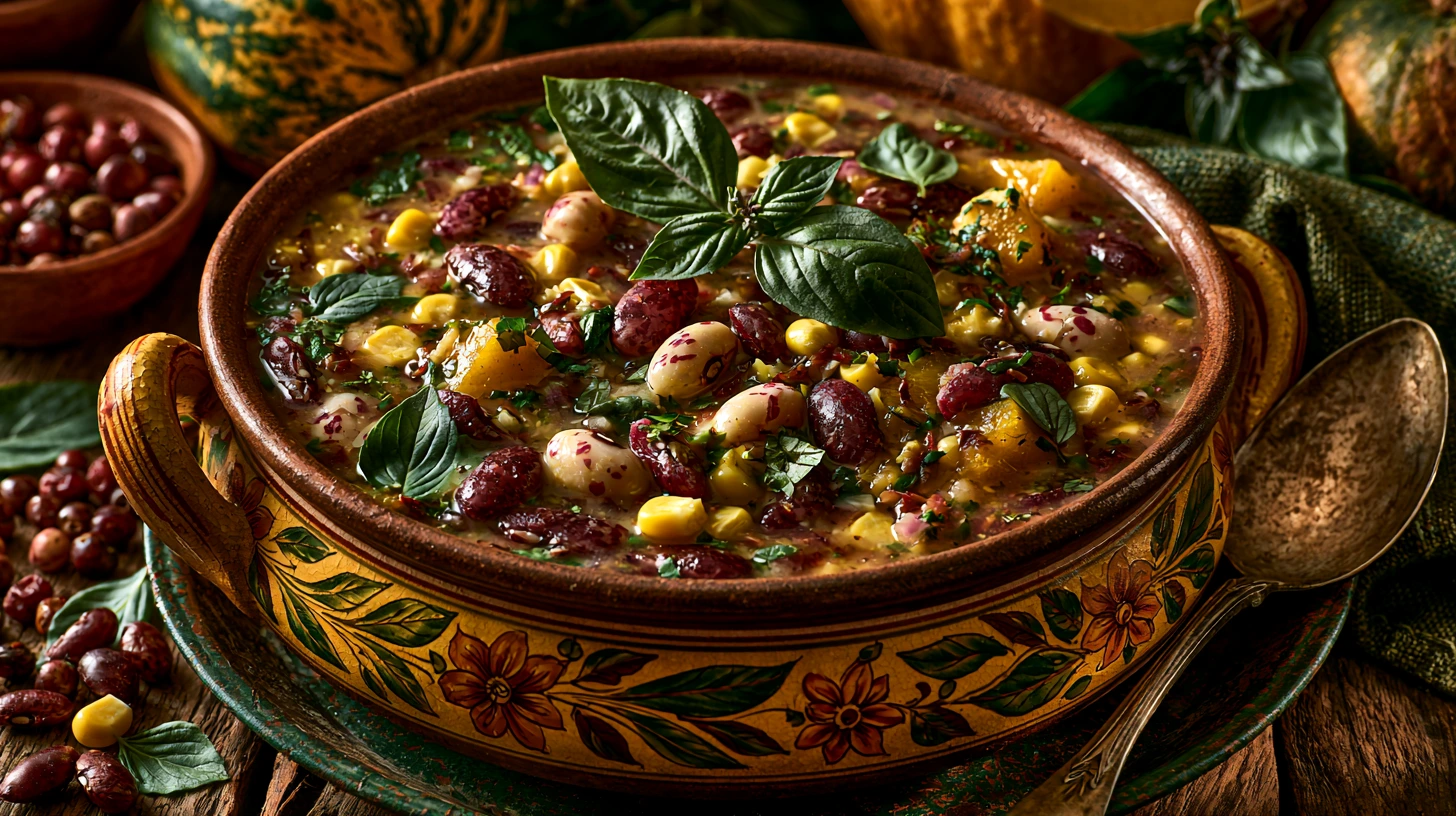
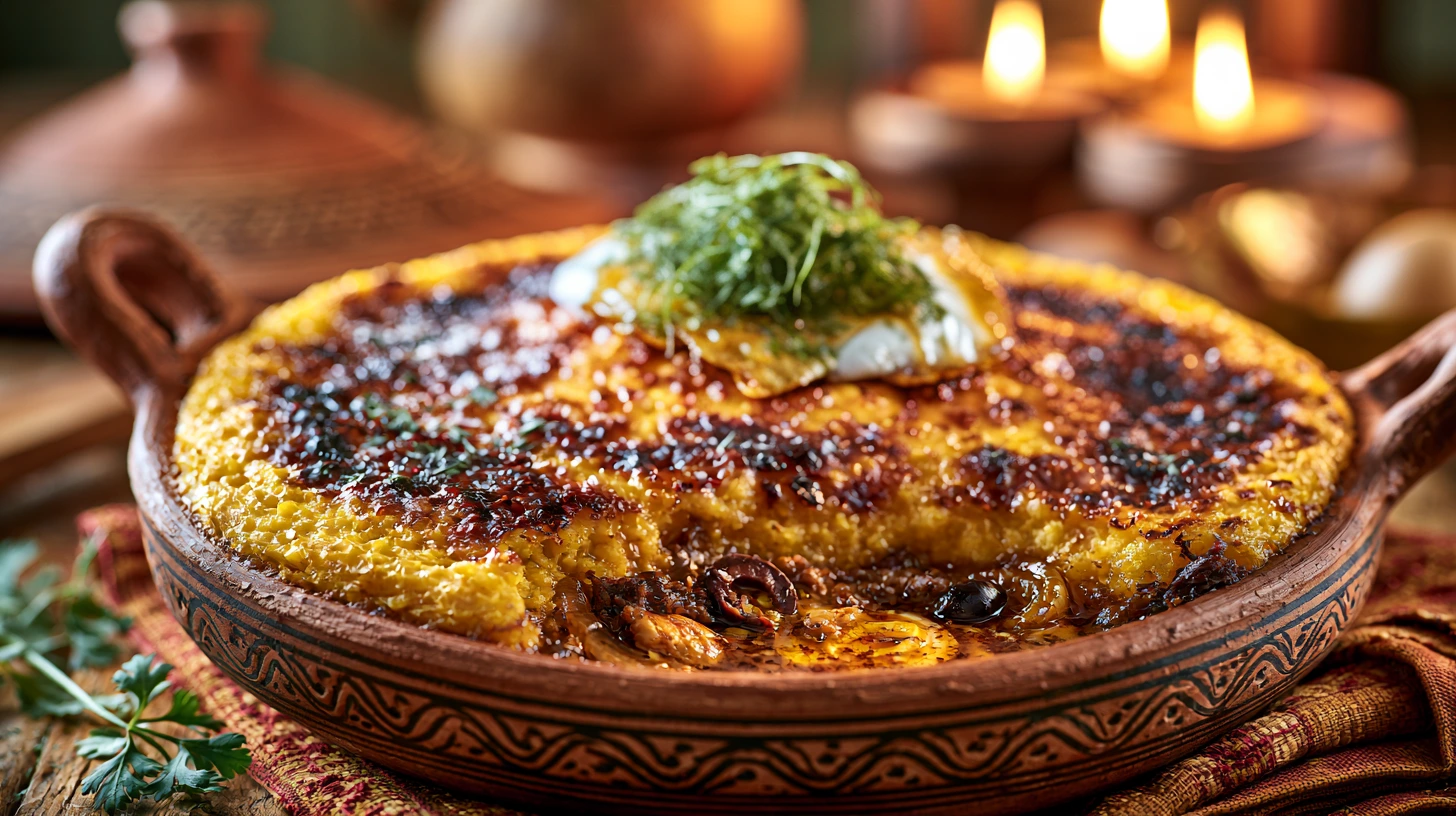
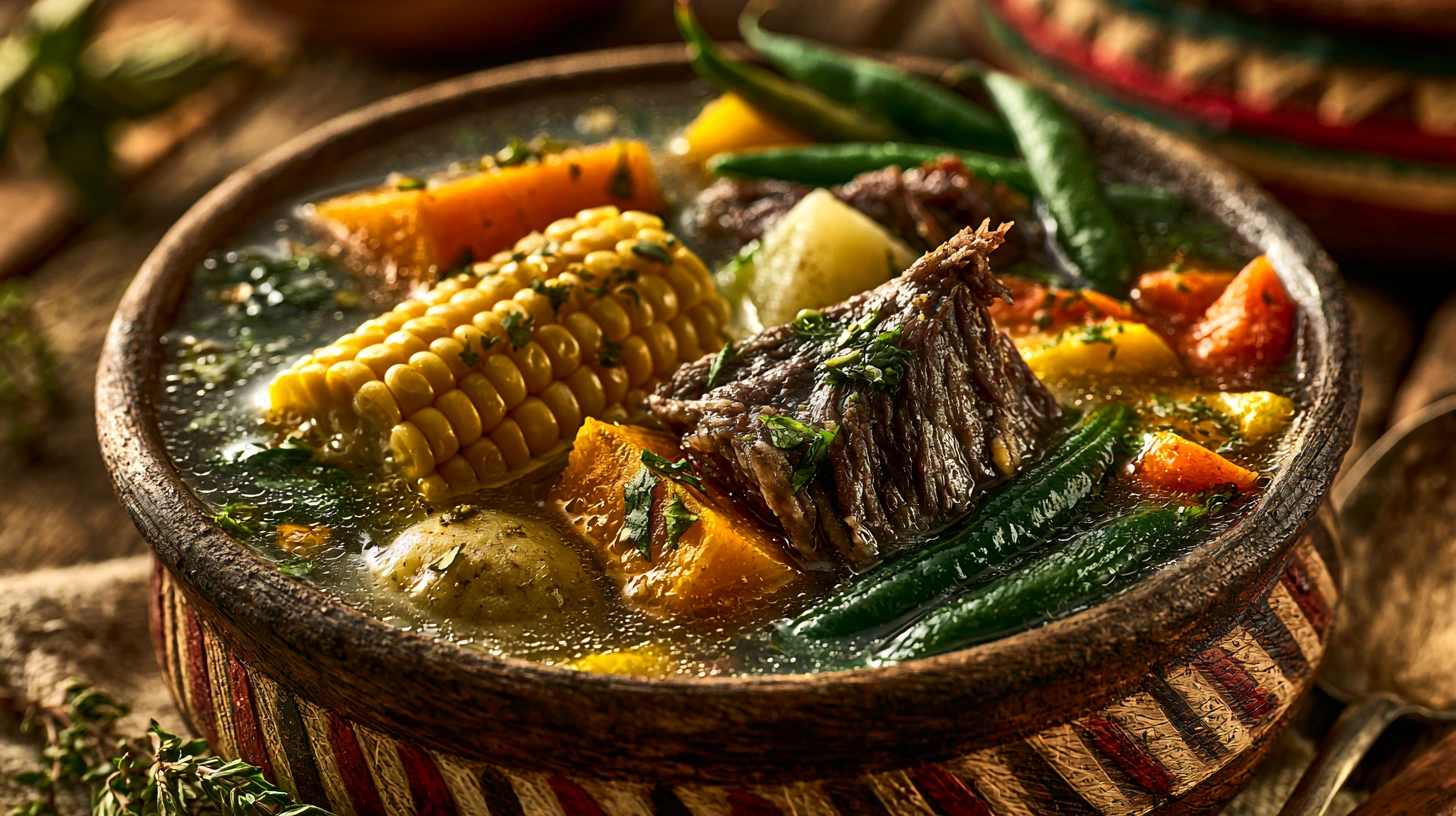
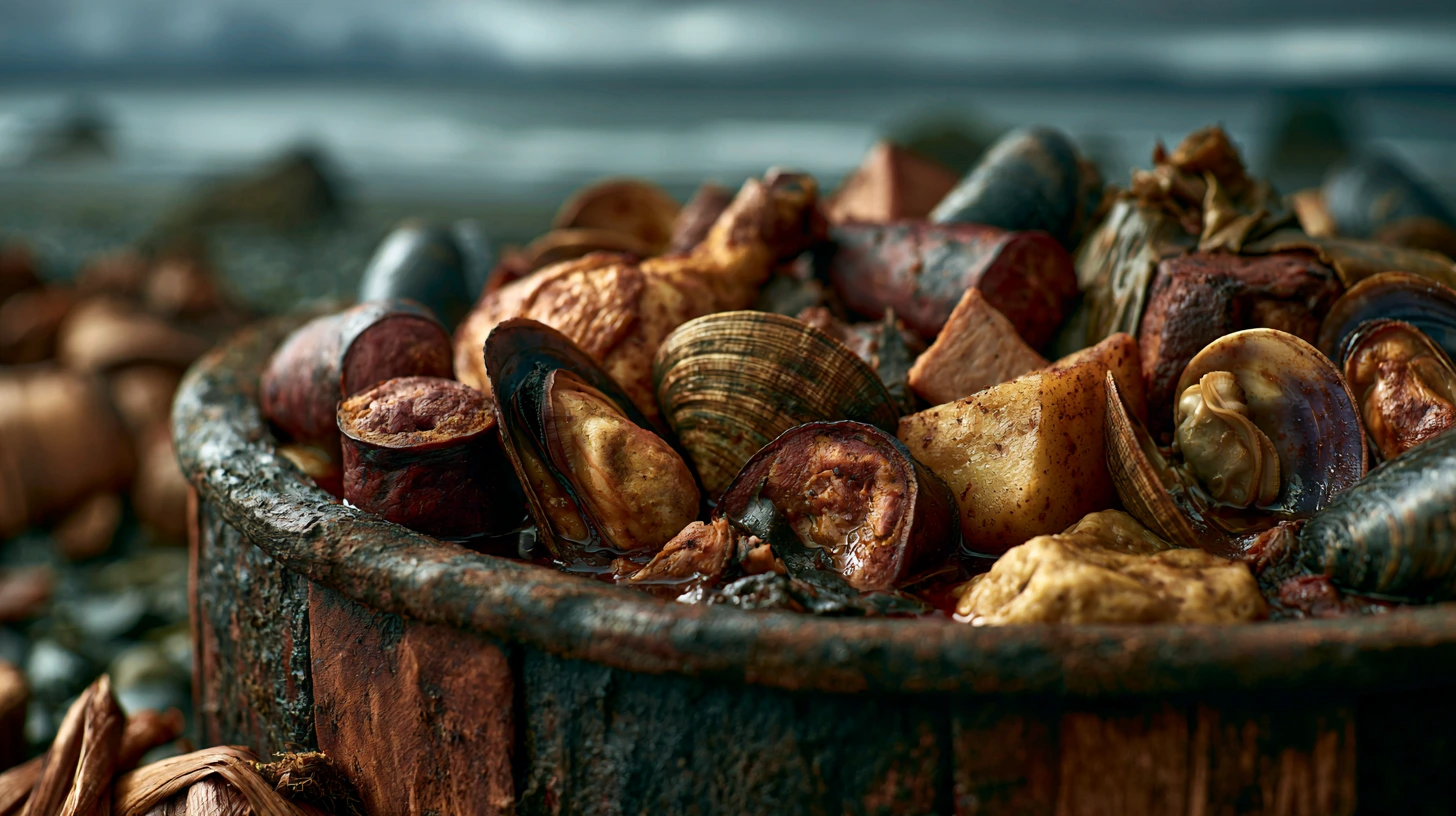
The international reputation of Chilean food rests partly on empanadas de pino, pastel de choclo, cazuela, completo, curanto, seafood and pebre. Yet many of the most revealing things to cook are less famous: the soups, breads, vegetable dishes, preserves and regional meals that show how people have used local ingredients day after day.
Regional food story
The north has Andean ingredients such as quinoa and llama; central Chile is the heart of wine, wheat and many classic home dishes; the south is known for potatoes, pork and German influences; Chiloé has a distinctive potato and seafood culture centred on curanto; Patagonia brings lamb.