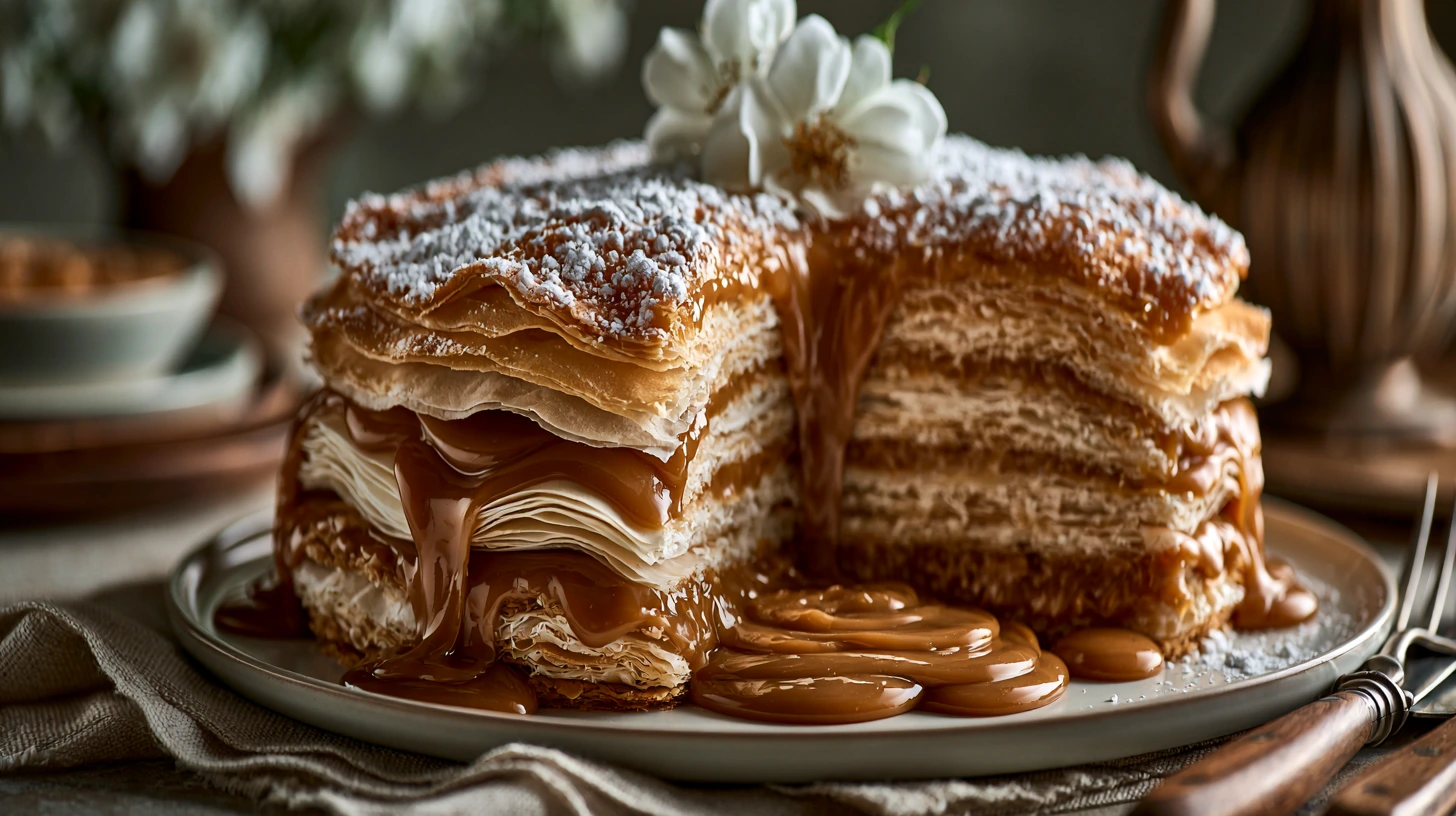
Torta de Mil Hojas: the story on the plate
The dish emerged from a food culture in which economy, seasonality and regional taste mattered more than elaborate presentation. It belongs to Chile’s bakery and home-dessert culture, shaped by local fruit, manjar, wheat, milk and strong German and Spanish influences in different regions. Cooks return to it because it delivers many thin pastry layers joined with dulce de leche and sometimes walnuts. It feels generous while relying on a focused set of flavours. Its significance comes from repetition: it is cooked, ordered and remembered in settings where food reinforces place and family identity. It is served in homes, picadas, markets, coastal restaurants or at national and family celebrations.
Historical background
The dish emerged from a food culture in which economy, seasonality and regional taste mattered more than elaborate presentation. It belongs to Chile’s bakery and home-dessert culture, shaped by local fruit, manjar, wheat, milk and strong German and Spanish influences in different regions.
Why it is famous
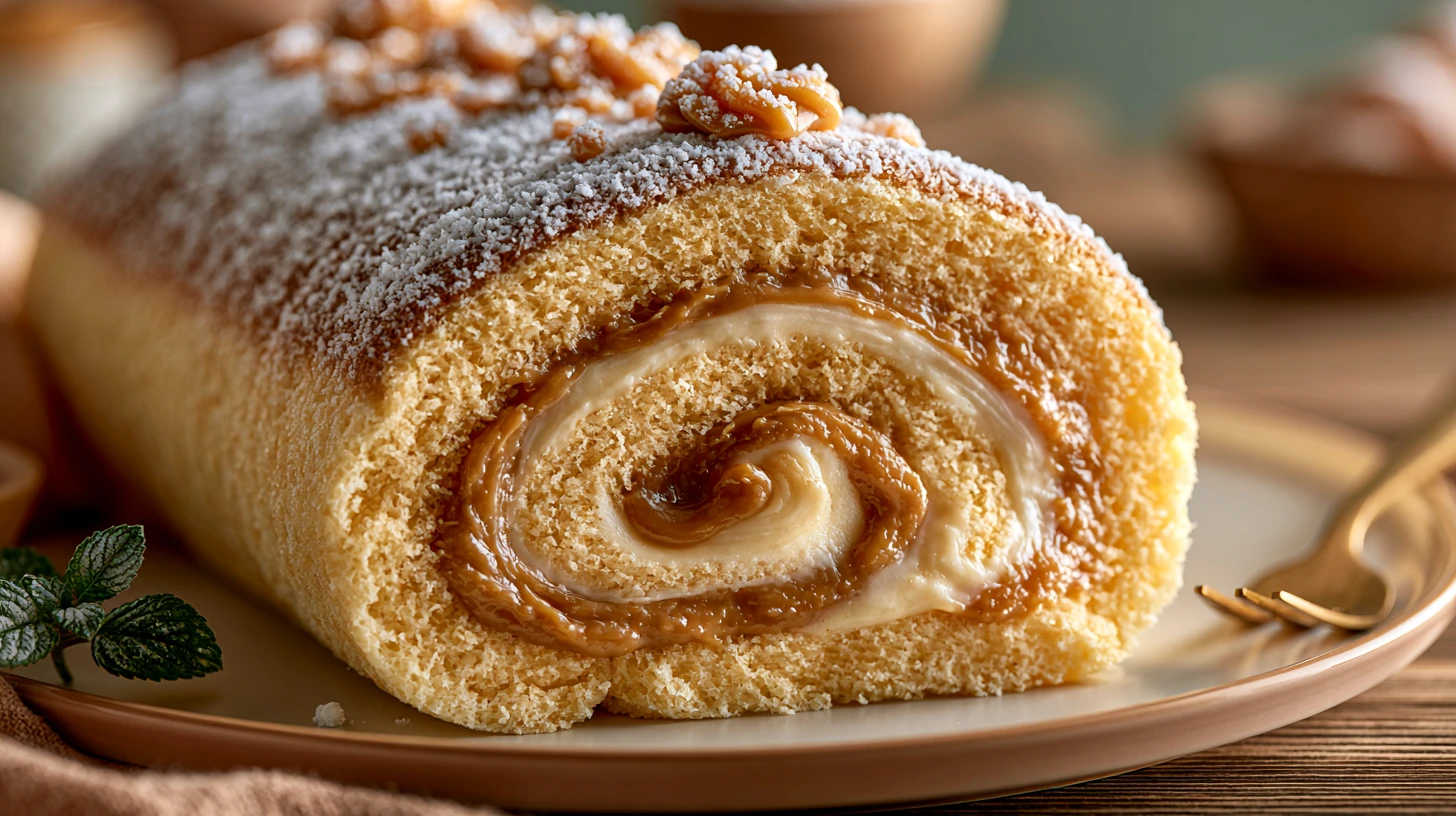
Cooks return to it because it delivers many thin pastry layers joined with dulce de leche and sometimes walnuts. It feels generous while relying on a focused set of flavours.
Cultural significance
Its significance comes from repetition: it is cooked, ordered and remembered in settings where food reinforces place and family identity. It is served in homes, picadas, markets, coastal restaurants or at national and family celebrations.