Brazo de Reina: the story on the plate
Generations of cooks shaped Brazo de Reina around a recognisable combination of technique and local ingredients. It belongs to Chile’s bakery and home-dessert culture, shaped by local fruit, manjar, wheat, milk and strong German and Spanish influences in different regions. Cooks return to it because it delivers thin sponge rolled around manjar into a soft spiral. It feels generous while relying on a focused set of flavours. Brazo de Reina connects the plate to a wider social setting, whether informal, festive or regional. It is served in homes, picadas, markets, coastal restaurants or at national and family celebrations.
Historical background
Generations of cooks shaped Brazo de Reina around a recognisable combination of technique and local ingredients. It belongs to Chile’s bakery and home-dessert culture, shaped by local fruit, manjar, wheat, milk and strong German and Spanish influences in different regions.
Why it is famous
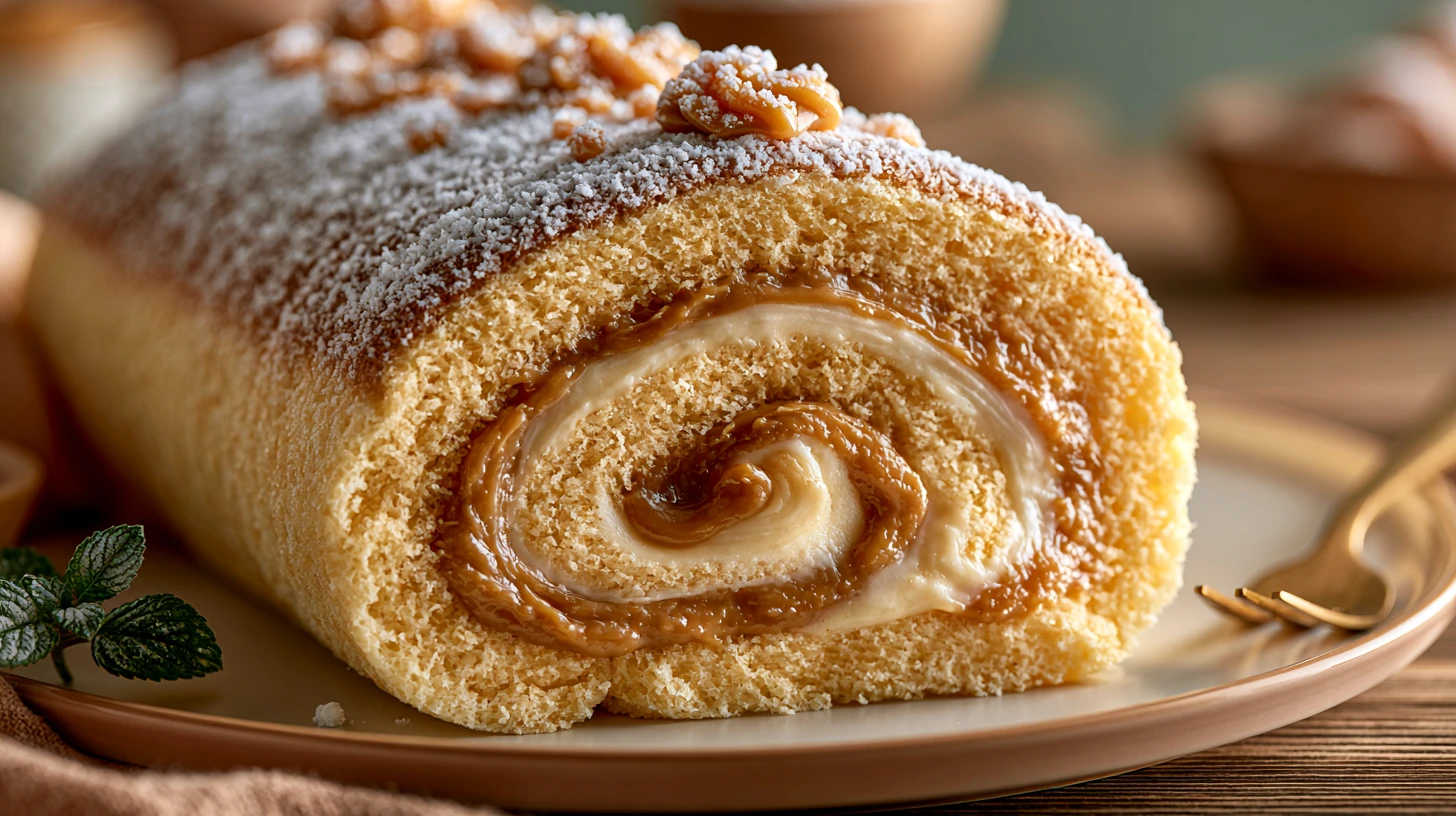
Cooks return to it because it delivers thin sponge rolled around manjar into a soft spiral. It feels generous while relying on a focused set of flavours.
Cultural significance
Brazo de Reina connects the plate to a wider social setting, whether informal, festive or regional. It is served in homes, picadas, markets, coastal restaurants or at national and family celebrations.