Folding food around a filling is both practical and expressive. The guide compares pastry, dough and wrappers, and shows how fillings reveal local meat, cheese, spice and preservation traditions.
The point is not to flatten these dishes into one category. It is to put them next to each other so the differences become clearer. Every dish linked below is an active recipe in The World on a Plate database, so readers can move directly from the story into something they can actually cook.
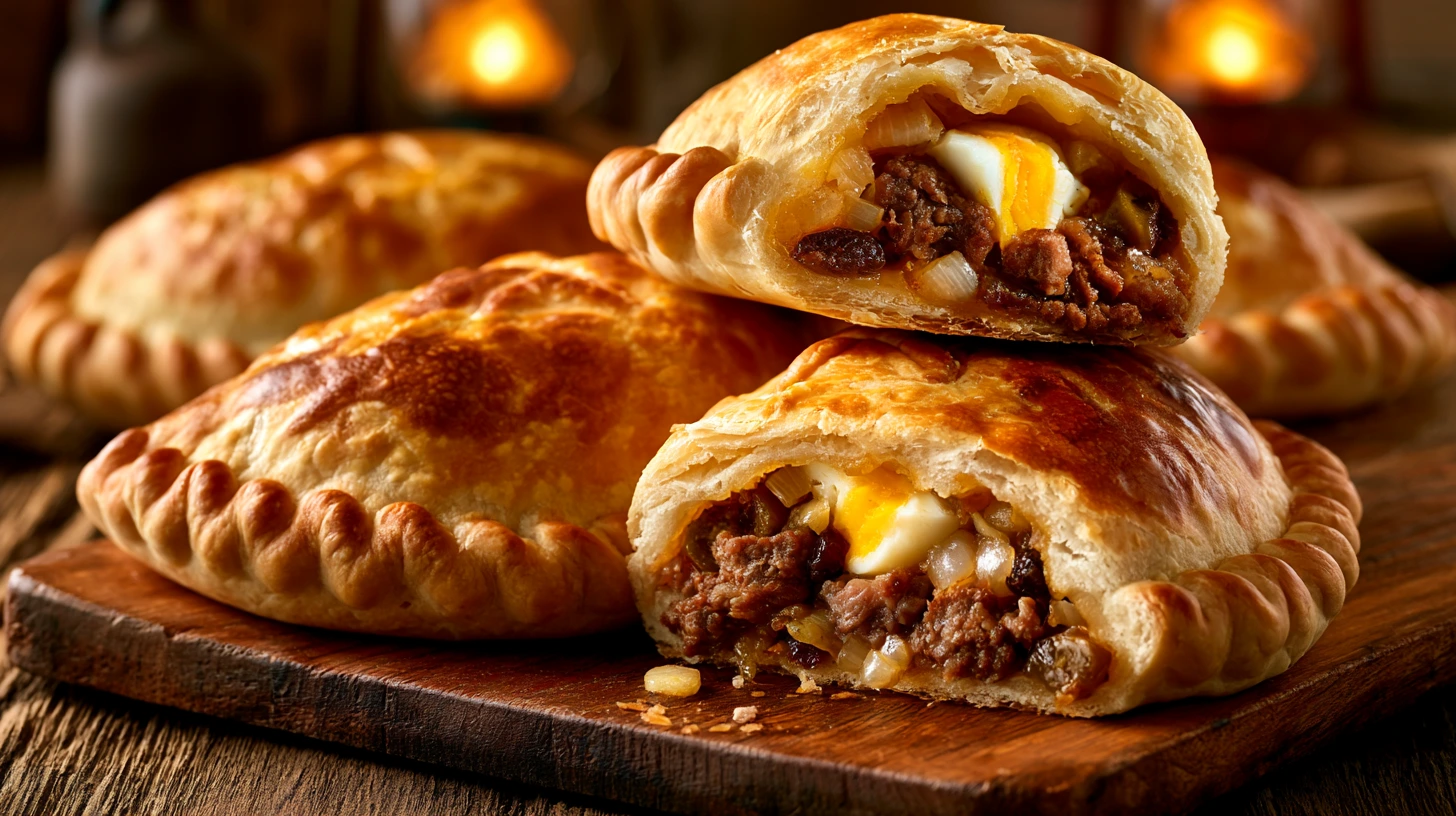
1. Empanadas Salteñas (Argentinian)
Juicy north-western baked empanadas filled with beef, potato, onion, egg, olives and warm paprika.
What makes this dish useful in the comparison is the way it expresses Argentinian cooking through its balance of ingredients, texture and method. Rather than treating it as a generic example, look at the decisions behind it: what is cooked first, where richness comes from, what provides acidity or freshness, and how the dish is normally completed at the table.
2. Empanadas de Pino (Chilean)
Empanadas de Pino is a traditional Chilean main with complete metric quantities, precise preparation, cooking temperatures and visual doneness cues.
What makes this dish useful in the comparison is the way it expresses Chilean cooking through its balance of ingredients, texture and method. Rather than treating it as a generic example, look at the decisions behind it: what is cooked first, where richness comes from, what provides acidity or freshness, and how the dish is normally completed at the table.
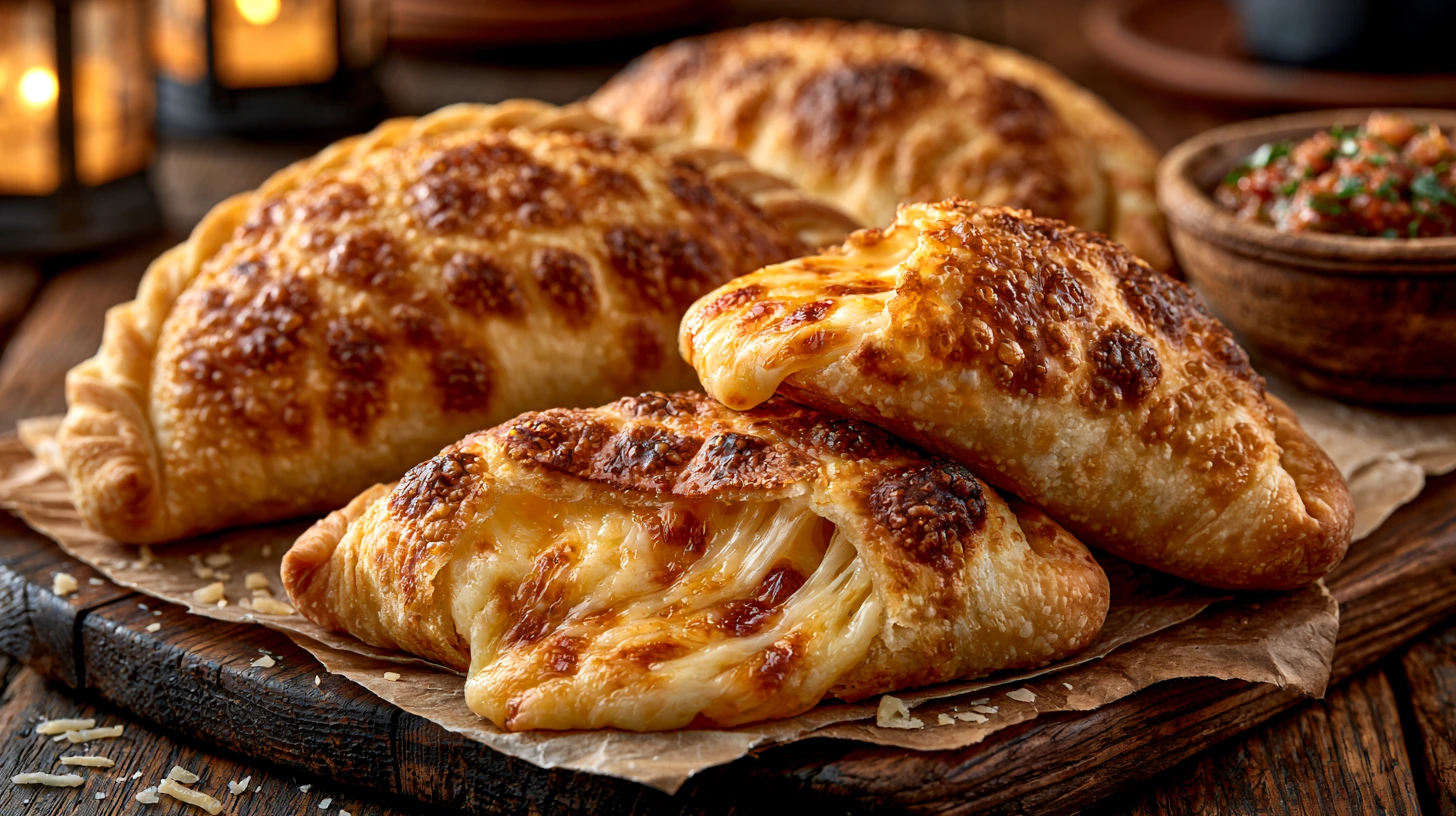
3. Empanadas de Queso (Chilean)
Empanadas de Queso is a traditional Chilean starter with complete metric quantities, precise preparation, cooking temperatures and visual doneness cues.
What makes this dish useful in the comparison is the way it expresses Chilean cooking through its balance of ingredients, texture and method. Rather than treating it as a generic example, look at the decisions behind it: what is cooked first, where richness comes from, what provides acidity or freshness, and how the dish is normally completed at the table.
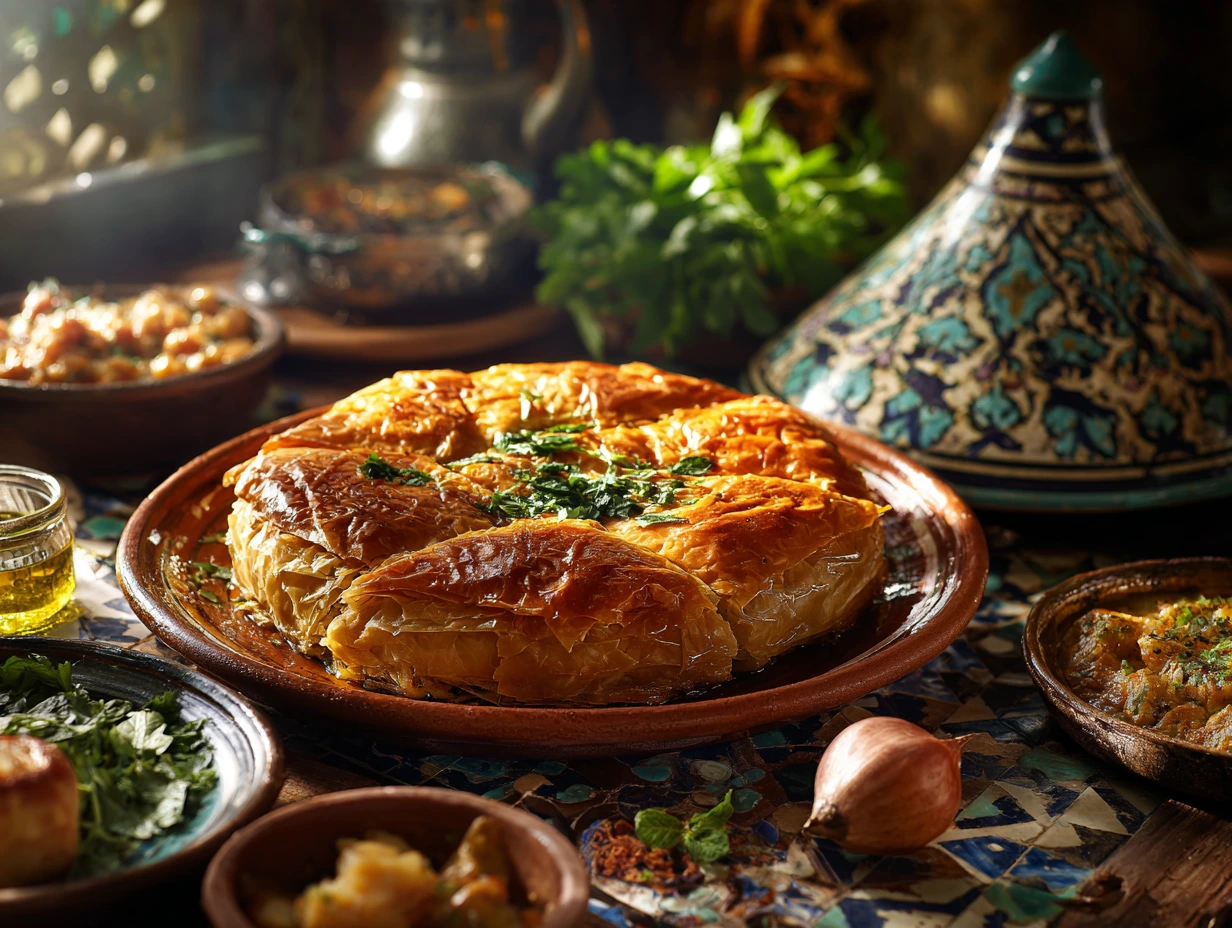
4. Chicken Pastilla (Moroccan)
Festive Moroccan pie of spiced chicken, eggs, almonds, cinnamon and crisp pastry dusted with sugar.
What makes this dish useful in the comparison is the way it expresses Moroccan cooking through its balance of ingredients, texture and method. Rather than treating it as a generic example, look at the decisions behind it: what is cooked first, where richness comes from, what provides acidity or freshness, and how the dish is normally completed at the table.
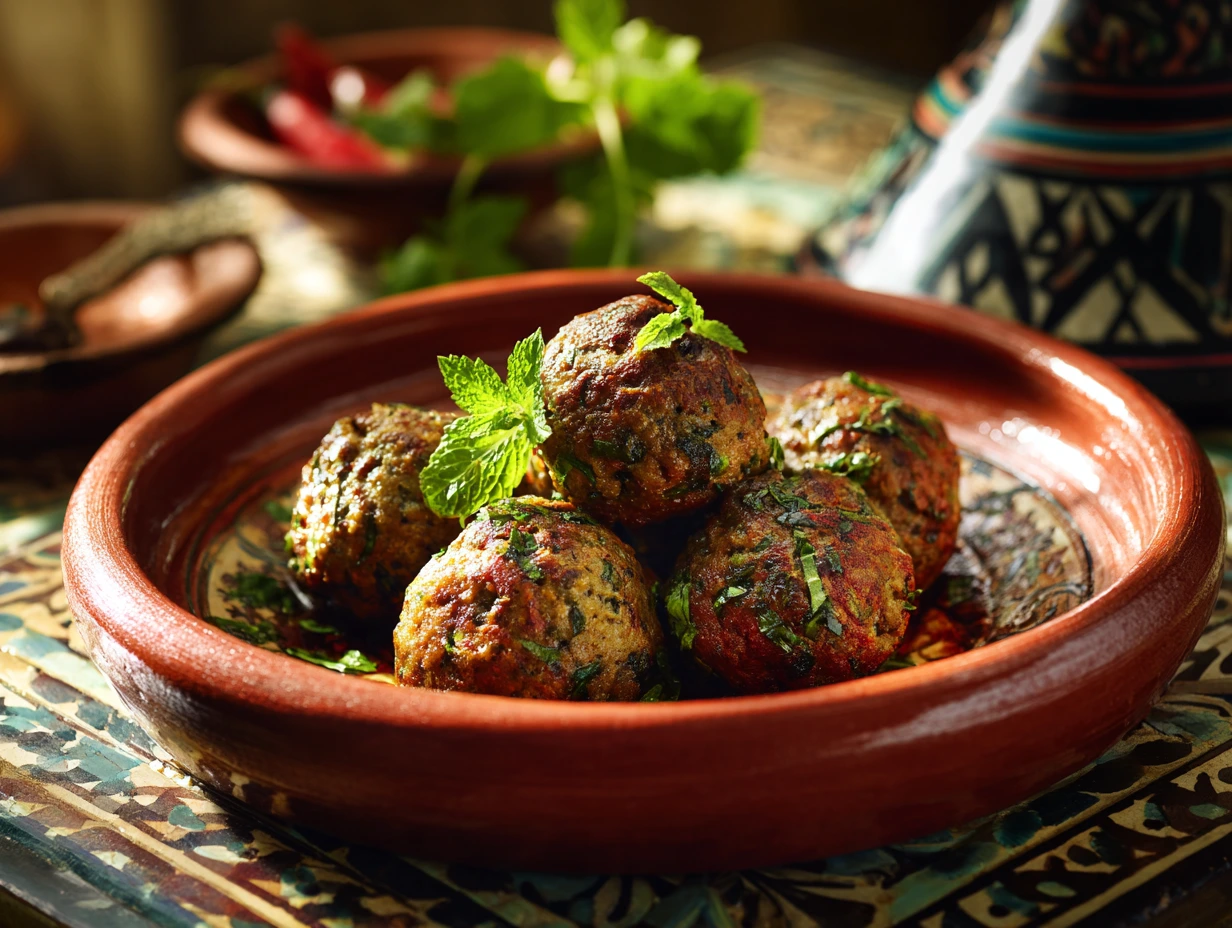
5. Kefta Briouats (Moroccan)
Crisp Moroccan pastry triangles filled with spiced minced beef, onion, parsley, cinnamon and egg.
What makes this dish useful in the comparison is the way it expresses Moroccan cooking through its balance of ingredients, texture and method. Rather than treating it as a generic example, look at the decisions behind it: what is cooked first, where richness comes from, what provides acidity or freshness, and how the dish is normally completed at the table.
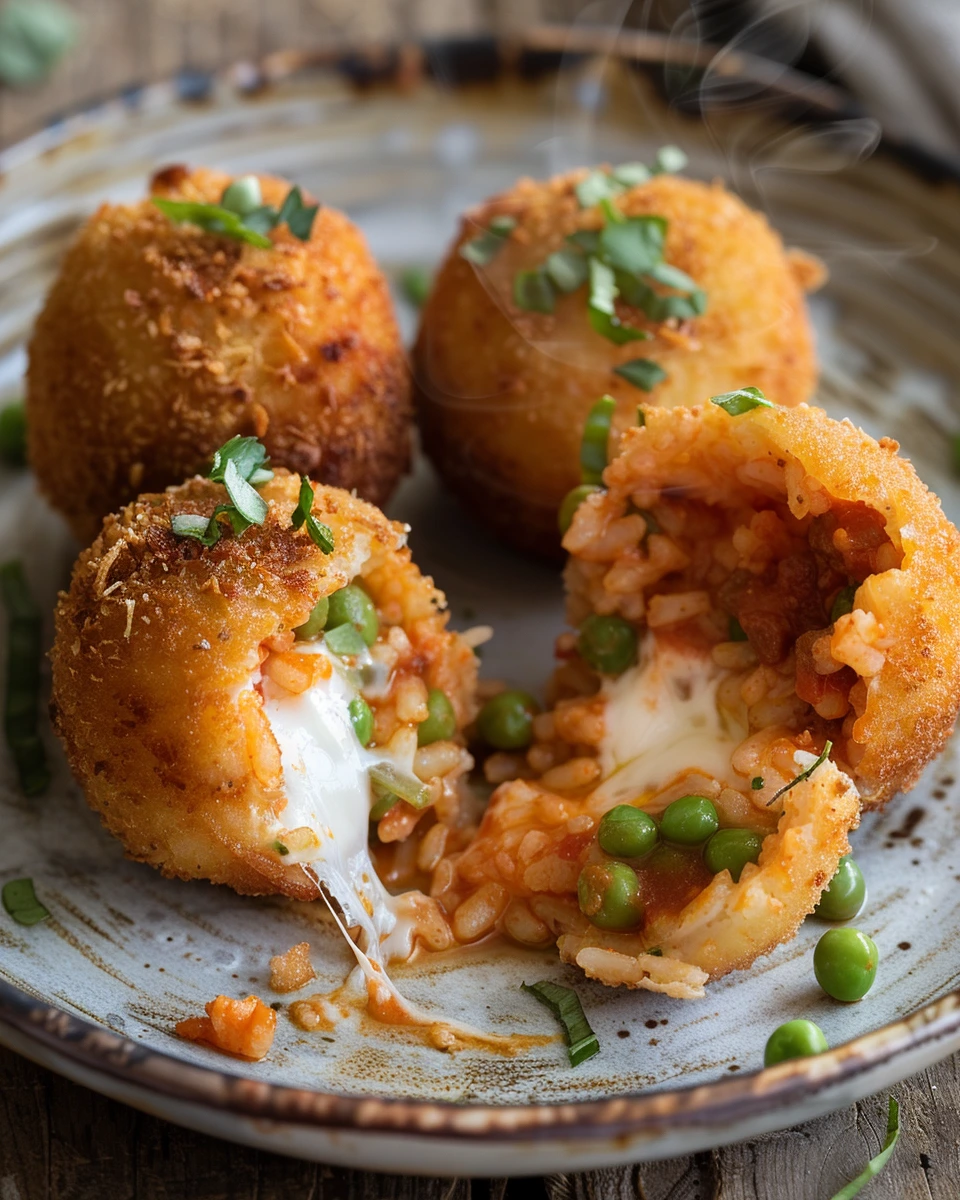
6. Arancini di Riso (Italian)
Sicilian arancini are crisp fried rice balls filled with ragù, peas and mozzarella.
What makes this dish useful in the comparison is the way it expresses Italian cooking through its balance of ingredients, texture and method. Rather than treating it as a generic example, look at the decisions behind it: what is cooked first, where richness comes from, what provides acidity or freshness, and how the dish is normally completed at the table.
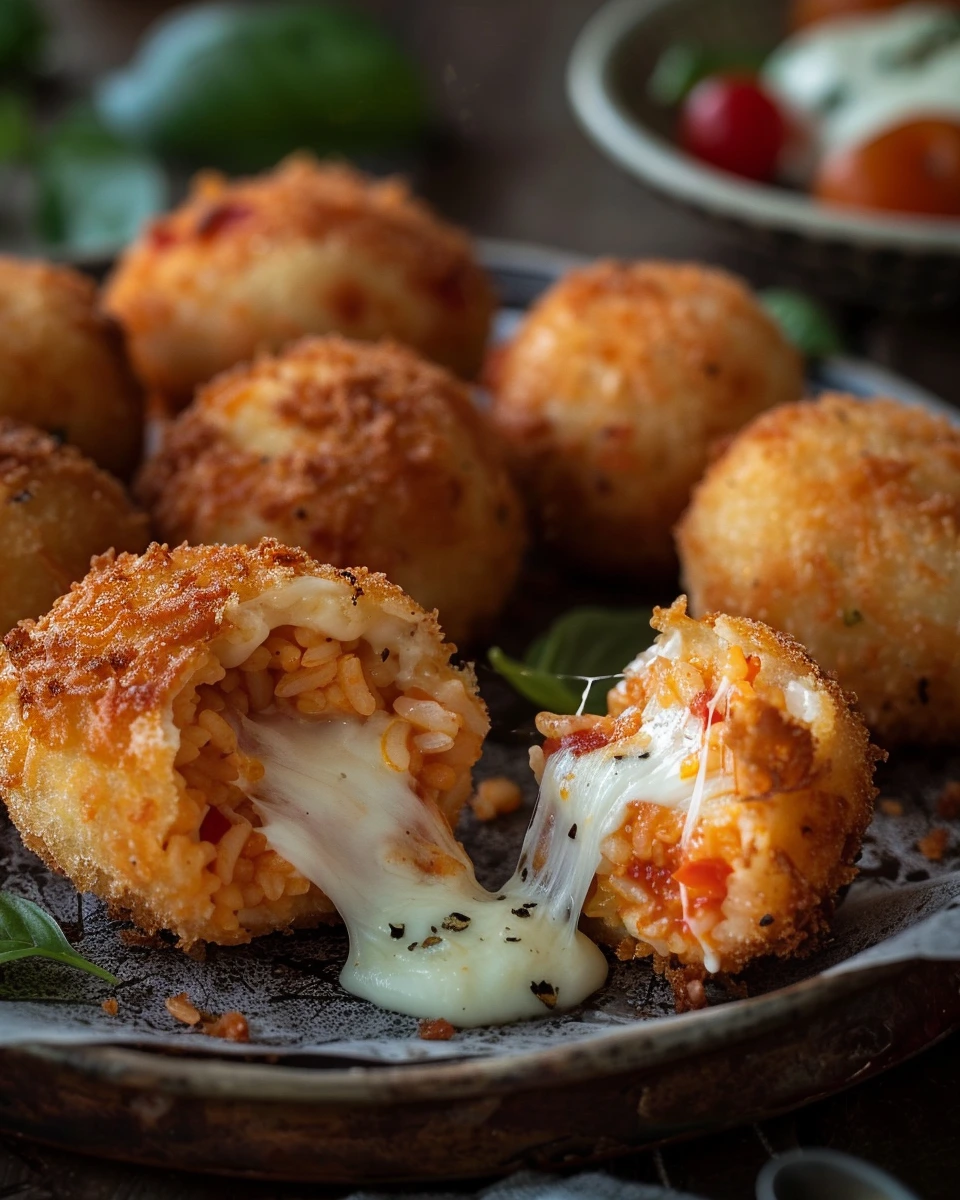
7. Suppli al Telefono (Italian)
Roman supplì are tomato rice croquettes with a melting mozzarella centre that stretches like a telephone wire.
What makes this dish useful in the comparison is the way it expresses Italian cooking through its balance of ingredients, texture and method. Rather than treating it as a generic example, look at the decisions behind it: what is cooked first, where richness comes from, what provides acidity or freshness, and how the dish is normally completed at the table.
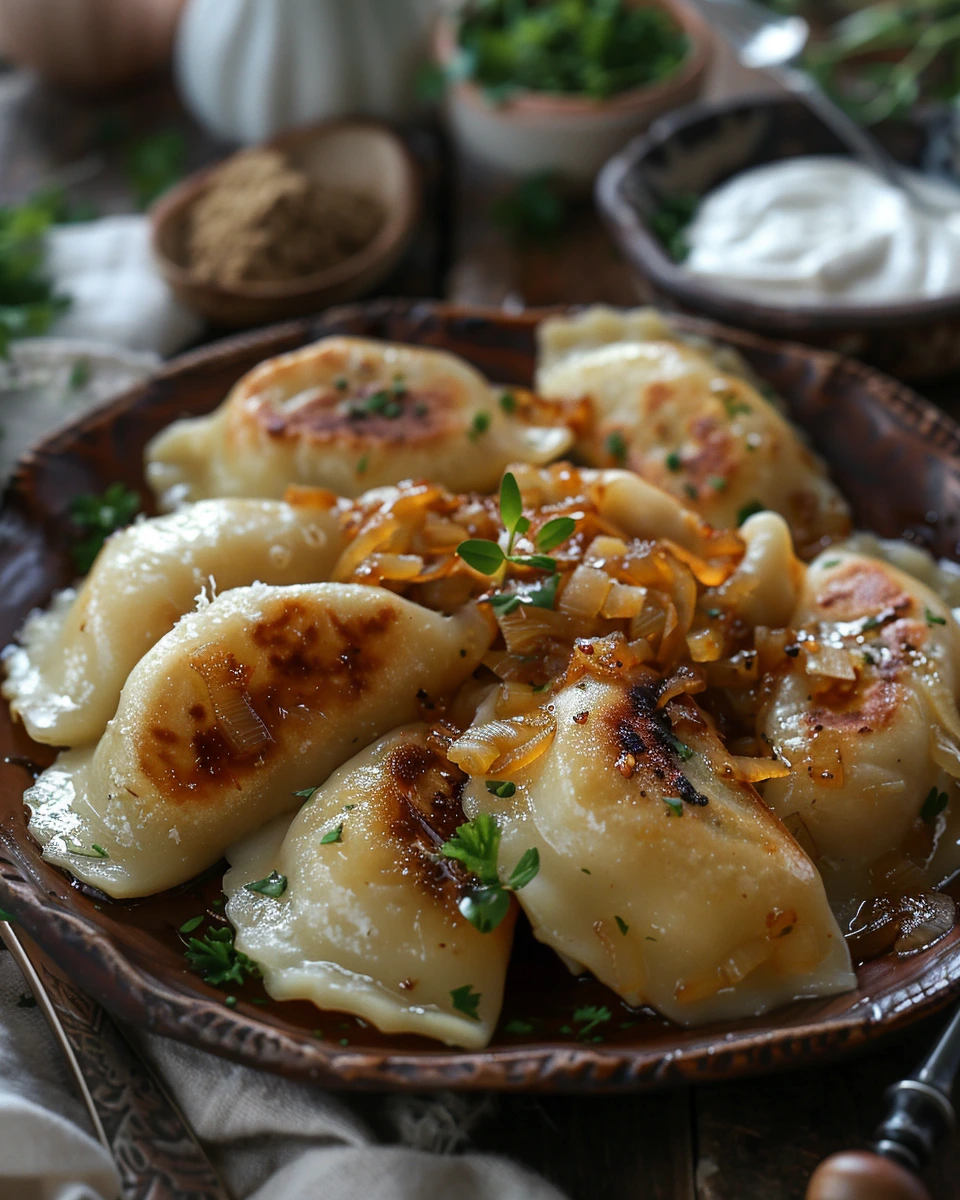
8. Pierogi Ruskie (Polish)
Pierogi Ruskie is a traditional Polish starter built around bright appetising flavours, hand-held texture or a small dish that opens the meal.
What makes this dish useful in the comparison is the way it expresses Polish cooking through its balance of ingredients, texture and method. Rather than treating it as a generic example, look at the decisions behind it: what is cooked first, where richness comes from, what provides acidity or freshness, and how the dish is normally completed at the table.
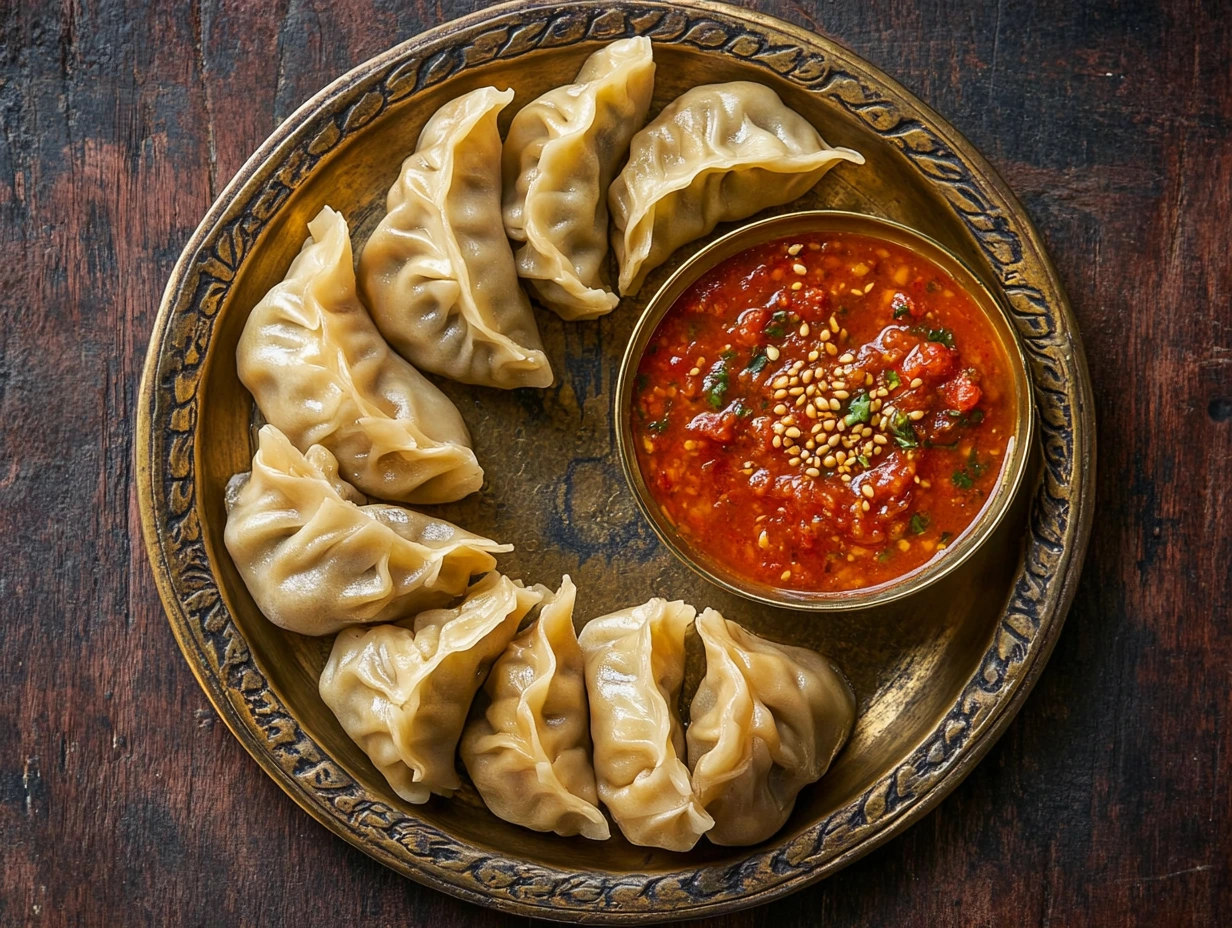
9. Momo (Nepalese)
Momo is a traditional Nepalese starter built around bright appetising flavours, hand-held texture or a small dish that opens the meal.
What makes this dish useful in the comparison is the way it expresses Nepalese cooking through its balance of ingredients, texture and method. Rather than treating it as a generic example, look at the decisions behind it: what is cooked first, where richness comes from, what provides acidity or freshness, and how the dish is normally completed at the table.
What to compare as you cook
Cook two or three of these dishes within a few weeks and compare them deliberately. Notice the base flavour before the main ingredient goes in, the cooking vessel, the amount of liquid, the finishing ingredients and the role of side dishes. Those small choices are often where national and regional identity becomes most obvious.
Where to start
For the clearest contrast, begin with Empanadas Salteñas, then cook Kefta Briouats and finish with Momo. Together they give a practical route through the theme without pretending that one technique explains every cuisine.