Moroccan Starter

Kefta Briouats

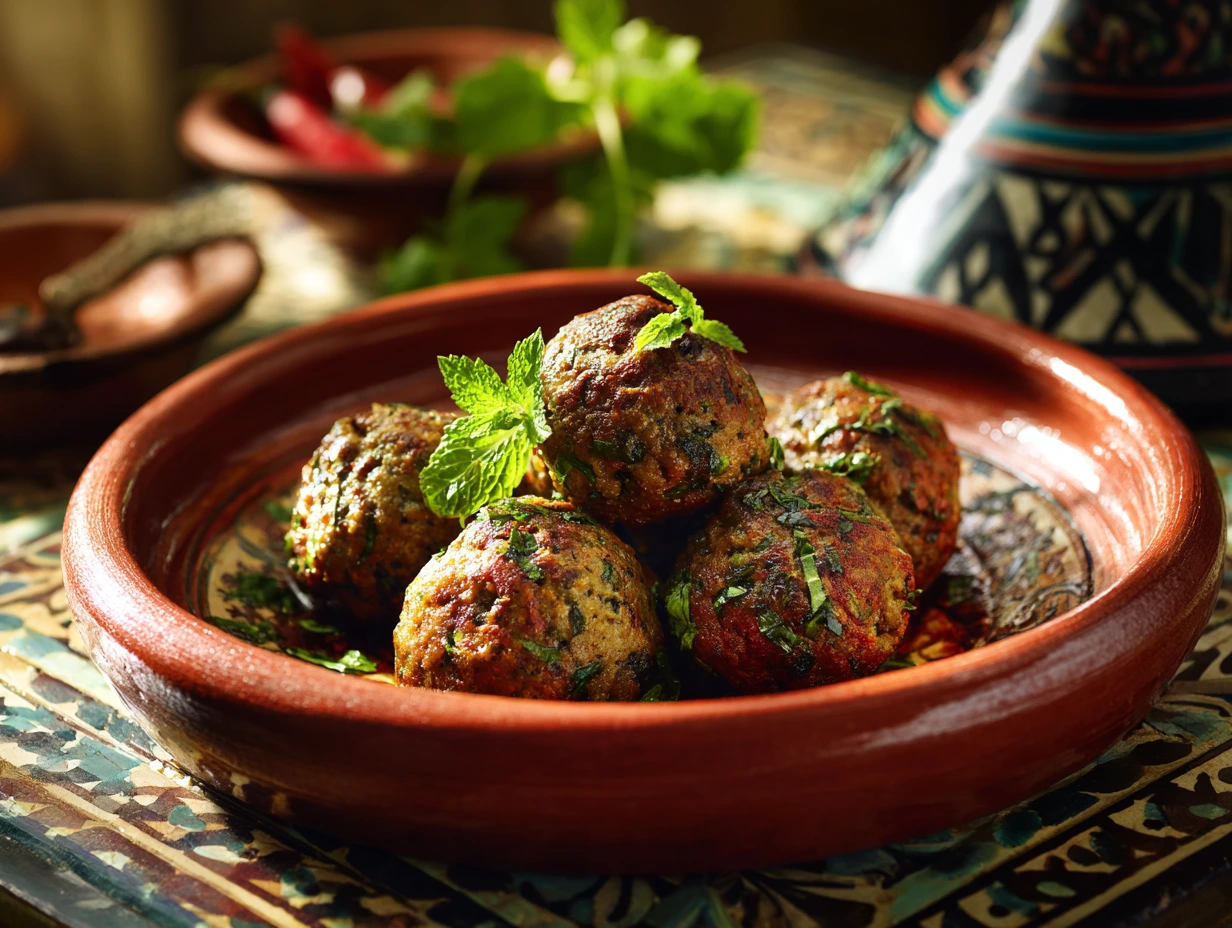
Crisp Moroccan pastry triangles filled with spiced minced beef, onion, parsley, cinnamon and egg.

35 minsPrep time
25 minsCook time
Serves 6Servings
MediumDifficulty
Kefta Briouats
About this dish

Kefta Briouats: the story on the plate

Briouats are festive Moroccan pastries served at celebrations and family gatherings. They can be sweet or savoury; the kefta version carries the spice-market aroma of cumin, cinnamon and fresh herbs inside shattering warqa or filo pastry.

Historical background

Briouats are festive Moroccan pastries served at celebrations and family gatherings. They can be sweet or savoury; the kefta version carries the spice-market aroma of cumin, cinnamon and fresh herbs inside shattering warqa or filo pastry.

Why it is famous

Kefta Briouats is a strong Moroccan starter because it is traditional, recognisable and tells a clear story about Moroccan home cooking, markets, Ramadan tables or shared family meals.

Cultural significance

Moroccan starters often arrive as several small salads, soups or pastries before the main dish. They are designed for sharing, scooping with khobz and building anticipation for the meal.

Nutrition

Estimated nutrition per serving

Useful for meal planning and calorie-aware recipe browsing.

390Calories
18gProtein
30gCarbs
22gFat

Estimated from the structured Moroccan starter ingredient list. Validate before making formal health claims.

Ingredients

What you need

  • 58.33 minced beef or lamb
  • 0.17 onion, finely grated
  • 3.33 parsley, chopped
  • 3.33 coriander, chopped
  • 0.83 ground cumin
  • /2 tsp cinnamon
  • /2 tsp paprika
  • 0.33 eggs
  • 1.33 sheets filo pastry
  • 10.0 melted butter
  • oil for frying or baking
  • salt and pepper
Method

Step-by-step method

Follow the recipe in order, tasting and adjusting seasoning where needed.

  1. Cook the grated onion in a frying pan over medium heat for 4 minutes until soft and sweet.
  2. Add mince and break it up finely with a spoon. Add cumin, cinnamon, paprika, salt and pepper. Cook 8–10 minutes until browned and dry.
  3. Stir in herbs. Beat in eggs over low heat, stirring until just set and bound. Cool completely before filling pastry.
  4. Cut filo into long strips. Brush with melted butter, place a spoon of filling at one end and fold into tight triangles.
  5. Fry at 170°C for 3–4 minutes until golden, or bake at 200°C for 15–18 minutes. Serve hot.
Cook smarter

Tips, storage and serving advice

Shopping tips

Use fresh herbs, ripe tomatoes, good olive oil and spices that still smell fragrant. Avoid tired ground spices.

Ingredient quality

Slice vegetables evenly, cook out raw tomato properly and use controlled heat so garlic and spices do not burn.

Common mistakes

The biggest mistakes are watery cooked salads, greasy frying oil, under-seasoned pulses and using too much spice before tasting.

Chef’s tips

Cook patiently, reduce sauces properly and finish with lemon, herbs or olive oil so the starter tastes bright rather than heavy.

How to know it is cooked

Ready when the texture matches the dish: thick and glossy for cooked salads, tender for pulses, crisp for fried starters and fresh for raw salads.

Plating advice

Serve in small Moroccan bowls or plates with bread nearby. Keep garnishes simple: herbs, cumin, olive oil, lemon or sesame where appropriate.

Make ahead

Most cooked salads and soups can be made ahead and served warm or room temperature. Fried pastry and potato cakes are best finished close to serving.

Storage and reheating

Refrigerate in a sealed container. Cooked salads and soups usually keep 2–3 days; fried items are best eaten sooner. Reheat soups and cooked salads gently. Refresh fried items in a hot oven rather than microwaving.