Coastal cuisines often share fresh fish, shellfish, citrus and quick cooking, yet climate and trade produce very different plates. The guide follows coconut-rich stews, raw or cured fish, grilled seafood and shellfish dishes across several coastlines.
The point is not to flatten these dishes into one category. It is to put them next to each other so the differences become clearer. Every dish linked below is an active recipe in The World on a Plate database, so readers can move directly from the story into something they can actually cook.
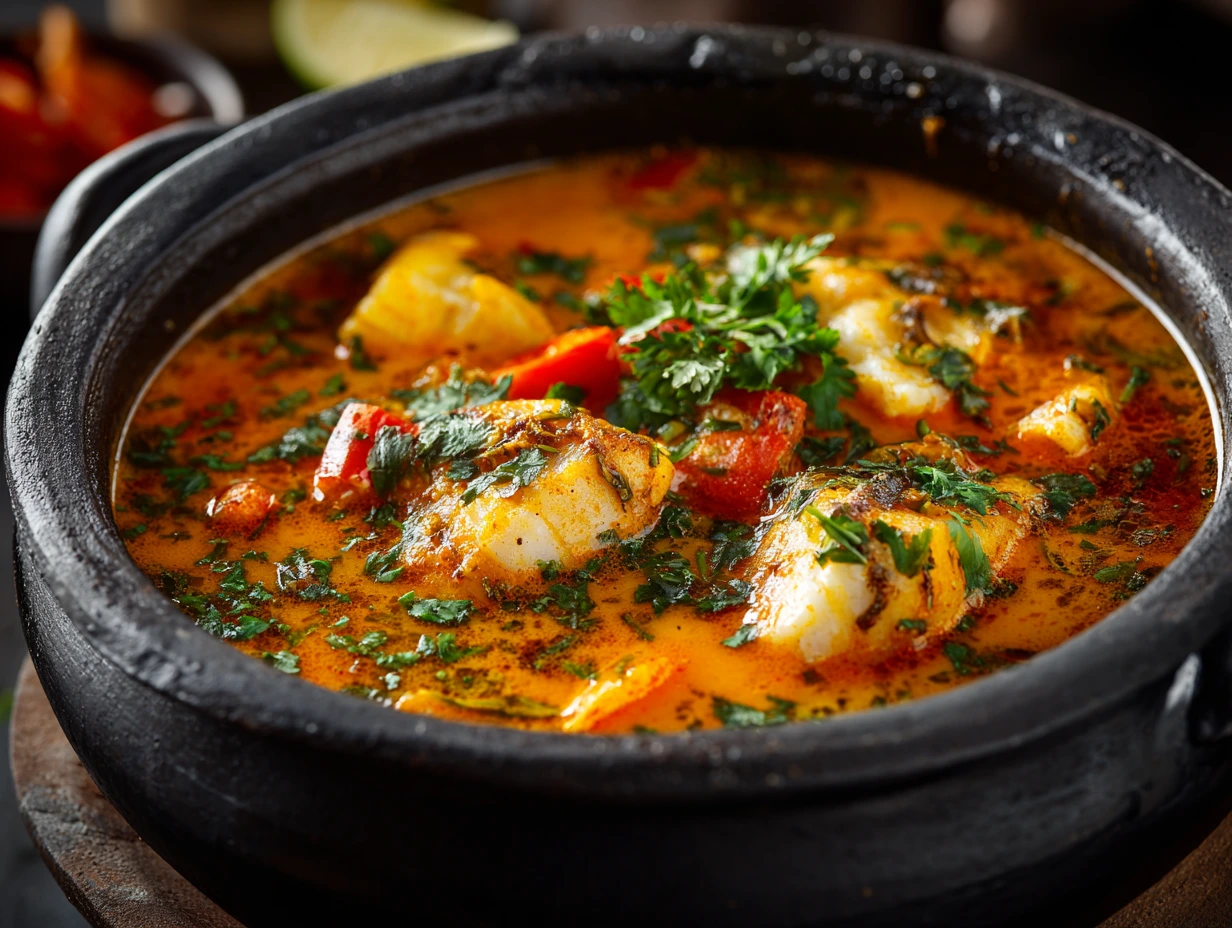
1. Moqueca Baiana (Brazilian)
Bahian fish stew with coconut milk, dendê oil, peppers, tomatoes, coriander and lime.
What makes this dish useful in the comparison is the way it expresses Brazilian cooking through its balance of ingredients, texture and method. Rather than treating it as a generic example, look at the decisions behind it: what is cooked first, where richness comes from, what provides acidity or freshness, and how the dish is normally completed at the table.
2. Bobó de Camarão (Brazilian)
Cassava purée with prawns, coconut milk, peppers, tomato and dendê oil.
What makes this dish useful in the comparison is the way it expresses Brazilian cooking through its balance of ingredients, texture and method. Rather than treating it as a generic example, look at the decisions behind it: what is cooked first, where richness comes from, what provides acidity or freshness, and how the dish is normally completed at the table.
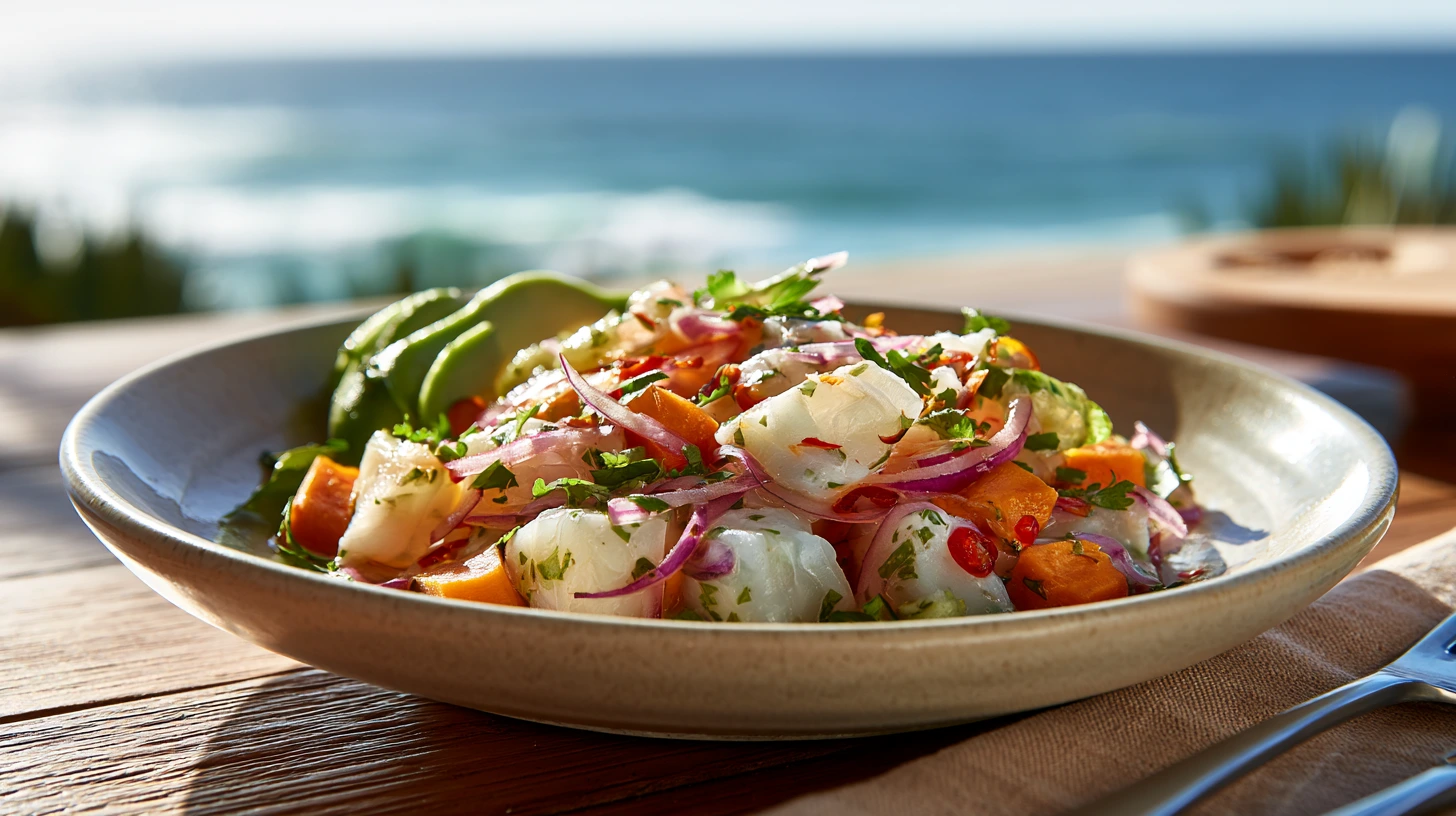
3. Ceviche Chileno (Chilean)
Ceviche Chileno is a traditional Chilean starter with complete metric quantities, precise preparation, cooking temperatures and visual doneness cues.
What makes this dish useful in the comparison is the way it expresses Chilean cooking through its balance of ingredients, texture and method. Rather than treating it as a generic example, look at the decisions behind it: what is cooked first, where richness comes from, what provides acidity or freshness, and how the dish is normally completed at the table.
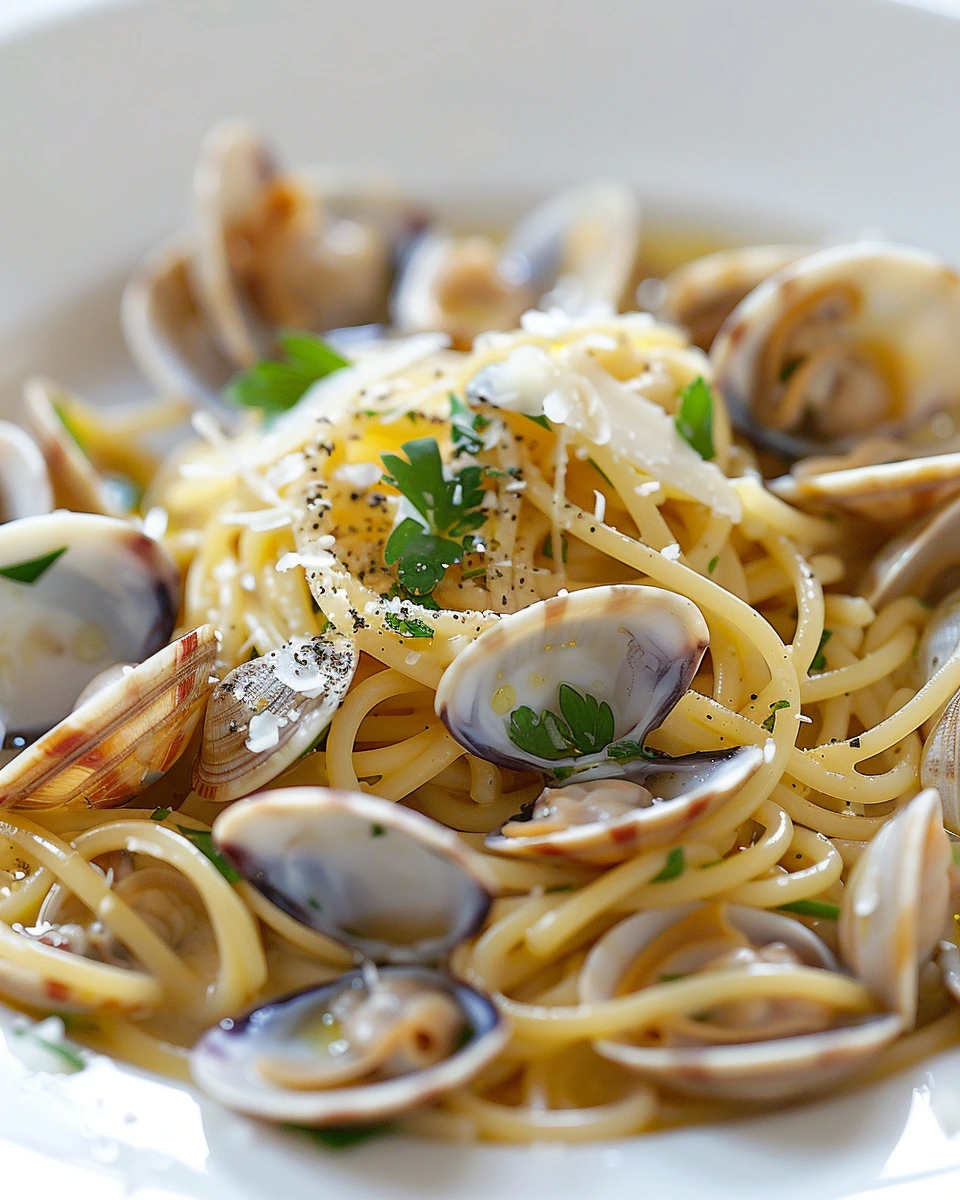
4. Spaghetti alle Vongole (Italian)
Spaghetti alle Vongole is an authentic Italian main from Campania, prepared with careful traditional technique and exact, practical measures.
What makes this dish useful in the comparison is the way it expresses Italian cooking through its balance of ingredients, texture and method. Rather than treating it as a generic example, look at the decisions behind it: what is cooked first, where richness comes from, what provides acidity or freshness, and how the dish is normally completed at the table.
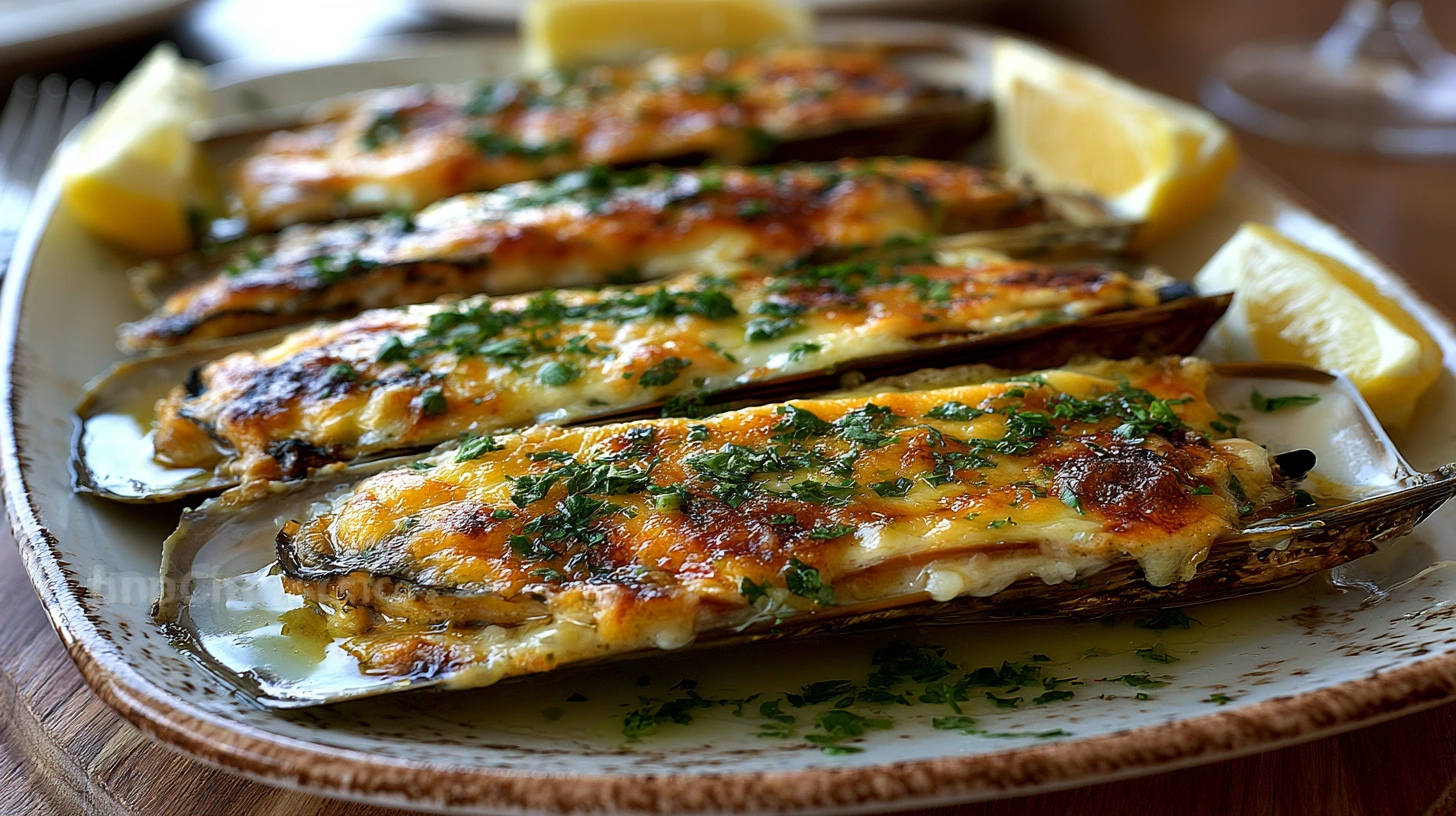
5. Machas a la Parmesana (Chilean)
Machas a la Parmesana is a traditional Chilean starter with complete metric quantities, precise preparation, cooking temperatures and visual doneness cues.
What makes this dish useful in the comparison is the way it expresses Chilean cooking through its balance of ingredients, texture and method. Rather than treating it as a generic example, look at the decisions behind it: what is cooked first, where richness comes from, what provides acidity or freshness, and how the dish is normally completed at the table.
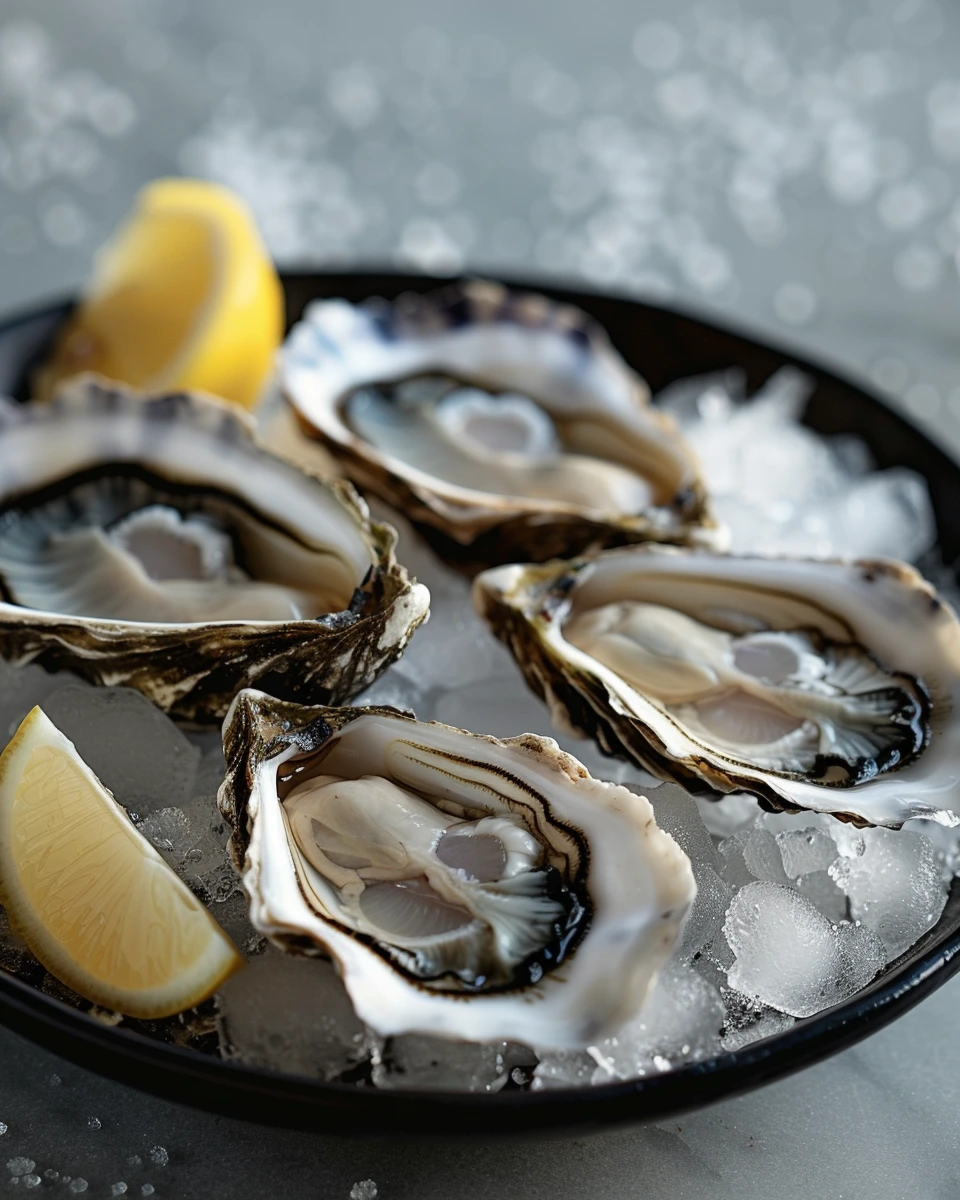
6. Sydney Rock Oysters with Finger Lime (Australian)
Fresh oysters finished with bright native finger lime pearls.
What makes this dish useful in the comparison is the way it expresses Australian cooking through its balance of ingredients, texture and method. Rather than treating it as a generic example, look at the decisions behind it: what is cooked first, where richness comes from, what provides acidity or freshness, and how the dish is normally completed at the table.
7. Moreton Bay Bugs with Garlic Butter (Australian)
Grilled Moreton Bay bugs with garlic butter, lemon and herbs.
What makes this dish useful in the comparison is the way it expresses Australian cooking through its balance of ingredients, texture and method. Rather than treating it as a generic example, look at the decisions behind it: what is cooked first, where richness comes from, what provides acidity or freshness, and how the dish is normally completed at the table.
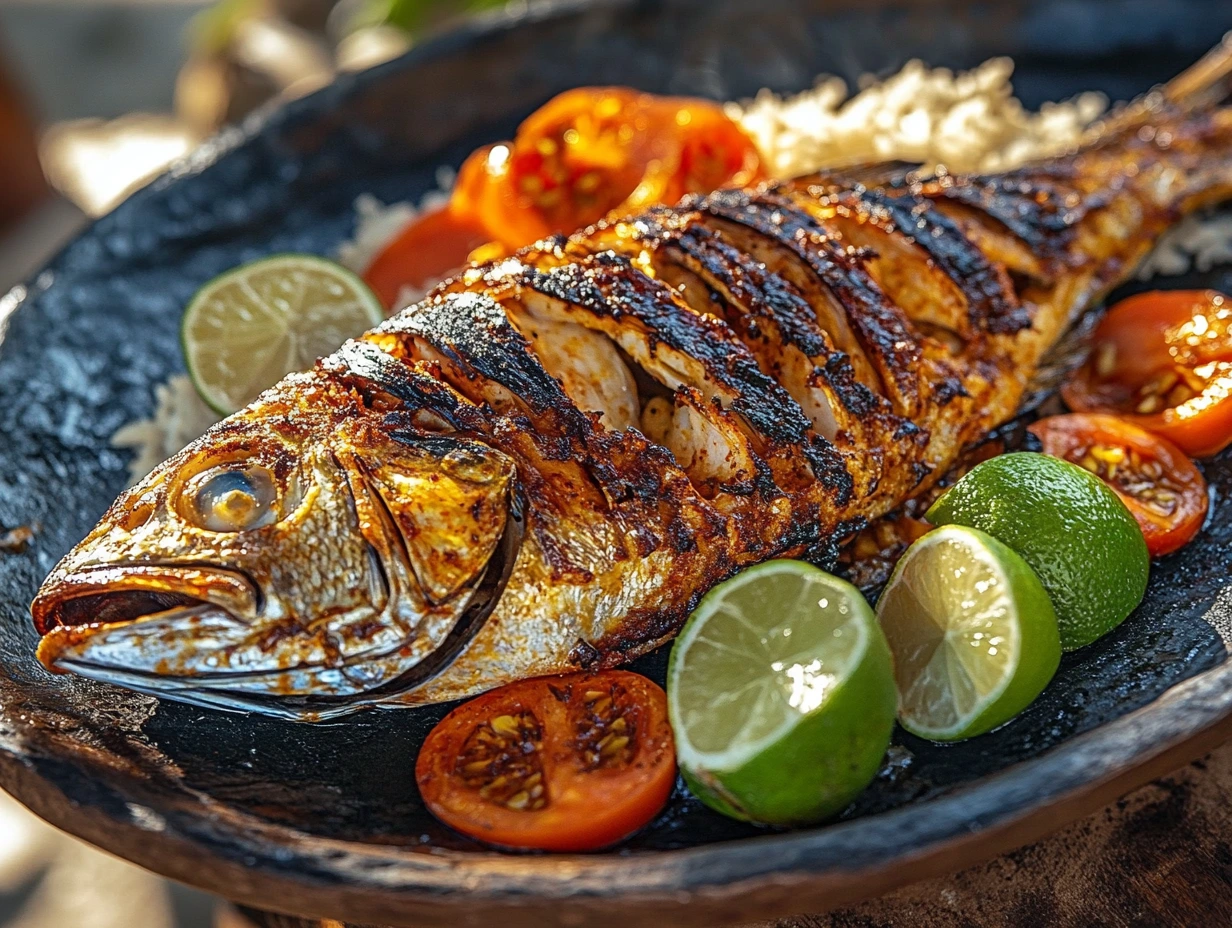
8. Samaki wa Kupaka (Tanzanian)
Samaki wa Kupaka is a traditional Tanzanian main from Swahili coast and Zanzibar, built around white fish, practical technique and the balance of staple, sauce, spice and texture.
What makes this dish useful in the comparison is the way it expresses Tanzanian cooking through its balance of ingredients, texture and method. Rather than treating it as a generic example, look at the decisions behind it: what is cooked first, where richness comes from, what provides acidity or freshness, and how the dish is normally completed at the table.
9. Pweza wa Nazi (Tanzanian)
Pweza wa Nazi is a traditional Tanzanian main from Zanzibar and coastal seafood kitchens, built around octopus, practical technique and the balance of staple, sauce, spice and texture.
What makes this dish useful in the comparison is the way it expresses Tanzanian cooking through its balance of ingredients, texture and method. Rather than treating it as a generic example, look at the decisions behind it: what is cooked first, where richness comes from, what provides acidity or freshness, and how the dish is normally completed at the table.
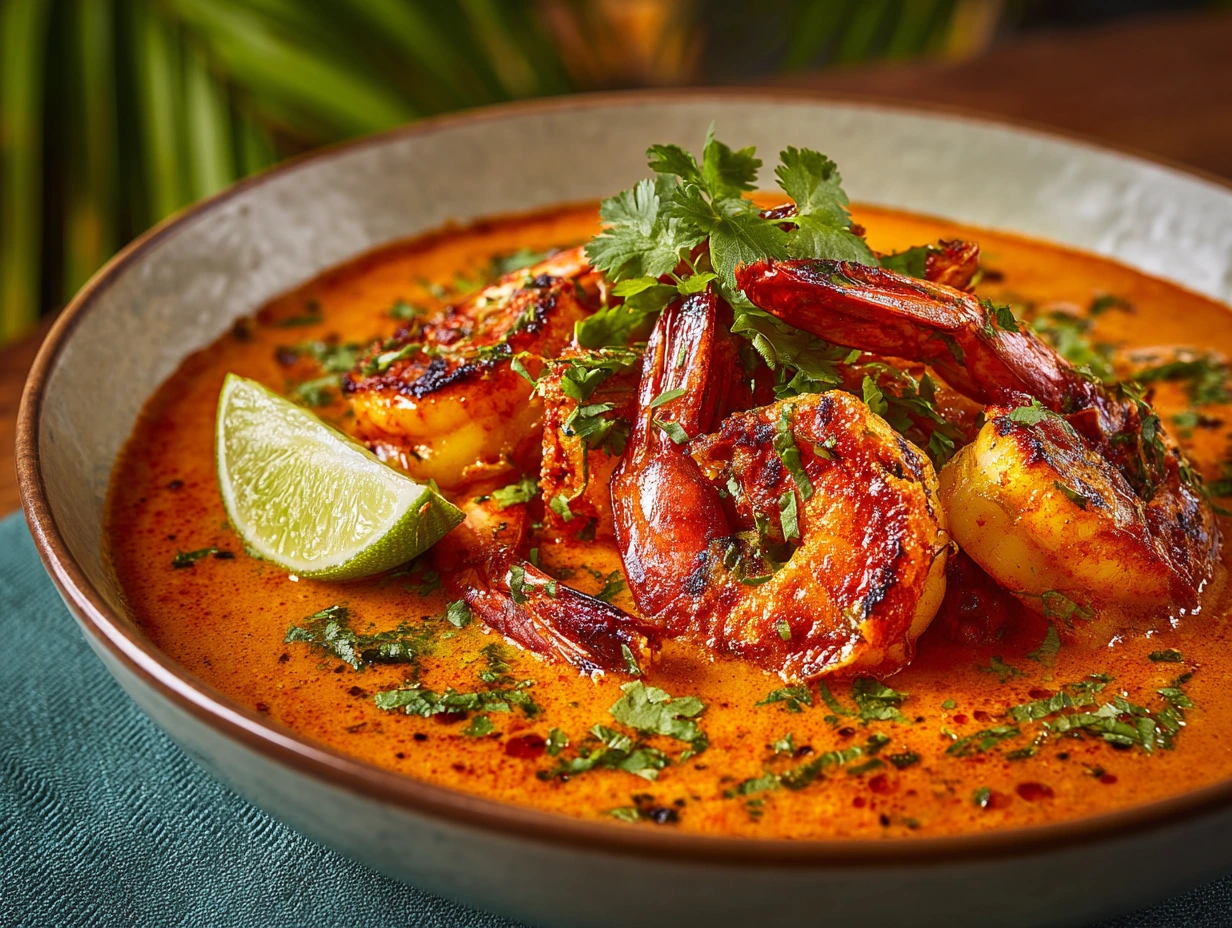
10. Goan Fish Curry (Indian)
Coastal Goan fish curry with coconut, tamarind, chilli, turmeric and coriander seed.
What makes this dish useful in the comparison is the way it expresses Indian cooking through its balance of ingredients, texture and method. Rather than treating it as a generic example, look at the decisions behind it: what is cooked first, where richness comes from, what provides acidity or freshness, and how the dish is normally completed at the table.
What to compare as you cook
Cook two or three of these dishes within a few weeks and compare them deliberately. Notice the base flavour before the main ingredient goes in, the cooking vessel, the amount of liquid, the finishing ingredients and the role of side dishes. Those small choices are often where national and regional identity becomes most obvious.
Where to start
For the clearest contrast, begin with Moqueca Baiana, then cook Sydney Rock Oysters with Finger Lime and finish with Goan Fish Curry. Together they give a practical route through the theme without pretending that one technique explains every cuisine.